


Vintage Duck Art
Vintage duck art encompasses carved wooden decoys, oil paintings, and watercolours spanning the nineteenth century to the mid-twentieth century.
Vintage Duck Art
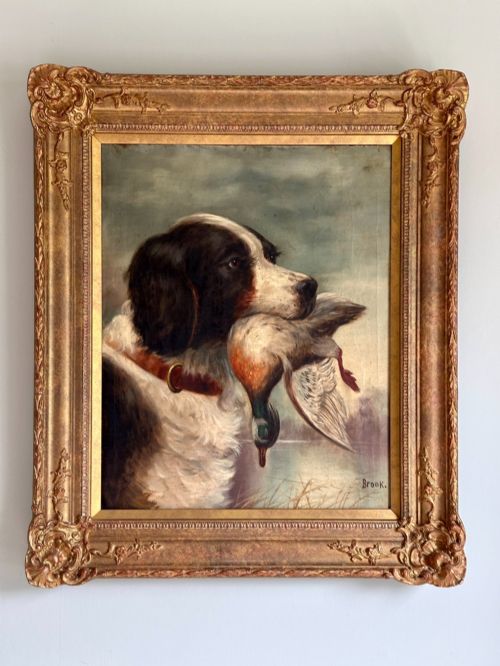
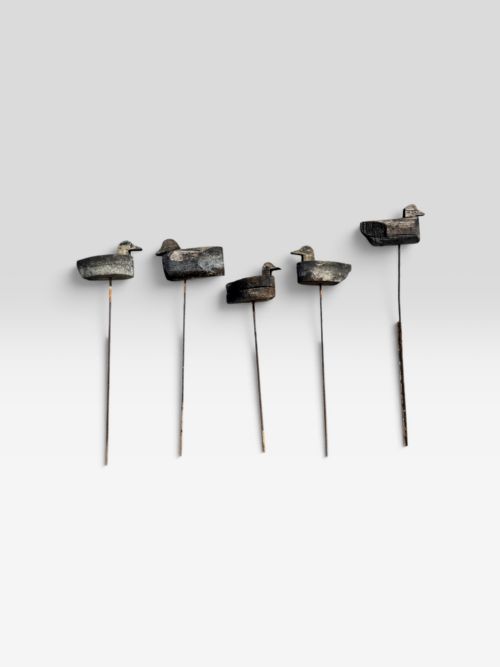
Vintage duck art brings together working decoys, folk art studies, and pastoral paintings depicting water birds in natural settings. These pieces range from simple carved wooden decoys to detailed oil paintings and watercolours by named artists.
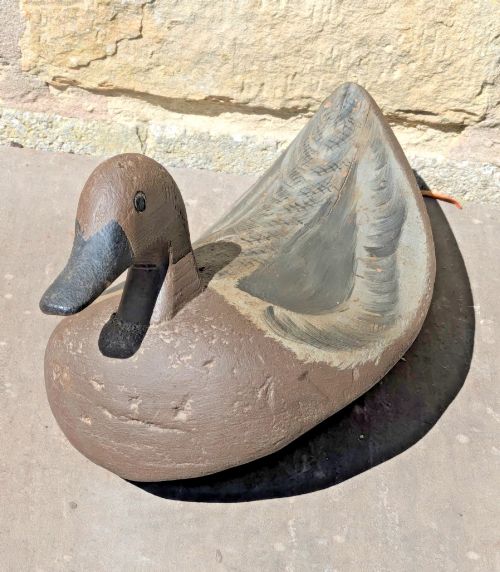
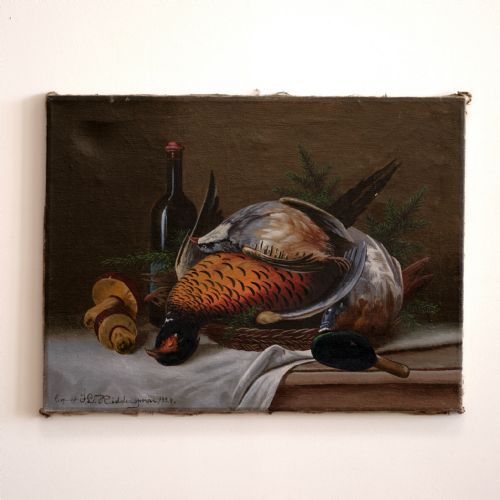
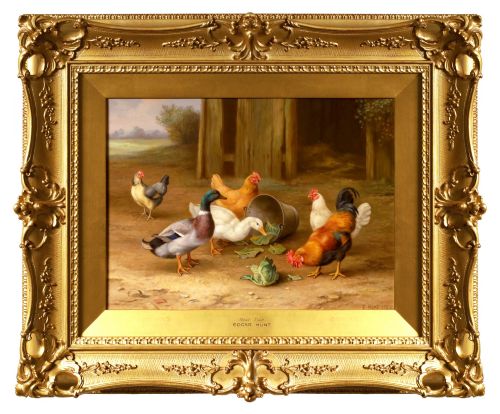
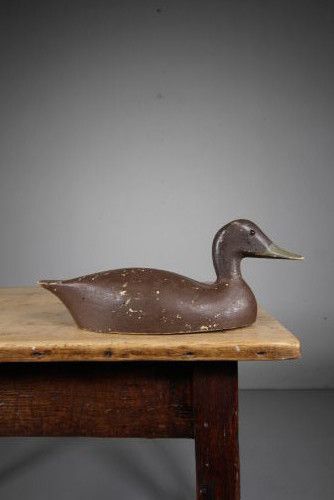
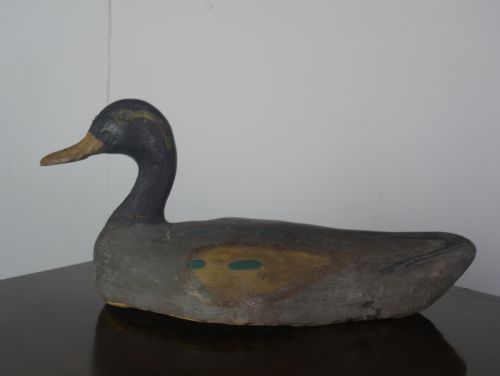
The selection on this page centres heavily on carved and painted wooden decoys from the nineteenth and early twentieth centuries. Alongside these practical objects, buyers will find agricultural scenes and ornithological studies executed in oil and watercolour.
Origins span English, French, and American styles, grouping traditional folk art objects with academic animalier paintings. Such works capture the shifting tastes of the Edwardian era and the Victorian period toward rural realism and sporting subjects.
Distinctions in quality and execution
Quality in carved decoys depends on the expressive vigour of the carving and the preservation of original hand-painted surfaces. Pieces showing minimal overpaint and distinct tool marks demonstrate superior craftsmanship.
In paintings and watercolours, the fidelity of anatomical observation and the handling of light distinguish fine academic works from decorative cottage pieces. Named artists working in oil or watercolour achieve greater depth in farmyard and river landscapes.
The integrity of materials, such as undisturbed paper in engravings and stable canvas grounds in oils, marks the higher tier of surviving pieces. Artisanal precision in embroidered textiles and bronze casting separates master works from standard decorative objects.
Materials recorded across the inventory include oil on canvas, watercolour, giltwood, paper, bronze, and hand-painted timber.
Edgar Hunt·John Frederick Herring Jnr·James Hardy Junior·Percival Glenfern·George Kilburne·Claude Cardon·Alfred Banner·David Adolph Constant Artz·Antoine Bofill
The Vintage Duck Art Glossary
- Decoy
- A carved or moulded figure designed to attract wildfowl, often weighted and painted by hand. These working objects form a core category of folk art.
- Animalier
- An artist or sculptor who specialises in the realistic depiction of animals. This French term applies to bronze sculptures and nineteenth-century oil paintings.
- Giltwood
- Wood carved and coated with gold leaf or a gold-coloured finish. This material is commonly found on traditional picture frames.
- Folk art
- Utilitarian or decorative objects created by self-taught or provincial makers using traditional methods. Such pieces emphasise practical utility and rustic charm over academic convention.
- Ornithological study
- A detailed scientific or artistic depiction of birds. These framed works record plumage and species characteristics with precision.
Vintage Duck Art: Frequently Asked Questions
What is a duck decoy?
A duck decoy is a carved and painted wooden object originally used by hunters to lure wildfowl on rivers and marshes. Over time, these functional items transitioned into decorative folk art collected for their rustic appearance.
Craftsmen shaped them from timber, applying hand-painted pigments to simulate feathers. Each piece reflects the regional traditions and working methods of its maker.
How do I care for wooden decoys?
Wooden decoys require stable indoor environments away from direct sunlight and excessive humidity to preserve the painted surface. Dusting gently with a dry, soft cloth prevents the accumulation of dirt without risking the original finish.
Avoid using liquid cleaners or oils on antique painted wood. Maintaining consistent room temperature protects the timber from splitting or warping over time.
What subjects appear in these paintings?
Paintings featuring ducks typically depict rural river landscapes, farmyard scenes with chickens and horses, or pastoral settings. Artists capture these animals alongside water sources and natural foliage.
Works range from detailed oil studies by academic painters to delicate watercolours. These compositions reflect nineteenth-century and early twentieth-century interest in rural realism.
How can I date a decoy?
Dating a decoy involves examining the type of wood, the tool marks left by the carver, and the composition of the paint layers. Earlier nineteenth-century examples often display heavier hand-tool texturing and simpler forms.
Twentieth-century pieces may show more refined shaping and standardised manufacturing methods. Comparing the paint wear and patina against known regional styles helps narrow the period of origin.