
Vintage Dressing Drawers
These vintage dressing drawers combine compact storage with practical surface space, offering period character to modern bedrooms.
Vintage Dressing Drawers
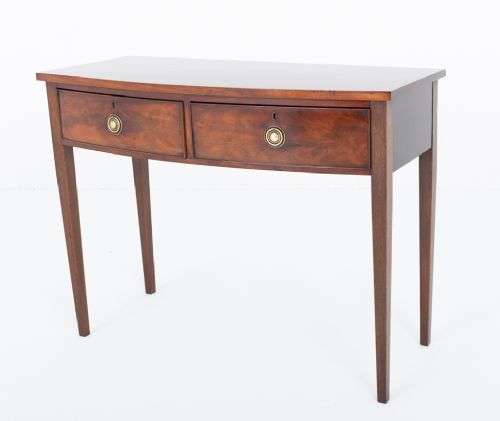
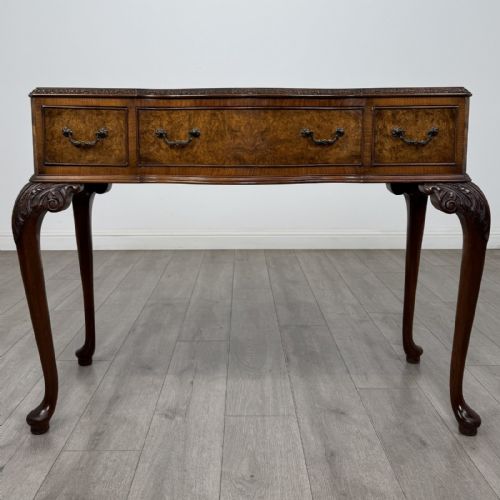
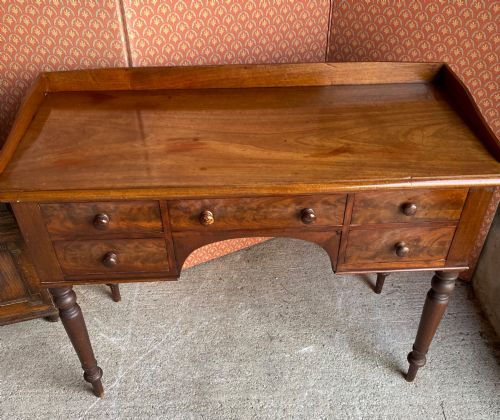
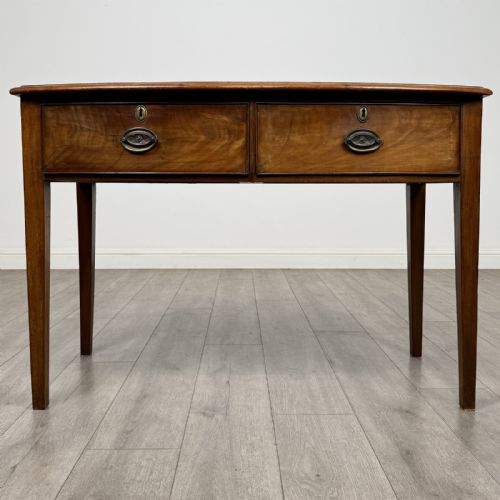
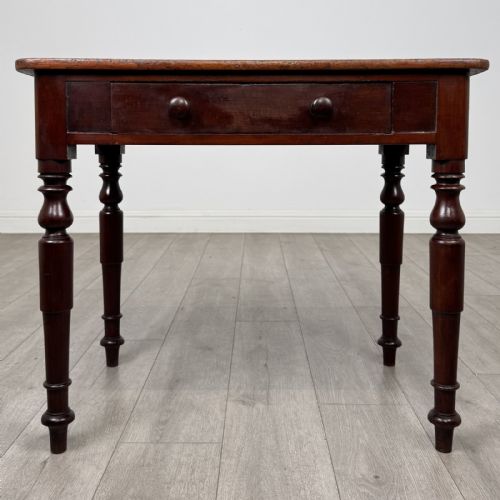
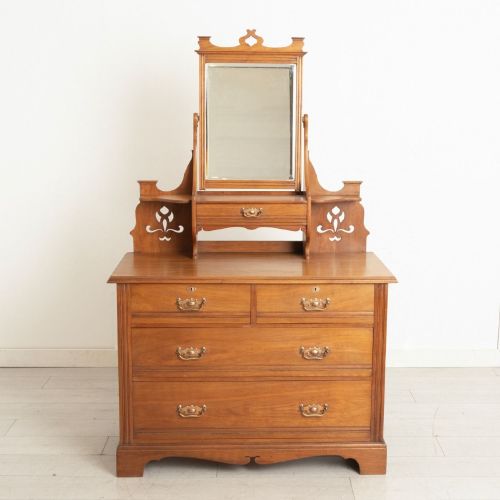
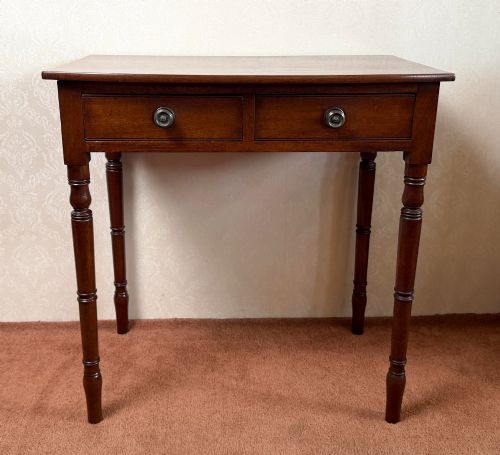
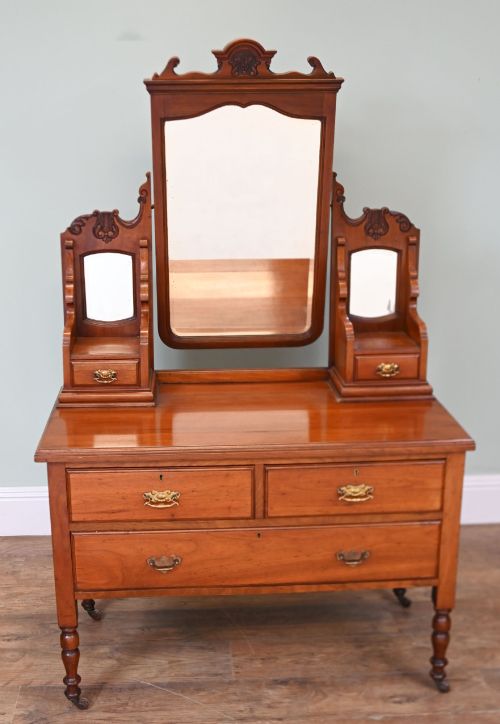
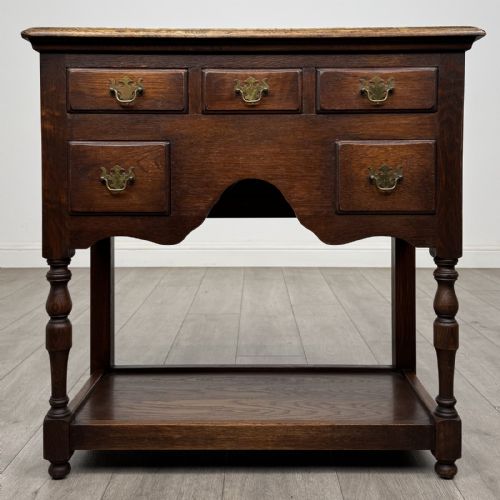
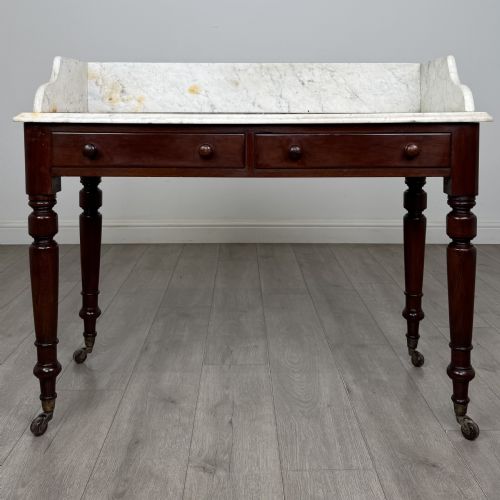
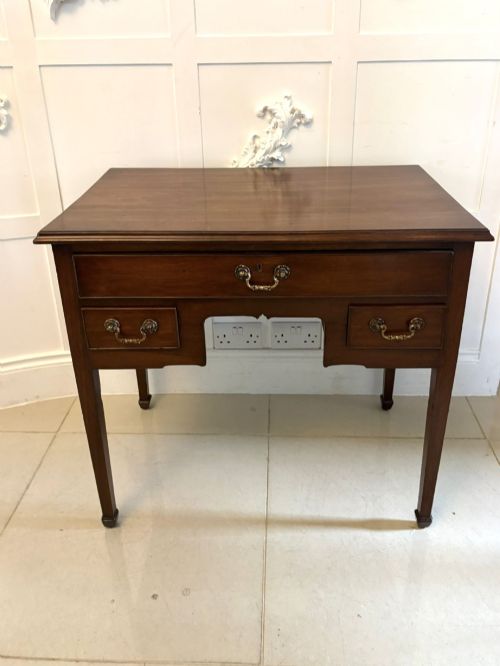
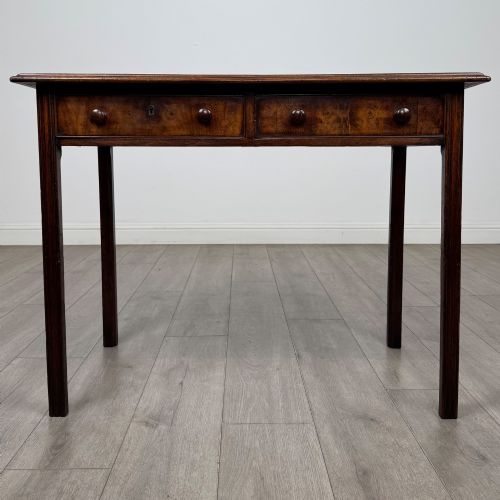
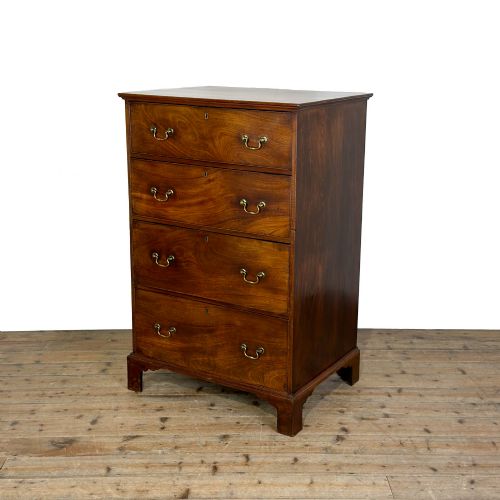
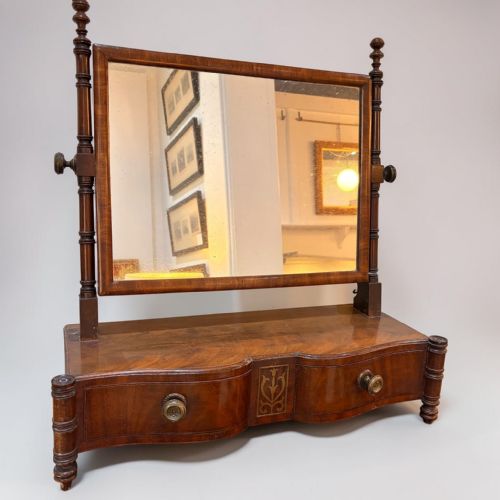
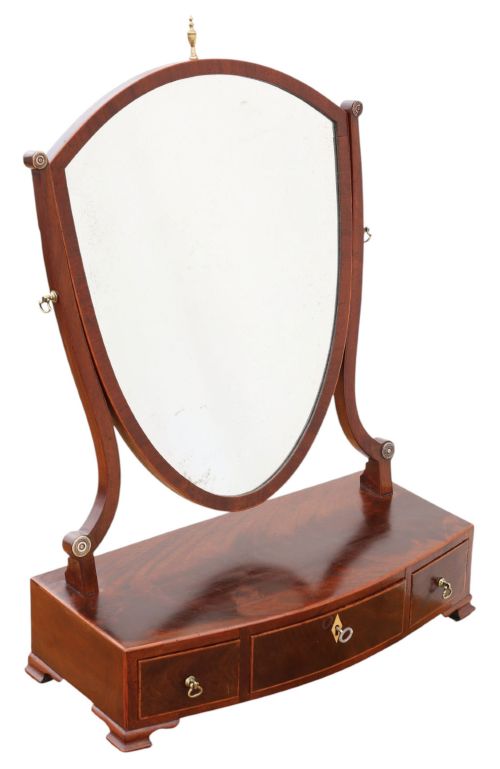
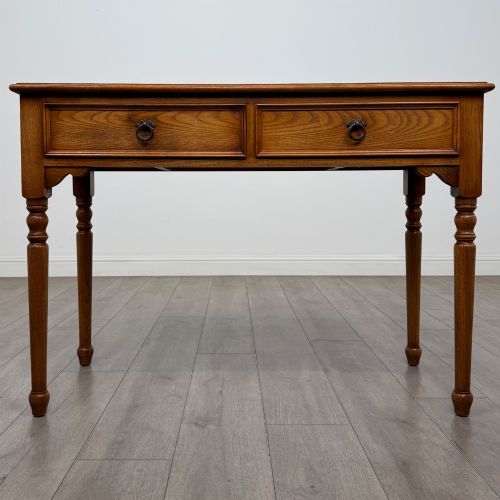
When buyers search for vintage dressing drawers, they encounter a diverse selection of lowboys, dressing chests, writing tables, and mirrors dating from the eighteenth century through to the nineteen-thirties. The pieces on this page span multiple periods including Georgian, Victorian, Edwardian, and Art Deco, reflecting shifting domestic habits and furniture designs.
The most common forms on this page include oak and walnut lowboys, mahogany kneehole dressing tables, and oak dressing chests fitted with swing mirrors. These items frequently overlap with writing desks, side tables, and washstands, demonstrating the multifunctional nature of antique bedroom and dressing furniture.
How they were made
Cabinet makers constructed these pieces primarily using solid timbers such as oak, mahogany, walnut, and pitch pine, often enhanced by decorative veneers like burr walnut. Surfaces were complemented by functional materials including brass hardware, mirror glass, and occasional painted finishes.
Joinery techniques ranged from traditional eighteenth-century dovetailing on drawer boxes to Edwardian and Art Deco production methods that incorporated sturdy framing and carved ornamentation. Timber selection dictated the visual weight of each piece, from golden English oak to figured walnut and rich mahogany.
What varies in quality
Quality in these pieces rests heavily on the choice of timber and the handling of grain patterns, particularly in walnut and mahogany items where figured veneers elevate the visual impact. The crispness of carved details, the retention of original brass handles, and the integrity of the integrated swing mirrors also separate standard utility items from finer examples.
Construction standards are evident in the smooth operation of multiple drawers, the neatness of dovetail joints, and the overall balance of proportion across kneehole desks and dressing chests. Pieces originating from named workshops or featuring matched timber sets demonstrate a higher tier of period craftsmanship.
Heal & Sons·Frank Taylor & Co
The Vintage Dressing Drawers Glossary
- Lowboy
- A small oak, walnut, or mahogany table with drawers, typically used as a dressing table or side table in the eighteenth and early twentieth centuries.
- Kneehole
- A desk or dressing table design featuring a central recessed space for the legs, flanked by pedestals of drawers.
- Swing mirror
- A tabletop or chest-mounted looking glass set on pivoting pins between upright supports, allowing the angle of the glass to be adjusted.
- Burr walnut
- A decorative timber veneer taken from the gnarled growth of a walnut tree, prized for its swirling grain patterns.
- Shield mirror
- A dressing mirror featuring a glass cut into the shape of a heraldic shield, popular in Georgian and revival furniture.
Vintage Dressing Drawers: Frequently Asked Questions
What is a lowboy used for?
A lowboy functions as a compact table with drawers, originally used for grooming or writing in period bedrooms.
Today, these versatile pieces serve well as side tables, hall consoles, or small dressing desks in contemporary spaces.
How do I date a dressing chest?
Dating relies on observing timber choices, hardware styles, and construction traits such as drawer dovetailing.
Earlier pieces often feature figured walnut or mahogany, while Edwardian and later examples frequently utilise oak or pitch pine.
Are these tables suitable for modern writing desks?
Many dressing tables, lowboys, and writing desks from the Georgian to Edwardian eras fit modern seating and laptop use.
Kneehole configurations provide necessary legroom, though drawer depth varies significantly across different historical periods.
What is the difference between a washstand and a dressing table?
Washstands were originally built to hold basins and jugs for morning ablutions, often featuring marble or tiled splashbacks.
Dressing tables focused on mirrors and drawer storage for cosmetics, though survivors often double as side tables today.