



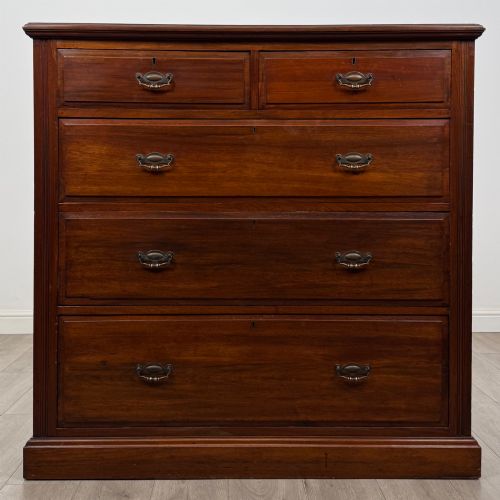
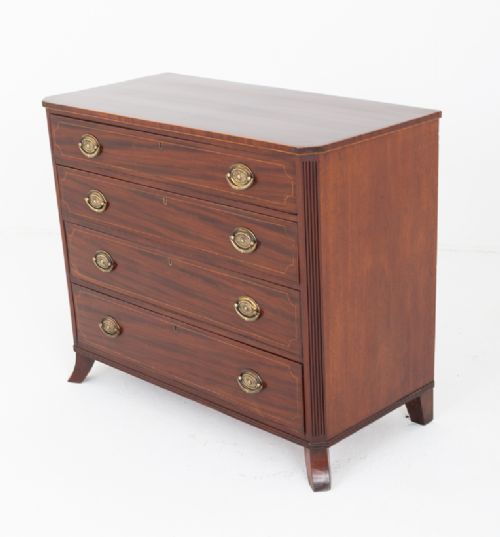
Vintage Dresser Unit
A vintage dresser unit brings centuries of practical utility and rich timber character into modern rooms.
Vintage Dresser Unit
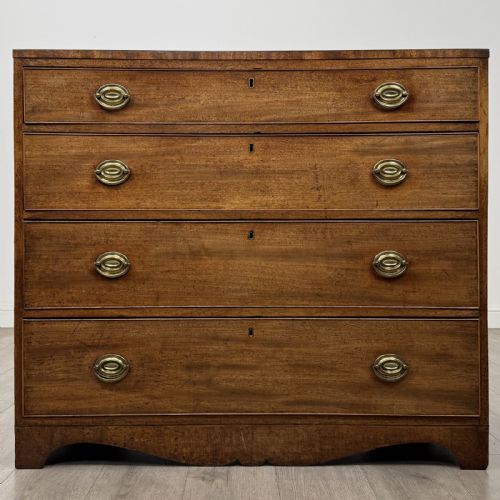
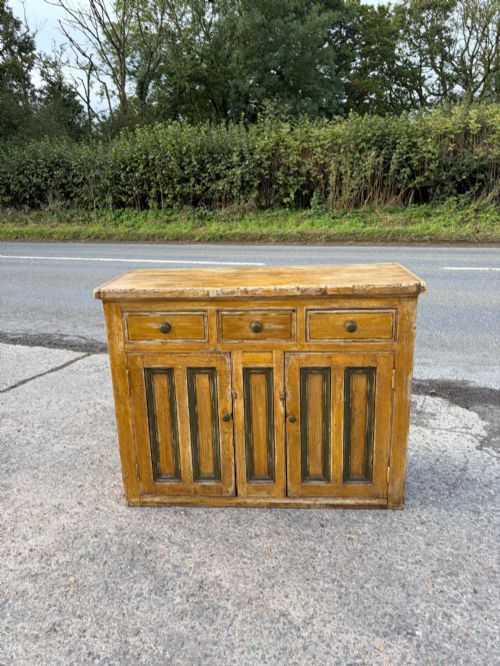
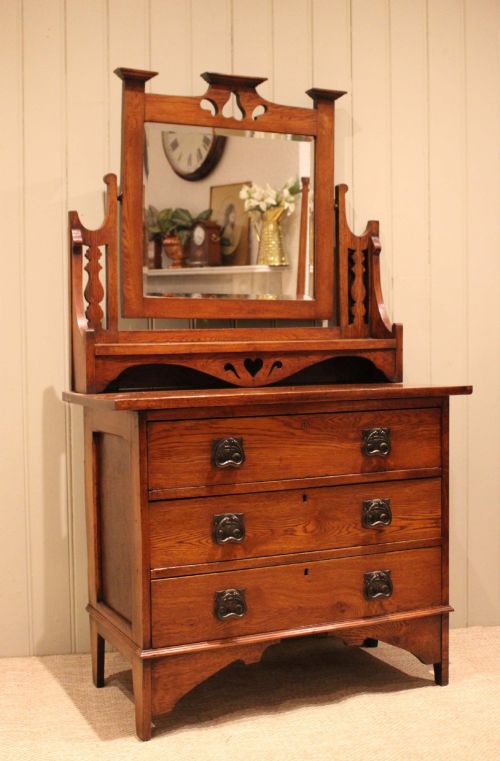
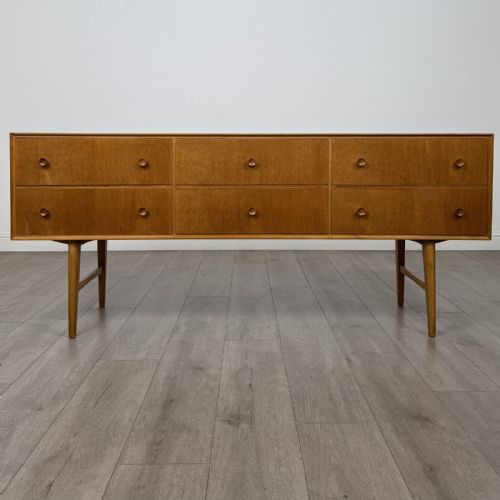
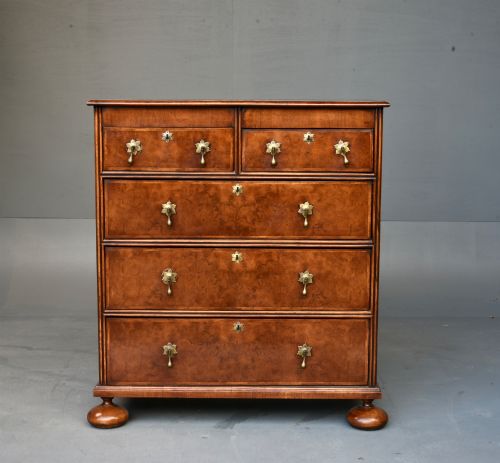
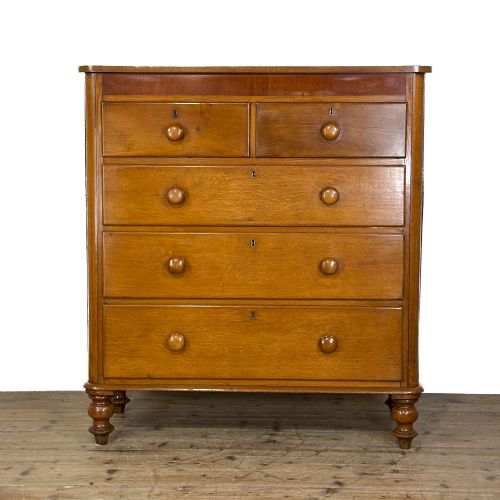
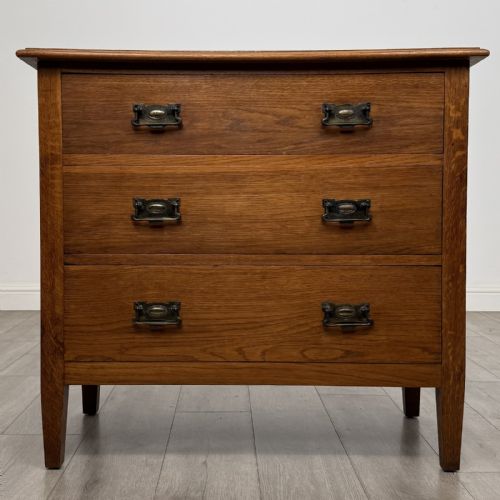
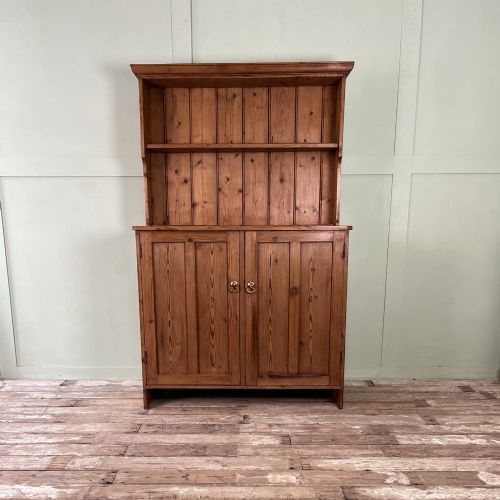
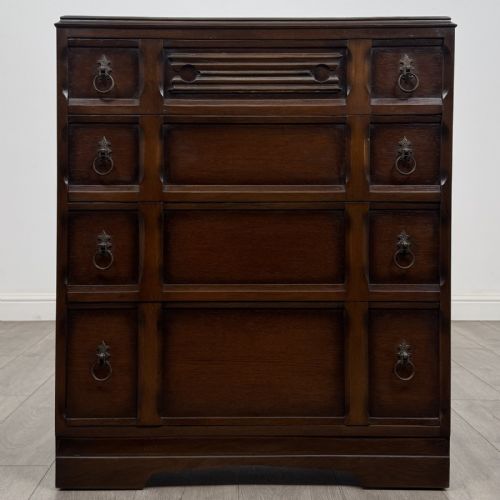
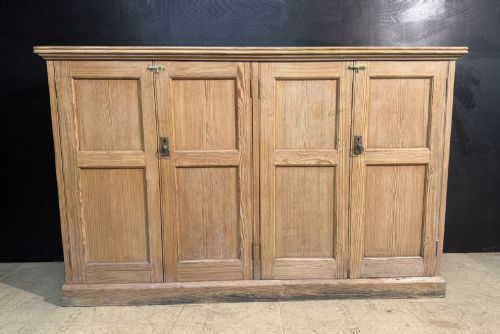
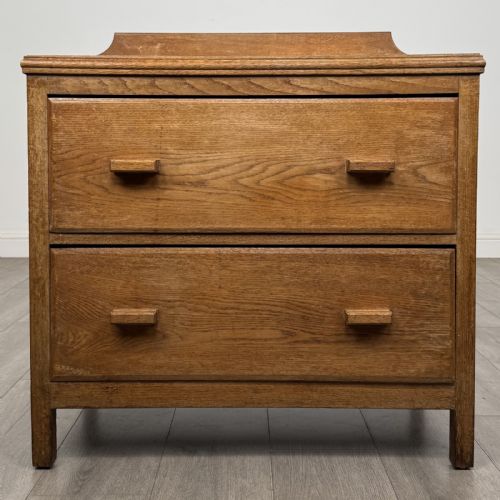
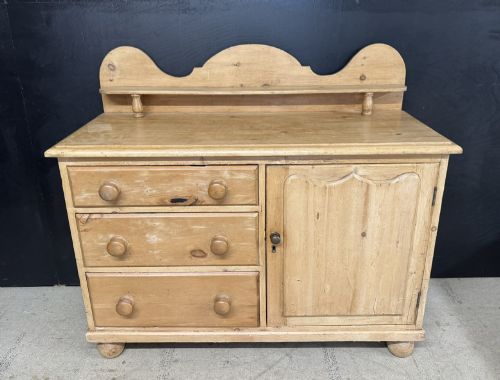
A vintage dresser unit encompasses a diverse group of storage furniture found on this page, ranging from kitchen dressers and sideboards to chests of drawers, display cabinets, and wall shelves. These forms originate from periods spanning the 18th century, Georgian, Regency, Victorian, Edwardian, and early 20th century.
The kitchen variants typically combine open shelving or glazed upper cabinets with lower cupboards, while the bedroom and living pieces rely on stacked drawers and mirrored backs. Buyers meet golden oak, pine, walnut, and mahogany constructions shaped by regional traditions and revival styles.
Makers and workshops constructed these items for daily household service, resulting in sturdy proportions and functional internal layouts. The selection reflects domestic storage needs across multiple eras, prioritising timber presence and utilitarian design.
How they were made
Carpenters utilised solid hardwoods and softwoods such as oak, mahogany, pine, walnut, and yew wood, often matching drawer fronts with flame mahogany veneers or painting the pine carcases. Joinery methods relied on traditional weight-bearing joints to handle heavy domestic loads in kitchens and parlours.
Hardware additions included brass acorn handles, brass face handles, and simple turned wooden knobs, while glazing frames housed clear glass panels for china cabinets. Surfaces were finished through waxing or polishing to protect the timber grain while retaining natural lustre.
Vintage Dresser Unit Retail Price Guide 2026
Typical asking prices for vintage dresser unit among the pieces listed under this phrase on Sellingantiques today, from the lower quarter to the upper quarter. They describe what is for sale here now, not the wider market.
Hudson Bros crossed the Atlantic to build an American oak Hoosier kitchen cabinet now resting among British oak chests.
What varies in quality
The grade of timber selection and the retention of original fittings dictate the standing of individual items within the range. Pieces retaining period brass handles, unblemished glazed doors, and stable structural carcases demonstrate superior preservation.
Execution of carved details, such as those found on Edwardian sideboards or Jacobean revival mouldings, separates standard utilitarian furniture from finer decorative examples. The integrity of the wood seasoning and the smoothness of drawer operation indicate the original standard of workshop production.
Hudson Bros
The Vintage Dresser Unit Glossary
- Raised gallery
- A low decorative upstand attached to the rear or sides of a chest top to prevent items from sliding off. This feature appears frequently on early 20th century oak storage units.
- Tambour door
- A flexible door constructed from narrow vertical strips of wood glued to a canvas backing, sliding along a track. This mechanism allows access to compact sideboard compartments.
- Dresser base
- The lower section of a two-part kitchen dresser, featuring cupboards or drawers without the accompanying upper plate rack. These serve as standalone sideboards in contemporary interiors.
- Flame mahogany
- A decorative veneer cut from timber where the branch meets the trunk, displaying a distinctive flamed or feathered grain pattern. Cabinet makers used this to adorn drawer fronts on Victorian chests.
- Wall rack
- An open wooden shelving unit designed to be hung on a wall for displaying plates or storing kitchenalia. Examples recorded include 19th century pine and George III oak formats.
Vintage Dresser Unit: Frequently Asked Questions
What is a vintage dresser unit?
A vintage dresser unit is a functional wooden storage item, encompassing kitchen dressers, sideboards, chests of drawers, and display cabinets from past centuries.
These pieces served utilitarian domestic roles in British and European homes, utilising timbers like oak, mahogany, and pine.
Can I use a kitchen dresser in a dining room?
Kitchen dressers integrate successfully into dining spaces for storing tableware, linens, and glassware behind cupboard doors or upon open shelves.
Two-part formats offer substantial storage capacity while displaying decorative ceramics.
What is the difference between a sideboard and a dresser?
A sideboard typically provides low-level surface space above cupboards and drawers primarily intended for dining rooms and living areas.
A dresser frequently includes upper shelving or display cabinets designed for kitchen storage and plate presentation.