

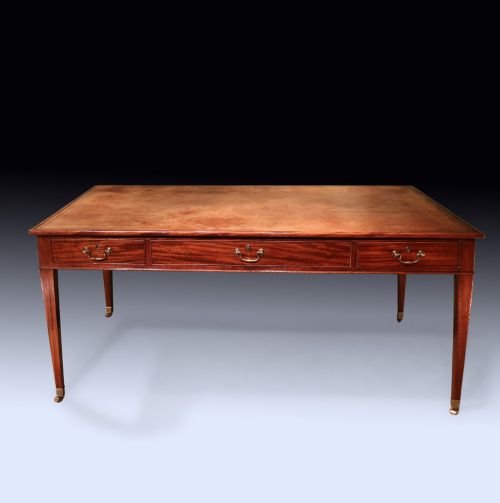
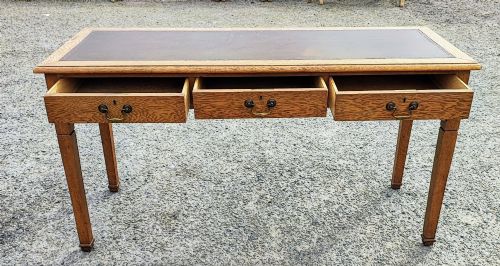
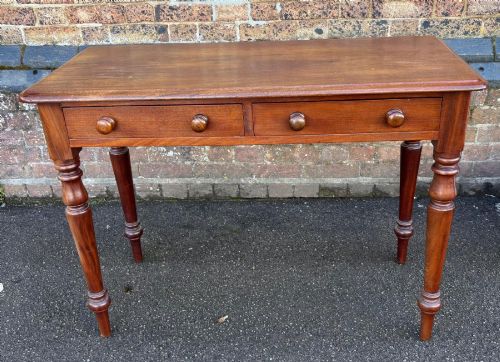
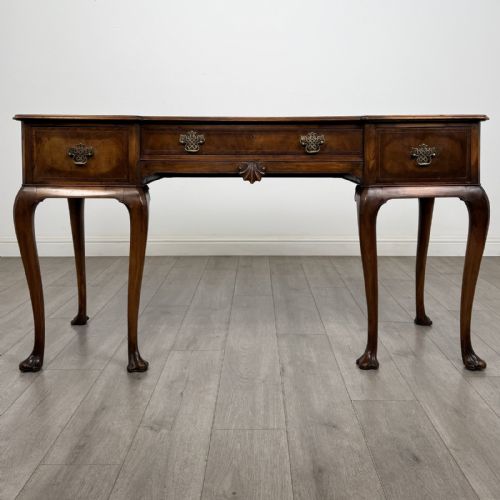
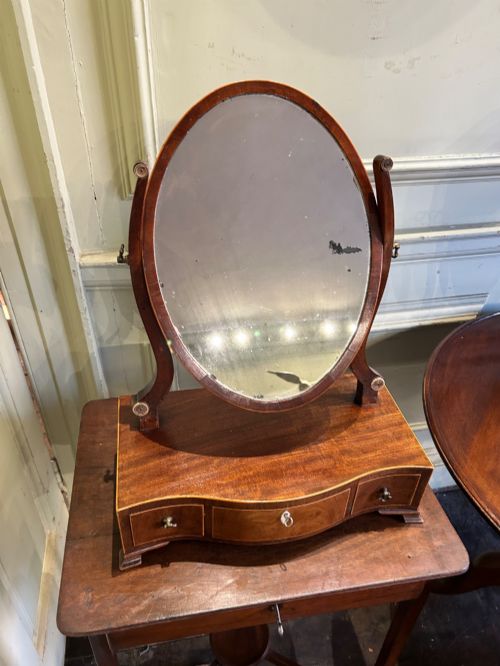
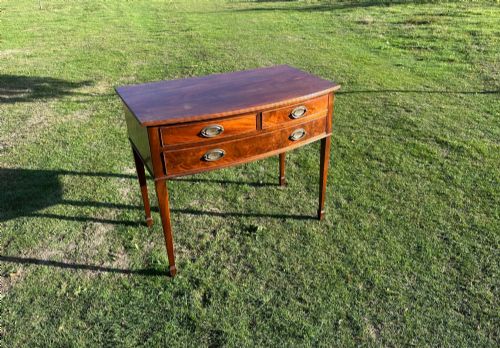
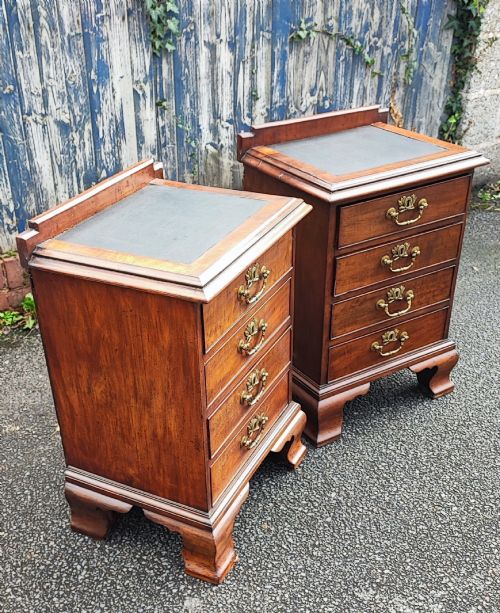

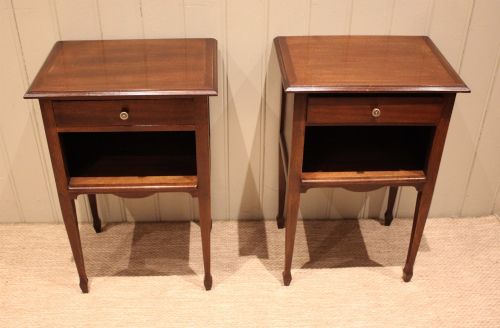
Vintage Drawer Table
These vintage drawer table pieces bring practical storage and period character to everyday rooms.
Vintage Drawer Table
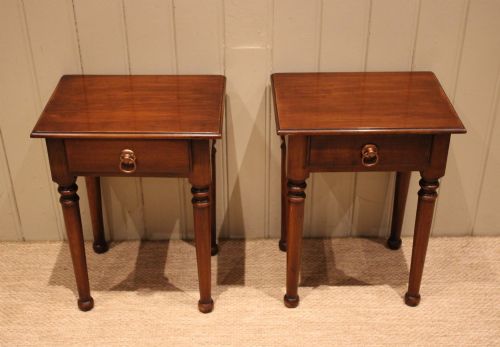
A vintage drawer table combines a flat surface with integrated storage compartments, offering utility across various domestic spaces. Buyers searching for a vintage drawer table will encounter forms ranging from side tables and bedside cabinets to writing desks and kitchen tables.
The pieces span multiple eras, including Victorian, Edwardian, and the 20th century, alongside earlier 18th-century and Regency examples. Regional variations such as French Provincial, Rustic Farmhouse, and English Country styles frequently appear.
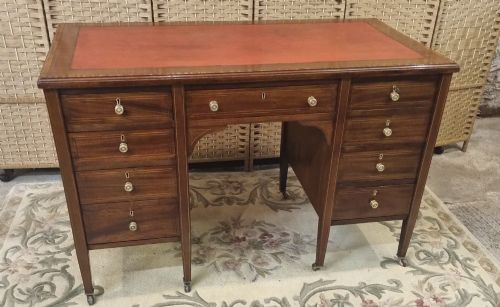
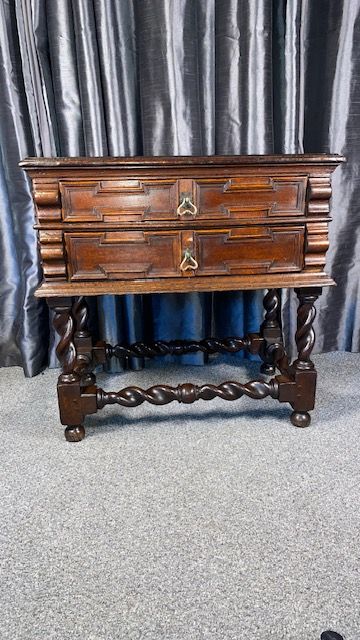
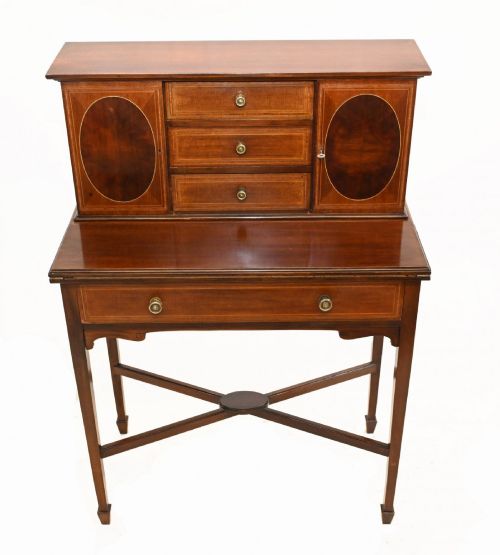
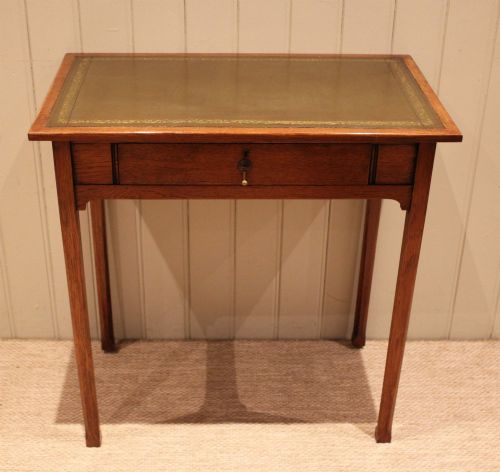
Most items rely on timbers like mahogany, oak, walnut, and pine, occasionally detailed with brass hardware or leather inserts. Simpler side tables and work tables sit alongside elaborate pedestal desks and marquetry-inlaid writing tables.
Materials and construction
Cabinet makers utilised solid hardwoods and softer pines, selecting mahogany, oak, and walnut for their durability and grain patterns. Burr walnut and marquetry veneers added decorative contrast to formal writing desks and side tables.
Joinery methods involved traditional hand-cut joints, fitted drawers, and carved details such as bobbin turning or raised galleries. Brass handles, leather writing surfaces, and marble tops completed functional elements on desks and washstands.
Vintage Drawer Table Retail Price Guide 2026
Typical asking prices for vintage drawer table among the pieces listed under this phrase on Sellingantiques today, from the lower quarter to the upper quarter. They describe what is for sale here now, not the wider market.
Listings feature woods like mahogany, oak, walnut, and pine, alongside periods spanning the 18th, 19th, and 20th centuries.
Distinguishing quality factors
The grade of timber and the precision of the joinery set finer pieces apart from simpler utility items. Superior examples feature well-figured wood veneers, clean drawer runners, and crisp hand-carved detailing.
W. Walker and Sons London·Shapland & Petter
The Vintage Drawer Table Glossary
- Dresser base
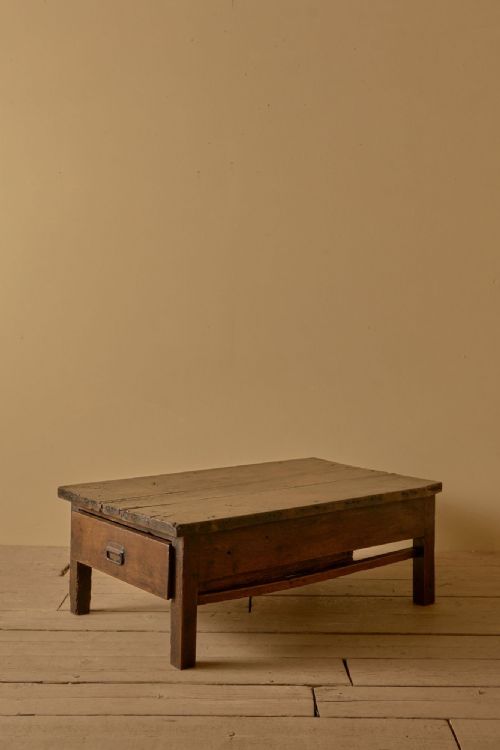
- A low sideboard or table featuring integrated drawers, historically used for serving food and storing kitchen utensils. These items often showcase scrubbed timber tops or painted finishes.
- Pedestal desk
- A large freestanding desk supported by two banks of drawers rather than simple legs. They frequently incorporate leather-lined writing surfaces and smaller stationery compartments.
- Marquetry
- A decorative technique where small pieces of wood veneer are fitted together to form pictorial patterns on furniture surfaces. This detailed work appears on select 18th-century writing tables.
- Bow front
- A convex curved front profile utilised on the drawers of side tables and chests. This shape softens the geometric lines of the furniture piece.
- Potboard
- An open slatted lower shelf incorporated into the base of traditional dressers and tables. It provided ventilation for storing heavy pottery and kitchen vessels.
Vintage Drawer Table: Frequently Asked Questions
How do I use a vintage drawer table at home?
These versatile pieces adapt readily to modern living rooms, home offices, and bedrooms as functional storage surfaces. Side tables and bedside chests keep daily essentials close at hand while adding historical texture to an interior.
Larger writing desks and work tables serve effectively as dedicated study spaces or kitchen preparation islands. Their integrated drawers help maintain a tidy surface by concealing smaller items.
What is the difference between a side table and a pedestal desk?
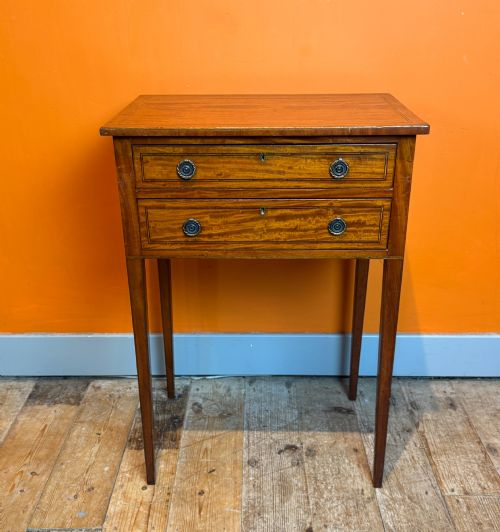
Side tables typically feature a slim profile with one or more drawers beneath a simple top, supported by four legs. They are designed for placement against walls or beside seating.
Pedestal desks are substantial freestanding pieces built with two vertical columns of drawers that extend to the floor. They offer significantly more workspace and internal storage capacity.
How do I identify Victorian pieces?
Victorian furniture often utilises dense mahogany or walnut timbers, sometimes complemented by marble tops or turned wooden handles. Construction tends to be heavy and robust, reflecting industrial manufacturing capabilities of the era.
Look for interior details like hand-cut dovetails on drawer boxes and functional additions such as pull-out writing slides. Stamped maker marks or paper labels can occasionally confirm a nineteenth-century origin.
Are these tables suitable for small rooms?
Many compact forms, including bedside cabinets, lamp tables, and narrow side tables, fit comfortably into restricted spaces. Tables with multiple small drawers maximise vertical storage without occupying a large floor footprint.
French Provincial and rustic farmhouse models offer lighter painted finishes or slender legs that visually open up a room. Choosing a piece with internal drawer storage prevents clutter from accumulating on the surface.