

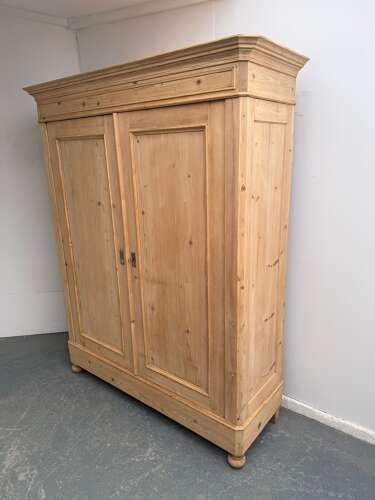
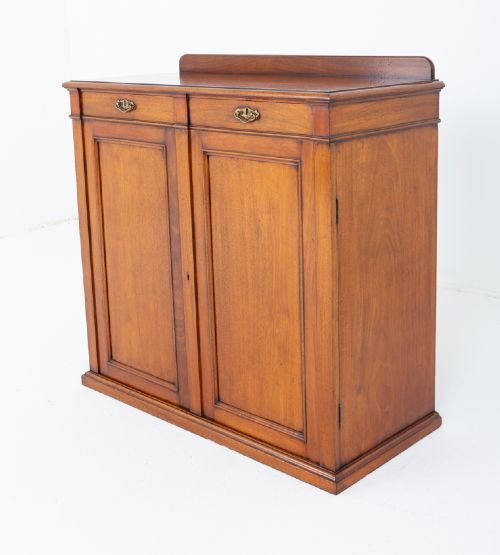
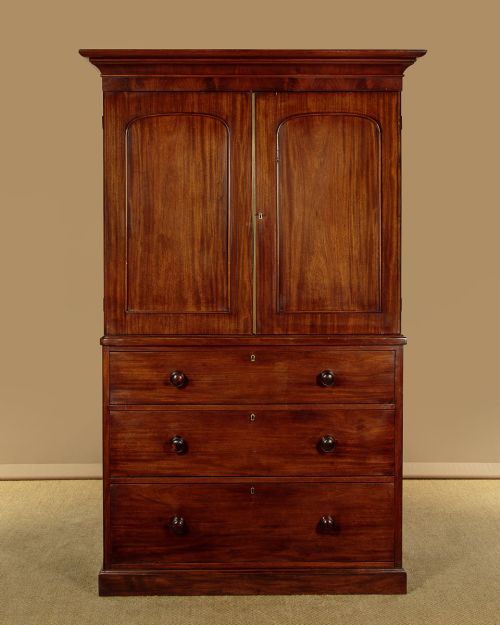
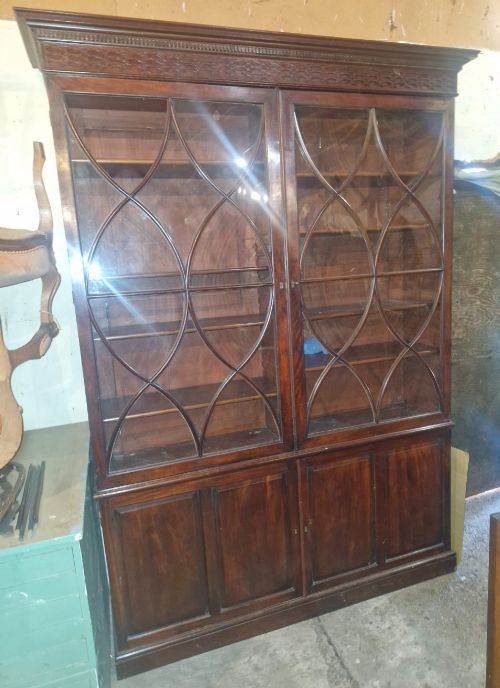
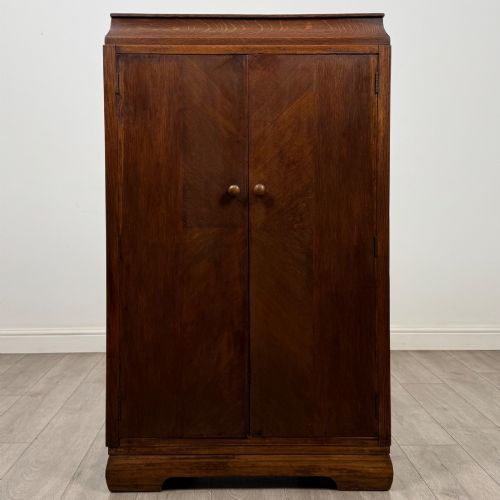
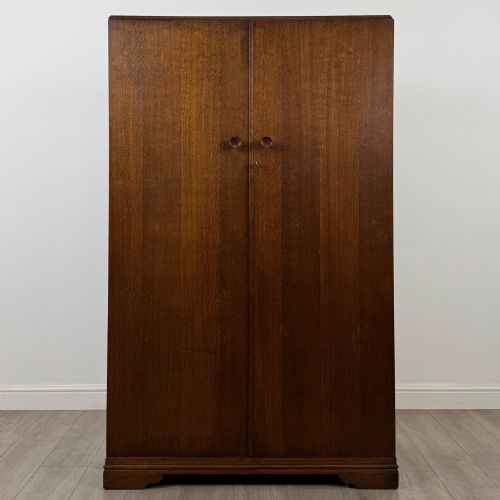
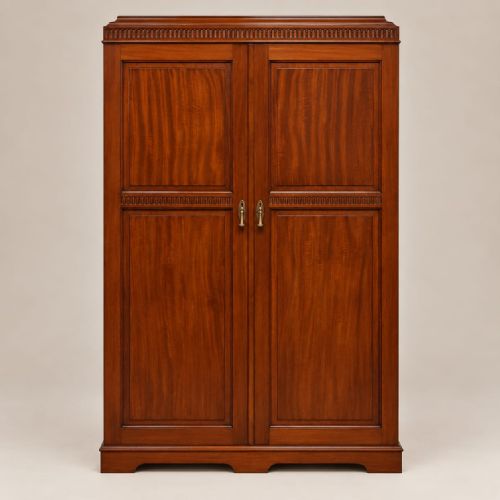
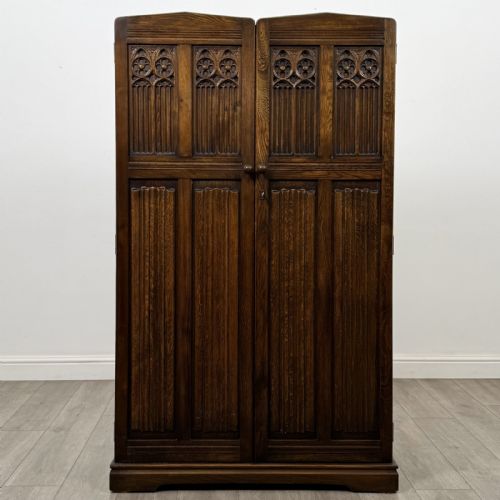
Vintage Double Door Cabinet
A vintage double door cabinet offers substantial storage and architectural presence, drawing on periods from the eighteenth century to the art deco era.
Vintage Double Door Cabinet
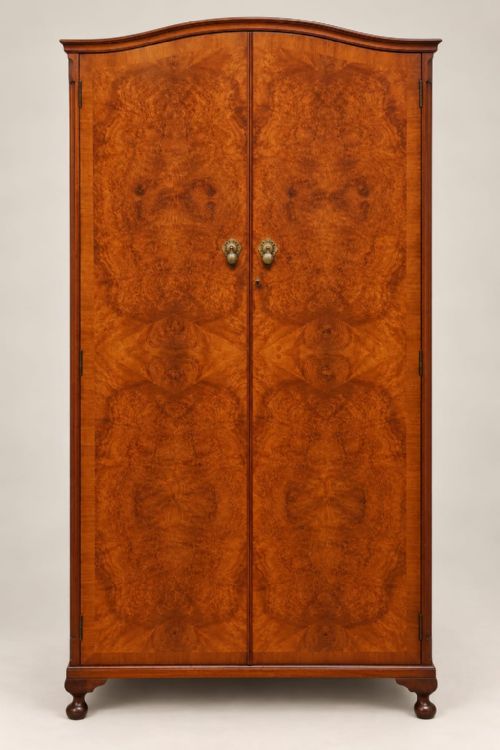
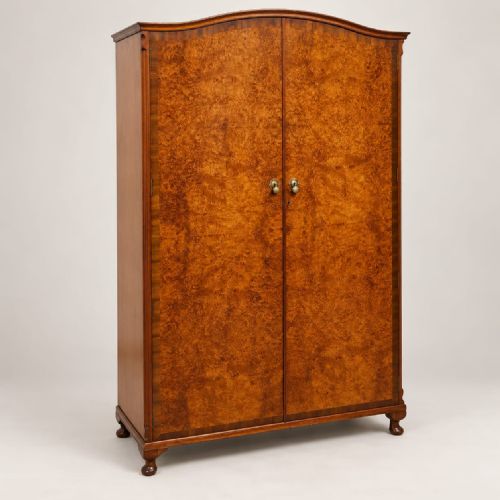
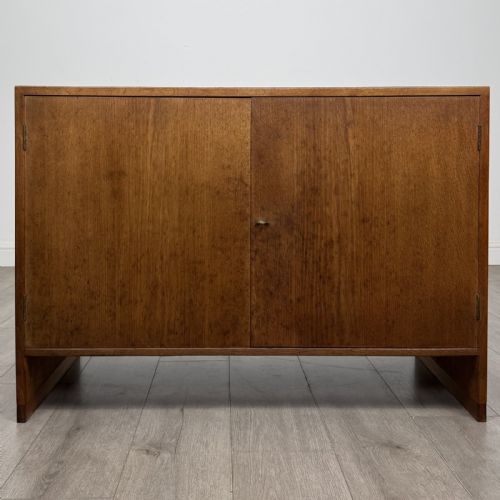
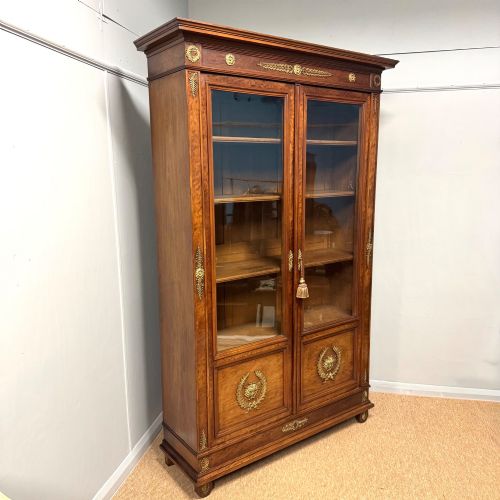
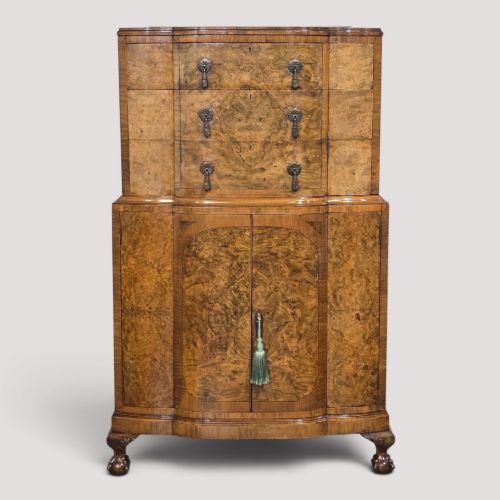
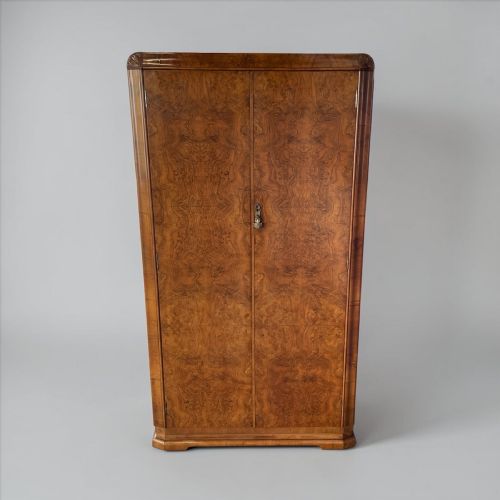
A vintage double door cabinet encompasses a wide variety of large storage pieces, including wardrobes, linen presses, armoires, cupboards, and bookcases. Buyers seeking this phrase encounter formats ranging from early Georgian mahogany side cabinets to twentieth-century art deco wardrobes.
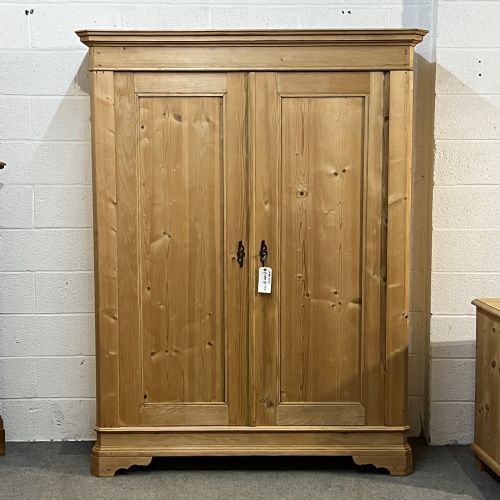
The selections span the eighteenth century, the Victorian period, and the early decades of the twentieth century. Common expressions include French provincial pine cupboards, burr walnut cocktail cabinets, and glazed bookcases.
Makers and manufacturers utilised diverse regional vernaculars, producing pieces that function as bedroom storage, hallway furniture, or display units. Each object provides paired doors opening to reveal shelved or hanging interiors.
Materials and Construction
Cabinet makers relied heavily on timber selections such as mahogany, walnut, oak, and pine. Finer pieces frequently incorporate burr walnut, birds-eye maple, or lacquered finishes to create decorative surface patterns.
Construction techniques include traditional panelled doors, glazed apertures, and occasionally tambour fronts. Hardware typically consists of brass fittings and locks suited to the scale of the double doors.
Vintage Double Door Cabinet Retail Price Guide 2026
Typical asking prices for vintage double door cabinet among the pieces listed under this phrase on Sellingantiques today, from the lower quarter to the upper quarter. They describe what is for sale here now, not the wider market.
Evaluating Quality
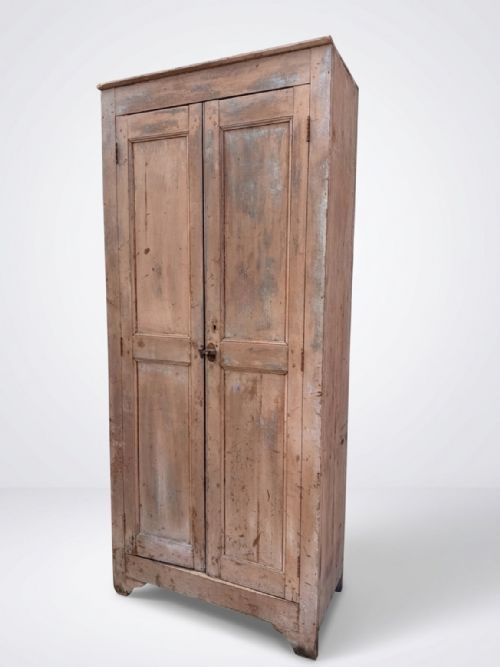
Quality rests upon the selection of timber veneers and the crispness of any applied carving or decorative detail. Solid mahogany and figured burr walnut examples represent a higher tier of craftsmanship compared to utilitarian painted pine storage.
Proportion and structural integrity separate standard utility items from finer formal pieces. Well-executed revival styles maintain accurate historical proportions and robust internal fittings.
The Vintage Double Door Cabinet Glossary
- Armoire
- A large double door cupboard or wardrobe used primarily for hanging garments or storing linens. These pieces often originate from France or continental Europe.
- Linen Press
- A tall storage cabinet featuring upper doors enclosing sliding trays for textiles, positioned above a chest of drawers base. Georgian and nineteenth-century examples are frequently constructed in mahogany.
- Chiffonier
- A low sideboard or cabinet developed during the nineteenth century, often featuring glazed or panelled doors below a shelved superstructure. They served as versatile serving and display units in domestic interiors.
- Vitrine
- A glass-fronted display cabinet designed for exhibiting porcelain, books, or curiosities. These cabinets utilise glazed double doors to protect contents while allowing maximum visibility.
- Compactum
- A fitted wardrobe combining hanging space, shelving, and internal drawers within a single carcass. Art deco and early twentieth-century versions demonstrate clever space-saving interior architecture.
Vintage Double Door Cabinet: Frequently Asked Questions
How do I style a large cabinet in a modern home?
Position the piece against a principal wall in a living room, dining area, or bedroom where its scale can anchor the spatial design. Allow adequate clearance for the double doors to open fully without obstructing walkways.
Use internal shelving to display curated collections of books or ceramics, or utilise the enclosed storage to conceal everyday items. Pairing traditional timber tones with neutral wall colours highlights the natural grain of the wood.
What is the difference between an armoire and a wardrobe?
An armoire generally refers to continental European cupboards featuring deep proportions and heavy architectural mouldings. They frequently originate from France and often utilise oak or walnut.
Wardrobes are typically British in origin and developed later to accommodate modern clothing lengths. Many vintage examples incorporate hanging rails alongside fitted internal drawers.
How should I care for antique wood surfaces?
Maintain timber finishes by dusting regularly with a soft, dry cloth and avoiding synthetic silicone sprays. Apply occasional applications of traditional beeswax to nourish aged mahogany, walnut, or oak.
Keep cabinets away from direct heat sources and strong sunlight to prevent timber shrinkage and veneer cracking. Stable indoor humidity preserves the structural integrity of historical joints and panel work.