






Period English Cabinet Chest
A period english cabinet chest brings centuries of timber and craftsmanship into a room, offering grand storage through walnut, oak and mahogany.
Period English Cabinet Chest
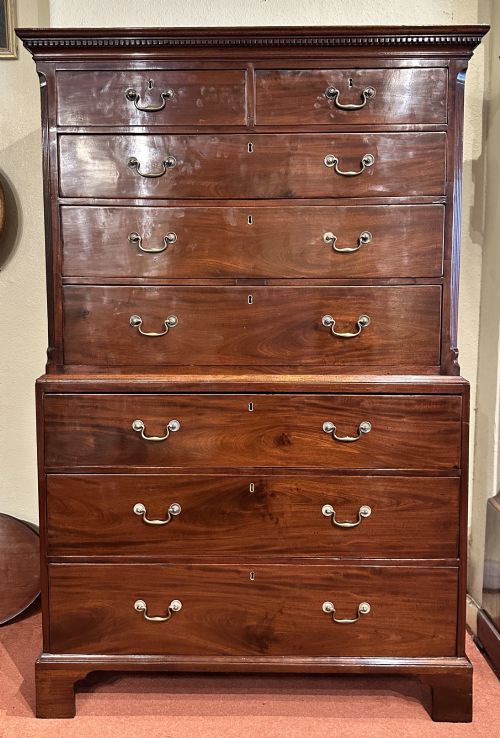
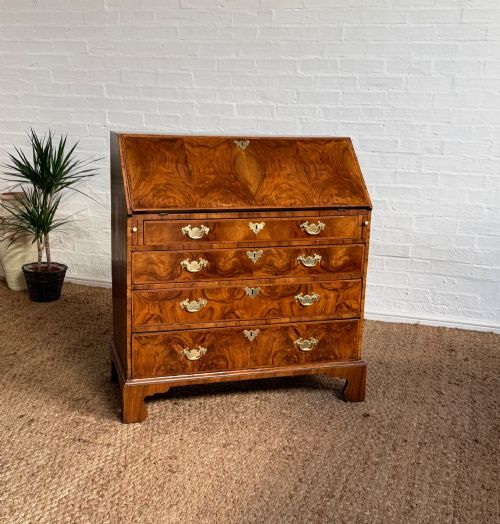
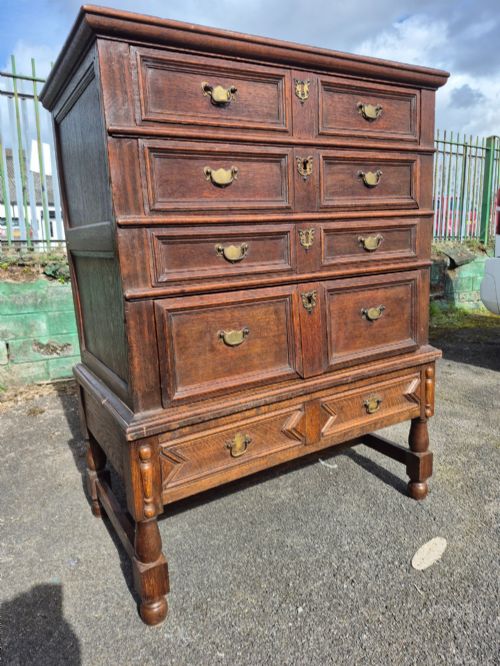
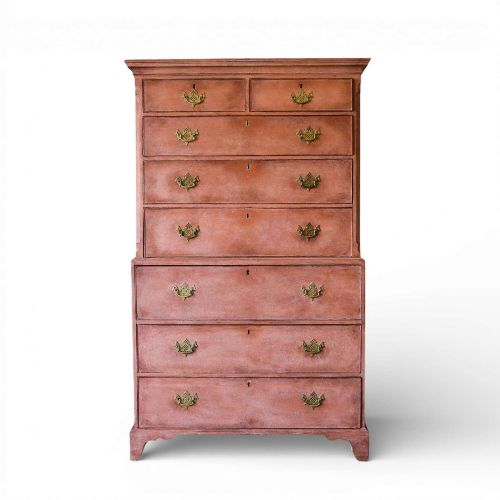
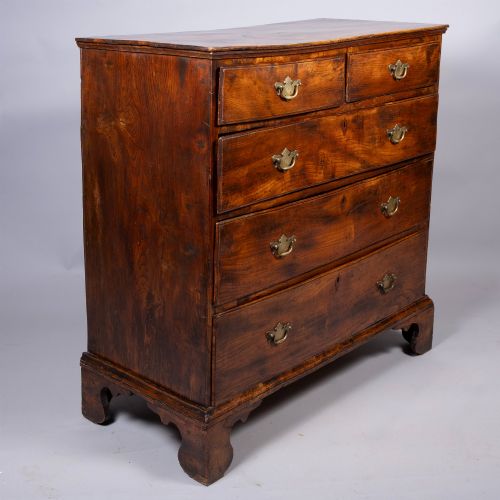
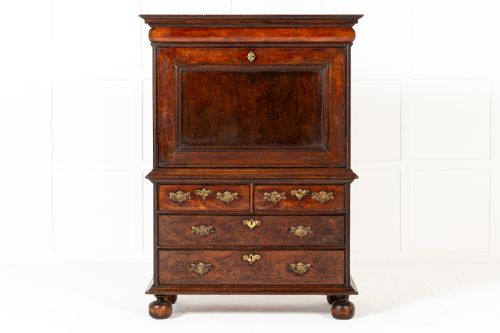
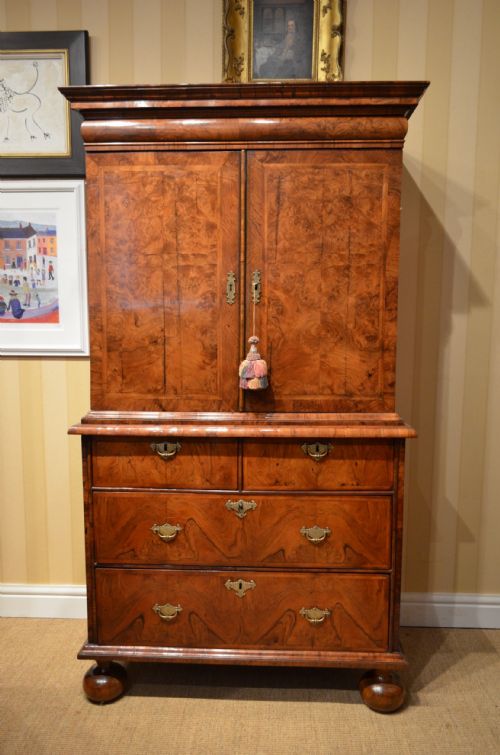
A period english cabinet chest spans centuries of domestic storage, from austere seventeenth-century oak and walnut pieces to refined Georgian and Regency iterations. Buyers seeking a period english cabinet chest encounter diverse forms, including robust chests on stands, towering chests on chests, bureaus, and fitted linen presses.
The material palette shifts across these eras, moving from native timbers like oak and elm to luxurious exotic veneers such as burr walnut, olivewood, and figured mahogany. Many examples incorporate specialised writing surfaces or secretaire drawers, reflecting the evolving functional demands of British households.
Earlier seventeenth-century examples often display oyster veneer and geometric inlay, while eighteenth- and nineteenth-century designs favour clean linear proportions, bow fronts, and classical mahogany grains. Each piece records the changing tastes of cabinet makers and the domestic requirements of their patrons.
Construction and Materials
Carpenters constructed these pieces using dense native and imported timbers, pairing structural carcases of oak with decorative outer faces of walnut, mahogany, and elm. Cabinet makers applied intricate veneers like oyster cut-outs and burr walnut sections onto secondary wood foundations.
Surface ornamentation relied heavily on natural wood grains, complemented by applied mouldings, cross-banding, and inlaid stringing rather than excessive carving. Drawers utilised side-hung or bottom-runner systems, fitted with cast brass drop handles and escutcheons.
Period English Cabinet Chest Retail Price Guide 2026
Typical asking prices for period english cabinet chest among the pieces listed under this phrase on Sellingantiques today, from the lower quarter to the upper quarter. They describe what is for sale here now, not the wider market.
Olivewood branches were sliced across like carrots to make oyster veneer, giving seventeenth-century cabinets floors that look permanently startled by tiny wooden eyes.
Judging Quality and Execution
Superior execution shows in the careful selection and book-matching of veneers, where grain patterns mirror each other across drawer fronts and cabinet doors. The integration of secondary woods, the precision of dovetail joints, and the retention of original brass hardware elevate an example.
Proportion and scale distinguish finer workshops from simpler provincial joinery, particularly in complex forms like cabinets on stands or tall chests on chests. The crispness of inlaid stringing and the stability of oyster veneered surfaces reflect the maker's technical mastery.
The Period English Cabinet Chest Glossary
- Chest on Stand
- A drawer-based storage unit elevated on a separate frame with legs. This form lifts the main body off the floor.
- Oyster Veneer
- Thin circular slices cut across small branches of olive or walnut to create swirling patterns. This technique was popular in the late seventeenth century.
- Secretaire
- A writing drawer that pulls out and drops down to reveal a fitted interior of small drawers and pigeonholes. It combines a chest with a desk.
- Bow Front
- A convex curved cabinet front popular during the Regency period. This shape softens the room's angles.
- Linen Press
- A tall wardrobe-like piece containing sliding trays for folded textiles above lower drawers. These cabinets kept household linens flat and organised.
Period English Cabinet Chest: Frequently Asked Questions
What is a cabinet on chest?
A cabinet on chest is a dual-section storage form featuring an upper cabinet mounted upon a lower chest of drawers or stand. These imposing pieces provided secure storage for documents, textiles, or valuables.
They emerged strongly during the seventeenth century in walnut and oak, showcasing decorative veneering and substantial proportions.
How do I identify William and Mary pieces?
William and Mary items typically feature rich walnut timbers, oyster veneer patterns, and geometric stringing. Their stands often incorporate inverted cup or trumpet turned legs.
Hardware usually consists of pierced brass drop handles mounted on small backplates, characteristic of the late seventeenth and early eighteenth centuries.
Where were these chests used?
These chests served primarily in principal bedchambers, withdrawing rooms, and studies of large British houses. They stored clothing, household linens, and private correspondence.
Desktop cabinets and cigar humidor cases sat upon larger tables or desks for intimate personal storage.
What is burr walnut?
Burr walnut is a decorative wood taken from the knot growths of walnut trees. It yields complex, swirling grain patterns highly prized by period cabinet makers.
It appeared frequently on cabinet fronts and drawer faces during the seventeenth and eighteenth centuries to create striking visual contrast.
How do I care for antique timber?
Keep antique timber pieces away from direct sunlight and sudden temperature shifts to prevent wood shrinkage and veneer lifting. Maintain stable indoor humidity levels.
Apply traditional beeswax occasionally to nourish the polished surface without building up synthetic residues.