



Vintage Dog Portrait Painting
A vintage dog portrait painting captures the distinct character of a cherished animal through the hand of an artist working in oil, pastel, or watercolour.
Vintage Dog Portrait Painting
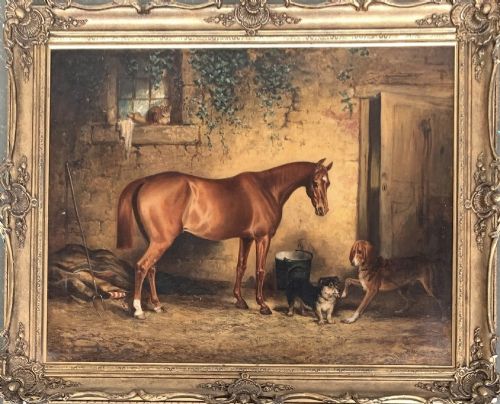
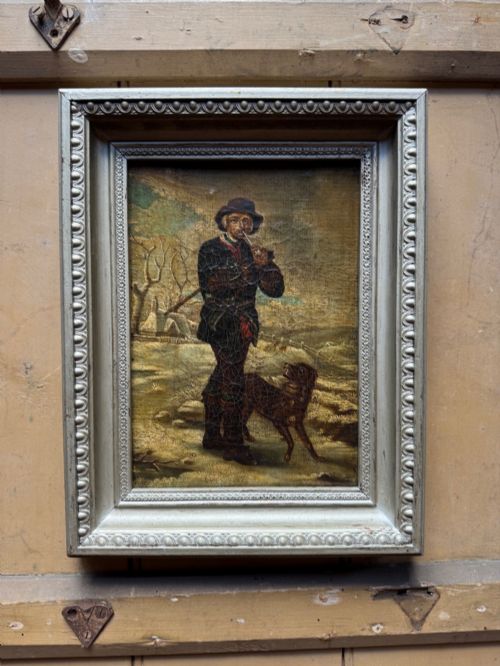
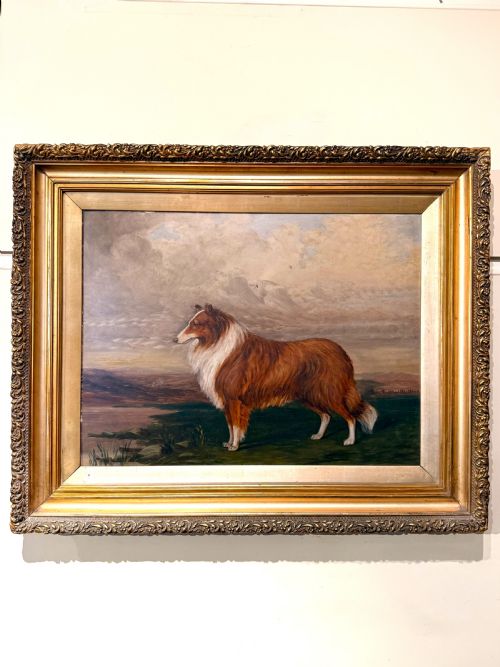
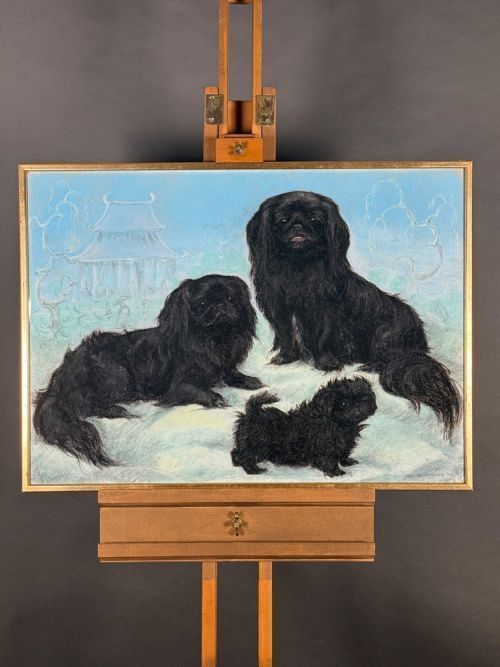
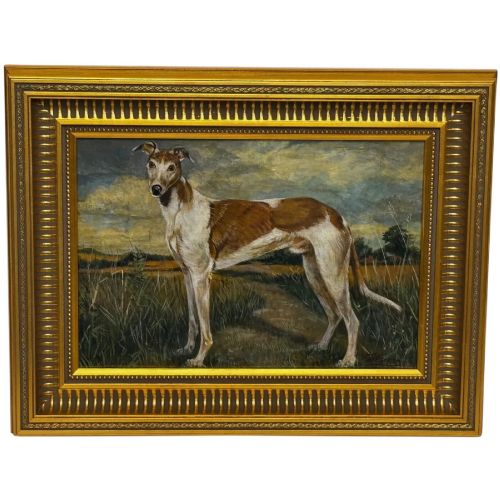
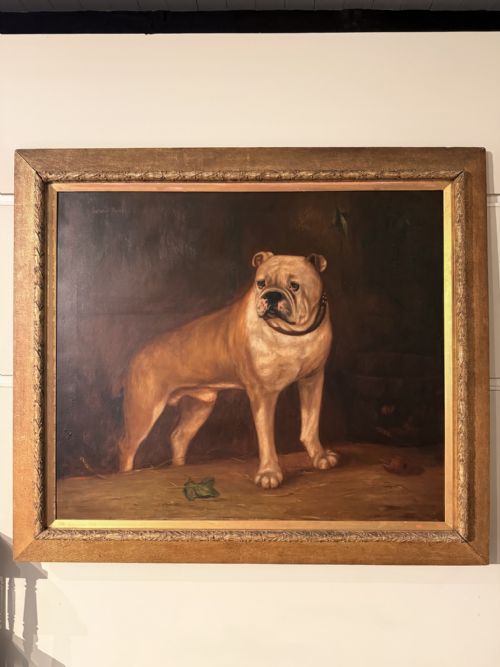
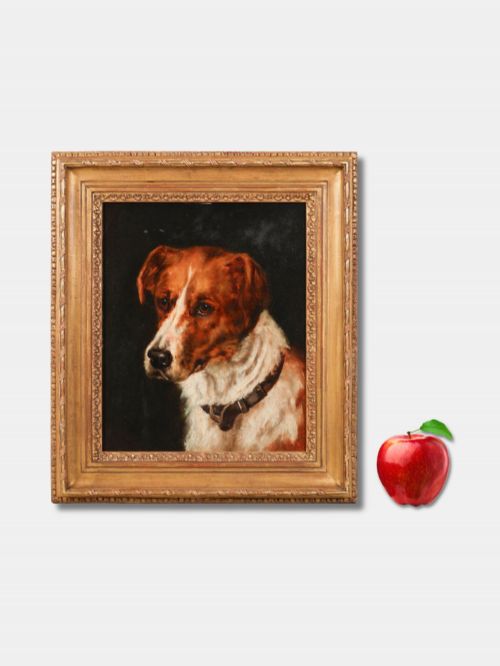
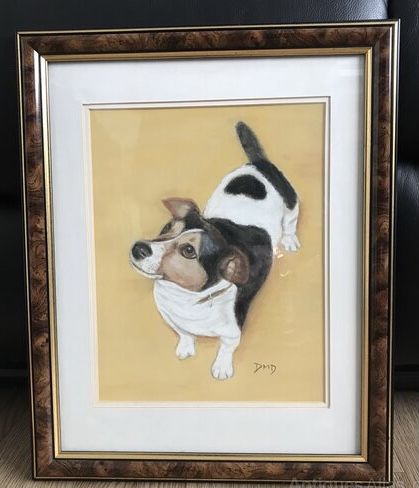
A vintage dog portrait painting is a framed artwork focusing on an individual animal or a group of hounds and pets, recorded from life or as a study. When searching this phrase, a buyer encounters works spanning the nineteenth century through the mid-twentieth century, encompassing both professional academic portraits and naive studies.
The most common examples on this page are oil paintings on canvas or board, alongside watercolours and pastels under glass. These pieces originate from British, French, and American schools, depicting working dogs like terriers and collies as well as sporting packs in landscapes.
Materials and technique
Artists relied primarily on oil paint applied to canvas or wood board, building up the texture of fur and coats with layered brushstrokes. Others utilised watercolour and pastel on paper, capturing finer details of expression under protective glass.
Gilt and giltwood frames complete many of these works, providing a decorative enclosure that complements the traditional subject matter.
The listings on this page span the Victorian era through the mid-twentieth century, utilising oil, watercolour, and pastel on canvas, wood, and paper.
What separates works within this range
Anatomy and proportion separate a skilled handling of a subject from a rigid or naive depiction, particularly in the rendering of a dog's pose and expression. The integration of the animal within its landscape or interior setting also defines the level of accomplishment.
The handling of light across the coat and the depth achieved in the background distinguish a signed or attributed academic painting from a simpler decorative copy.
Henry Barraud·John Emms·John Frederick Herring Senior·Thomas Hicks·Arthur Wardle·William Barraud·Sir Edwin Landseer·Henri Schouten
The Vintage Dog Portrait Painting Glossary
- Oil on Canvas
- Pigment mixed with drying oil applied to a woven fabric support stretched over a wooden frame. This medium allowed artists to achieve rich textures and deep tones.
- Oil on Board
- Pigment applied to a rigid wooden panel or stiff board rather than fabric. It provides a stable surface often used for smaller studies.
- Pastel on Paper
- A dry medium composed of powdered pigment and a binder pressed into sticks, drawn directly onto paper. It produces a soft, velvety surface that requires framing under glass.
- Watercolour
- Pigments suspended in a water-soluble vehicle, applied in transparent washes to paper. This technique creates luminous effects suited to lighter compositions.
- Giltwood
- Wood carved and coated with a thin layer of gold leaf or metallic powder. It frames many traditional portraits with a bright reflective finish.
Vintage Dog Portrait Painting: Frequently Asked Questions
How do I date a dog painting?
Dating relies on stylistic clues, framing methods, and the type of canvas or board used by the artist. Signatures and inscriptions on the reverse often provide specific years or periods.
Clothing styles of any human figures present in the scene also help narrow down the decade of creation.
Where should I hang a dog portrait?
These works suit traditional living spaces, studies, or hallways where they can be viewed at eye level. Pairing them with other framed artwork creates a classic gallery wall arrangement.
Direct sunlight should be avoided to protect oil paints and paper works from fading over time.
Are these paintings original works?
Most listings feature original hand-painted works in oil, watercolour, or pastel created by period artists. Some historical examples represent period copies after well-known animal painters.
Checking the medium and surface texture reveals the direct hand of the artist.
How do I care for framed watercolours?
Watercolours and pastels under glass require protection from moisture and direct sunlight to preserve the paper and pigments. Stable indoor humidity prevents the paper from warping inside the frame.
Dust the frame gently with a dry cloth without applying pressure to the glass surface.