


Vintage Display Hand
These items sold under vintage display hand bring together cabinet plates, bowls, and jars from periods ranging through the eighteenth, nineteenth, and twentieth centuries.
Vintage Display Hand
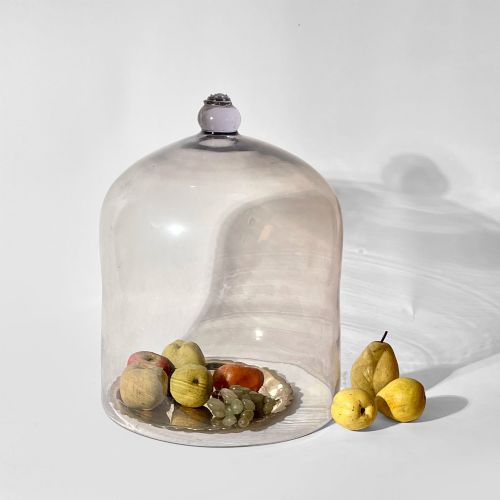
A vintage display hand search brings up cabinet plates, decorative bowls, vases, decorative chargers, apothecary jars, and sculptures spanning the eighteenth century to the Showa period. Buyers find domestic and display vessels shaped by Japanese Imari, Art Deco, Edwardian, Georgian, Victorian, Rococo Revival, Dutch Baroque, and traditional English tastes.
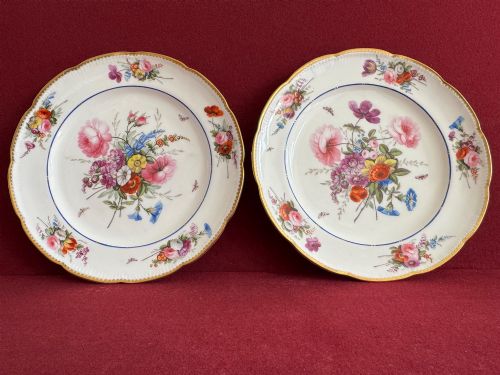
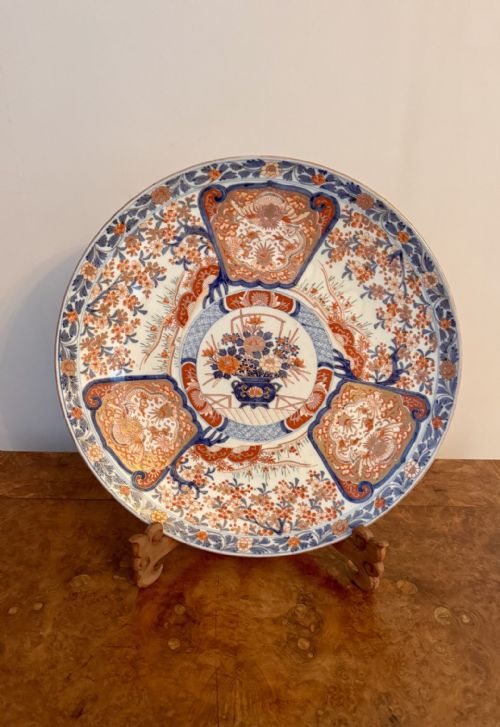
The objects most frequently met on this page include porcelain and ceramic cabinet plates alongside large earthenware chargers and glass apothecary jars. Makers such as Royal Worcester and Royal Crown Derby appear among English wares, alongside Japanese Imari porcelain bowls and dishes from the Meiji period.
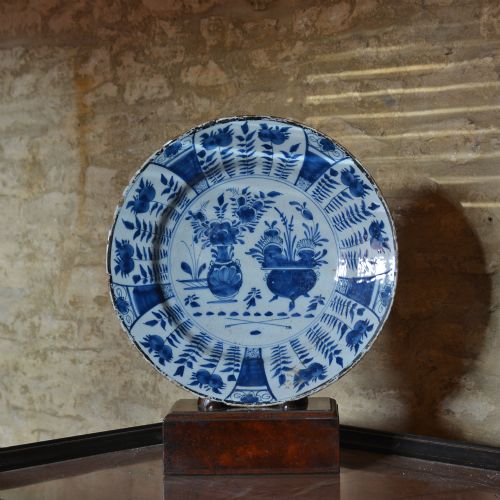
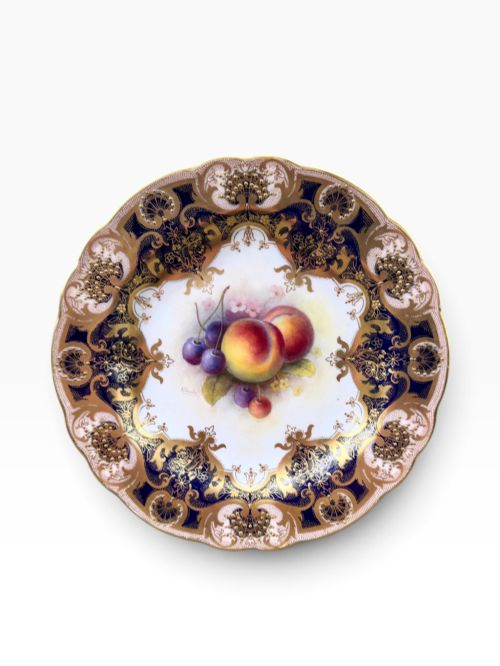
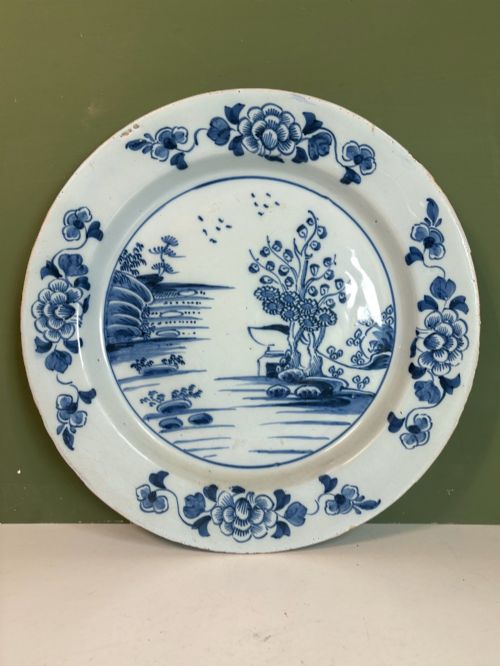
Origin and date dictate the character of each piece, moving from eighteenth-century Delft chargers to twentieth-century painted fruit plates. The selection captures both utilitarian apothecary storage and decorative display items intended for visual impact.
Materials and Technique
Makers shaped these pieces from porcelain, bone china, ceramic, white glass, walnut, and mahogany, applying paint, enamel, and gold leaf alongside gilding. Ceramic surfaces receive hand-painted floral or figural decoration, while wooden forms display hand carving and multi-tier construction.
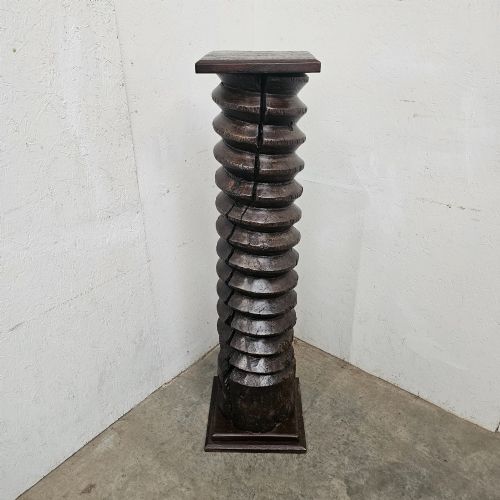
Firing techniques in porcelain and pottery allowed for intricate underglaze and overglaze decoration, seen in Imari palettes and Royal Worcester fruit studies. Glass apothecary jars utilise heavy moulded forms with fitted covers, while wood pieces rely on traditional joinery and screw threads.
Vintage Display Hand Retail Price Guide 2026
Typical asking prices for vintage display hand among the pieces listed under this phrase on Sellingantiques today, from the lower quarter to the upper quarter. They describe what is for sale here now, not the wider market.
Kitchen game hook racks from the early nineteenth century hung up pheasants and hares before dinner.
Distinctions in Standard
Quality separates through the crispness of hand-painted detail, particularly on porcelain cabinet plates where named artists executed botanical or fruit subjects. The precision of the brushwork and the vibrancy of the enamel or gold leaf determine the standing of each plate.
For ceramic chargers and apothecary jars, condition of the glaze and clarity of transfer or hand-painted motifs define the grade. Substantial glass weight and well-preserved surface gilding mark out the more accomplished examples across all periods.
Royal Worcester·Royal Crown Derby·Koshida·John Ford
The Vintage Display Hand Glossary
- Cabinet plate
- A decorative plate intended for display rather than dining use. These often feature hand-painted scenes or rich gilding.
- Imari
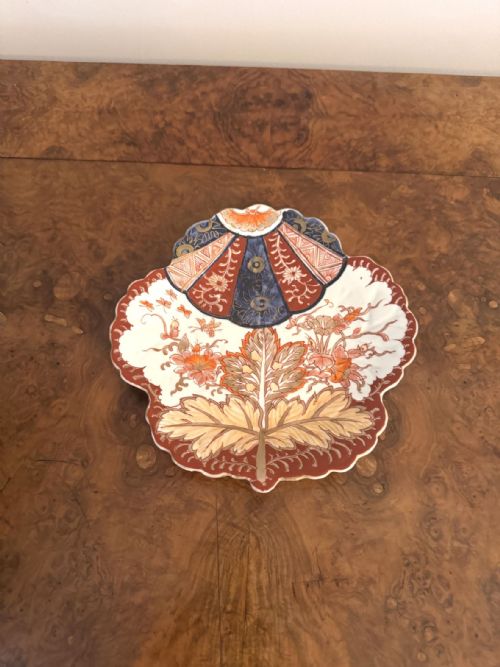
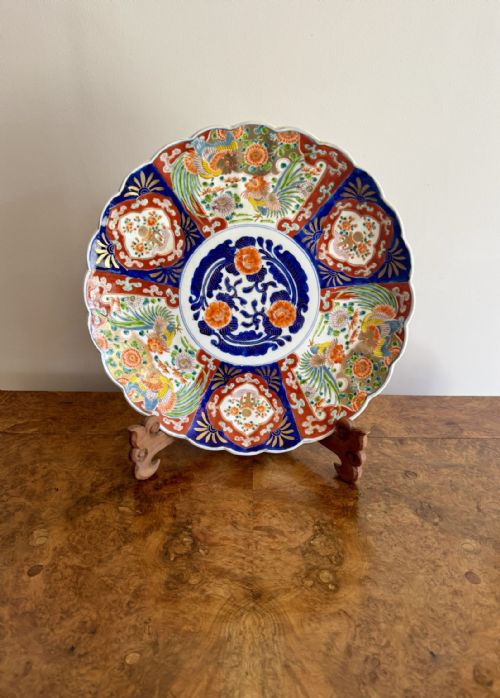
- A style of Japanese porcelain featuring a characteristic palette of cobalt blue, iron red, and gold. The tradition influenced European makers during the eighteenth and nineteenth centuries.
- Apothecary jar
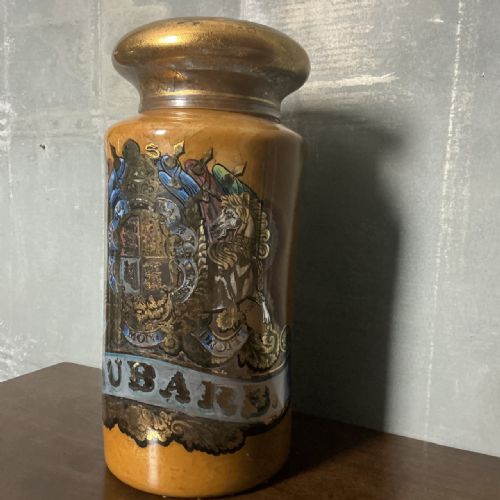
- A glass or ceramic vessel used by chemists to store ingredients, herbs, or medicines. Large examples often feature painted labels or ground glass covers.
- Charger
- A large decorative plate or dish used primarily for display on a wall or sideboard. They appear in tin-glazed earthenware and porcelain.
- Étagère
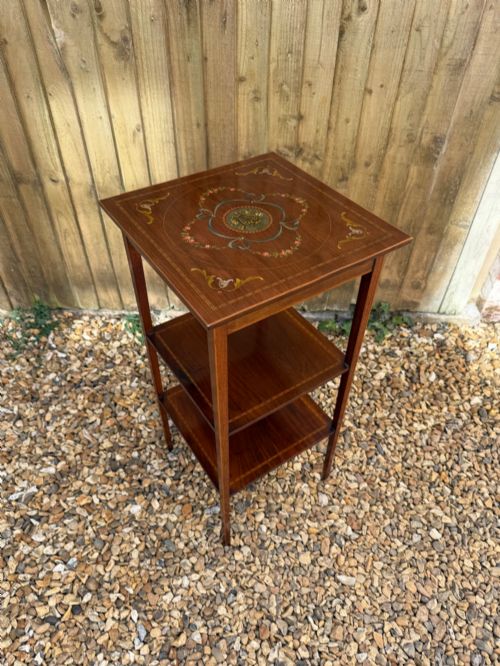
- A piece of furniture consisting of open shelves for displaying small objects or ornaments. These usually have multiple tiers and painted or polished wooden surfaces.
Vintage Display Hand: Frequently Asked Questions
What are cabinet plates?
Cabinet plates are decorative ceramic items produced specifically for display in cabinets or on walls rather than for serving food. They often showcase detailed hand-painted scenes by named artists.
These pieces frequently feature rich gilding and specialised enamel work that would not withstand regular use or washing. Collectors prize them for their artistic merit and connection to notable porcelain factories.
How were apothecary jars used?
Apothecary jars served as storage containers in chemists and pharmacies for holding dry drugs, roots, herbs, and liquid medicines. Their heavy glass or ceramic construction protected contents from light and moisture.
Large display jars often stood on shop counters or in windows with painted labels indicating the contents. Today they function as interior decoration in domestic settings.
How do I identify Japanese Imari?
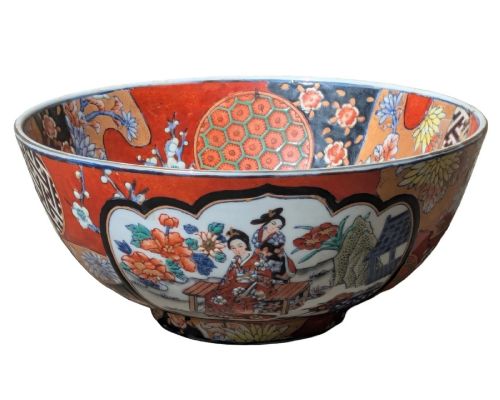
Japanese Imari porcelain is recognisable by its distinct colour palette, typically combining underglaze cobalt blue with iron red and gilt details overglaze. The patterns often incorporate floral and brocade motifs.
Pieces range from early Meiji period bowls to chargers and dishes, showing a strong visual influence from traditional Japanese design combined with export sensibilities.
Where were painted fruit plates made?
Painted fruit plates were produced by major English porcelain factories, most notably Royal Worcester during the late nineteenth and twentieth centuries. Master artists painted botanical studies directly onto the porcelain surface.
These plates often bear artist signatures such as Richard Sebright or Albert Shuck on the front or reverse. Their dates of manufacture are frequently recorded in factory backstamps.