
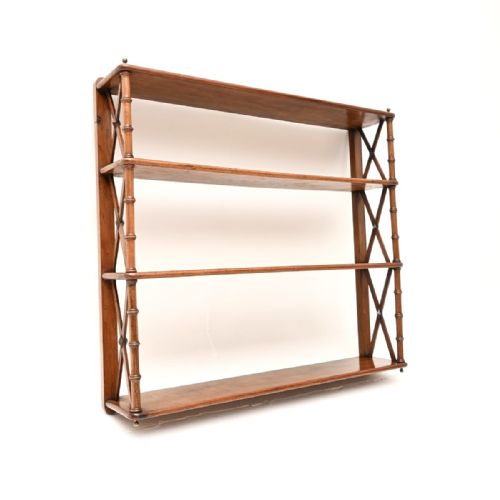
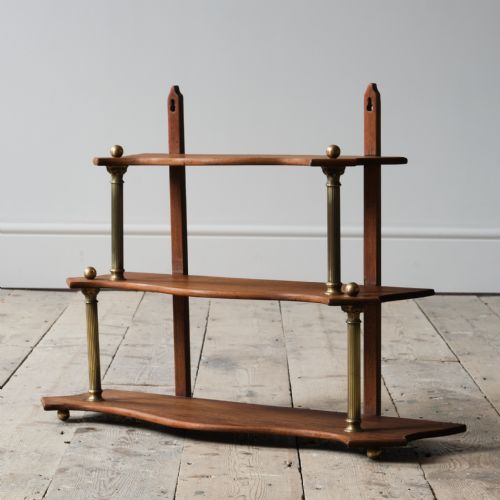
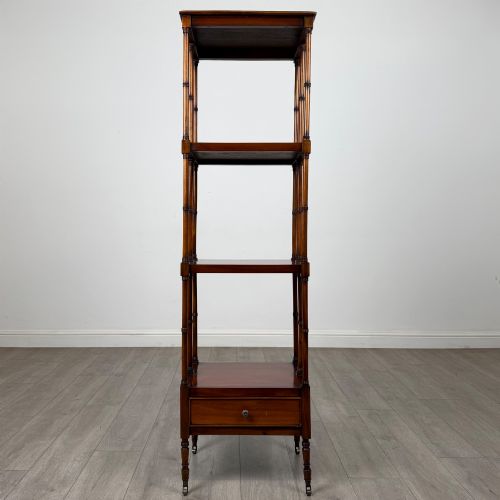
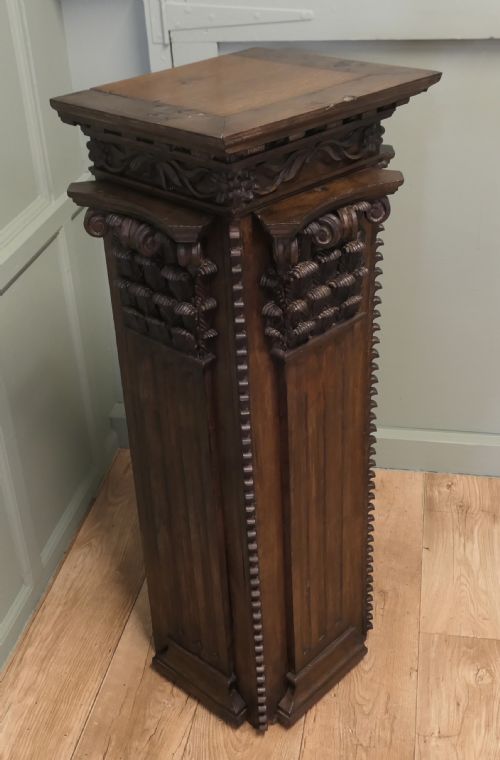

Vintage Display Columns
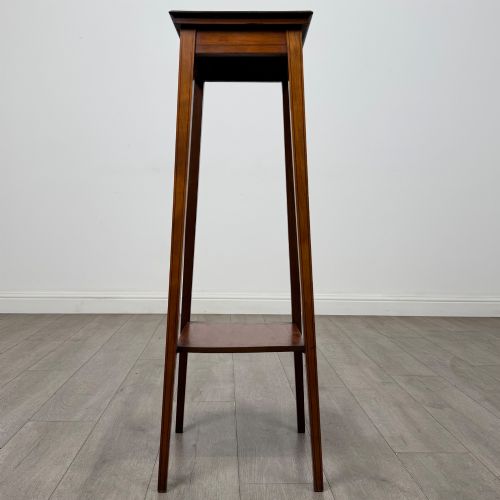
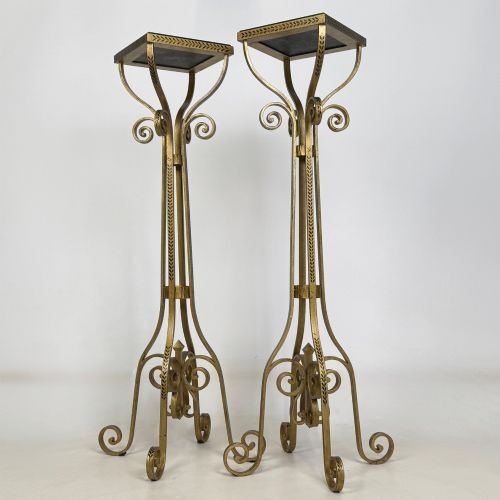
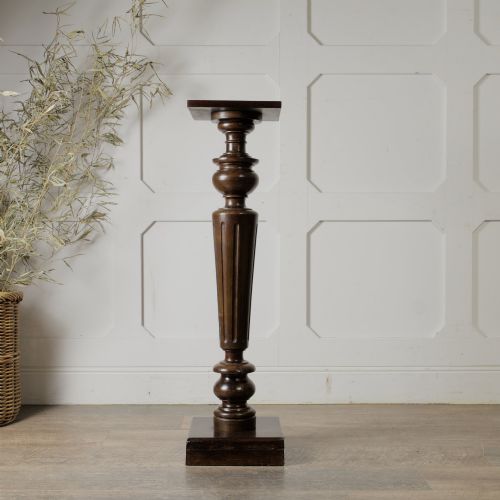
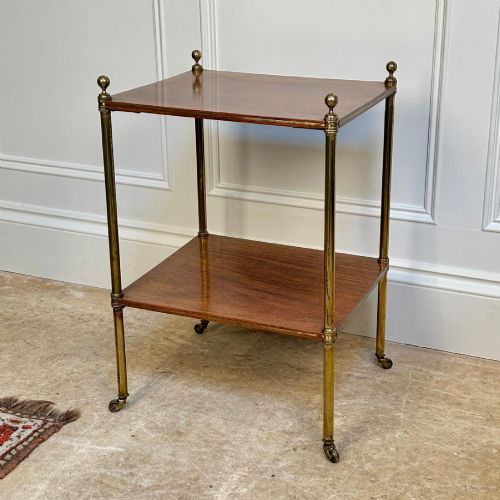
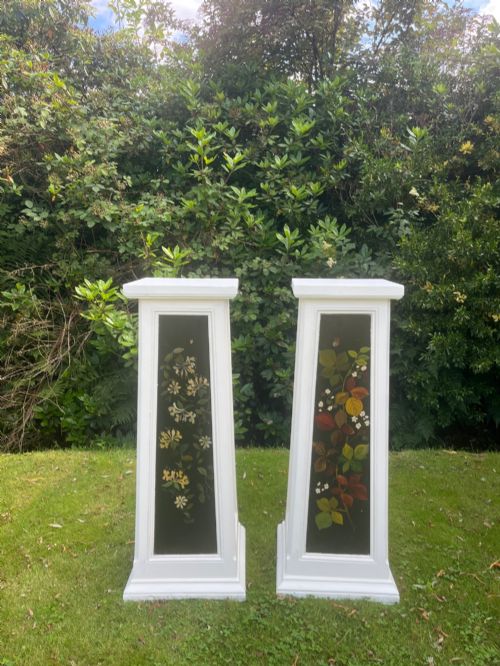
These vintage display columns raise sculpture, porcelain and plants above the floor to catch the eye.
Vintage Display Columns
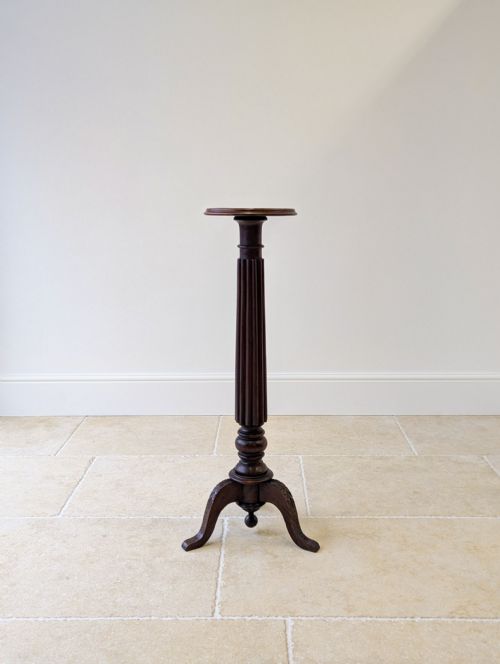
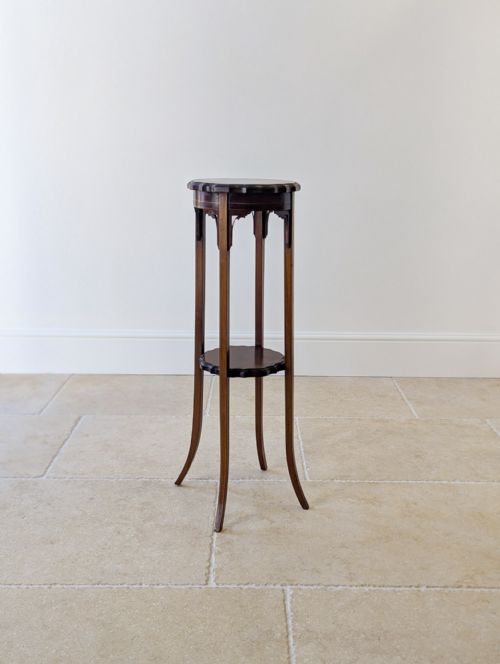
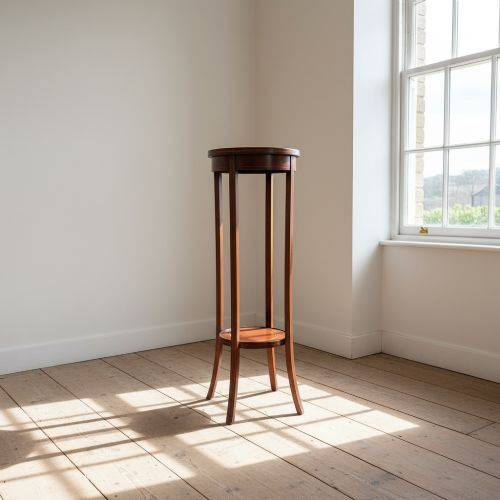
Vintage display columns lift decorative objects into the room, drawing the eye upward and altering the scale of a corner or mantel. Buyers look for sturdy vertical platforms that hold heavy marble busts, bronze figures or trailing potted plants without wobble.
The pieces listed here span the nineteenth and twentieth centuries, taking the form of tall pedestals, torchères, plant stands and architectural columns. Mahogany, oak and walnut feature heavily alongside marble tops, brass mounts and painted plaster.
Originating in grand country houses and formal drawing rooms, these vertical stands bring classical proportion into domestic spaces. A collector encounters both simple turned timber shafts and elaborately carved French or neoclassical designs.
How they were made
Cabinetmakers constructed these columns using dense timbers like mahogany, walnut and oak, often employing lathe-turning for slender shafts and pedestals. Solid wood foundations ensured the stability needed to support heavy stone or cast metal.
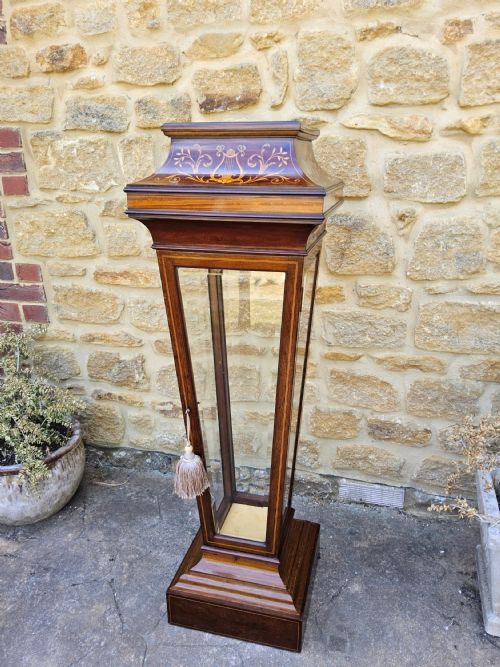
Surface ornament relied on marquetry inlay, gilt brass mounts and hand-carved details such as fluting and acanthus leaves. Marble and onyx inserts provided durable, cool surfaces specifically designed to withstand the weight and moisture of planters and statuary.
Antler surfaces appear among the timber and marble, reminding us that country house decor once embraced the woodland inside.
What varies in quality
Quality rests upon the structural integrity of the central shaft and the weight distribution of the base. A superior column remains perfectly balanced even when topped with a heavy marble bust or a large ceramic jardinière.
The refinement of the carving and the quality of the secondary materials set the better pieces apart. Crisp hand-chiselled brass mounts, genuine variegated marble tops and finely figured veneers elevate an ordinary stand into a piece of fine furniture.
Shoolbred
The Vintage Display Columns Glossary
- Torchère
- A tall, slender stand designed specifically to hold a light source, plant or decorative figure. These pieces typically feature a small circular top supported by a single turned or carved pillar.
- Plinth
- A heavy rectangular or square base that supports a column, pedestal or bust. It provides the necessary ground stability for taller vertical displays.
- Jardinière
- An ornamental pot or stand intended to hold plants or flowers indoors. They frequently incorporate waterproof liners or marble tops to protect the surrounding woodwork.
- Vitrine
- A glass-fronted cabinet or display stand used to exhibit delicate porcelain and small collectables. These pieces protect objects from dust while offering visibility from multiple angles.
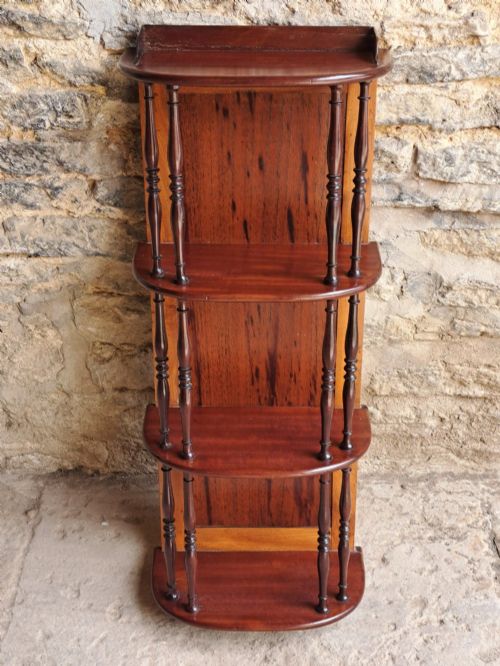
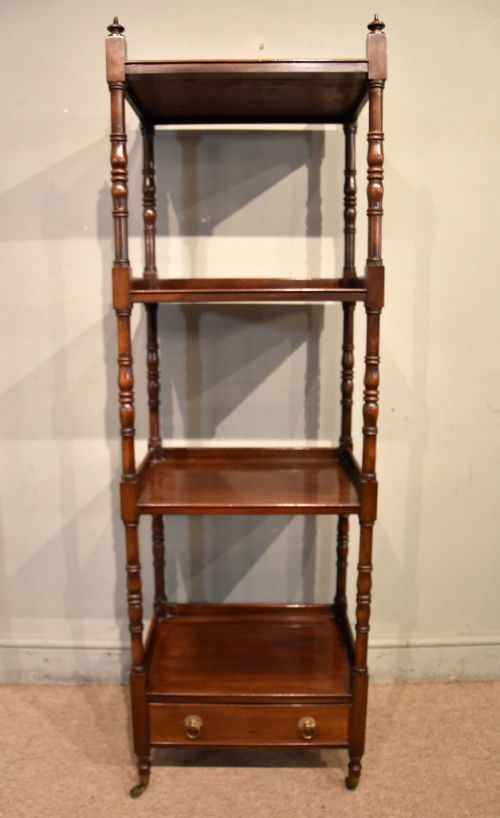
- Whatnot
- A multi-tiered set of open shelves used for displaying ornaments and books. They became popular in the nineteenth century for organising parlour collections.
Vintage Display Columns: Frequently Asked Questions
What fits on a display column?
These vertical stands suit heavy marble busts, bronze figures, ceramic planters and decorative vases. The flat top accommodates items that benefit from being raised off the floor and viewed in isolation.
Larger torchères and plant stands also hold trailing greenery or bronze lamps. The key is matching the diameter of the display surface to the footprint of the object.
How do I stabilise a tall column?
Place the stand on an even floor surface away from heavy foot traffic or swinging doors. Heavier stone bases require no extra support, but lighter timber pedestals benefit from being positioned squarely in a corner.
Ensure any heavy object placed on top centres its weight directly over the vertical axis of the shaft. Avoid thick carpets that cause the base to rock.
How do I clean marble tops?
Wipe marble and onyx surfaces with a soft, damp cloth using plain warm water. Avoid acidic household cleaners or abrasive scouring powders that etch or dull the polished stone.
Dry the surface immediately afterwards with a clean microfiber cloth to prevent water spots. Natural stone benefits from occasional specialist sealing.
How do I date a wooden column?
Examine the timber species, construction joints and surface wear to determine the age of a piece. Earlier nineteenth-century examples often feature dense, dark mahogany or hand-turned oak with patinated wax finishes.
Twentieth-century versions introduce lighter satinwoods, simpler machine turning and alternative joinery. Comparing the decorative motifs, such as neoclassical reeding or Edwardian inlay, helps narrow down the period.