
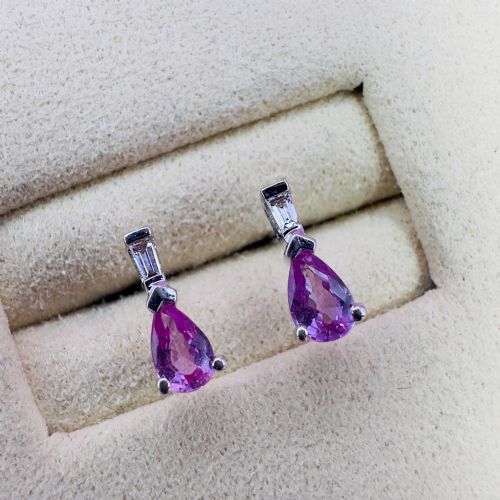


Vintage Diamond Stud Earrings
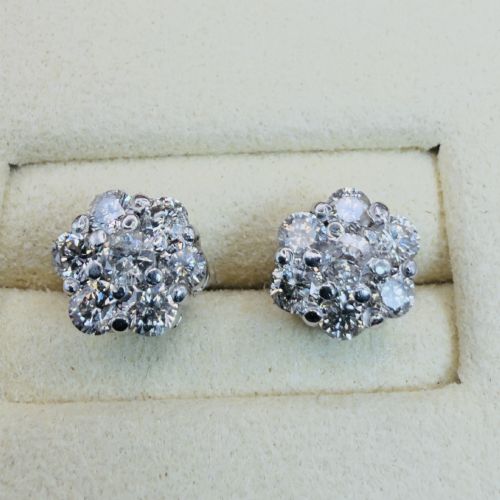
Vintage diamond stud earrings bring together enduring gemstones and mid-century or earlier metalwork, offering a subtle sparkle that suits daily wear.
Vintage Diamond Stud Earrings
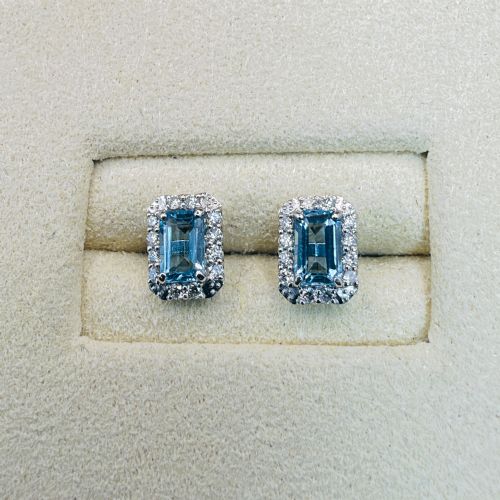
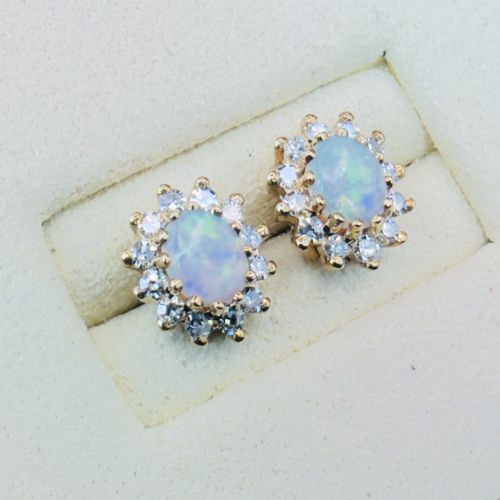
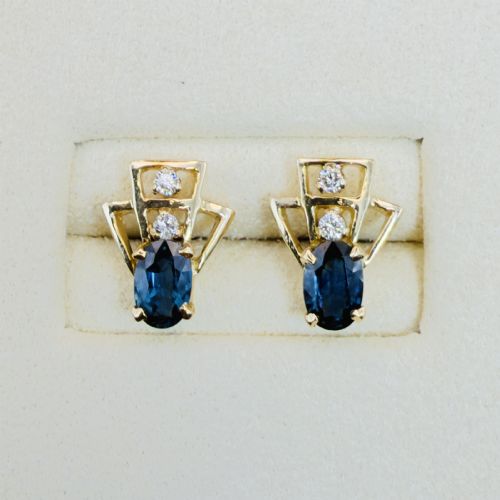
Vintage diamond stud earrings encompass classic solitaire designs and elaborate cluster arrangements set with central stones. When browsing vintage diamond stud earrings, buyers encounter pieces originating from the Victorian and Edwardian eras through to the Art Deco, Retro, and Mid-Century periods.
How They Were Made
The construction of these pieces relies on precious metals such as platinum, 18ct white gold, and yellow gold, which provide durable housings for the stones. Master jewellers utilised traditional techniques like claw settings, bezel mounts, and detailed cluster arrangements to secure brilliant, single, and old cut diamonds.
Many items incorporate contrasting metals, pairing white gold or platinum with yellow and rose gold bases to enhance the visual depth of the central gems. The integration of accent gemstones, including pearls and rubies, demonstrates careful hand-assembly typical of twentieth-century workshops.
The listings show periods spanning from Victorian and Edwardian eras through Art Deco and Mid-Century Modern designs, predominantly worked in 18ct white gold and platinum.
What Varies in Quality
Quality differences emerge in the precision of the stone cutting and the symmetry of the cluster arrangements, where uniform facet alignment elevates a piece. Superior examples display secure, finely worked settings that protect the girdle of each diamond without obscuring its light return.
The choice of supporting metal also dictates the overall standard, with heavy platinum and solid 18ct gold mountings indicating higher manufacturing investments than lighter 9ct alternatives. Furthermore, the clarity grades and original matching of companion gemstones reflect the care taken during initial production.
The Vintage Diamond Stud Earrings Glossary
- Cluster
- A setting style where a central diamond or coloured gemstone is surrounded by a border of smaller accent stones. This arrangement maximises surface brilliance and creates a larger visual presence on the ear.
- Old cut
- A historic diamond cutting style predating modern brilliant cuts, characterised by a smaller table, higher crown, and open culet. These stones display a distinctive soft candlelit glow rather than sharp modern fire.
- Platinum
- A dense, silvery-white precious metal prized for its strength and hypoallergenic properties. It allows jewellers to create delicate yet secure settings for fine diamonds.
- Screw back
- A threaded earring post paired with a matching backing nut that winds securely into place. This mechanism offers extra security for heavier cluster and drop designs.
- Solitaire
- A mounting featuring a single isolated gemstone as the focal point. It represents a traditional approach to stud earrings that highlights the individual qualities of the stone.
Vintage Diamond Stud Earrings: Frequently Asked Questions
How do I care for vintage diamond earrings?
Clean these pieces gently using warm soapy water and a soft brush to remove everyday oils from beneath the settings. Avoid harsh ultrasonic cleaners, particularly when dealing with softer accent stones like emeralds or opals.
Store each pair separately in a lined box to prevent metal friction and potential scratching of softer gold components. Periodic inspection of the claws by a professional jeweller ensures the security of the stones.
What is the difference between old cut and modern diamonds?
Old cut diamonds feature hand-cut facets tailored under candlelight, resulting in broader flashes of light and distinctive high crowns. Modern brilliant cuts utilise standardised mathematical proportions designed to maximise direct return.
Victorian and Edwardian pieces almost exclusively utilise these historic cuts, which contribute significant charm and historical authenticity to the jewellery.
Are screw back earrings suitable for daily wear?
Screw backs provide a reliable fastening method that reduces the risk of losing valuable vintage pieces during active movement. The threaded post requires careful alignment when putting them on, but offers superior security compared to standard friction backs.
Many mid-century designs utilise this mechanism specifically to support the weight of heavier cluster arrangements.
How can I identify the period of my earrings?
Dating relies heavily on metal composition, gemstone cutting styles, and the specific architecture of the setting mount. Art Deco pieces display geometric symmetry and platinum usage, while Victorian examples often feature rose gold and lower carat yellow gold bases.
Maker marks, hallmark stamps, and overall design motifs further assist in narrowing down the decade of production.