
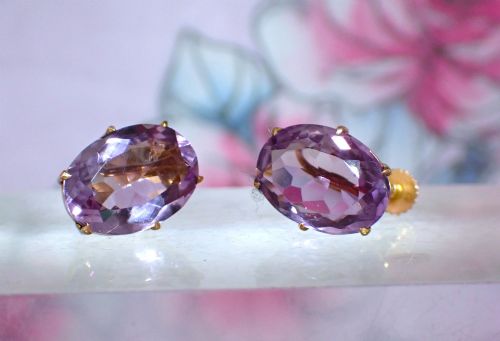

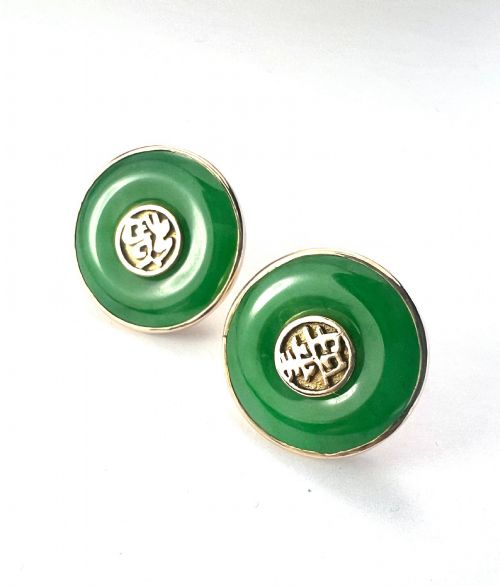
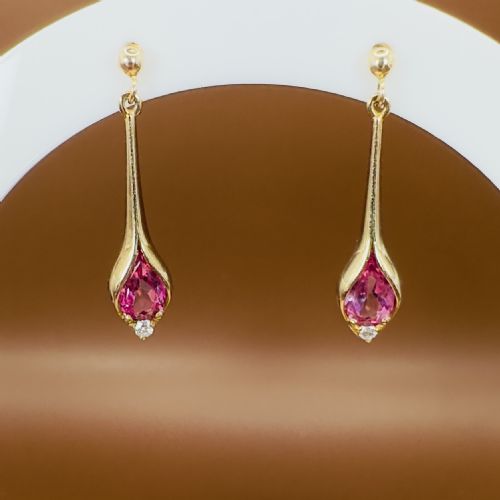
Gold Stud Earrings
When you search for gold stud earrings, you encounter compact lobes and drops spanning Georgian, Victorian, and mid-century modern design.
Gold Stud Earrings
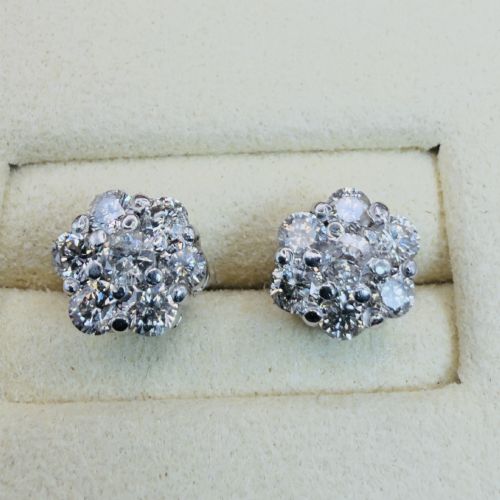
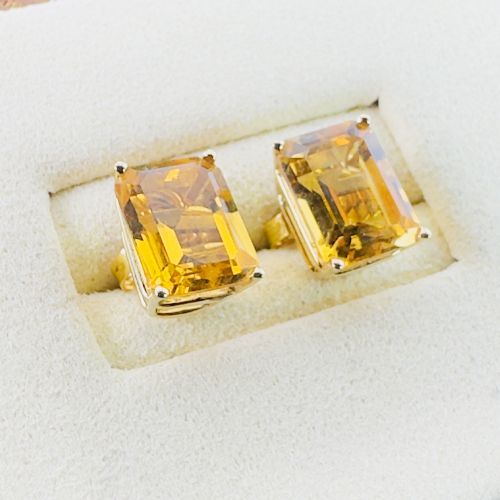
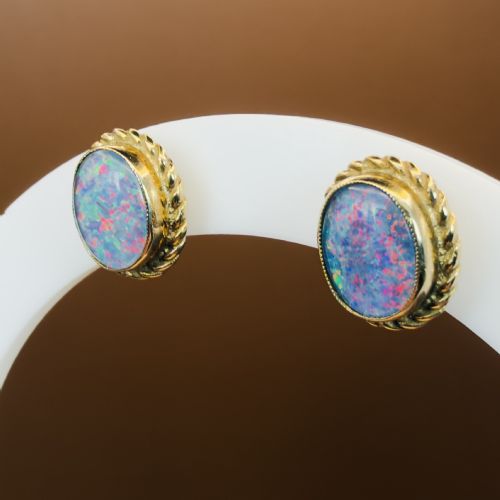
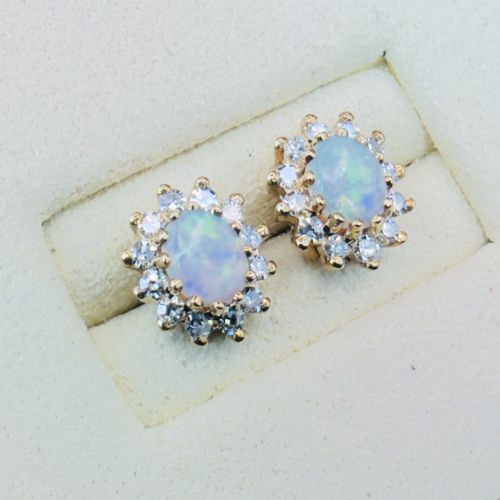
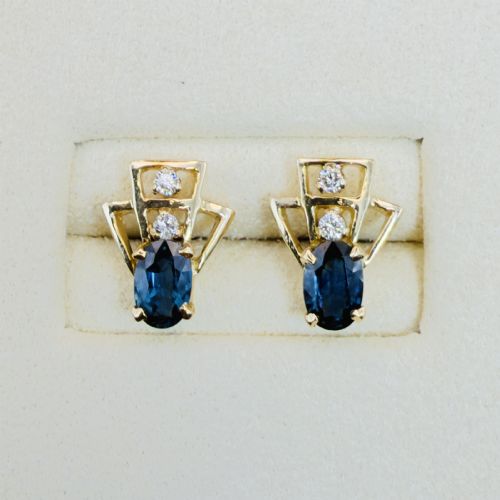
Gold stud earrings provide compact daily wear through simple settings that rest directly against the earlobe. When you examine this selection, you find varieties ranging from single gemstones to intricate cluster configurations.
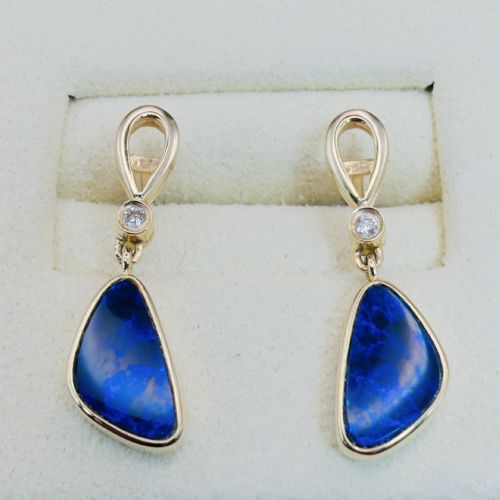
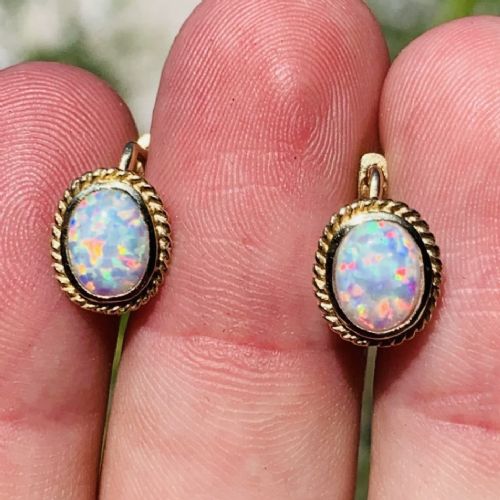
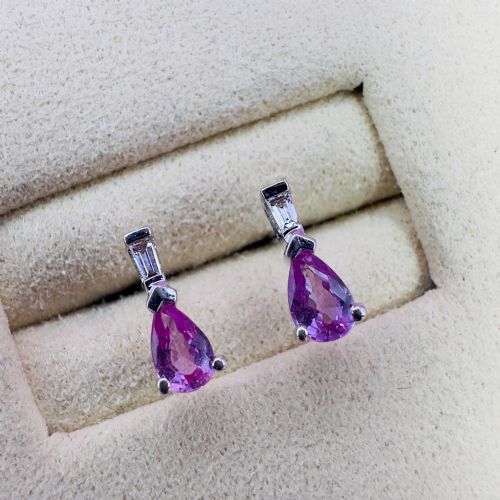
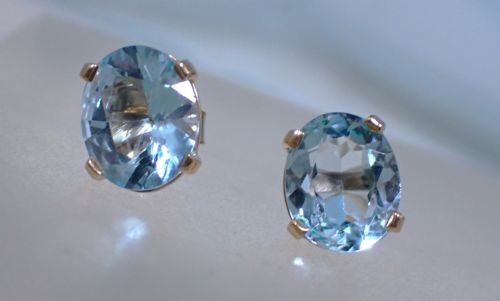
The assortment on this page draws heavily from mid-century, Art Deco, and Victorian periods. You encounter straightforward metal buttons alongside elaborate formations set with diamonds, opals, and sapphires.
Earrings in this category span multiple gold purities, predominantly 9ct, 14ct, and 18ct variants in yellow and white forms. Many historic examples utilise screw backs rather than modern butterfly posts to secure the piece.
Materials and construction
Goldsmiths constructed these pieces using 9ct, 14ct, and 18ct gold, often shaping the metal into bezels, prongs, or floral cluster frames. Platinum also appears alongside white gold in certain twentieth-century diamond settings.
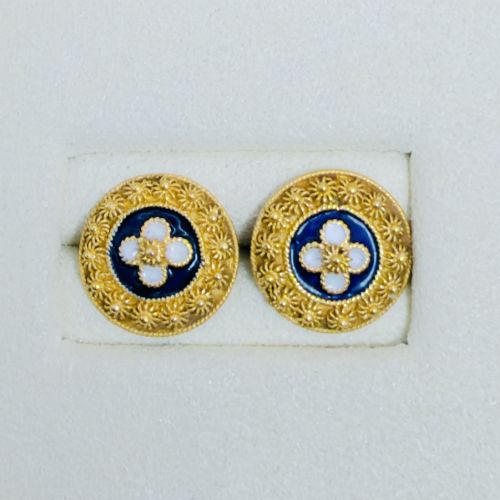
Stone-setting techniques define the visual character of the pieces, incorporating claw-set diamonds, bezel-set opals, and closed-back foil settings in older items. Enamel work and guilloche engraving add decorative detail to specific Victorian and vintage designs.
Evaluating quality and execution
Quality reveals itself in the precision of the stone setting and the depth of the gold work. Superior pieces display secure, flush mountings where prongs or bezels hold gems evenly without excess metal disturbance.
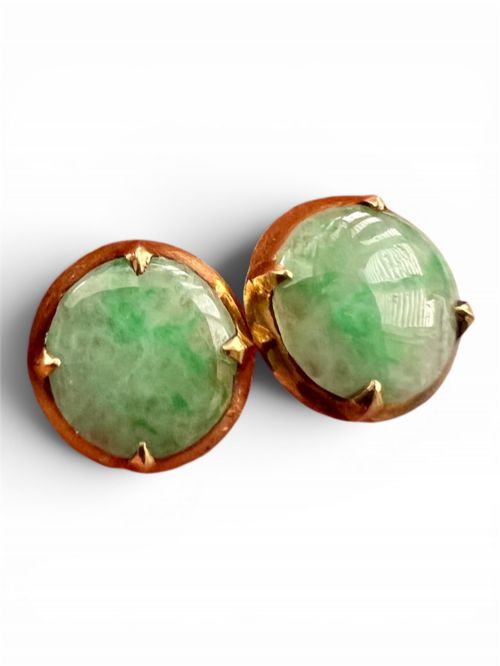
The grade of the central stones dictates the tier of the piece. Natural jadeite, vibrant padparadscha sapphires, and old mine-cut diamonds elevate a design above standard commercial alternatives of the same period.
The Gold Stud Earrings Glossary
- Cluster
- A stone-setting arrangement where a central gem is surrounded by a ring of smaller stones, typically diamonds or pearls. This layout maximises the visual spread of the earrings.
- Screw back
- A mechanical fastening system utilising a threaded post and a small nut that winds down to secure the earring. This mechanism appears frequently on vintage and antique pairs.
- Doublet
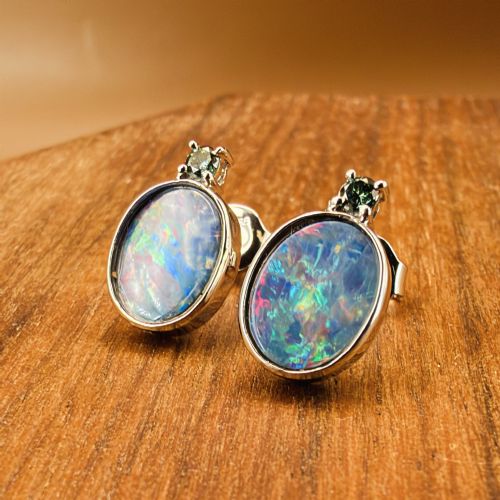
- A composite gemstone formed by gluing a thin layer of precious material, such as opal, onto a darker backing layer. This technique enhances colour display while providing structural stability.
- Guilloche
- A decorative technique where intricate geometric patterns are mechanically engraved into a metal surface beneath a translucent layer of enamel. Victorian makers applied this method to rich blue and coloured designs.
- Old mine cut
- An early diamond cut characterised by a cushion shape, high crown, small table, and large open culet. These stones are common in antique and Georgian pieces.
Gold Stud Earrings: Frequently Asked Questions
How do screw back earrings work?
Screw back fastenings use a threaded post paired with a small rotating nut. You twist the nut down the thread until it rests gently against the back of the lobe.
This method predates modern butterfly friction clutches and provides a secure hold for heavier drop designs or delicate antique pieces.
What is an opal doublet?
An opal doublet consists of a thin slice of natural opal adhered to a darker base material, such as ironstone or onyx. The dark backing intensifies the play-of-colour visible in the stone.
This construction method allowed makers to produce durable cabochons with strong visual impact without relying solely on solid precious opal.
How can I date my gold earrings?
Dating relies on observing a combination of gemstone cuts, metal colours, and fastening styles. Georgian pieces often feature closed-back settings and foiled stones, whereas Victorian designs frequently showcase rich floral cluster motifs.
Twentieth-century items transition into clean geometric Art Deco lines or atomic mid-century modern shapes.
Are these earrings suitable for daily wear?
Most solid gold studs tolerate regular use well, provided the fastenings remain secure. You should handle gemstone varieties with care, particularly softer materials like opals, pearls, and jadeite.
Removing earrings before sleeping or swimming helps preserve delicate enamel and prong settings over time.