

Vintage Dial Timepiece
A vintage dial timepiece offers precision engineering and distinct period style, ranging from robust military pocket watches to elegant wall clocks.
Vintage Dial Timepiece
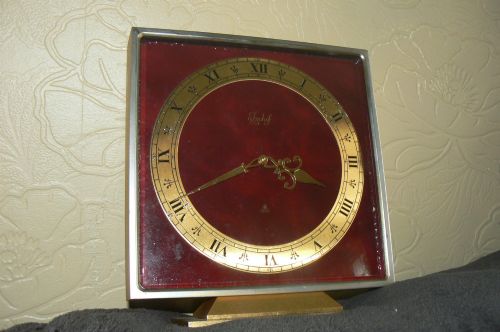
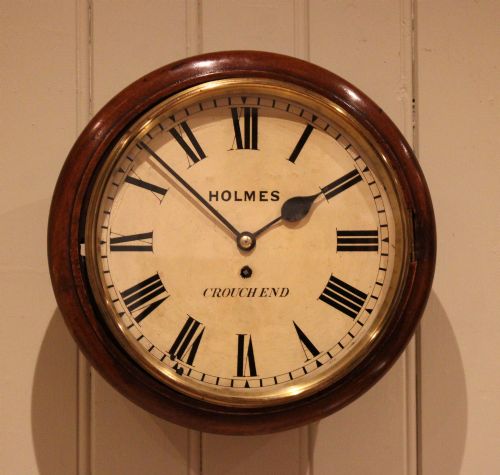
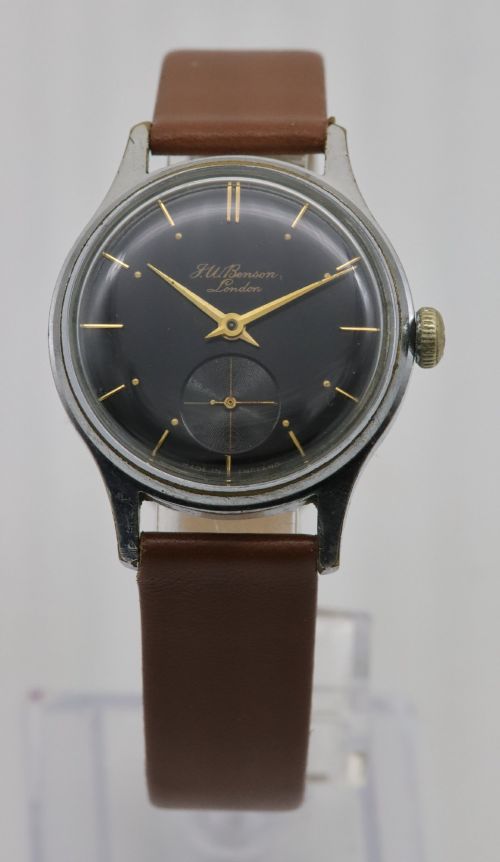
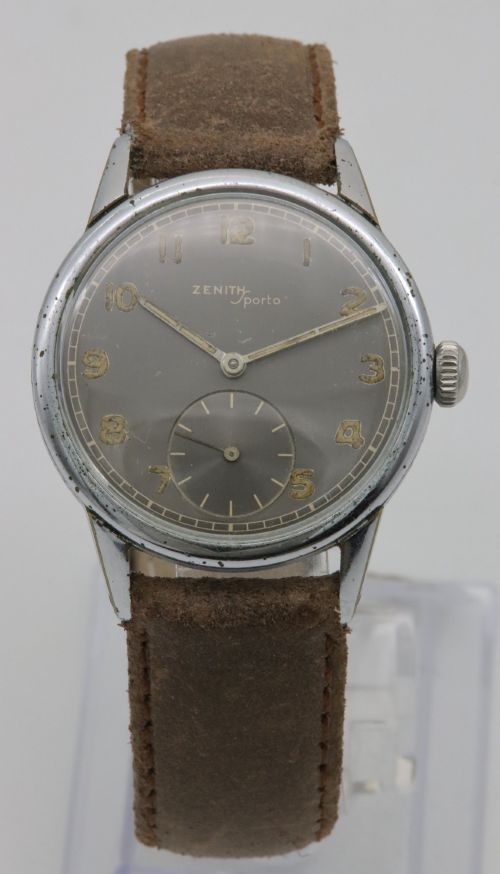
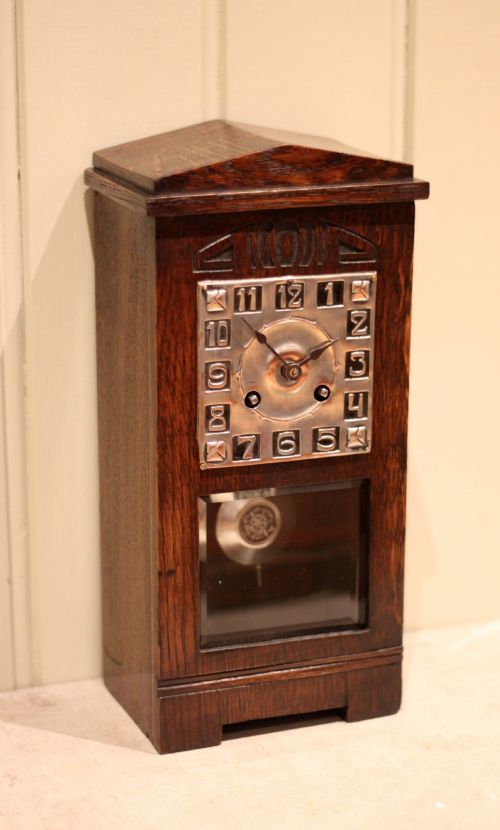
When searching for a vintage dial timepiece, buyers encounter a diverse selection of instruments spanning from the Victorian era through the mid-twentieth century. These objects include wristwatches, pocket watches, wall clocks, and mantel clocks produced across multiple decades.
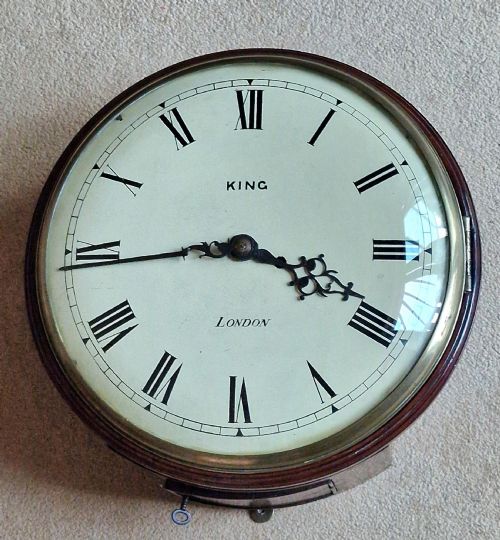
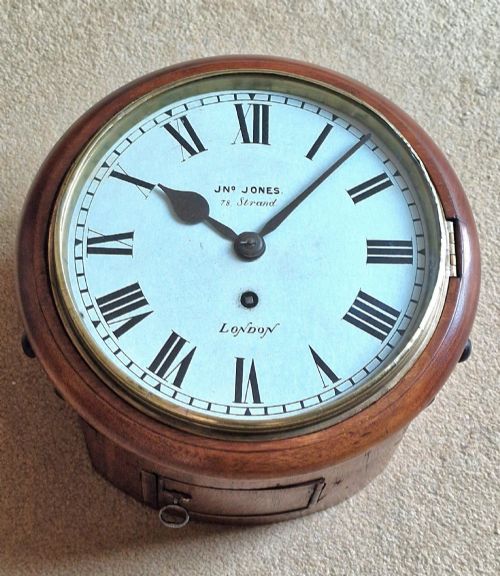
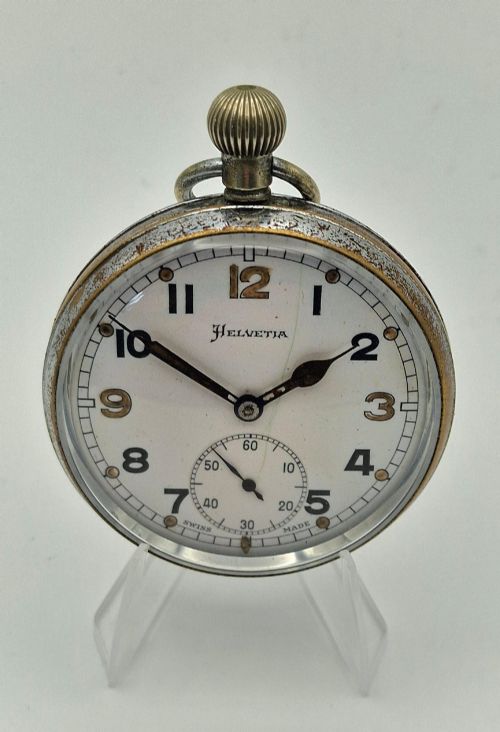
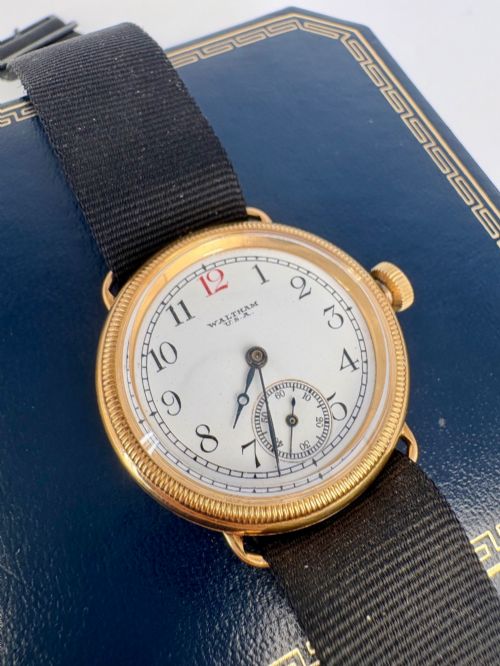
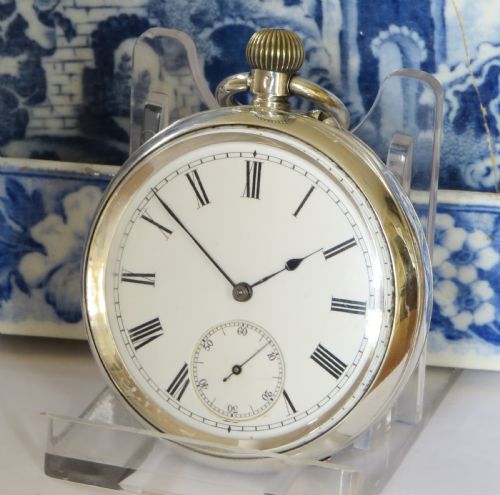
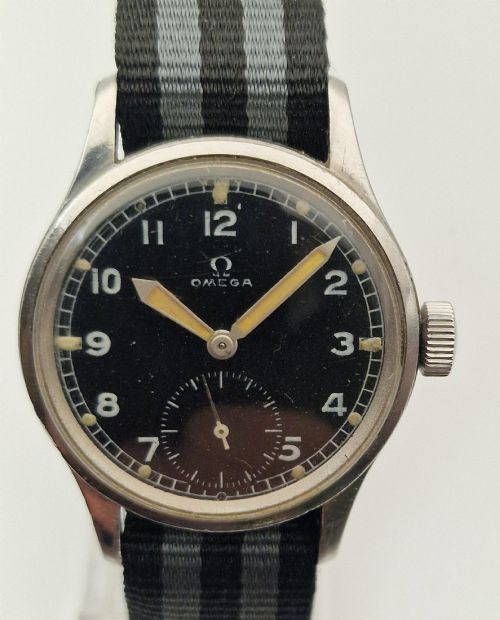
The most common examples on this page are mid-century wristwatches and military pocket watches from the nineteen-forties, alongside mahogany-cased wall clocks. Each category reflects the predominant technological requirements and design aesthetics of its original period.
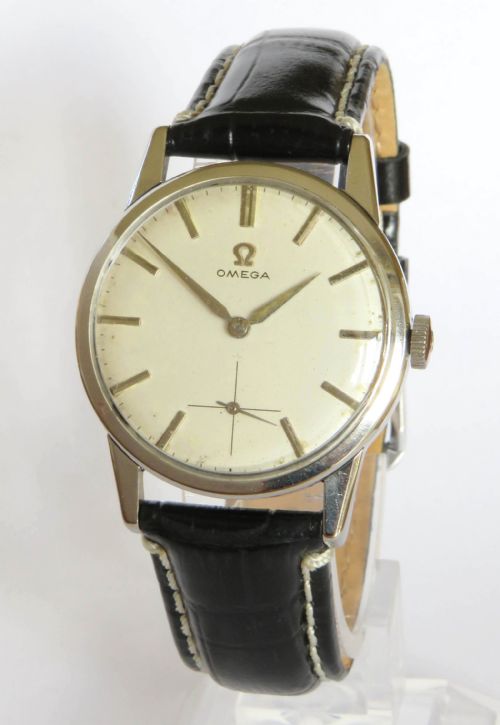
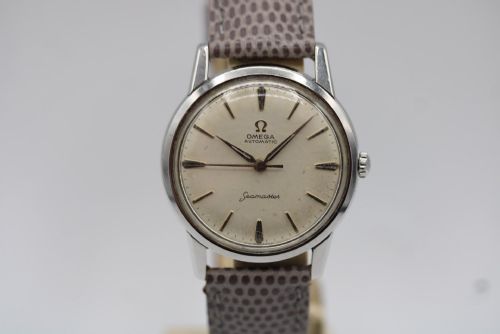
Origins vary from British makers such as King and Jones in London to Swiss houses like Zenith, Omega, and international manufacturers including Waltham and Elgin. Buyers find both domestic timekeepers and international imports represented across the selection.
Materials and Construction
Construction relies heavily on metals such as brass, stainless steel, silver, and gold alongside wooden cases made from mahogany or oak. Glass protects the dials of wall clocks and pocket watches, while leather often forms the straps of period wristwatches.
Mechanical movements utilise intricate brass and steel components, sometimes housed within specialised containers like Dennison gold cases or heavy-duty military steel shells. Enamel and acrylic frequently comprise the visible dial faces beneath the glass.
Vintage Dial Timepiece Retail Price Guide 2026
Typical asking prices for vintage dial timepiece among the pieces listed under this phrase on Sellingantiques today, from the lower quarter to the upper quarter. They describe what is for sale here now, not the wider market.
Listings incorporate items spanning the Victorian era through the nineteen-sixties, utilising brass, silver, glass, mahogany, and stainless steel.
Assessing Quality and Execution
Quality differences emerge in the precision of the movement and the integrity of the casing, distinguishing standard production models from specialised instruments. Finer examples maintain original components, legible dial markings, and robust mechanical performance.
The distinction between ordinary utility timepieces and superior specimens lies in the refinement of the dial layout, the weight of the metal case, and the reputation of the maker. Historical significance, such as military issue status or complex chronograph functions, further elevates specific pieces.
JW Benson·Zenith·Omega·Waltham·Elgin·Henri Jacot·IWC·Liberty and Co
The Vintage Dial Timepiece Glossary
- Fusee
- A conical pulley used in older clock and watch movements to maintain even force as the mainspring unwinds. This mechanism helps ensure consistent timekeeping accuracy.
- Chronograph
- A watch or pocket watch equipped with a function to measure elapsed time independently of its primary timekeeping hands. Such pieces often include subsidiary dials.
- Carriage Clock
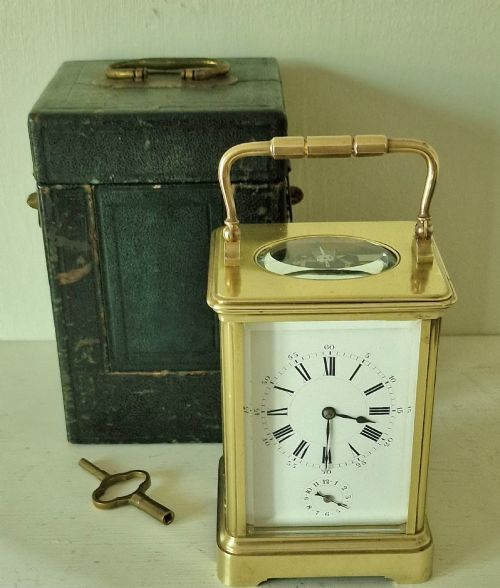
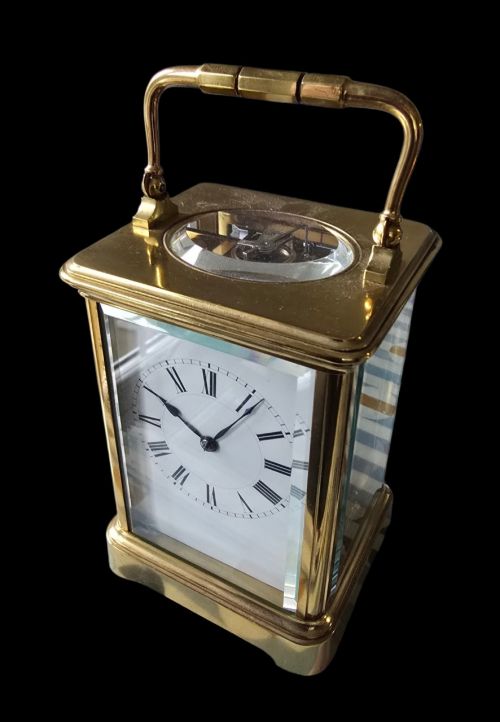
- A small, portable spring-driven clock designed for travel during the nineteenth and early twentieth centuries. They frequently feature gilt-brass frames and glass panels.
- Calibre
- The specific internal design or model designation of a watch movement. Collectors use this term to identify the exact mechanical architecture inside a timepiece.
- Pocket Watch
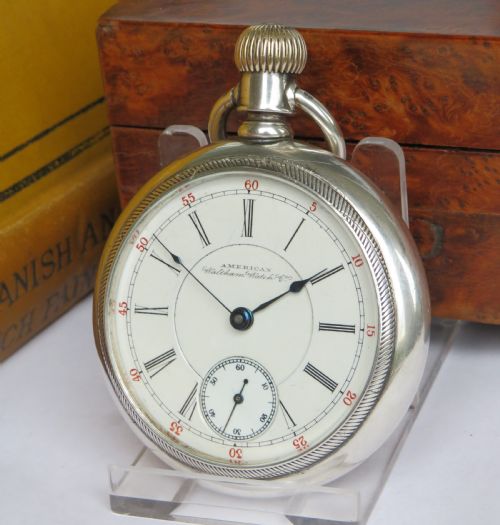
- A watch made to fit in a pocket, typically attached to a chain or fob. These instruments were widely carried before wristwatches became standard.
Vintage Dial Timepiece: Frequently Asked Questions
What is a fusee dial clock?
A fusee dial clock uses a traditional chain-and-cone mechanism to regulate the pull of the mainspring. This historical design was favoured in wall clocks to secure steady tension and reliable accuracy.
Such clocks often appear in mahogany cases with round dials designed for domestic or institutional use.
How do military pocket watches differ?
Military pocket watches from periods like the nineteen-forties were built to strict government specifications for durability and legibility. They typically feature clear Arabic numerals on plain dials and robust steel cases.
These timepieces served personnel in demanding field conditions, resulting in functional designs without decorative ornamentation.
Are carriage clocks meant for travel?
Carriage clocks originated as portable timepieces for travellers during the nineteenth century. Housed in brass and glass frames, they were constructed to withstand movement while keeping accurate time.
Today, they function primarily as decorative table or mantel clocks within domestic interiors.
How can I determine the age?
Dating relies on identifying maker marks, serial numbers, case materials, and stylistic cues associated with specific eras such as the Victorian period or Art Deco movement. Inscribed initials or hallmarks on silver and gold cases also provide chronological clues.
Comparing the internal movement calibre against historical manufacturing records helps narrow down the production decade.