
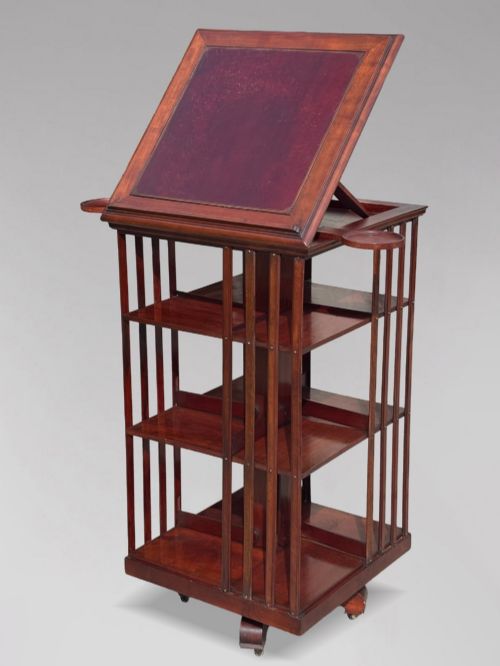
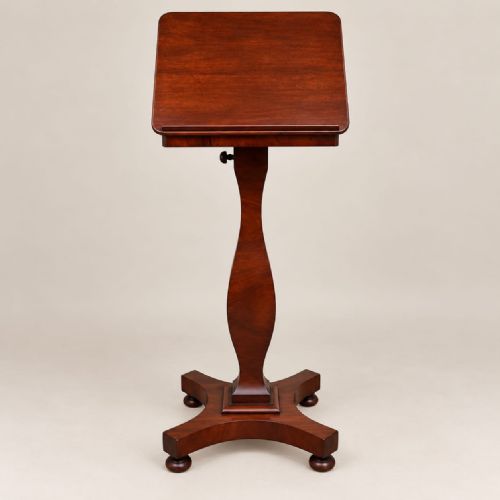
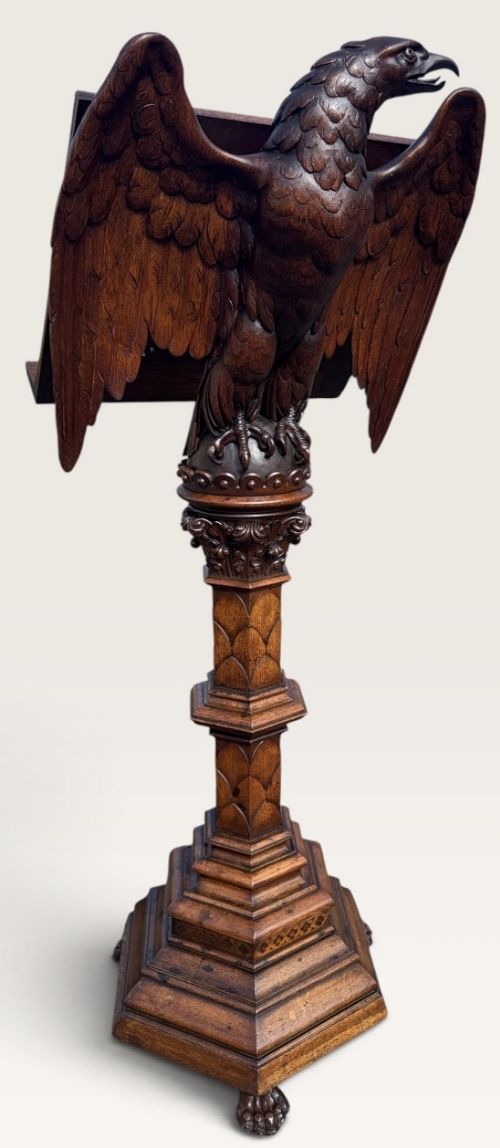
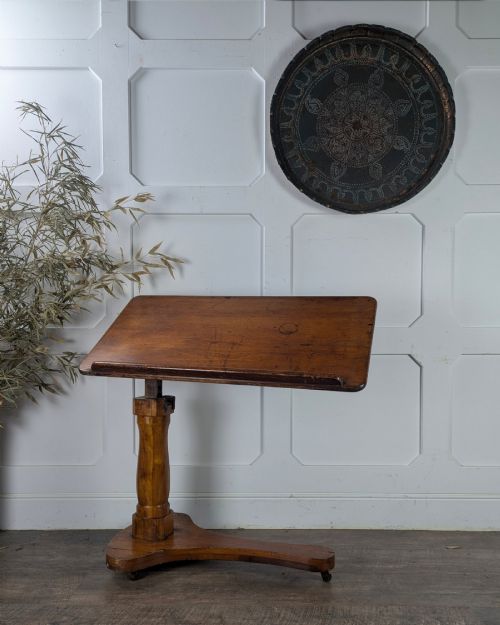


Vintage Desk Reading Stand
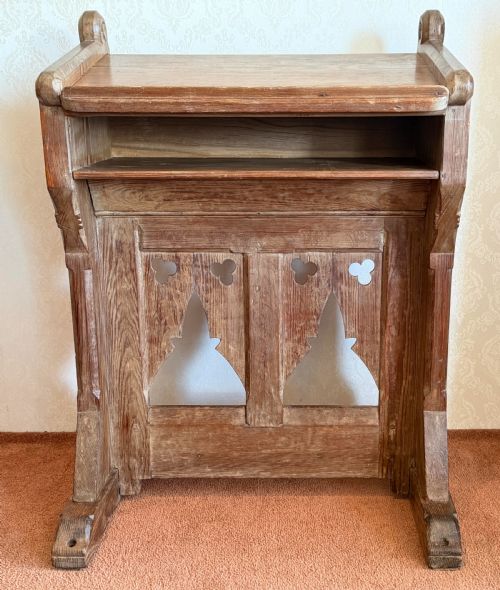
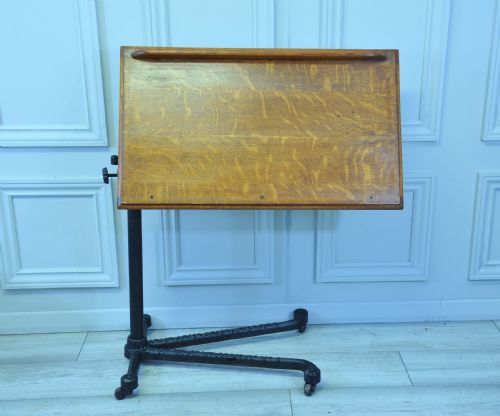
A vintage desk reading stand brings functional elegance to any study, offering adjustable surfaces to hold books and papers at the ideal angle for reading.
Materials and construction
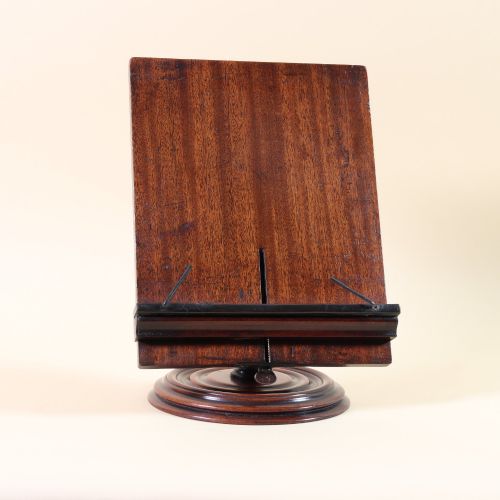
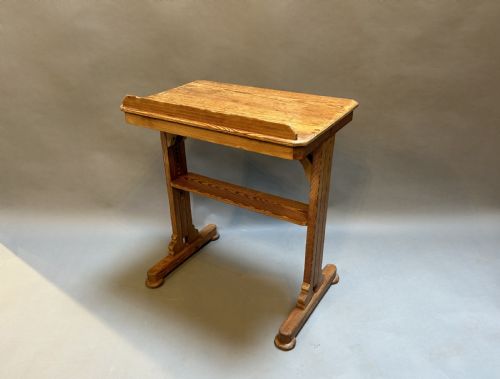
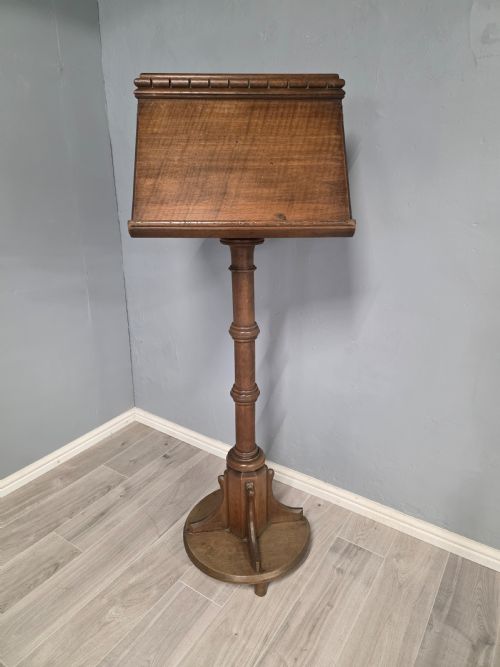
Cabinetmakers utilised durable timbers such as mahogany, oak, and walnut to build the primary framework and desktop surfaces of these stands. These woods were often polished or carved, providing both structural stability and a refined visual texture.
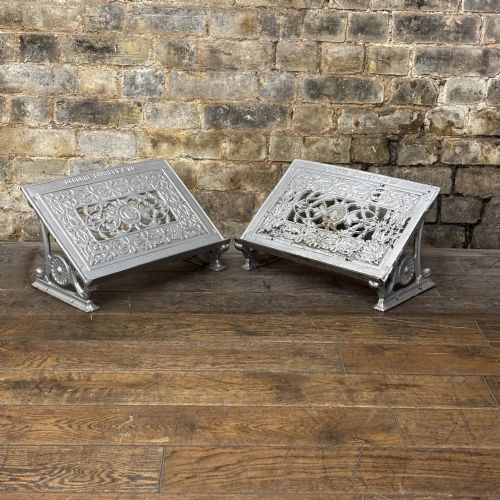
Metal components, notably cast iron and brass, appear extensively in the adjustable mechanisms, hinges, and pivoting mounts that allow the stands to alter height and angle. This combination of timber and metal ensured the moving parts could withstand regular adjustment.
Assessing quality and craftsmanship
Quality in these stands is determined by the precision of the mechanical adjustments and the integrity of the joinery. Superior examples operate smoothly without slack in the pivots or ratchets, maintaining their position under the weight of heavy books.
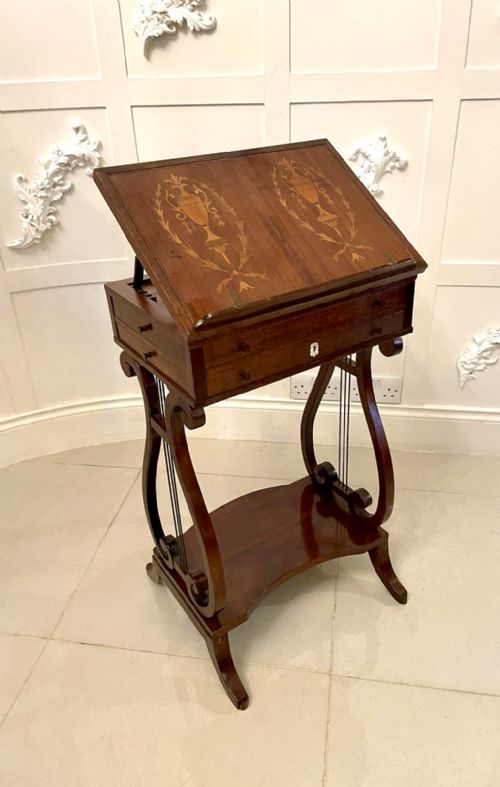
The choice of materials and the subtlety of secondary details, such as inlaid woodwork or cast brass fittings, distinguish standard utility pieces from finer items made for specialised libraries and studies.
Listings feature items constructed from mahogany, oak, walnut, pine, brass, and cast iron across the Victorian, Edwardian, and Regency periods.
Osborne Garrett And Co·Carters Of London
The Vintage Desk Reading Stand Glossary
- Lectern
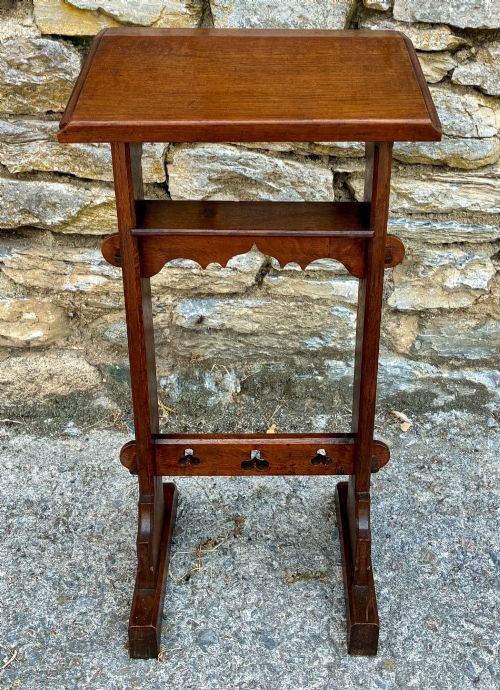
- A slanted support designed to hold a book or text at an angle for reading aloud or referencing while standing or sitting.
- Architects Table
- A large adjustable table featuring a tilting top, originally utilised by draftsmen and architects for drawing and reading large plans.
- Revolving Bookcase
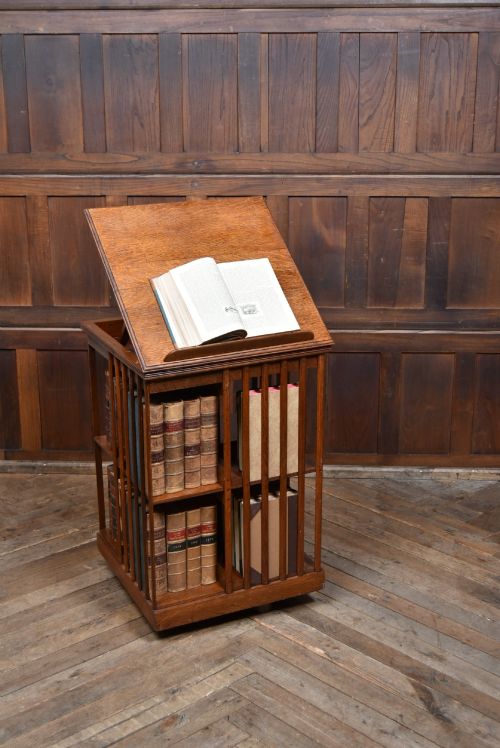
- A small freestanding bookcase mounted on a pivot that allows the user to rotate the collection for easy access from a desk.
- Whatnot
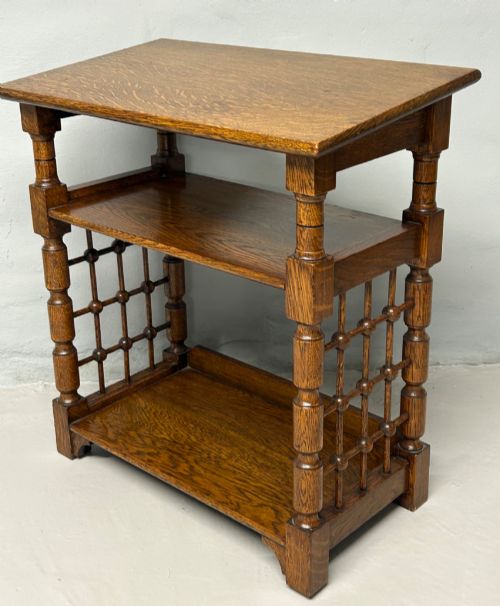
- A piece of open shelving with multiple tiers used for displaying or holding books, ornaments, and small accessories.
Vintage Desk Reading Stand: Frequently Asked Questions
How were these stands used?
These stands were placed on desks or floors to hold heavy reference books, ledgers, or music sheets at a comfortable reading angle.
Scholars, clerics, and professionals utilised them to read for extended periods without needing to hold the volume by hand.
Can these hold heavy books?
Most models constructed from solid oak or mahogany with metal ratchets or hinges are robust enough to support large, heavy volumes.
Pivot mechanisms and desktop ledges are designed to bear substantial weight securely during use.
How do I adjust the height?
Adjustment mechanisms vary by design, utilising brass screw pins, cast iron ratchets, or sliding riser columns.
Users simply loosen the locking mechanism, move the reading surface to the desired position, and tighten it securely.
Where do these pieces fit best?
They integrate well into home studies, home libraries, and living rooms as functional accent furniture next to armchairs or desks.
Their adjustable nature allows them to serve as practical book holders or display surfaces in various rooms.