





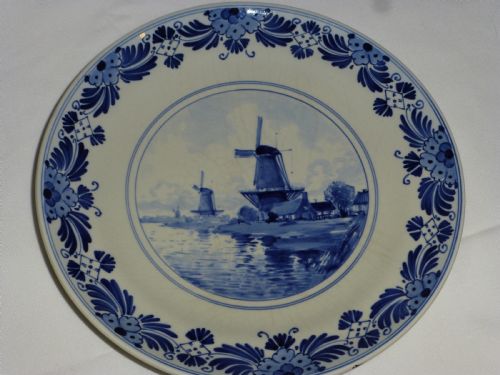


Vintage Delftware Wall Platter
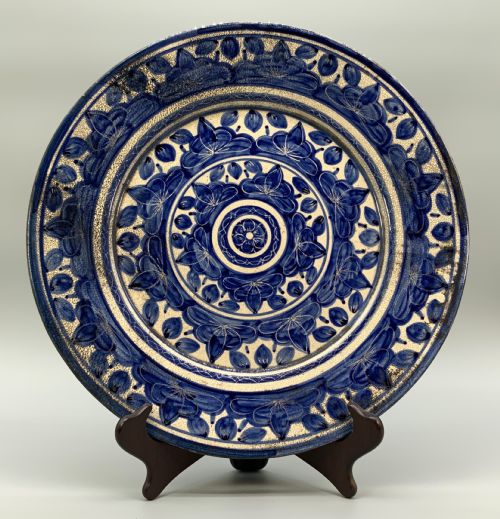
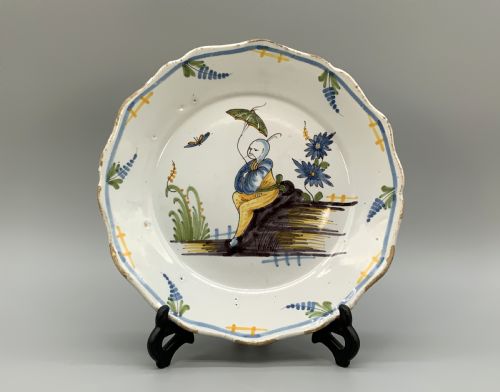
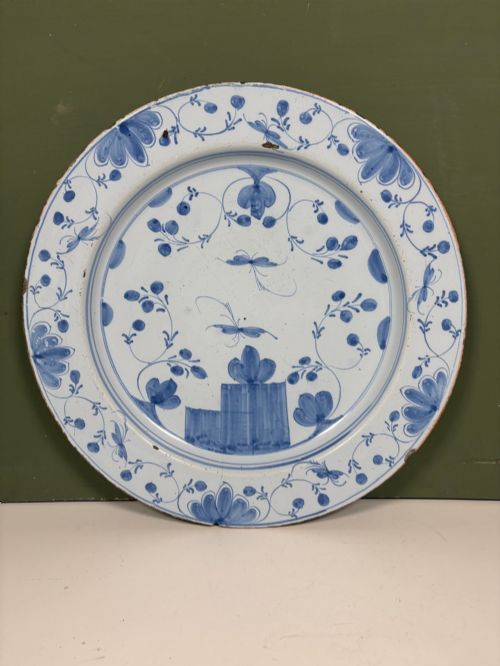
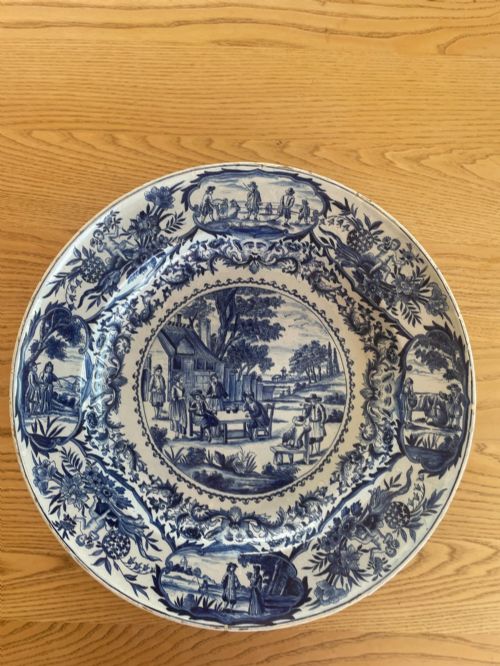
A vintage delftware wall platter brings tin-glazed earthenware into a room, offering large decorative chargers painted in blue and white, manganese, and polychrome.
Vintage Delftware Wall Platter
When you search for a vintage delftware wall platter, you encounter large decorative chargers and plates designed primarily for display rather than dining. The pieces span the eighteenth century, eighteen hundred, seventeen fifty, the nineteenth century, and nineteen forty, reflecting long traditions of tin-glazed earthenware production.
You meet varied stylistic influences across these examples, ranging from Dutch Baroque and eighteenth-century Dutch to Moorish, eighteenth-century French, and Dutch Colonial designs. The forms remain consistently generous in scale, functioning historically as wall chargers or decorative wall plates.
The most common formats on this page are eighteenth-century chargers and nineteenth-century variants finished in blue and white, manganese, or polychrome palettes. These objects showcase diverse regional interpretations of faience glaze and tin glaze on ceramic bodies.
Materials and production methods
Makers shaped these items from earthenware and ceramic before applying a tin glaze, faience glaze, or tin-glazed earthenware surface. This opaque white base provided an absorbent canvas for subsequent painting.
Decoration relied on cobalt oxide for traditional blue and white schemes, alongside manganese and polychrome pigments. Grand feu techniques fixed these colours into the glaze during high-temperature firing.
Vintage Delftware Wall Platter Retail Price Guide 2026
Typical asking prices for vintage delftware wall platter among the pieces listed under this phrase on Sellingantiques today, from the lower quarter to the upper quarter. They describe what is for sale here now, not the wider market.
Some chargers wear their manganese and yellow Chinoiserie colours with such cheerful loudness they make seventeenth-century Dutch burghers look positively restrained.
Judging quality in wall platters
Quality rests in the crispness of the hand-painted brushwork and the complexity of the palette, whether working in simple cobalt oxide or multi-coloured manganese and polychrome. Stronger pieces display confident control across large decorative surfaces.
The harmony of the glaze application also defines standard, with smooth tin glaze providing an even background for Dutch Delft, Moorish, or Chinoiserie motifs.
The Vintage Delftware Wall Platter Glossary
- Charger
- A large decorative plate intended for display on a wall or dresser rather than for table service. These substantial vessels dominate visual space.
- Tin glaze
- An opaque white glaze containing tin oxide applied to earthenware, creating a smooth surface for painting. This technique forms the foundation of faience.
- Cobalt oxide
- A mineral pigment used to achieve deep blue painting on ceramic surfaces. It remains stable under high firing temperatures.
- Grand feu
- A firing method that fixes pigments directly into the raw glaze at high temperatures. This technique fuses the colours permanently with the tin-glazed body.
- Manganese
- A metallic pigment used to produce rich purple, brown, or violet tones in ceramic decoration. It often appears alongside polychrome or blue and white pigments.
Vintage Delftware Wall Platter: Frequently Asked Questions
What is a delftware charger?
A delftware charger is a large decorative plate made from tin-glazed earthenware. These objects were produced in substantial sizes specifically for display on walls or furniture.
They feature painted designs ranging from traditional blue and white motifs to manganese and polychrome compositions.
What colours appear on these platters?
The colour palette often includes classic blue and white created using cobalt oxide. Other examples incorporate manganese for purple and brown tones, alongside broader polychrome schemes.
French and Dutch variations also introduce yellow and additional hues suited to Chinoiserie or Moorish styles.
How do I distinguish eighteenth-century pieces?
Eighteenth-century examples are identified through specific stylistic markers such as Dutch Baroque, eighteenth-century Dutch, or French faience characteristics. The handling of the tin glaze and pigment application align with historic manufacturing periods.
Comparing the decorative style, such as Grand feu work or Chinoiserie motifs, helps separate these earlier items from nineteenth-century or nineteen-forty interpretations.