
Vintage Decorative Statues
Vintage decorative statues bring character and form into a room, ranging from bronze animals to carved stone figures.
Vintage Decorative Statues
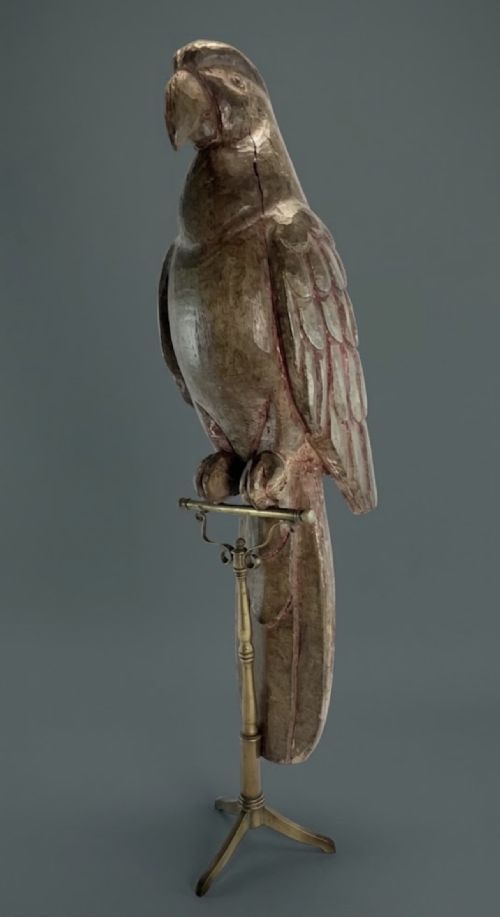
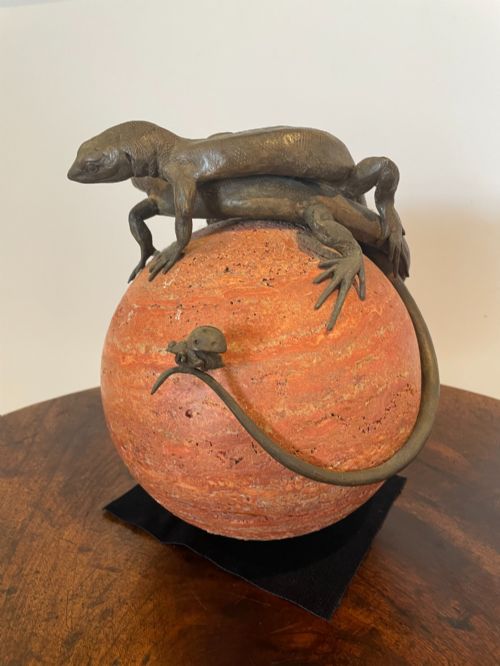
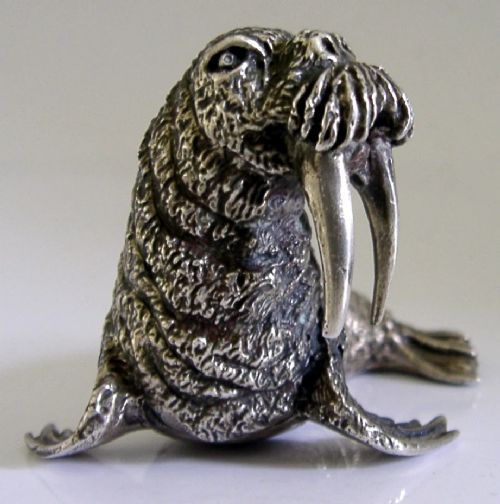
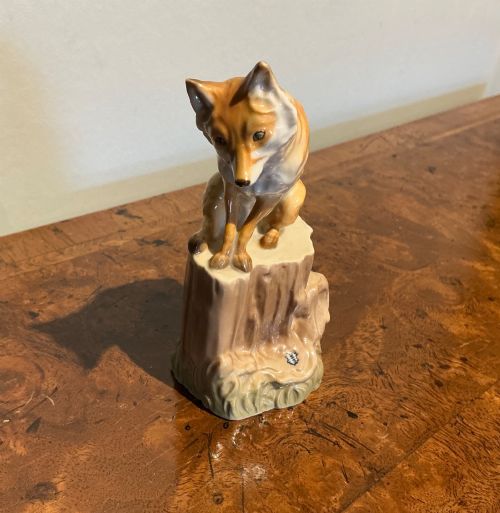
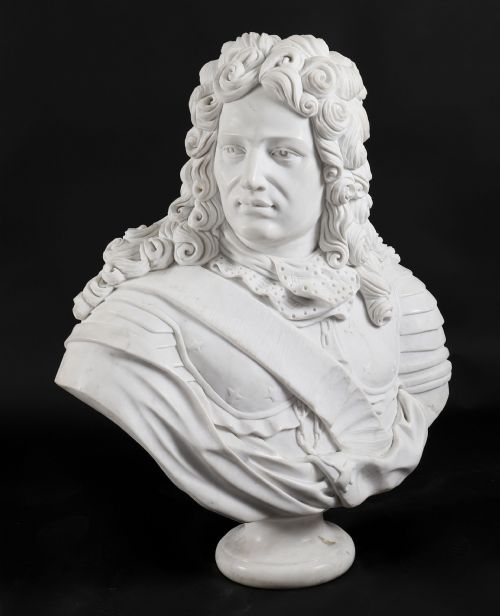
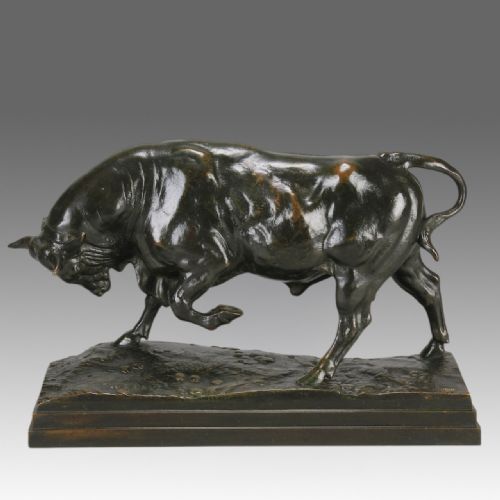
When you search for vintage decorative statues, you encounter a diverse array of sculptural forms spanning from the nineteenth century through the mid-twentieth century. The selection includes animal figures, human busts, classical subjects, and specialised items such as bookends.
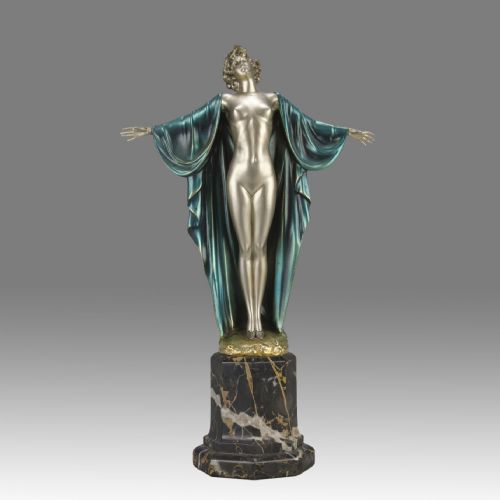
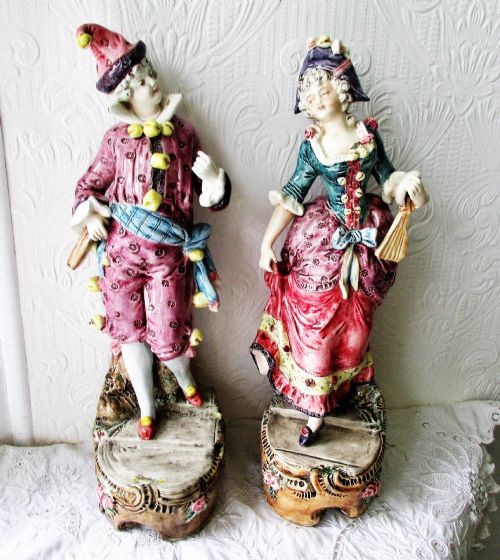
The pieces on this page originate from various traditions and styles, encompassing Art Deco, Art Nouveau, and Classical Revival. Works rendered in bronze, carved wood, and earthenware demonstrate the breadth of sculptural output from these periods.
Makers and studios of different scales contributed to this category, producing everything from large life-size carvings to small cabinet figures. Buyers frequently find works that reflect specific aesthetic movements of the twentieth century alongside earlier traditional forms.
How They Were Made
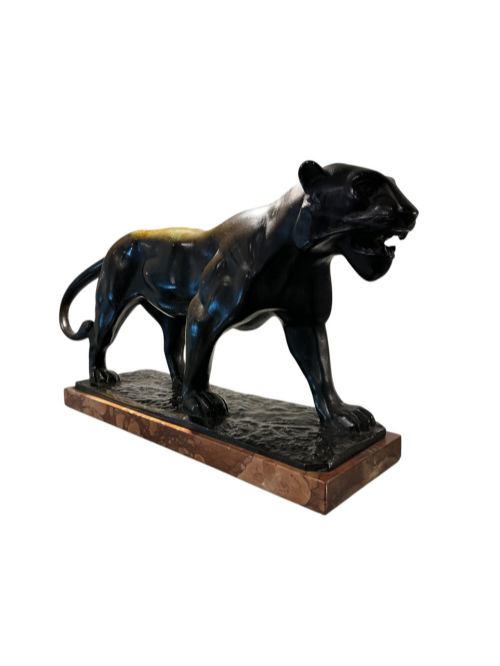
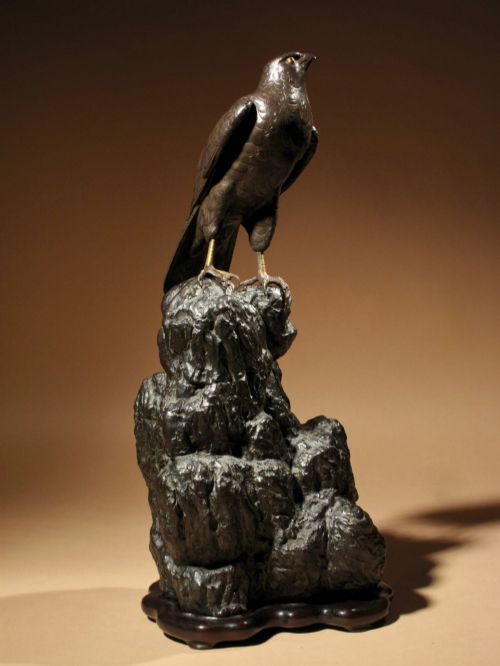
Bronze casting forms a significant pillar of the selection, often utilising the lost-wax method to achieve intricate detail in animal and human subjects. Many of these metal sculptures are mounted onto marble or ebonised bases to provide stability and contrast.
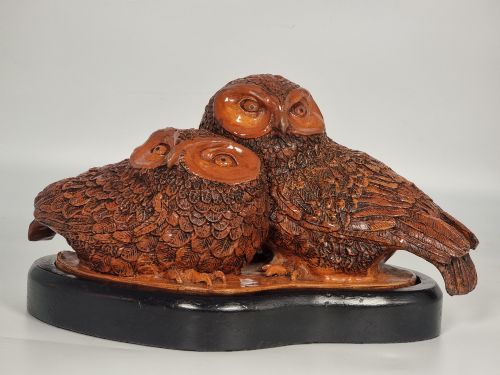
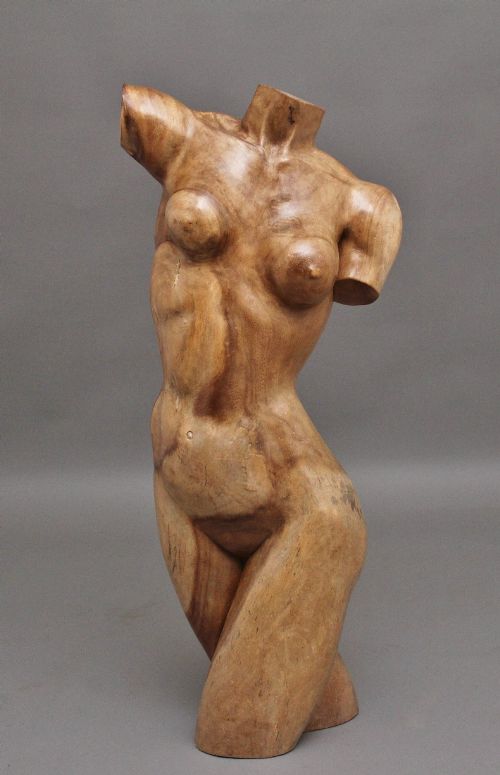
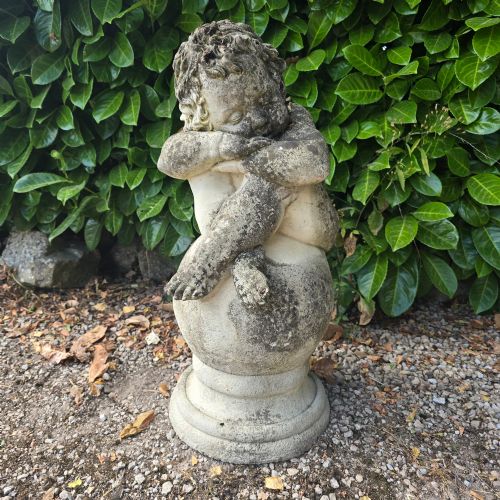
Carving represents another primary method, executed in hardwoods, soft stones such as soapstone and alabaster, and standard timber. Artisans shaped these natural materials using traditional hand tools, sometimes adding painted or patinated finishes.
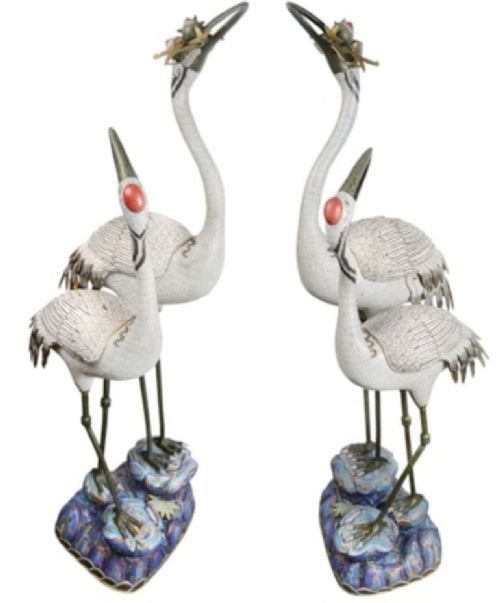
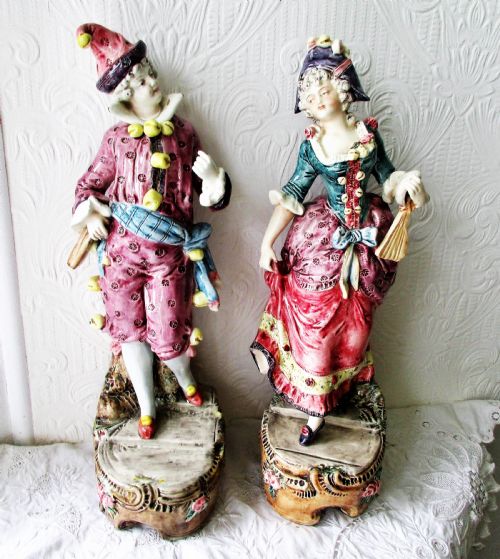
Ceramic and earthenware pieces involve moulding or hand-sculpting clay, followed by glazing or cold-painting to introduce colour and surface texture. Plaster casting and cloisonné work also appear among the manufacturing techniques represented.
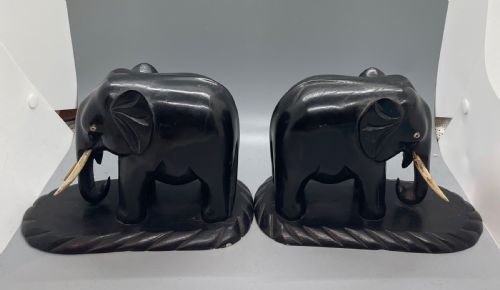
Object forms span functional pieces like bookends and floor lamps alongside pure sculptural figures of animals and human subjects.
What Varies in Quality
The standard of sculpting and anatomical precision marks the primary division between ordinary items and finer works. Master modellers achieved realistic textures in animal pelts and human drapery that lesser artisans failed to capture.
Materials and base construction contribute heavily to overall execution, such as the weight of a bronze casting or the selection of solid marble rather than composite substitutes. Signed pieces by recognised sculptors carry distinct advantages in design clarity and finish.
Surface treatments, including cold-painting, patination, and glaze consistency, show the level of care applied during production. Well-preserved finishes retain their original depth without heavy distortion from later interventions.
Ferdinand Preiss·Antoine Louis Barye·Demetre Chiparus·Goldscheider
The Vintage Decorative Statues Glossary
- Art Deco
- A design style characterised by sleek lines, geometric shapes, and stylised representations of figures and animals. It emerged strongly in the interwar period.
- Cold Painted Bronze
- A technique where bronze sculptures are painted with oil paints or enamels rather than fired in a kiln. This finish requires careful handling to prevent flaking.
- Patination
- The natural or chemical alteration of a metal surface over time, resulting in a distinctive sheen or colour change. Collectors look for stable, original patination.
- Animalier
- A nineteenth-century artistic genre focused on the realistic depiction of animals, particularly in bronze. Artists in this tradition studied anatomy closely.
- Cloisonné
- An enamelwork technique where thin metal wires are soldered to a base to create cells filled with enamel paste. The object is then fired and polished.
Vintage Decorative Statues: Frequently Asked Questions
Where should I place a heavy bronze statue?
Heavy bronze sculptures require a sturdy surface such as a dedicated console table, a low sideboard, or a reinforced pedestal. Ensure the weight distribution is balanced to prevent tipping.
Keep them away from high-traffic areas where they might be knocked against or dislodged from their display position.
How do I clean carved wooden animal figures?
Dust wooden carvings regularly with a soft, dry microfibre cloth to prevent dirt accumulation in the carved crevices. Avoid using water or harsh chemical cleaners, which can strip the original finish.
Apply a microcrystalline wax occasionally if the wood appears dry, buffing it gently with a clean cloth.
What is the difference between earthenware and porcelain figures?
Earthenware is made from porous clay fired at lower temperatures, resulting in a heavier, opaque body that usually requires a glaze or paint layer. Porcelain uses refined kaolin clay fired at much higher temperatures, producing a dense, vitreous material.
Porcelain figures often exhibit finer detail and a translucent quality, whereas earthenware offers a warmer, more tactile surface texture.
How can I tell if a bronze statue is vintage?
Examine the surface patination, casting seams, and the material of the base for indicators of age. Vintage bronzes often feature heavy marble bases and natural wear consistent with decades of handling.
Look for signatures, foundry marks, or stamps etched into the metal, which help connect the piece to specific production periods.