


Vintage Decorative Screen
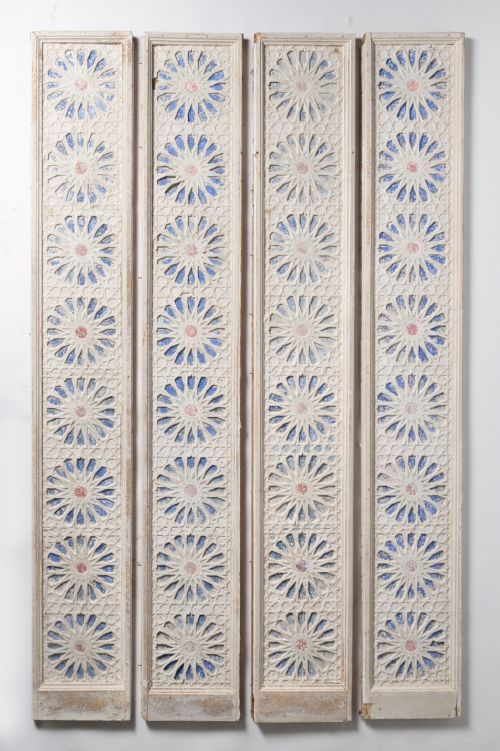
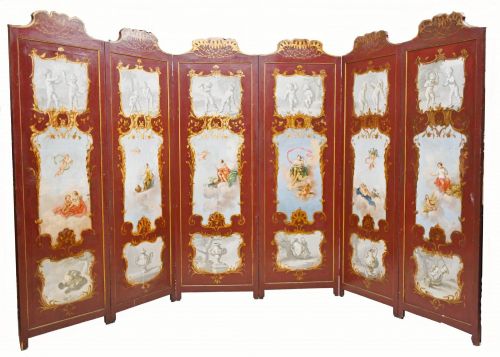
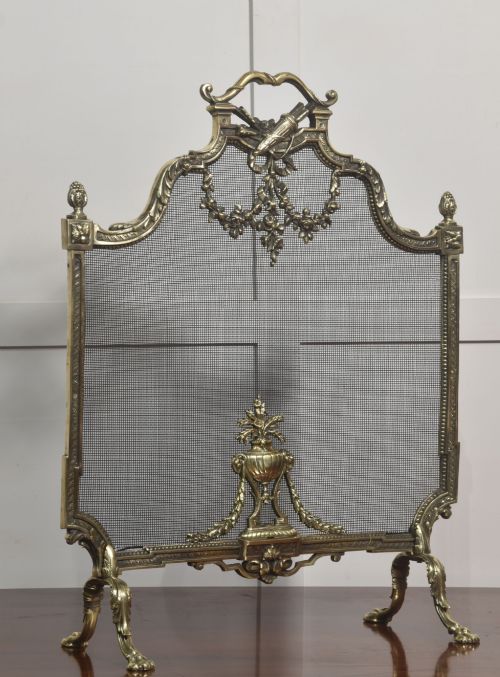
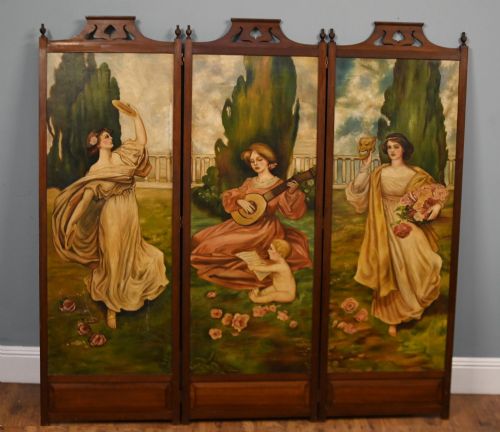
A vintage decorative screen divides a space or frames a hearth with patterned metal, painted canvas, or carved wood.
Vintage Decorative Screen
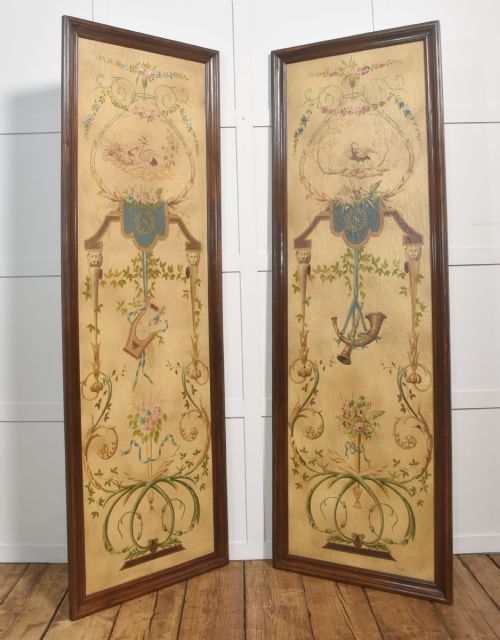
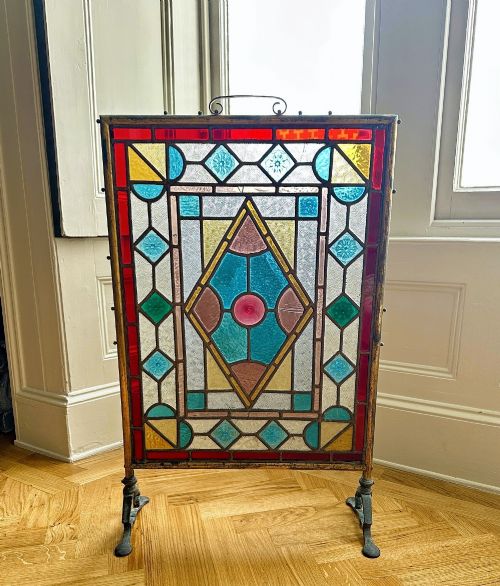
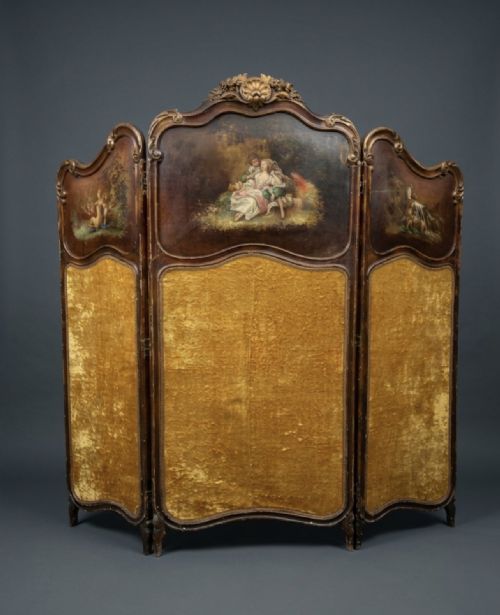
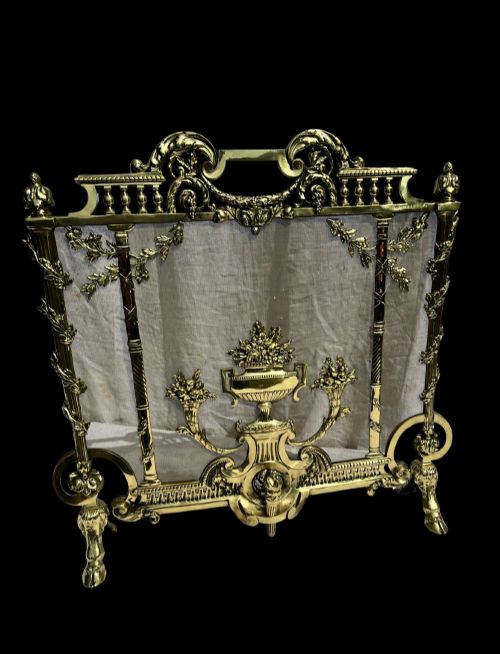
A vintage decorative screen serves as a functional room divider or a hearth accessory, shaping the interior space with architectural presence. Buyers seeking a vintage decorative screen will find folding panels, freestanding fire guards, and wall-mounted panels.
The selection ranges widely across forms, including multi-panel room dividers, fan-shaped fireplace screens, table screens, and modesty panels. Origins span from French revival styles and English Arts and Crafts designs to Oriental lacquered and inlaid works.
Examples appear from the nineteenth century through the 1930s, encompassing Victorian brass frames, Art Nouveau ironwork, and Art Deco mirrors. Each piece brings specific period craftsmanship to domestic interiors, whether deployed around a fireplace or across a chamber.
How they were made
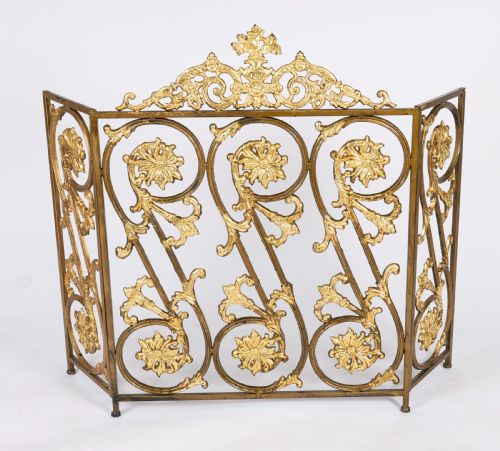
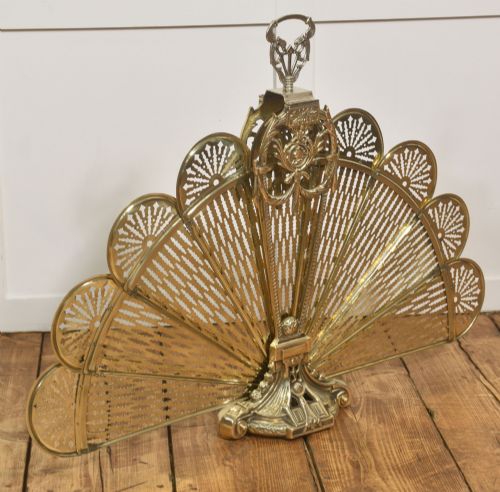
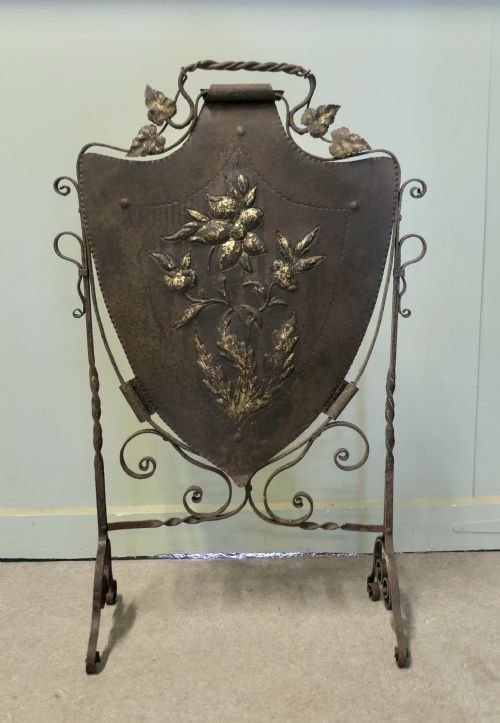
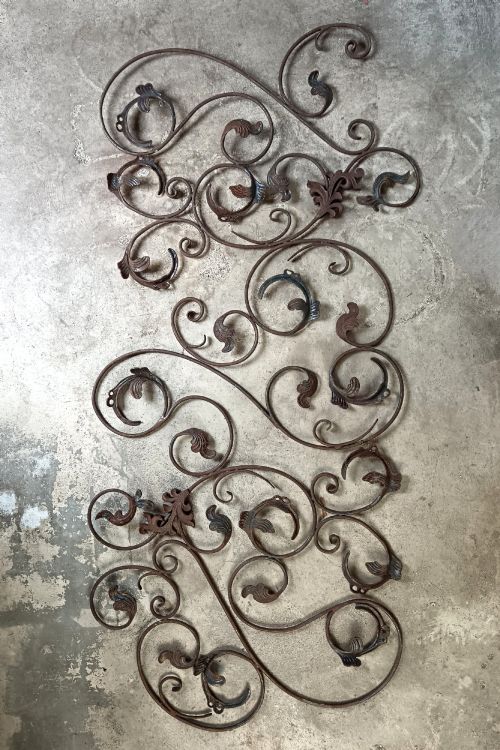
Metalwork forms a primary structural element, utilising cast and wrought iron, gilt brass, bronze, and wire mesh. Artisans shaped these materials into intricate scrollwork, peacock fan blades, and solid frames designed to withstand hearth heat or provide sturdy support.
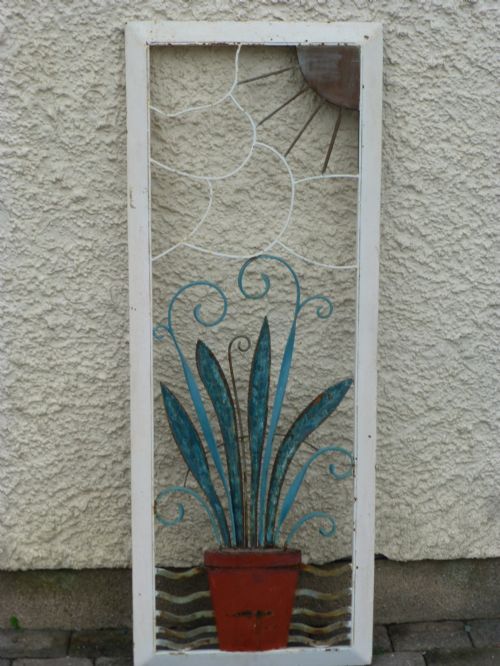
Wood and fabric provide the expansive surfaces for painted scenes, embroidered textiles, and lacquered finishes. Workshops utilised walnut, oak, and canvas, incorporating oil paint, hand-painted leather, stained glass, and shell inlay to build visual depth across the panels.
Vintage Decorative Screen Retail Price Guide 2026
Typical asking prices for vintage decorative screen among the pieces listed under this phrase on Sellingantiques today, from the lower quarter to the upper quarter. They describe what is for sale here now, not the wider market.
Object forms vary across folding room dividers, fireplace screens, architectural salvage scroll panels, and small table screens.
What varies in quality
The standard of execution depends heavily upon the depth of hand-carving, the complexity of metal casting, and the refinement of painted or inlaid decoration. Pieces featuring detailed hand-painted pastoral scenes or precise metal repoussé demonstrate superior workshop output.
Structural integrity relies on the quality of hinges, framing joints, and the preservation of delicate materials like stained glass, silk, or leather. Finer examples maintain original mountings and undisturbed patination across brass and wood surfaces.
Raymond Subes·William Morris
The Vintage Decorative Screen Glossary
- Fire screen
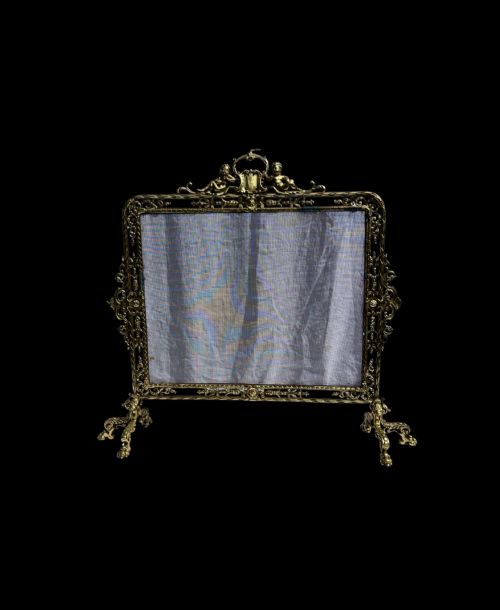
- A protective panel placed before a fireplace to block excessive heat or conceal an unlit hearth. These often feature folding brass fans or mesh panels.
- Modesty screen
- A freestanding panel historically used to shield a person from drafts or provide privacy during dressing. They frequently incorporate painted panels or fabric inserts.
- Repoussé
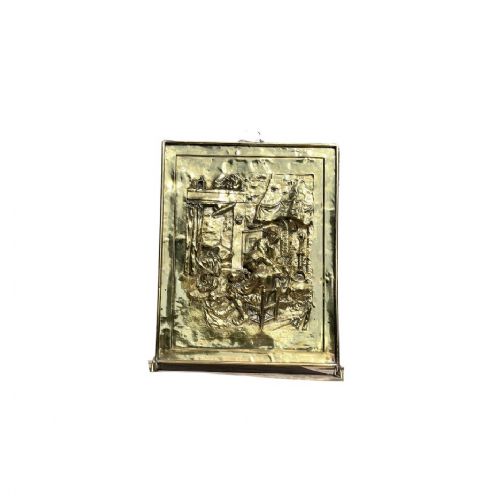
- A metalworking technique where the metal is hammered from the reverse side to form a raised design in relief. This method appears frequently on Victorian brass frames.
- Chinoiserie
- European decorative style reflecting Chinese artistic influences, commonly seen on lacquered screens with inlaid figures and foliage.
- Dummy board
- A painted wooden figure cut out to resemble a person or animal, used as a decorative novelty near fireplaces in period interiors.
Vintage Decorative Screen: Frequently Asked Questions
How do I use a fire screen?
A fire screen stands before the hearth when the fire is unlit to improve the appearance of the room. It blocks soot views and stops drafts from entering the chimney.
During active fires, certain metal screens radiate heat back into the space while protecting the room from sparks. They transition easily into purely decorative objects during warmer months.
Where should I place a room divider?
Multi-panel folding screens work effectively to zone open-plan areas, partition a dressing space, or soften an empty corner. They can stand flat against a wall as a backdrop or angle to create private enclosures.
Position them away from heavy dampness or direct heat sources to preserve painted canvases, fabrics, and lacquered wood.
How do I date a brass screen?
Nineteenth-century examples often display heavy cast brass frames with elaborate Rococo revival scrolls or intricate pierced metalwork. The construction of the hinges and the weight of the metal offer clear clues to the period.
Later twentieth-century versions shift toward streamlined Art Deco geometries, sunburst motifs, or simpler tubular brass framing.
What materials are used in these screens?
Construction materials span structural metals like wrought iron, brass, and bronze alongside wooden frames of walnut and oak. Surfaces incorporate oil paint, canvas, stained glass, wire mesh, and hand-tooled leather.
Oriental and Asian examples frequently utilise lacquer, mother-of-pearl inlay, and embroidered silk panels stretched across multiple folds.