

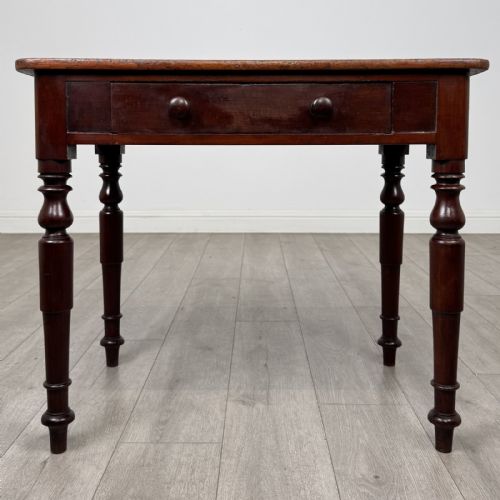
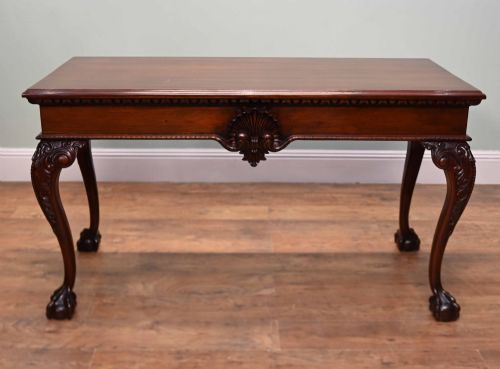
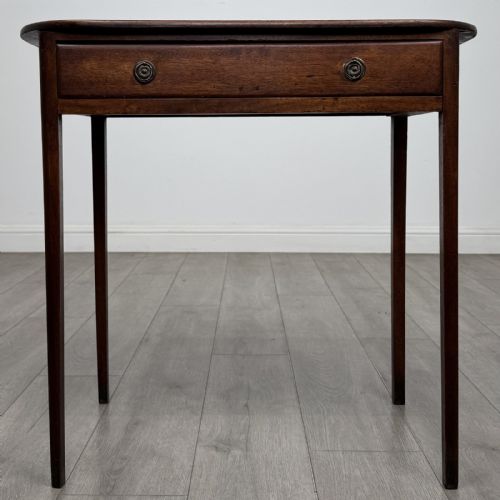
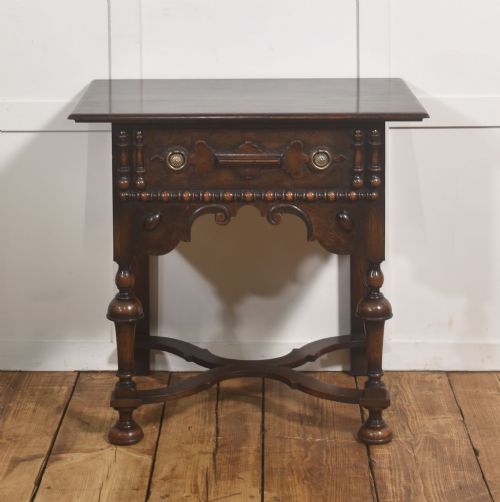
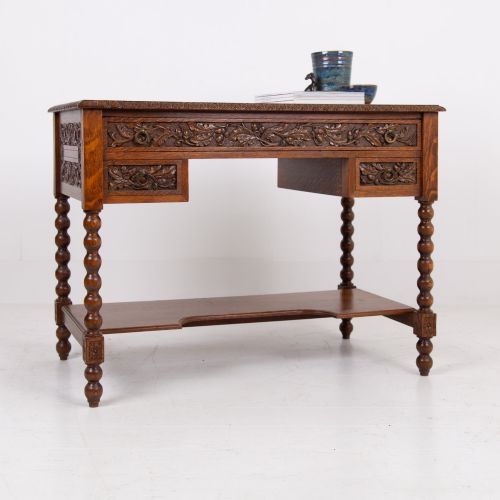
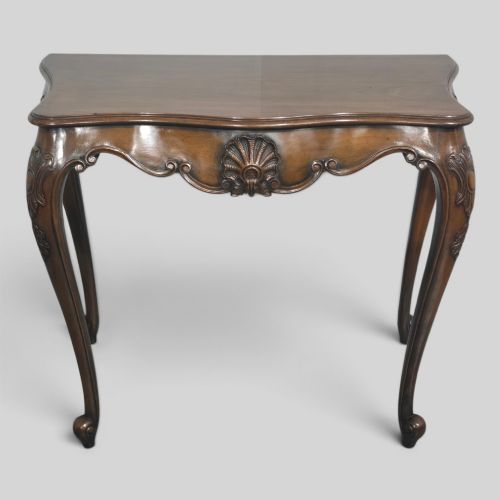
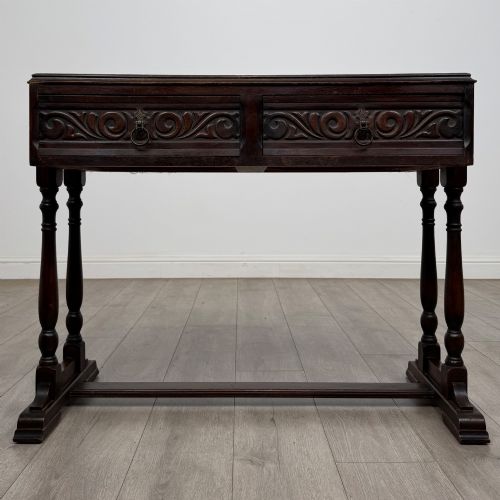
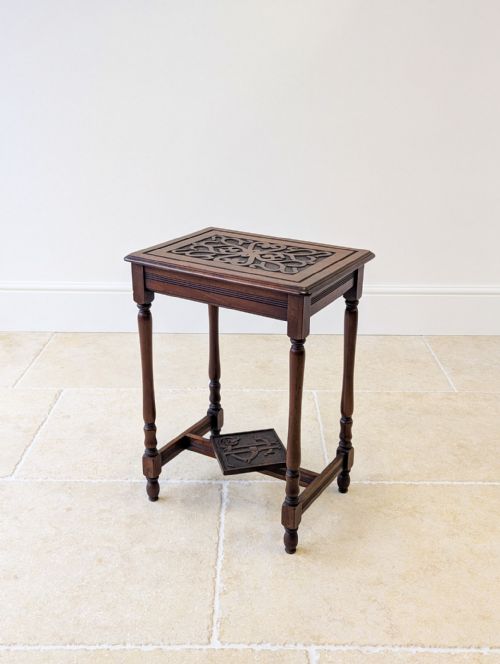
Vintage Dark Wood Console
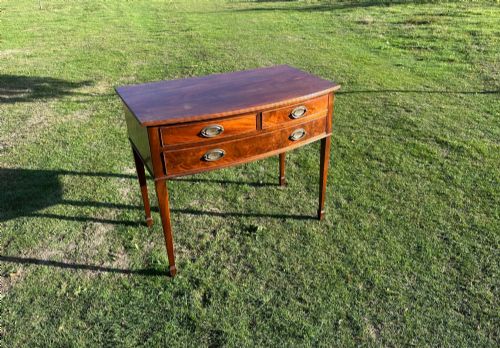
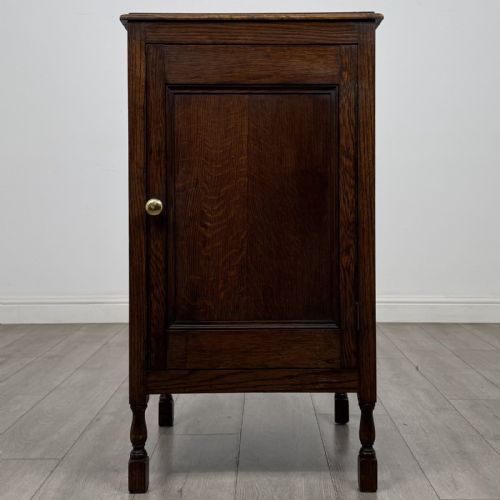
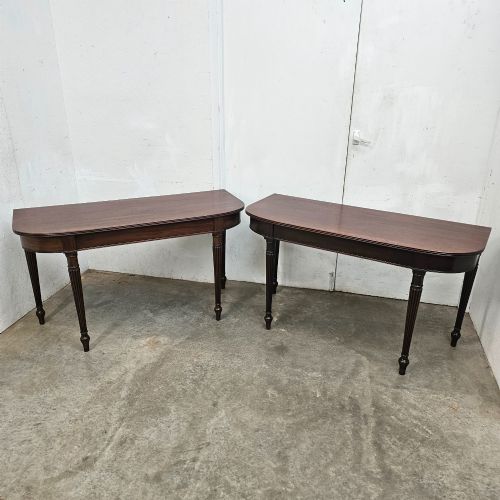
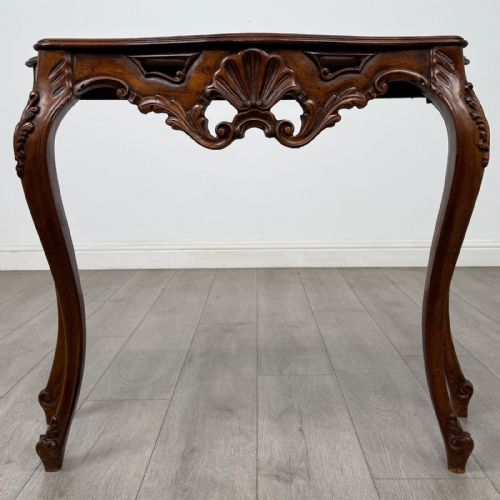
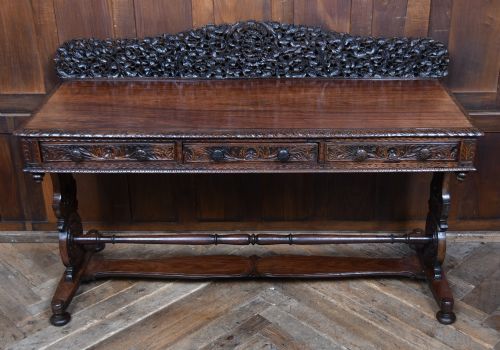
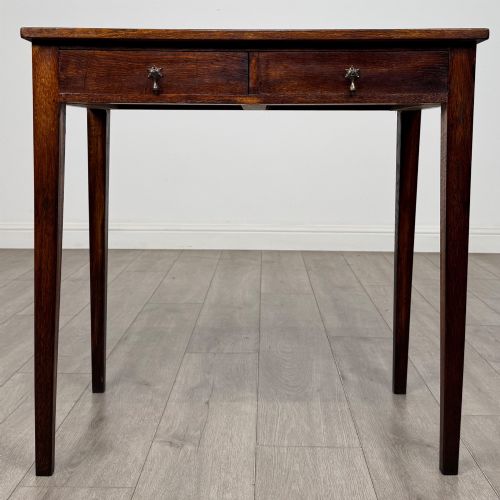
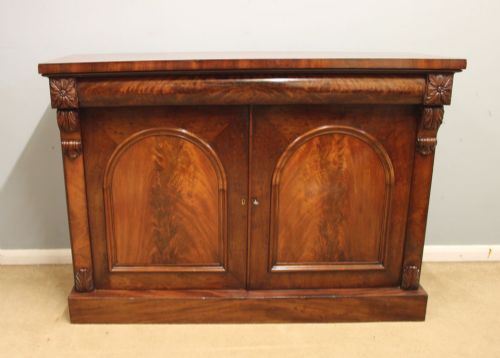
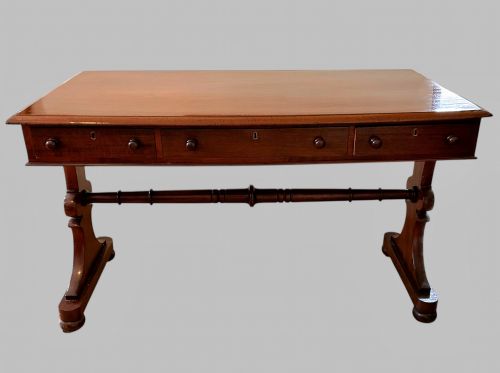
A vintage dark wood console grounds an entrance or hallway with rich timber tones and practical surface space.

Vintage Dark Wood Console
A vintage dark wood console typically takes the form of a narrow side table, hall table, or serving piece designed to sit flush against a wall. These items emerge from periods ranging across the eighteenth, nineteenth, and early twentieth centuries, spanning Victorian, Edwardian, and Georgian tastes.
The materials you encounter most frequently in these pieces include mahogany, walnut, and oak, often showing deep, saturated grain patterns. Forms vary from simple rectangular side tables to bow-front consoles, demi-lune shapes, and occasional library tables.
Makers and craftsmen utilised dense hardwoods to build functional furniture intended for hallways, reception rooms, and dining spaces. You will find both British vernacular pieces and continental examples, including French and Italian work.
How they were made
Cabinetmakers relied primarily on solid timbers such as mahogany, oak, walnut, and elm, often pairing them with brass hardware for handles and key escutcheons. Surfaces frequently received French polishing or oil finishes to highlight the natural depths of the dark grain.
Construction techniques involve traditional joinery, with drawers featuring hand-cut dovetails and tabletops secured to frames to allow for seasonal wood movement. Certain specialised examples incorporate fossil marble tops or carved decorative elements executed directly into the timber.
Vintage Dark Wood Console Retail Price Guide 2026
Typical asking prices for vintage dark wood console among the pieces listed under this phrase on Sellingantiques today, from the lower quarter to the upper quarter. They describe what is for sale here now, not the wider market.
Several heavy-duty French workbenches complete with built-in wooden clamping bars sit cheek-by-jowl with polished mahogany parlour consoles.
What varies in quality
Quality rests heavily on the selection of the timber and the crispness of the joinery, distinguishing finely figured mahogany or quarter-sawn oak from utilitarian workshop output. Superior pieces display thoughtful proportions, balanced drawer alignments, and hardware that integrates harmoniously with the design.
The depth of the hand-finishing and the integrity of the secondary woods inside drawers indicate the level of care invested by the original maker. Finer consoles maintain structural stability without heavy modern interventions while retaining their original patination.
The Vintage Dark Wood Console Glossary
- Console
- A table designed to stand against a wall, frequently anchored or proportioned for narrow spaces like hallways.
- Lowboy
- A small British side table featuring drawers, commonly raised on four slender legs and dating to earlier centuries.
- Demi-lune
- A half-moon shape used for tables designed to fit tightly against flat wall surfaces.
- Serpentine
- A gently undulating curved front line found on superior case pieces and tables.
- Patina
- The surface sheen and softening of tone developed by timber through age, handling, and light exposure.
Vintage Dark Wood Console: Frequently Asked Questions
Where should I place a console table?
These pieces suit narrow thoroughfares such as hallways, entrance passages, or landings where depth is restricted. They provide a convenient surface for lighting, bowls, or correspondence without blocking foot traffic.
In living rooms or dining areas, they function well behind sofas or against blank walls to display decorative objects or serve meals during gatherings.
What is the difference between a console and a side table?
Historically, console tables were often designed to be fixed to a wall or supported by front legs, while side tables stood independently on four legs. Today, the terms overlap considerably in the marketplace.
Both serve similar functional roles in domestic interiors, though consoles are typically shallower and specifically proportioned for perimeter placement.
How do I identify Victorian pieces?
Victorian furniture often utilises dense mahogany or walnut, displaying darker finishes and heavier proportions than earlier Georgian items. You may notice specific revival motifs or robust turning on the legs.
Examining the drawer construction and secondary woods underneath can also help confirm the nineteenth-century origins of the piece.