
Vintage Cutlery Set
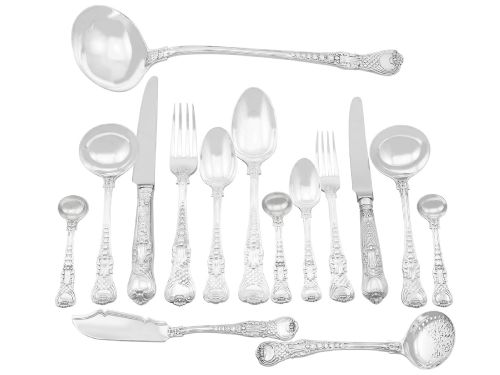
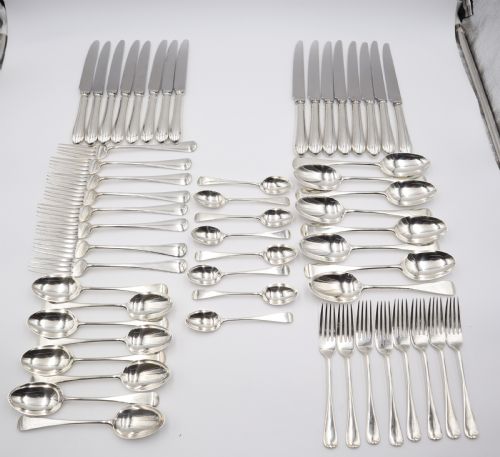
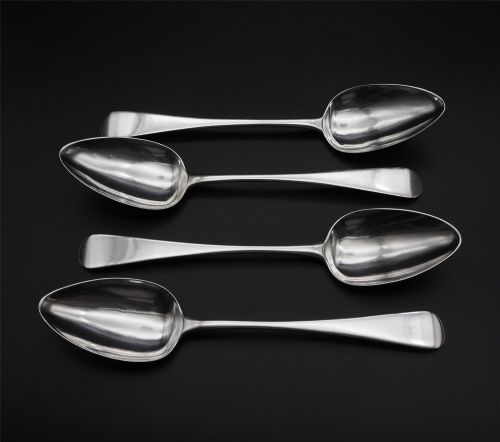
When you search for a vintage cutlery set, you are looking at matched groups of silver, silver plate, and steel used for dining and serving across multiple periods.
Vintage Cutlery Set
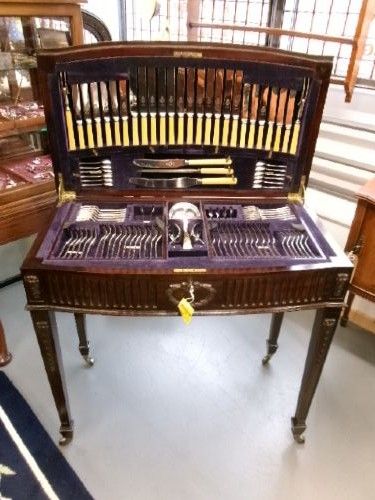
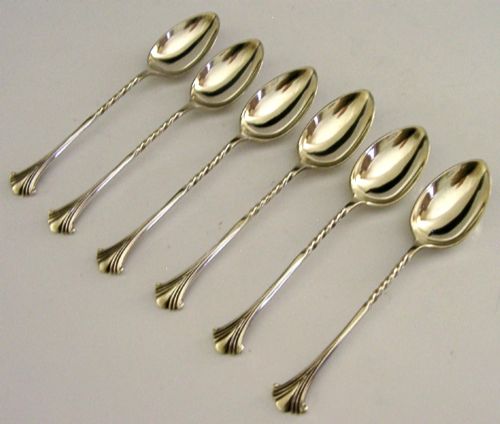
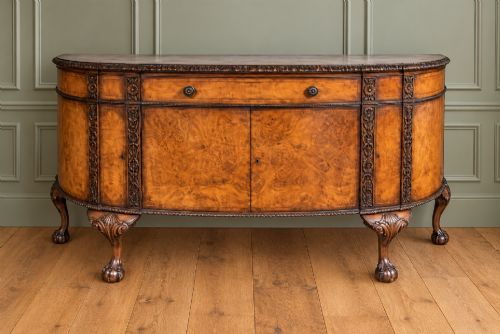
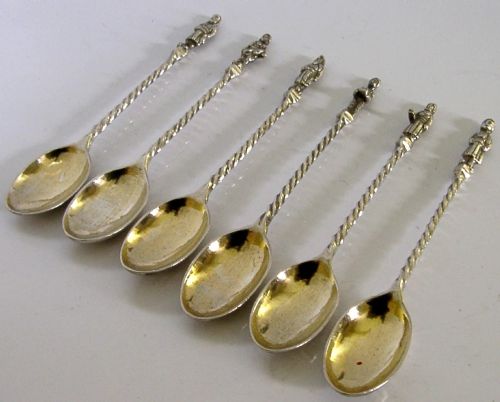
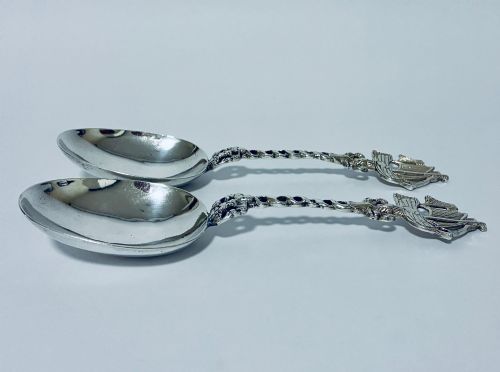
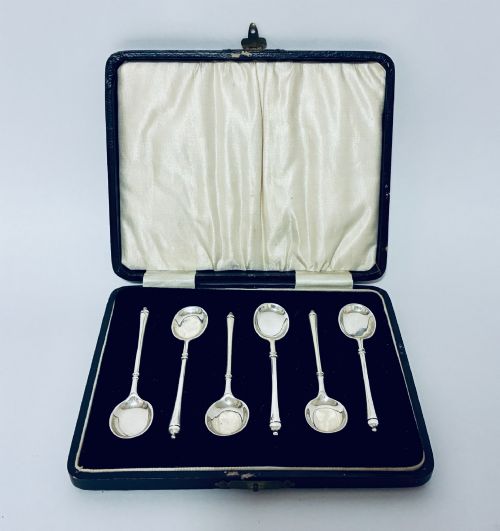
A vintage cutlery set encompasses everything from full canteens housed in fitted boxes and sideboards to smaller groups of teaspoons, dessert knives, and specialist serving pieces. These collections span eras from the Georgian period through the Victorian, Edwardian, and Art Deco years into the mid-century modern era.
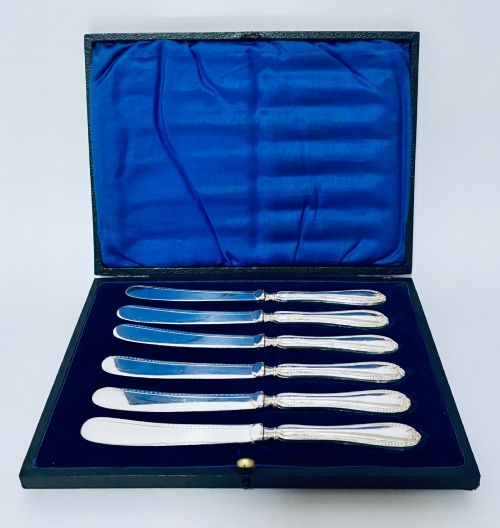
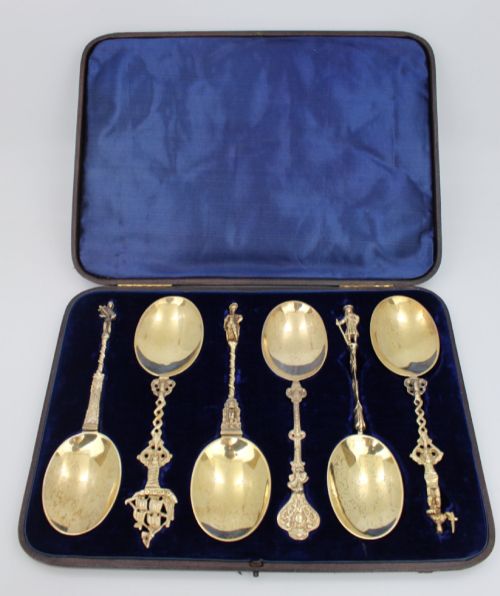
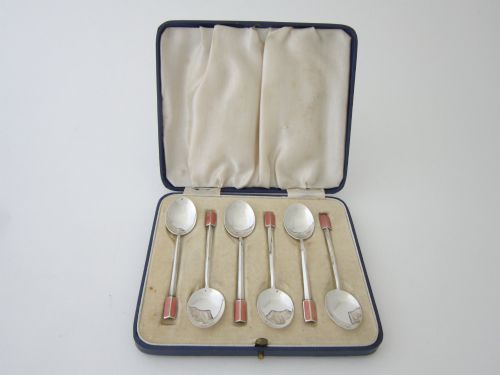
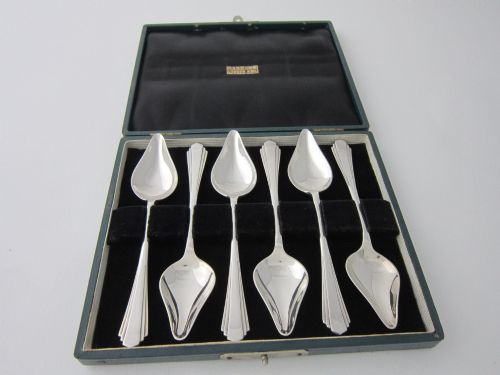
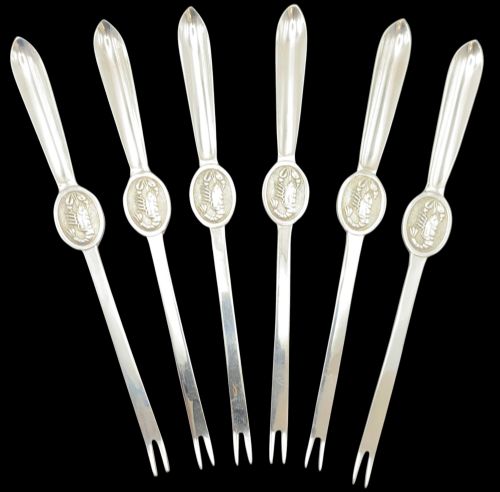
Buyers will encounter cased sets lined in silk, velvet, or leatherette, alongside loose collections gathered for everyday dining or display. The forms range widely, including standard flatware, grapefruit spoons, lobster picks, salad servers, and butter knives.
Most examples originate from British workshops, though continental and international makers appear regularly in sterling silver and silver plate. Each grouping reflects the dining habits and social customs of its specific decade.
Materials and construction
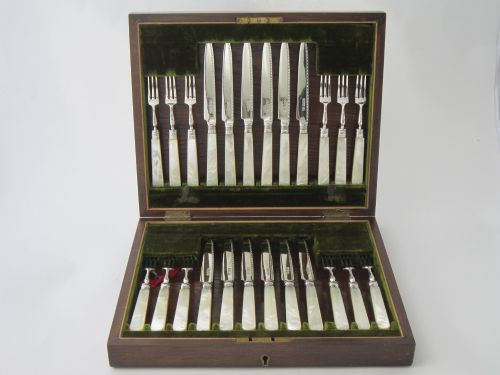
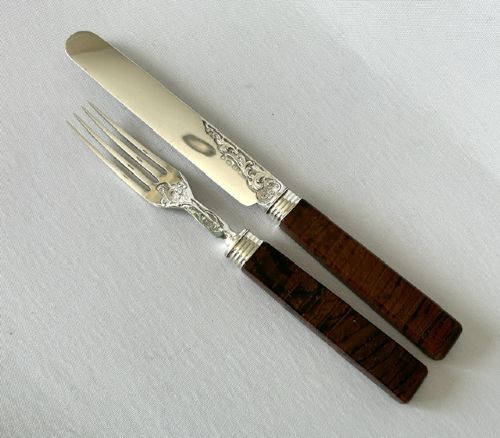
The primary materials recorded are sterling silver and silver plate, frequently paired with steel blades for knives and forks. Handles utilise alternative materials such as mother of pearl, agate, antler horn, and glass alongside solid metal.
Many sets feature specialist techniques including rat tail joints, figural casting, and delicate hand engraving on fish servers and fruit knives. Fitted storage boxes utilise wood like burr walnut and teak, lined with soft fabrics to protect the metal surfaces.
Materials recorded across the archive include sterling silver, silver plate, steel, velvet, silk, leatherette, and fabric.
Assessing the standard
Quality in a set depends upon the integrity of the metalwork, the weight of the silver, and the preservation of original fitted cases. Full canteens with complete, matching pieces command greater attention than assembled groupings.
The finesse of subsidiary materials such as carved mother of pearl handles or engraved floral patterns on serving pieces distinguishes finer examples from standard utility ware.
Hamilton & Inches·Christofle·Tiffany·Georg Jensen·Suckling Ltd
The Vintage Cutlery Set Glossary
- Flatware
- Table cutlery including spoons and forks designed for general dining. The term covers both solid silver and silver plated variations.
- Canteen
- A fitted box, chest, or cabinet designed to hold a complete set of cutlery securely. These often feature multiple internal tiers lined in velvet or silk.
- Rat tail
- A traditional strengthening tongue on the underside of a spoon bowl where it meets the stem. This feature appears on early serving servers.
- Serving set
- Pairs or small groups created for specific foods such as fish, salad, or carving. They are frequently larger than standard dining pieces and often cased.
Vintage Cutlery Set: Frequently Asked Questions
How do I clean tarnished silver cutlery?
Use a specialised silver polish and a soft cloth to gently remove tarnish without scratching the metal surface. Avoid abrasive pads or harsh chemical dips that can damage intricate engravings.
Store cleaned pieces in lined boxes or anti-tarnish rolls to minimise future exposure to air and moisture.
Can I use antique cutlery every day?
Sterling silver and heavy silver plate tolerate regular daily use provided they are washed by hand rather than placed in a dishwasher. Dishwasher heat and detergents warp organic handle materials like mother of pearl and pit silver surfaces.
Dry pieces promptly after washing to prevent water spotting and maintain the polish of the metal.
What is the difference between sterling and plate?
Sterling silver consists of solid precious metal meeting a specific legal purity standard, usually marked with assay office hallmarks. Silver plate involves a thin layer of silver bonded to a base metal core such as copper or nickel brass.
Markings on the reverse of the pieces usually identify whether an item is solid sterling or plated.
How should I store a large cutlery set?
Keep complete sets in their original fitted wooden canteens or lined presentation boxes where individual slots prevent scratching. If a box is absent, use flannel rolls designed specifically to separate flatware pieces.
Store boxes in dry environments away from direct sunlight and extreme temperature fluctuations.