

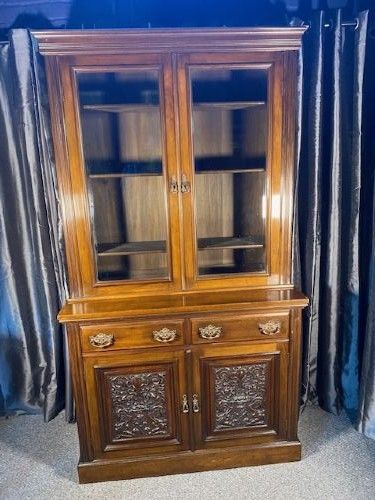
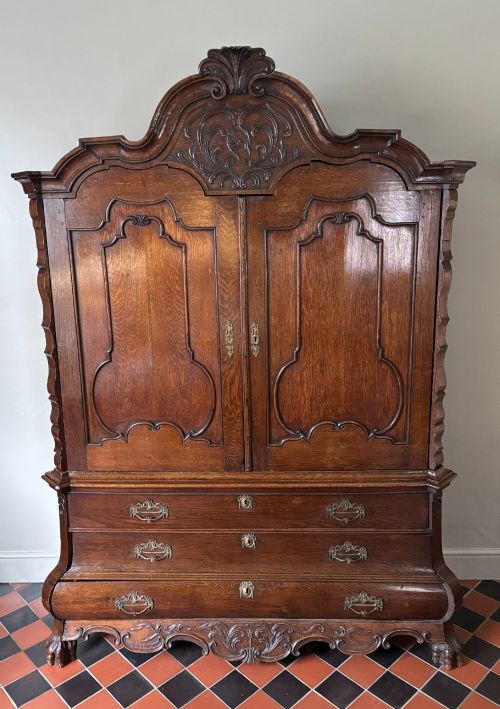
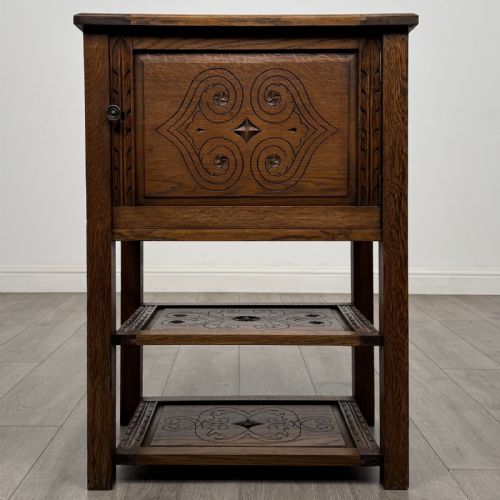
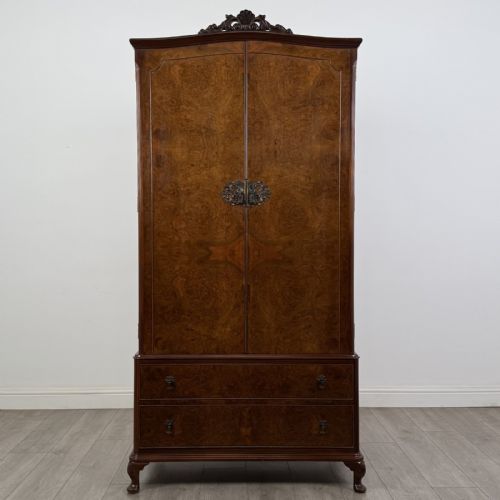
Vintage Cupboard
A vintage cupboard holds your daily things behind timber doors, offering simple storage built with solid character.
Vintage Cupboard
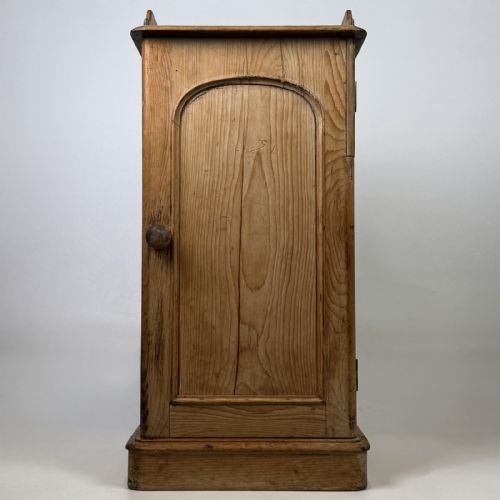
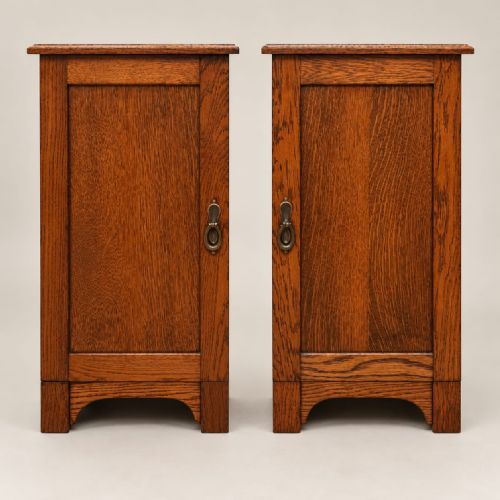
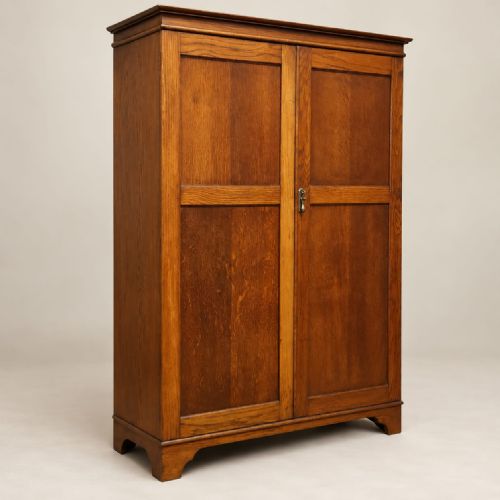
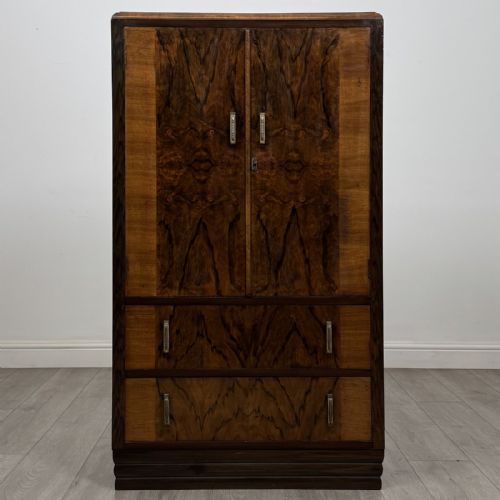
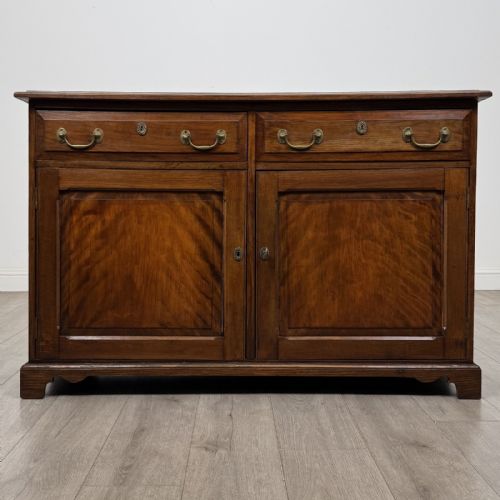
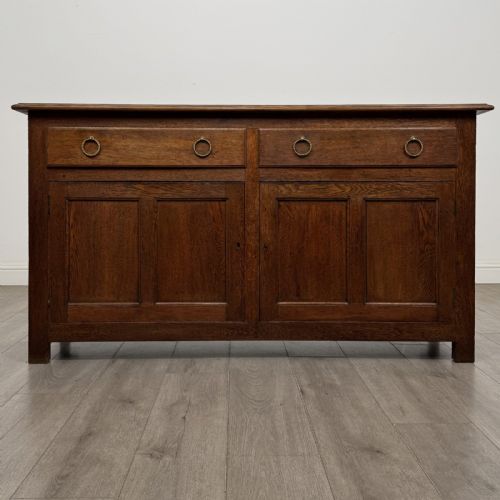
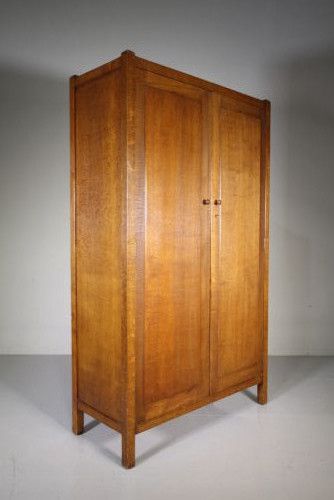
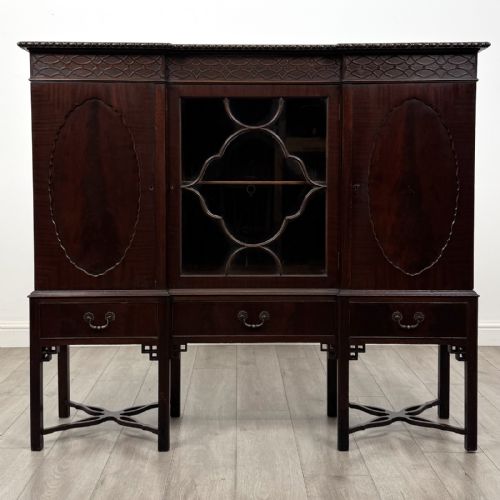
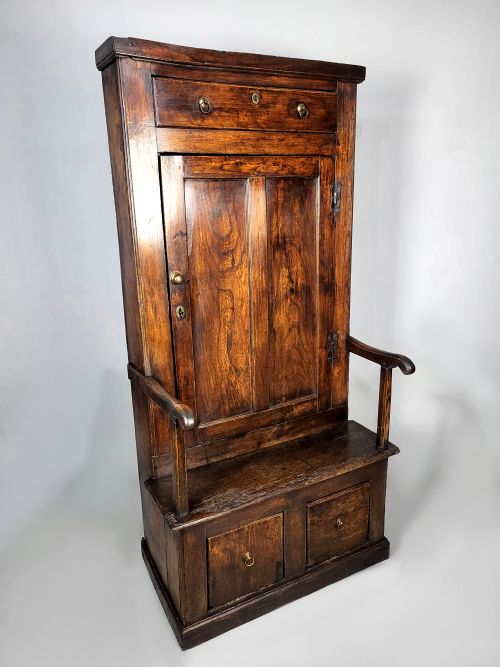
When you search for a vintage cupboard, you find practical storage furniture ranging from small bedside units to tall oak sideboards and display cabinets. These pieces serve to organise rooms while bringing period presence through timber grain and traditional joinery.
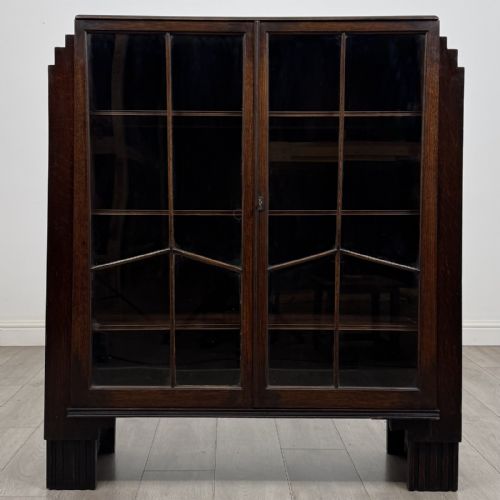
The selections span eras from the Victorian and Edwardian decades into the 1920s and 1930s Art Deco movement. You encounter sturdy oak sideboards alongside mahogany display cabinets, French painted pine tables, and walnut wall units.
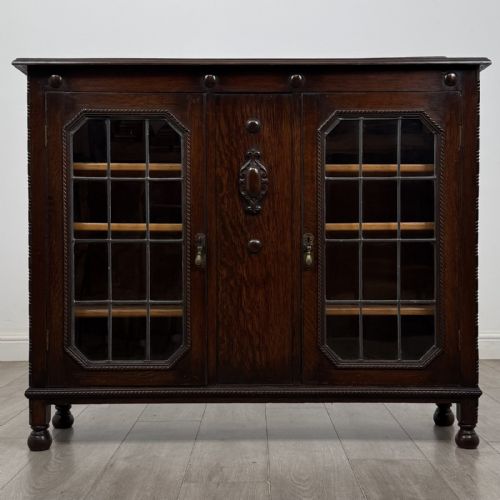
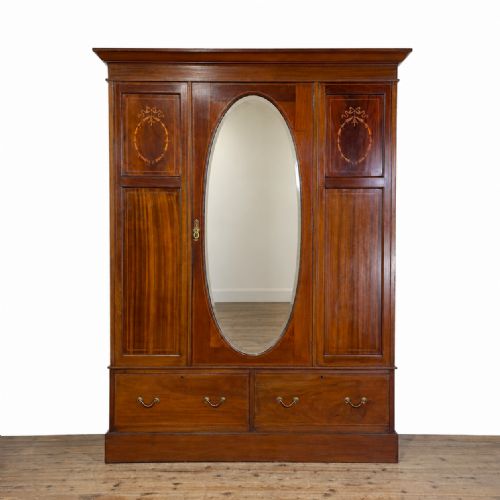
Edwardian mahogany cabinets with inlaid details and glazed doors appear frequently alongside twentieth-century carved oak cupboards featuring turned legs or barley twist supports. Each form reflects the domestic storage needs of its original household.
Materials and Construction
Carpenters built these cupboards primarily using solid hardwoods like oak and mahogany, often applying burr walnut or satin birch veneers for decorative effect. Brass hardware, inset marble tops, and glass panels complete the structural composition of the better examples.
Makers utilised traditional jointing methods, tongue-and-groove backing, and hand-carved details to ensure daily durability. Drawer linings and interior shelving typically rely on secondary timbers shaped with hand planes.
Vintage Cupboard Retail Price Guide 2026
Typical asking prices for vintage cupboard among the pieces listed under this phrase on Sellingantiques today, from the lower quarter to the upper quarter. They describe what is for sale here now, not the wider market.
Some Edwardian oak cupboards stand firmly on twist legs, ready to wobble into your heart.
Assessing Craftsmanship
The distinction between ordinary and superior pieces lies in the selection of timber figures, such as flame mahogany or burr walnut, and the precision of inlaid marquetry. Better workshops employed heavier brass handles and thicker marble slabs that sit flush against the timber.
Structural integrity depends on how cleanly the panel doors close and how smoothly drawers slide within their runners. Refined carving, balanced proportions, and original glass panes elevate a piece above standard utility items.
Heals·Heals Of London·Rushworth's·E Gomme
The Vintage Cupboard Glossary
- Sideboard
- A low storage piece fitted with cupboards and drawers, traditionally placed in a dining room for tableware.
- Display Cabinet
- A glazed storage unit designed to showcase china and decorative objects behind glass doors.
- Inlay
- A decorative technique where contrasting woods or shell are fitted flush into the primary timber surface.
- Marquetry
- Elaborate veneer patterns arranged to create pictorial or geometric designs across cabinet doors.
- Gallery
- A low decorative rail raised around the top surface of a small cabinet or desk.
Vintage Cupboard: Frequently Asked Questions
What rooms suit a vintage cupboard best?
These cabinets adapt easily to living rooms, hallways, and bedrooms where enclosed shelving keeps clutter out of sight. Their varied heights and depths allow them to fit narrow alcoves or serve as focal points along larger walls.
Matching the wood tone to existing furniture helps integrate a vintage piece into a modern interior scheme without disrupting the room's balance.
How do I care for timber surfaces?
Regular dusting with a dry, soft cloth prevents particle buildup on carved details and polished panels. Applying natural beeswax periodically nourishes the wood and maintains a gentle sheen.
Keep wooden cabinets away from direct heat sources and strong sunlight to prevent the timber from drying out or warping over time.
How are Edwardian pieces told apart from Art Deco ones?
Edwardian cabinets lean towards classical mahogany or inlaid satinwood, often featuring glazed doors, ball and claw feet, or gentle curves. They recall earlier Georgian proportions with decorative refinement.
Art Deco examples embrace geometric simplicity, often utilising satin birch, oak, or exotic veneers with minimal ornamentation and streamlined silhouettes.
Were these cupboards used for clothes or china?
Utility depended entirely on the internal fittings, such as hanging space in wardrobes or fixed shelving in linen presses and display units. Many smaller cabinets served bedside functions with space for night items and books.
Adjustable or fixed shelves indicate service as general storage, whereas drawers and sliding trays point toward specific household chores.