





Vintage Crystal Wine Goblets
Vintage crystal wine goblets bring substance and sparkle to the table, ranging from Georgian baluster stems to Victorian cut glass.
Vintage Crystal Wine Goblets
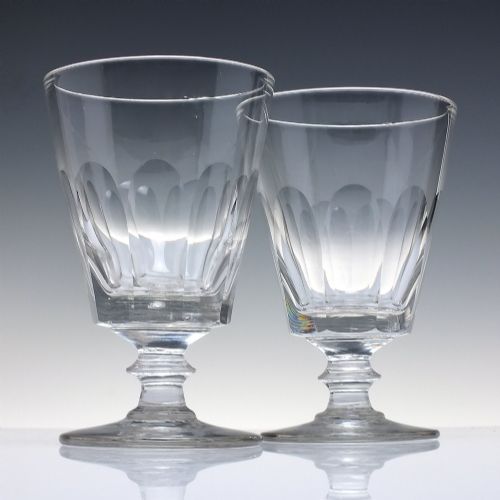
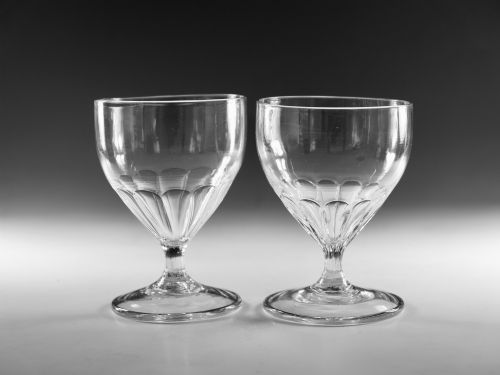
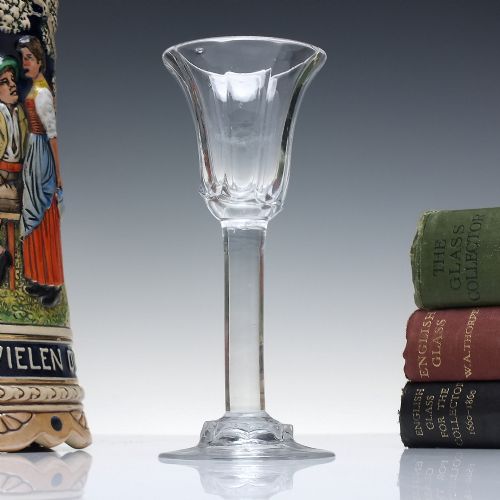
Vintage crystal wine goblets encompass drinking vessels created across the eighteenth, nineteenth, and early twentieth centuries, including Georgian and Victorian examples. When searching this phrase, a buyer meets everything from modest plain stem glasses to heavy cut rummers and delicate enamelled hock glasses.
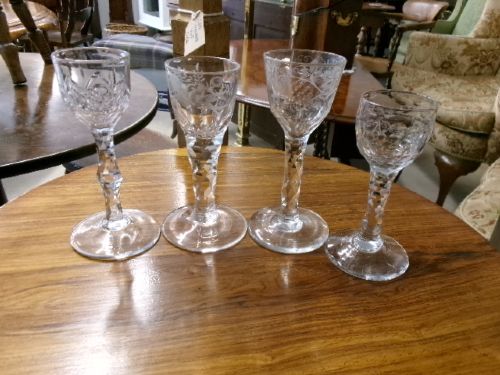
The selection ranges from early English tavern and toast glasses with air twists to continental pieces from makers such as Baccarat, St Louis, and Theresienthal. Forms vary from slender cordial glasses to wide-bowled rummers and tall hock glasses designed for specific table settings.
How they were made
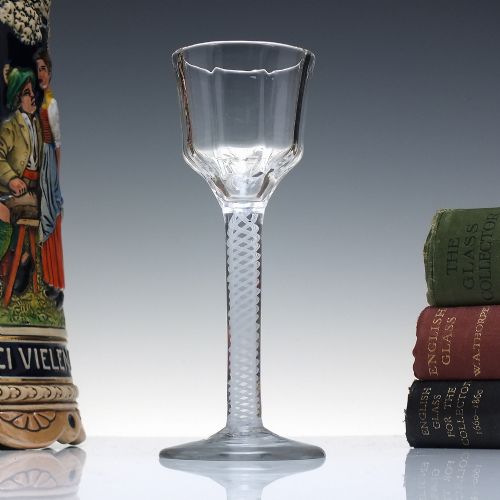
Glassmakers utilised lead glass and crystal, shaping bowls and stems through blowing, moulding, and application of molten metal. Air twists and opaque twists were formed by trapping threads of air or white enamel within the stem during pulling.
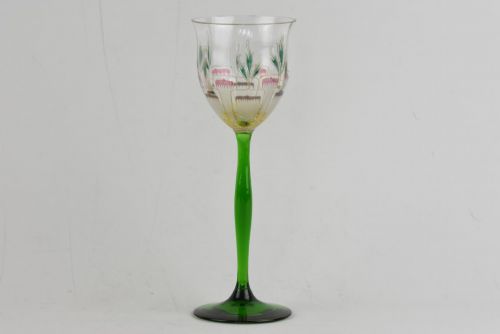
Decoration relied on wheel engraving, acid cutting, intaglio, and hand painting with gold leaf and enamel colours. Facet cutting created geometric patterns that caught the light across Victorian goblets and Edwardian services.
Some Victorian drinkers enjoyed their wine from frosted goblets so cold-looking that guests reached for jumpers before the roast.
What varies in quality
Quality rests upon the clarity of the metal, the crispness of the wheel-cut or engraved details, and the proportional balance between bowl, stem, and foot. Early air twist and opaque twist stems demonstrate the glassblower's precision in maintaining uniform thread patterns without distortion.
The weight and resonance of the lead crystal indicate the density of the material used. Enamelled and gilded decoration shows variation in hand-painting skill, from simple floral motifs to intricate multi-coloured heraldic or botanical scenes.
Baccarat·Theresienthal·Webb Corbett·St Louis Massenet·Stevens & Williams
The Vintage Crystal Wine Goblets Glossary
- Rummer
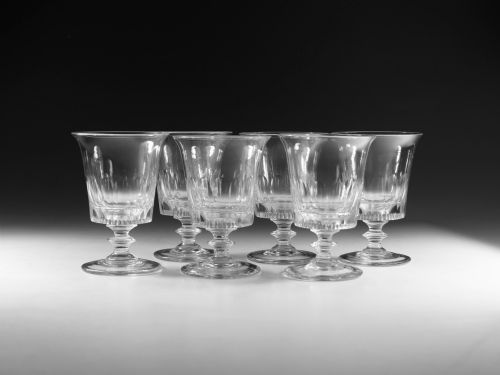
- A large, wide-bowled drinking glass used for wine or ale during the Georgian and Victorian periods. These pieces often feature sturdy stems and heavy feet.
- Hock glass
- A tall wine glass traditionally used for German white wines, frequently found with coloured bowls and elaborate enamel or cut decoration. Many examples date from the Victorian and Edwardian eras.
- Air twist
- A stem decoration formed by drawing out air bubbles inside the molten glass to create spiral threads. This technique requires exceptional skill from the glassblower.
- Opaque twist
- A stem style containing white or coloured enamel glass threads twisted into a spiral column. It is a hallmark of mid-eighteenth-century English drinking glasses.
- Ogee bowl
- A bell-shaped bowl with an S-curve profile that curves outward at the rim. This form appears frequently on eighteenth-century wine glasses.
Vintage Crystal Wine Goblets: Frequently Asked Questions
How do I clean vintage crystal wine goblets?
Wash these pieces by hand in warm water using a mild liquid detergent. Avoid sudden temperature changes to protect the old glass.
Dry them immediately with a lint-free cloth to maintain the clear shine of the lead crystal and avoid water spots.
Can I use these antique glasses for everyday dining?
These goblets can be used for special meals and quiet evenings alike, provided they are handled with care. Their sturdy lead glass construction makes them durable enough for the table.
Hand washing remains essential, and storage should keep the thin rims from knocking against other tableware.
What is the difference between a rummer and a wine glass?
Rummers feature much larger, wider bowls and heavier stems designed for heartier pours and robust toasts. Standard wine glasses have more delicate proportions.
Georgian and Victorian rummers also served ale and punch, whereas wine glasses were strictly for lighter vintages.
How can I tell an 18th-century glass from a Victorian one?
Eighteenth-century examples often display simpler hand-blown forms with air twists, opaque twists, or plain baluster stems. The glass metal may show small bubbles and natural variations.
Victorian pieces tend to be heavier, featuring machine-pressed or deeply cut geometric patterns, etched botanical designs, and sometimes coloured overlays.