

Vintage Cut Crystal Glassware
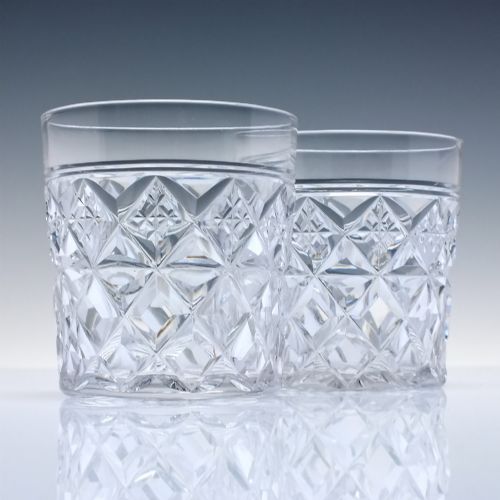
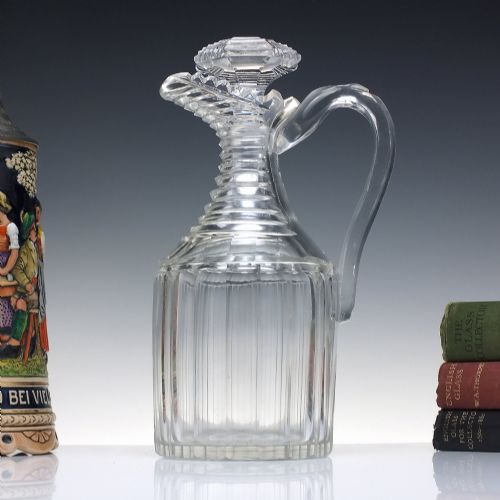
These heavy, refractive vintage cut crystal glassware pieces bring genuine weight and brilliant light to a table, spanning from Georgian regency to Art Deco.
Vintage Cut Crystal Glassware
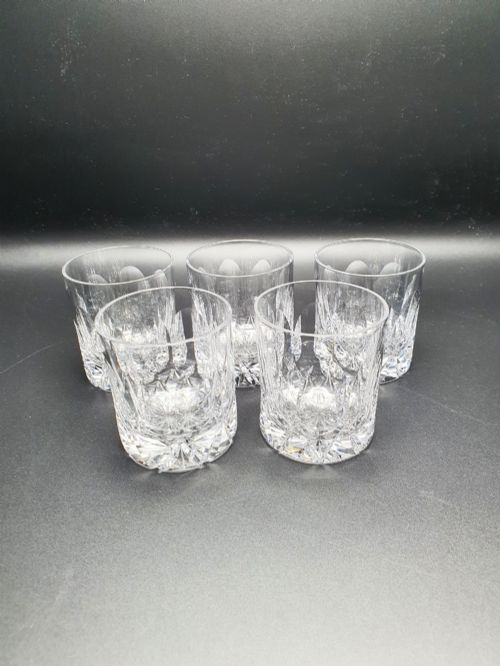
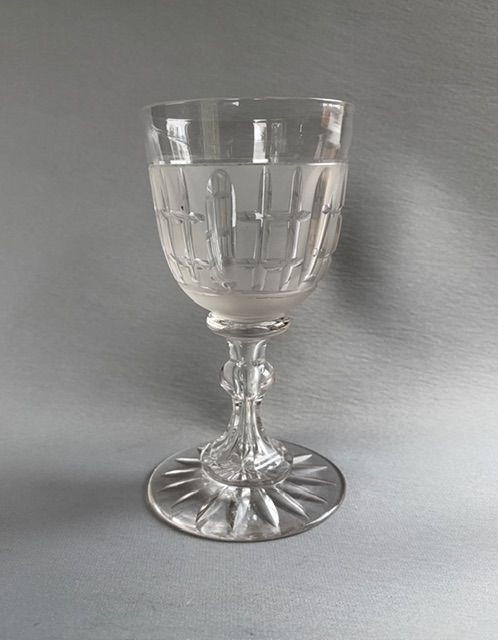
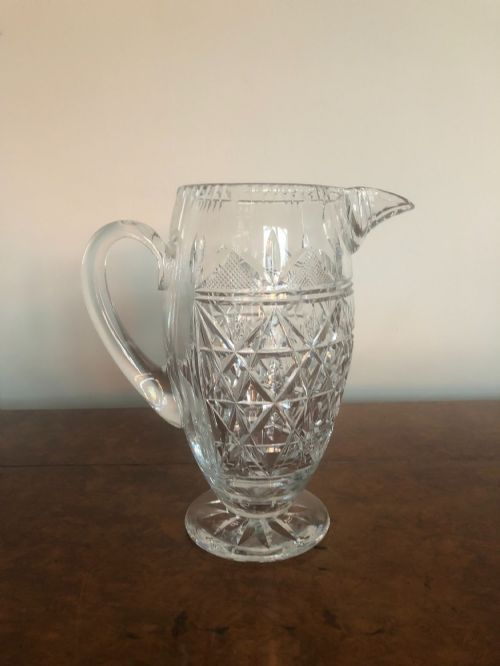
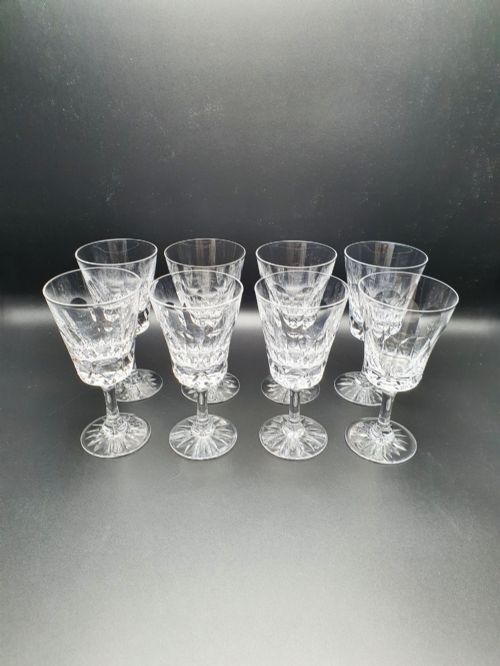
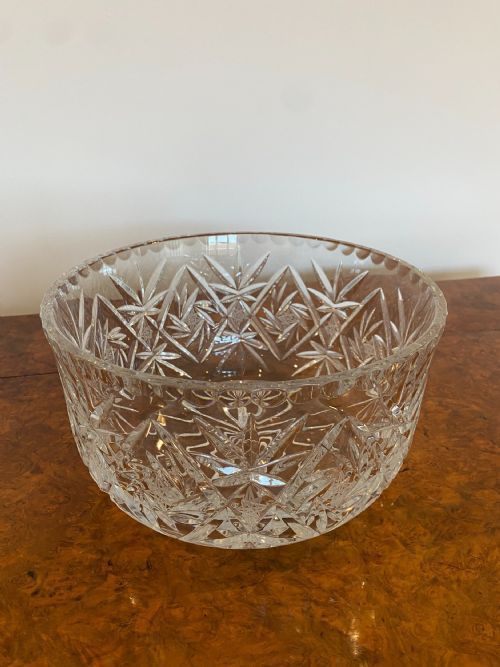
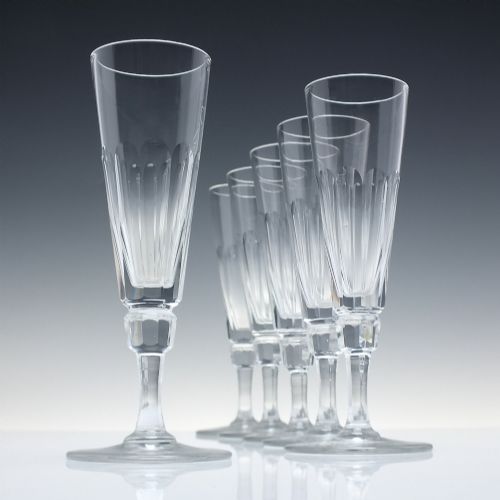
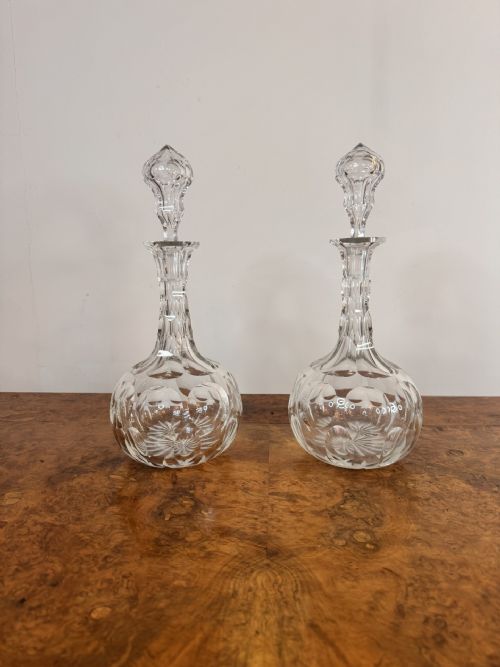
Vintage cut crystal glassware encompasses drinking vessels, decanters, vases and bowls created across the Victorian, Edwardian and Art Deco periods. Buyers seeking vintage cut crystal glassware regularly encounter matching sets of wine glasses, champagne flutes, whisky tumblers and heavy water jugs.
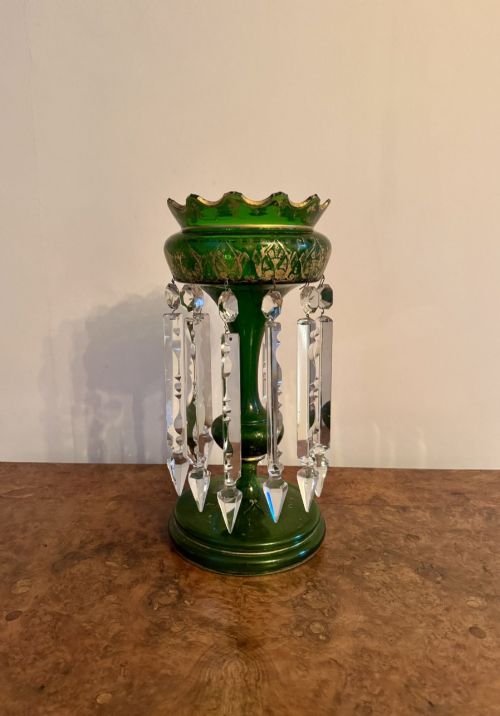
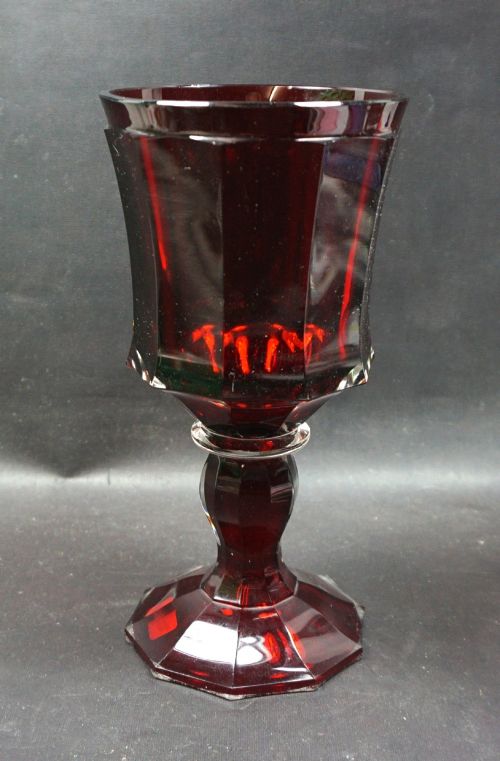
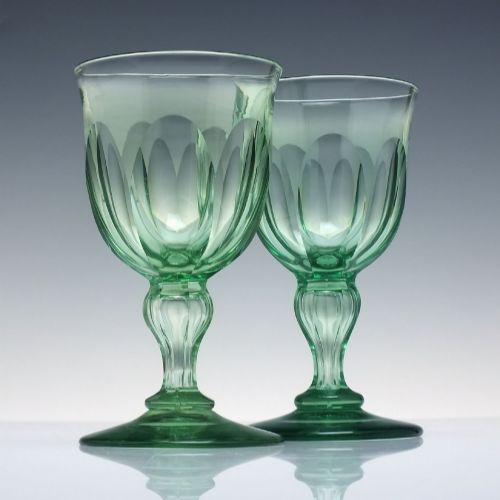
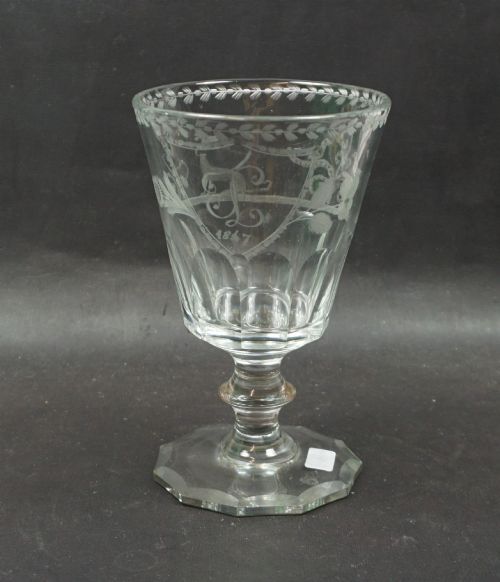
The selection ranges from early Georgian rummers and nineteenth century marriage goblets to twentieth century suites by makers such as Webb and Val Saint Lambert. Pieces appear in clear glass as well as striking over-crystal colours including green, cranberry and red.
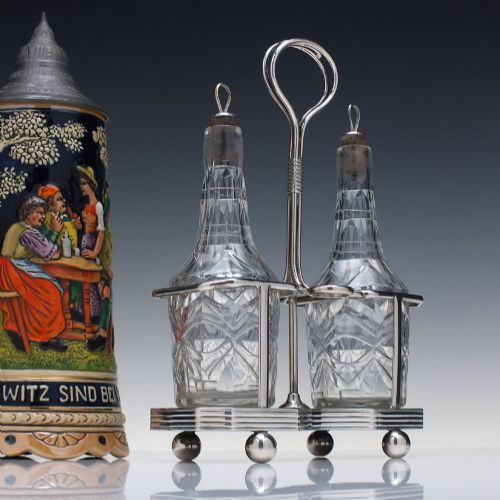
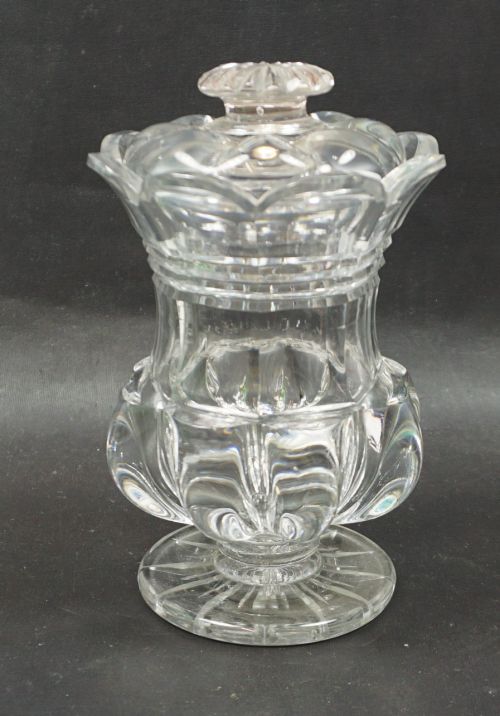
Table service components dominate the offerings, alongside decorative centrepieces like fruit bowls, preserve jars and engraved carafes. Sets often arrive in matched groupings or harlequin assortments spanning multiple decades.
How they were made
Craftsmen shaped these items using lead glass and crystal, utilising traditional blowing and pillar moulding techniques before applying wheel-cut and engraved decoration. The inclusion of lead in the glass compound increased both density and refractive index, allowing deep facets to catch the light.
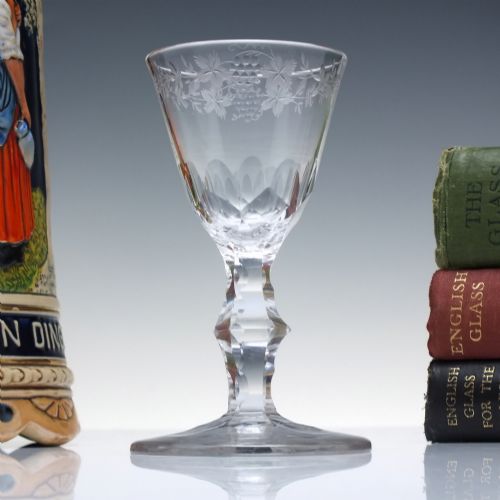
Surface ornamentation combined geometric cutting with intricate intaglio engraving, frosted details, and casing methods where coloured glass layers were cut away to reveal clear crystal beneath. Finishing touches involved hand-polishing facets to achieve a brilliant, glass-like transparency.
Vintage Cut Crystal Glassware Retail Price Guide 2026
Typical asking prices for vintage cut crystal glassware among the pieces listed under this phrase on Sellingantiques today, from the lower quarter to the upper quarter. They describe what is for sale here now, not the wider market.
Listings feature lead crystal and clear glass forms spanning the Georgian, Victorian, Edwardian, and Art Deco eras.
What varies in quality
The distinction between ordinary and exceptional pieces lies in the crispness of the wheel-cutting and the weight of the metal itself. Deeper, sharper facets and heavier lead crystal composition produce a clearer ring when struck and a more intense refraction of light.
Design coherence and factory provenance elevate specific items, particularly where renowned houses like Baccarat or Webb Corbett executed the engraving. Fine proportion in the stem, foot base and bowl profile dictates the overall success of drinking vessels and decanters.
Stuart Crystal·Webb·Baccarat·Charles Graffart for VSL·Joseph Simon for Val St. Lambert·Webb Corbett
The Vintage Cut Crystal Glassware Glossary
- Lead Crystal
- Glass containing a high percentage of lead oxide, which adds weight, brilliance, and softness for easier wheel-cutting. This material forms the foundation of heavy Victorian and Edwardian tablewares.
- Intaglio
- A design carved into the surface of the glass rather than left in relief. This technique creates recessed motifs that catch light from behind.
- Rummer
- A large, heavy-stemmed drinking glass popular during the Georgian and Victorian eras for ale, cider or wine. They typically feature wide foot bases and faceted bowls.
- Harlequin Set
- A collection of individual glasses that share a similar period or style but do not form an original factory-matched set. These groupings offer a varied table presentation.
- Over Crystal
- A technique where a layer of coloured glass is fused over a clear crystal base and partially cut away. This process exposes the contrasting clear layer beneath in intricate patterns.
Vintage Cut Crystal Glassware: Frequently Asked Questions
How do I clean antique crystal safely?
Wash pieces by hand in warm water using mild detergent, placing a towel at the bottom of the sink to cushion the heavy metal. Avoid sudden temperature changes to prevent thermal shock.
Dry immediately with a lint-free cloth to maintain the brilliance of the cut facets and prevent water spots from forming on the lead glass.
Can I use these glasses every day?
Many people enjoy integrating these sturdy Victorian and Edwardian vessels into daily dining and evening drinks. Their solid construction makes them suitable for regular use.
Hand washing remains essential to protect the polished surfaces and engraved details from the harsh detergents and high heat of automatic dishwashers.
How do I date a piece of cut glass?
Examine the weight, depth of cutting, and foot base characteristics to determine the manufacturing era. Georgian and early Victorian pieces often feature pontil marks and thicker, hand-finished stems.
Later Edwardian and Art Deco items display more standardised machine-polished facets and occasional factory signatures or monograms corresponding to historical periods.
What is the difference between glass and crystal?
Crystal contains lead oxide, which alters the molecular structure to create a heavier, softer material that can be deeply cut without fracturing. This composition yields superior light refraction.
Standard glass lacks this lead content, resulting in a lighter weight and less acoustic resonance when tapped compared to true lead crystal.