

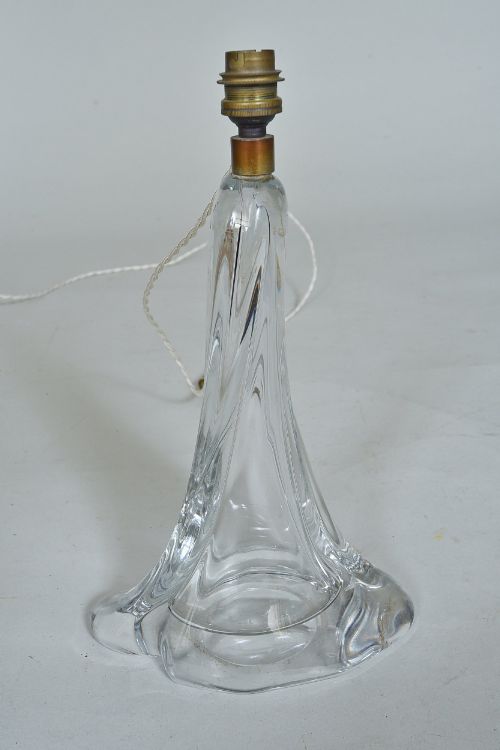
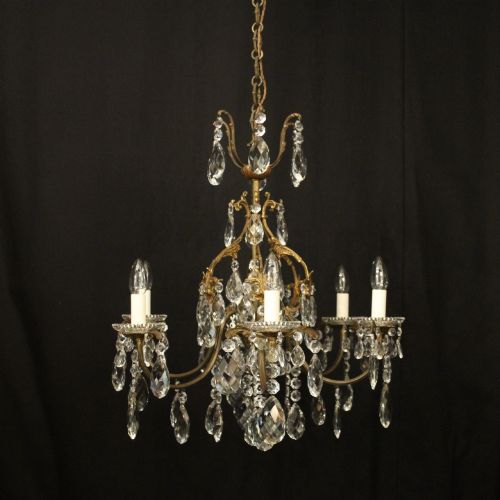
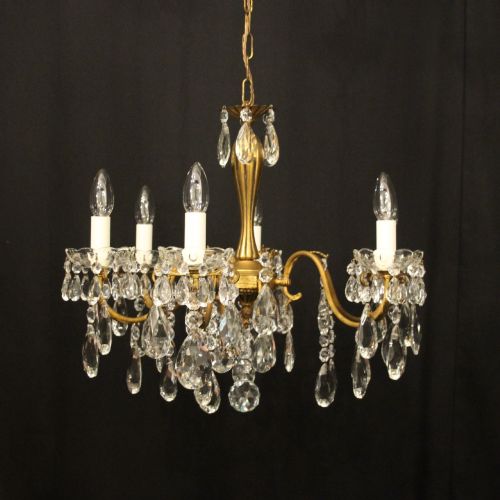
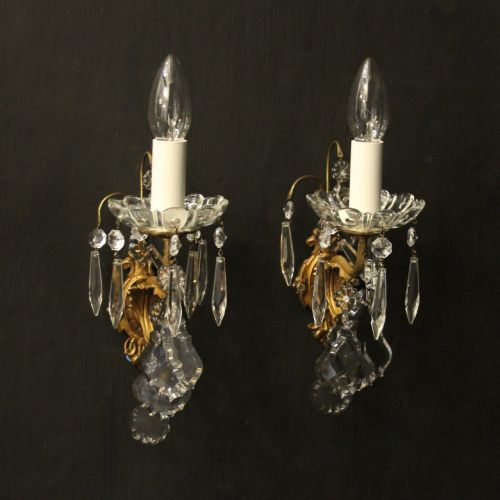
Vintage Crystal Glass
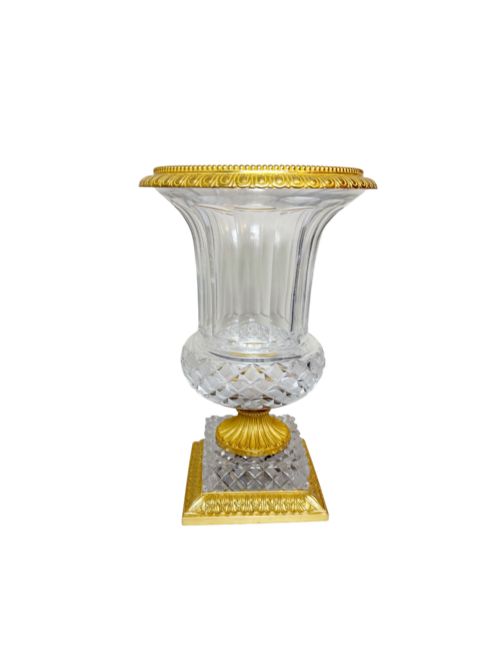
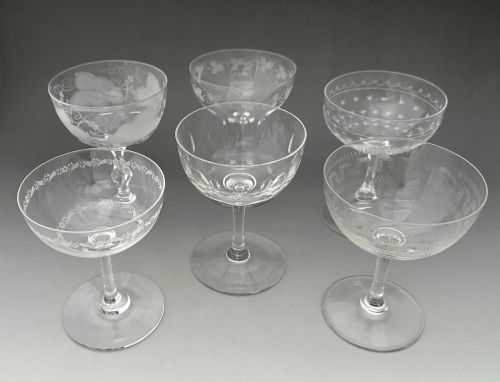
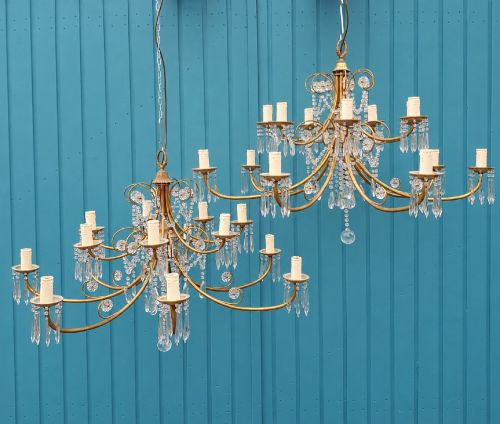
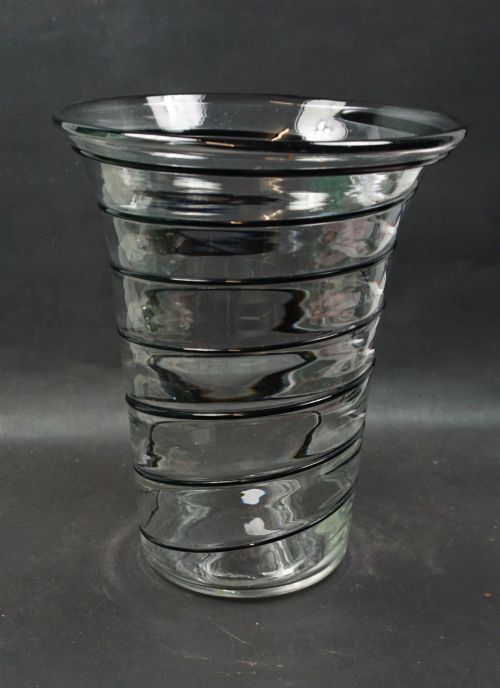
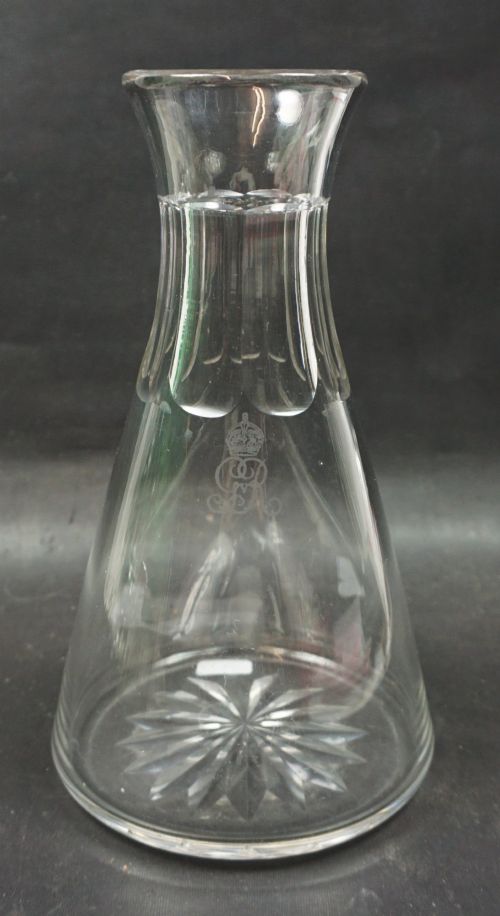
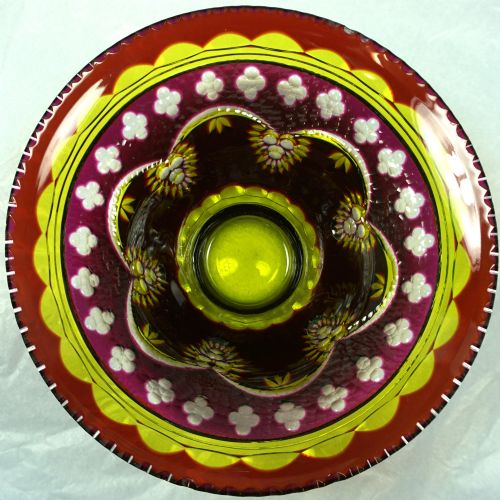
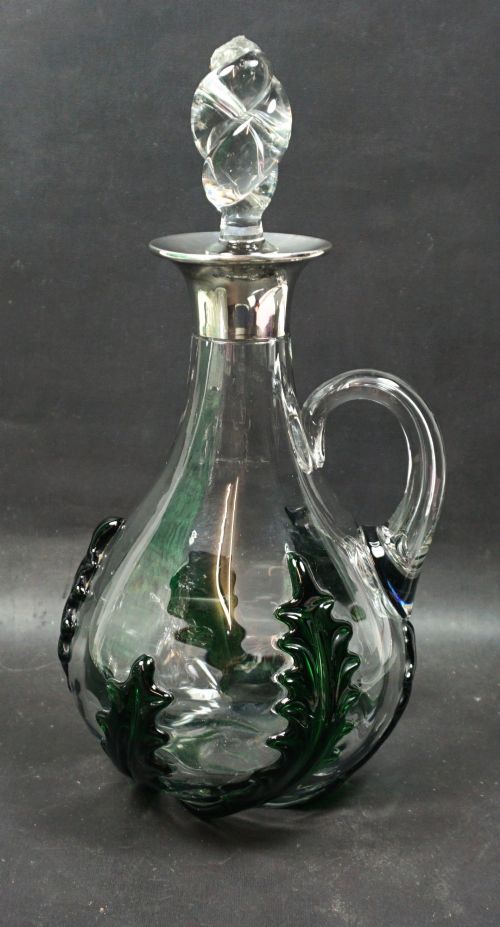
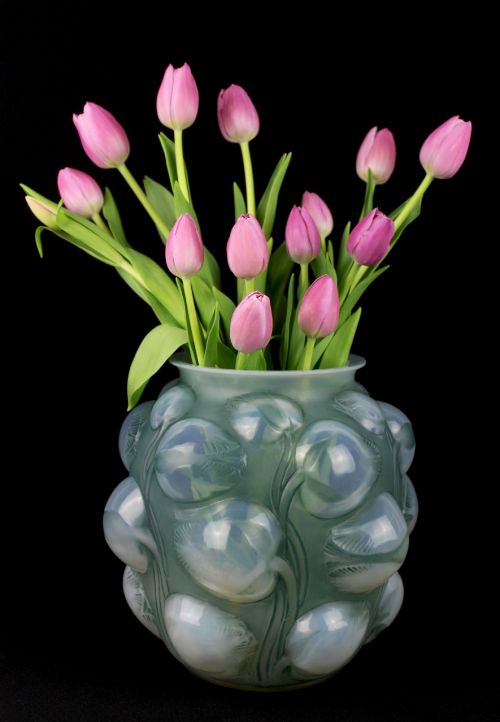
These vintage crystal glass pieces catch the light with genuine weight and refractive depth, bringing an established elegance to a room.
Vintage Crystal Glass
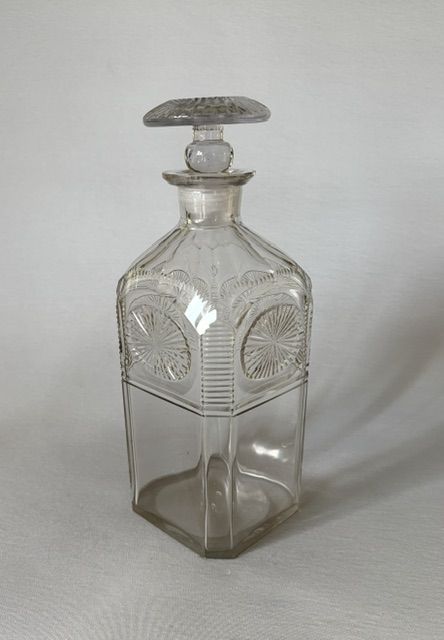
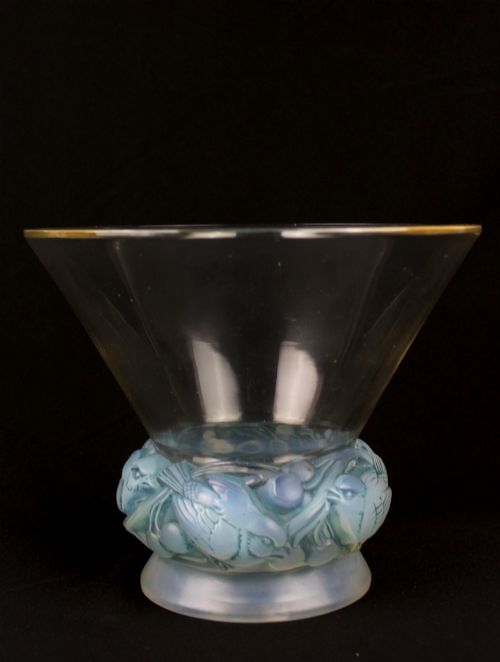
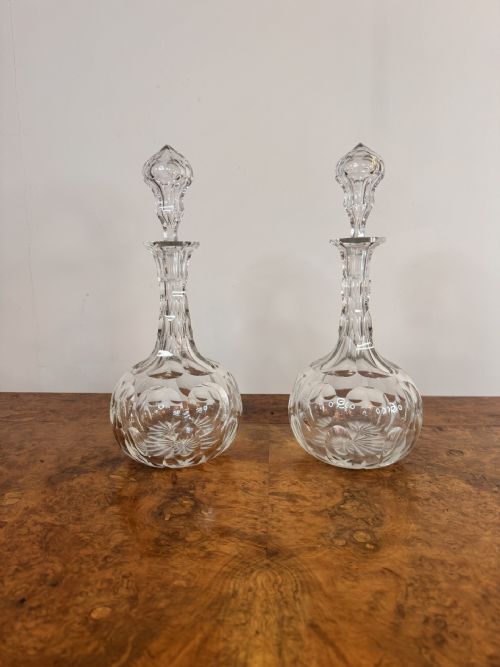
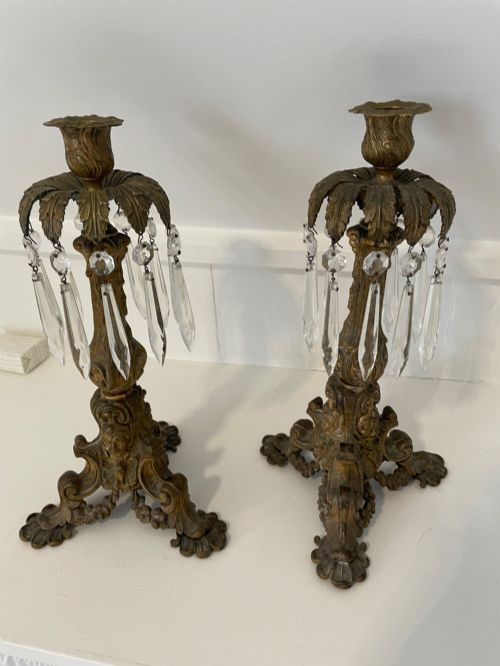
When you search for vintage crystal glass, you encounter everything from grand chandeliers to delicate stemware and heavy decanters. The pieces span periods from the eighteenth century through the Edwardian era, Victorian times, and into the nineteen-twenties and nineteen-thirties. You are most likely to meet French chandeliers, Georgian wine glasses, and cut glass decanters on this page.
The assortment includes table glass, lighting, and serving sets shaped by distinct historical periods such as Art Deco, French Empire, and French Rococo. Forms range from tall champagne flutes and ale glasses to large multi-tier spike and tent chandeliers. Each object serves a functional or decorative purpose rooted in its original domestic setting.
Origins stretch across British, French, Italian, and Bohemian workshops, reflecting regional preferences in cutting and engraving. Georgian drinking vessels sit alongside early twentieth-century lighting fixtures fitted with brass, bronze, and gilt mounts. This variety forms a cohesive record of decorative glassware production over several centuries.
How they were made
Makers shaped the glass through blowing, moulding, and intricate hand-cutting to achieve sharp facets and clear refraction. Lead crystal provided a softer material that allowed deeper wheel-engraving and sharper prismatic edges than standard soda glass. Artisans combined these glass elements with metal mounts in brass, gilt bronze, and ormolu.
Lighting fixtures incorporated metal frames, chains, and pins to suspend drops, beads, and waterfalls of crystal. Drinking vessels utilised specialised techniques like opaque twists and air twists within the stems, alongside wheel-engraved bowls. Metalwork elements were cast, chased, and gilded to support heavy glass components securely.
Vintage Crystal Glass Retail Price Guide 2026
Typical asking prices for vintage crystal glass among the pieces listed under this phrase on Sellingantiques today, from the lower quarter to the upper quarter. They describe what is for sale here now, not the wider market.
Certain antique tantalus sets included tiny working locks so hosts could safely ration the brandy from thirsty but light-fingered guests.
What varies in quality
The clarity and weight of the material distinguish superior pieces, driven by higher lead content that increases brilliance. Precision in the wheel-cut facets creates crisp light refraction rather than softened or blurred edges. Engraved decoration shows depth and control, particularly in detailed motifs like hops and barley.
The integration of metal components with glass elements dictates structural harmony. High-grade chandeliers and tantalus sets feature robust bronze or ormolu mounts that securely hold the glass without strain. The matching of crystal drops and the consistency of colour across a set indicate careful initial assembly.
Baccarat
The Vintage Crystal Glass Glossary
- Lead crystal
- Glass containing lead oxide, which increases the weight, refractive index, and clarity of the material. This composition permits deeper and sharper cutting.
- Tent chandelier
- A lighting fixture featuring a conical upper section of strung crystal beads that falls outward toward a circlet. This design became popular in eighteenth and nineteenth-century interiors.
- Opaque twist
- A stem form in drinking glasses produced by drawing out coloured enamel glass rods within clear metal. It appears frequently in eighteenth-century English tavern and toast glasses.
- Tantalus
- A locking wooden or metal frame that holds decanters visible but secure from unauthorized access. The name derives from the mythological figure punished with eternal thirst.
- Baluster stem
- A heavy, turned stem profile on drinking vessels resembling an architectural column. It defines numerous Georgian wine glasses and goblets.
Vintage Crystal Glass: Frequently Asked Questions
How do I clean vintage crystal chandeliers?
Dust the glass elements gently with a soft ostrich feather brush to remove surface particles without disturbing the wire connections. For a deeper clean, wipe each pendant individually using a lint-free cloth dampened with a mild solution of warm water and plain spirit.
Avoid using harsh chemical detergents that can strip gilt finishes or corrode the underlying metal frames and pins. Ensure the power source is switched off entirely before handling any lighting fixture.
Are eighteenth-century wine glasses safe to use?
These drinking vessels remain functional, though their delicate stems and thin bowls require careful handling during use and washing. Hand washing in lukewarm water with mild soap protects the antique glass from thermal shock and mechanical damage.
Modern dishwashers subject older crystal to excessive heat and abrasive detergents that cause clouding and surface etching. Storing them upright on stable shelves prevents stress fractures along the foot and rim.
How can I tell a decanter is from the Georgian period?
Georgian decanters frequently display hand-blown pontil marks on the base alongside heavy cut flutes and three-ring necks. The glass often has a darker, heavier feel with occasional minute bubbles trapped within the metal.
Matching stoppers are hand-ground to fit individual bottle necks rather than being mass-produced to standard sizes. The silhouettes lean toward mallet, shaft-and-globe, or club shapes.