




Vintage Crossover Ring
A vintage crossover ring brings opposing gems into an embrace, offering a fluid silhouette that collectors prize for its elegance.
Understanding the vintage crossover ring
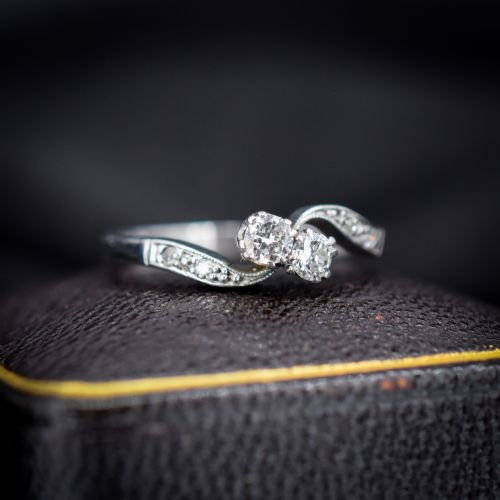
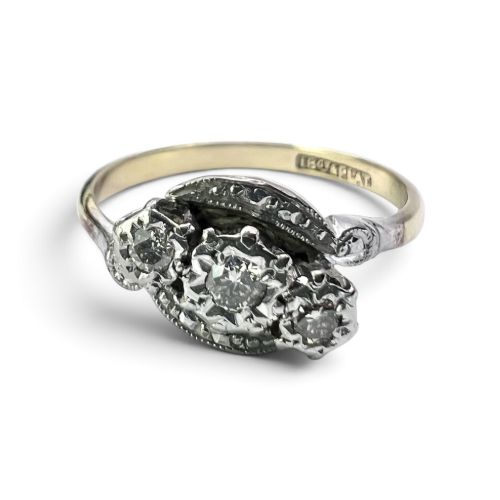
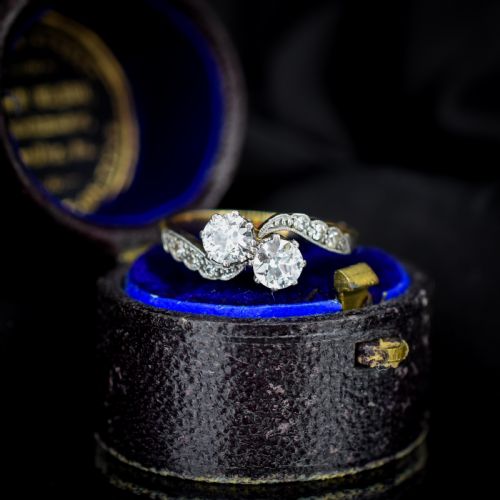
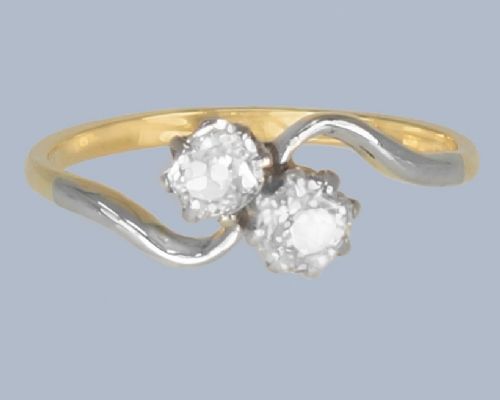
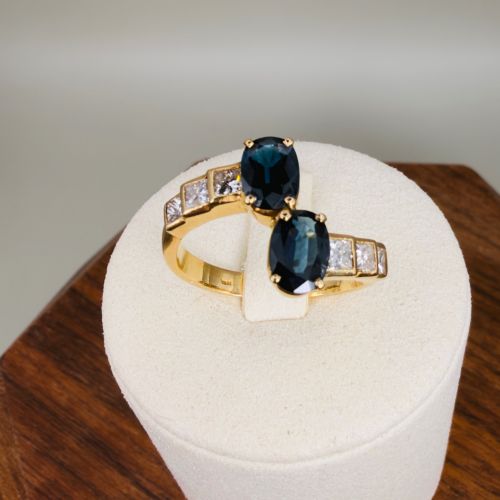
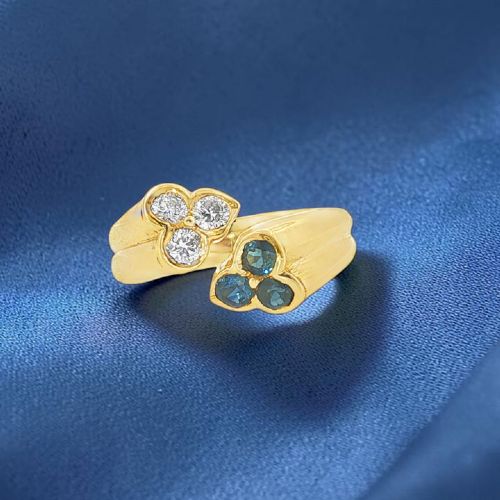
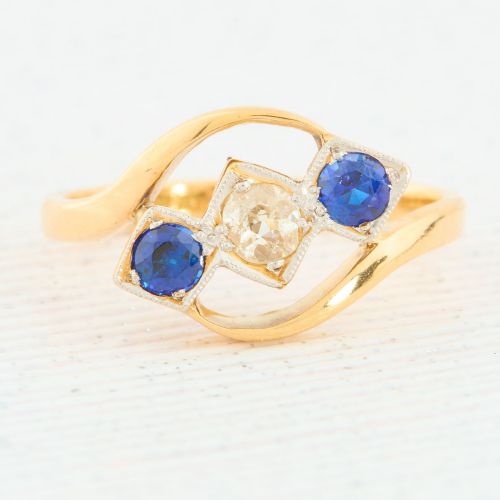
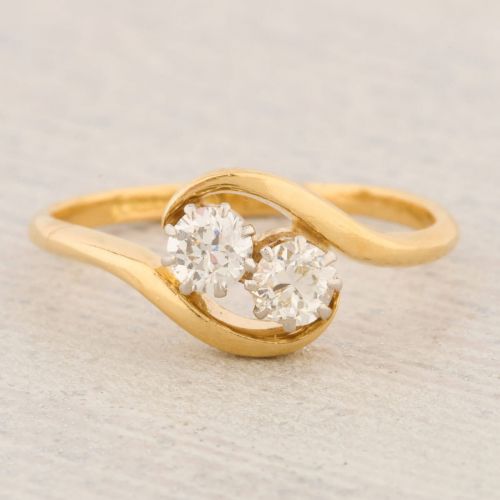
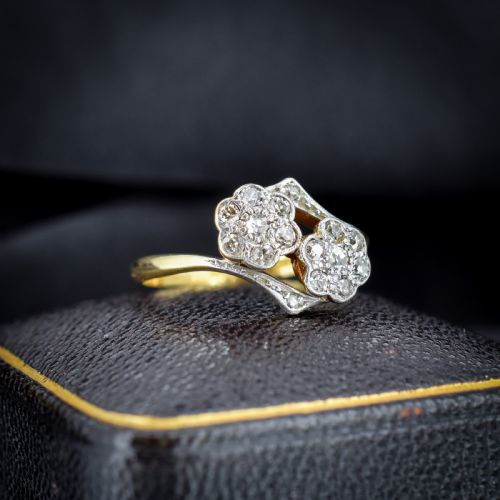
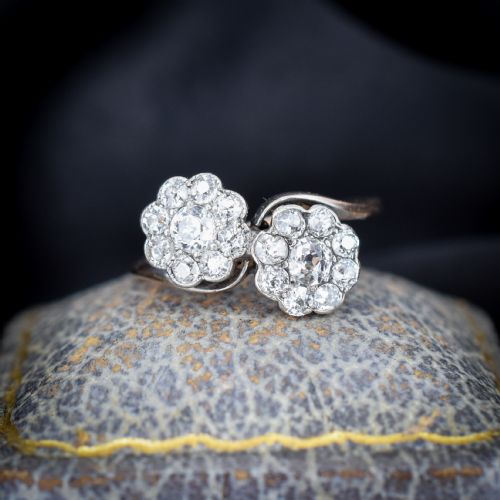
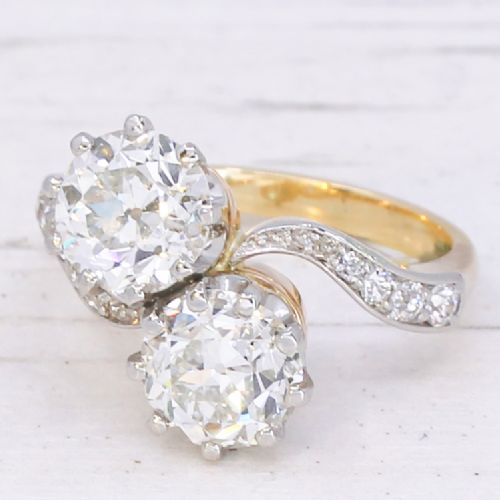
A vintage crossover ring positions two or more principal stones so their settings gently entwine or cross over the finger. These pieces appear across the Edwardian era, the nineteen thirties, and nineteen seventies vintage periods, taking the form of classic two-stone designs, toi et moi configurations, and twist rings.
The layout showcases paired gemstones, frequently pairing a diamond with a sapphire, a ruby, a natural pearl, or a second diamond. Examples range from platinum settings to eighteen-carat yellow gold, eighteen-carat white gold, and combinations of gold and silver.
Edwardian interpretations favour platinum and yellow gold with old cut diamonds and natural pearls, whilst later nineteen seventies examples utilise heavy eighteen-carat yellow gold alongside sapphires and diamonds.
Materials and construction
Goldsmiths construct these rings using durable precious metals including platinum, eighteen-carat yellow gold, eighteen-carat white gold, and silver. Metal selection dictates the weight and colour profile of the mount, ranging from bright white platinum to rich yellow gold.
Gemstones are secured using claw settings, rub-over mounts, or platinum settings designed to accentuate old cut diamonds, natural pearls, rubies, and sapphires. Construction involves meticulous shaping of the shank so the two opposing sides curve smoothly past one another.
Retail Price Guide 2026
Typical UK retail prices for vintage crossover ring, calculated from the Sellingantiques database of over a million retail prices indexed since 2003. This retail price guide relies exclusively on Sellingantiques data; no external sources or auction records are used, so the figures do not describe the wider market.
Early twentieth-century makers ensured two stones could hold a conversation on your finger without ever touching.
Assessing quality and craftsmanship
Quality rests in the harmony of the proportions and the precision with which the shoulders meet and cross the finger. Superior examples maintain structural integrity in the crossover point without sacrificing the delicate flow of the design.
The selection and matching of the gemstones define the upper tier of these pieces, particularly when old cut diamonds, sapphires, or natural pearls exhibit balanced size, colour, and lustre.
Kutchinsky·Ciro
The Vintage Crossover Ring Glossary
- Crossover ring
- A ring design where the shank sweeps around to cross over itself, typically holding two main stones side by side. This configuration creates a dynamic profile on the hand.
- Toi et Moi
- French for you and me, describing a ring featuring two main gemstones nestled close together. It represents a romantic pairing of stones of equal or complementary importance.
- Old cut diamond
- A diamond cut by hand before modern machinery, featuring a smaller table, higher crown, and deep culet. These stones possess a distinctive, softer candlelight sparkle.
- Natural pearl
- A pearl formed organically in a mollusc without human intervention. These organic gems appear in early twentieth-century pieces alongside diamonds.
Frequently Asked Questions
What is a crossover ring?
A crossover ring is a jewellery design where the band curves and crosses over the finger, often bringing two primary gemstones together in a shared embrace. This style creates a distinctive, flowing silhouette.
These pieces span several decades, appearing in Edwardian platinum and gold, Art Deco white gold, and nineteen seventies yellow gold variations.
How do you wear a vintage crossover ring?
You wear a crossover ring on its own to let the intricate curving shank and paired gemstones remain the focal point. The unique shape sits comfortably alongside the natural contour of the hand.
Many collectors pair them with simple stacking bands if the crossover profile allows the rings to sit flush.
What is a toi et moi ring?
A toi et moi ring is a specific type of crossover design featuring two distinct gemstones placed side by side. The name translates from French as you and me, symbolising a union of two entities.
Such rings frequently combine diamonds with coloured stones like rubies or sapphires.
How do I date a crossover ring?
Dating relies on examining the metal choices, gem cutting styles, and manufacturing techniques used in the piece. Edwardian examples often feature platinum-topped gold with old cut diamonds, whilst later decades introduce heavier yellow gold and different stone cuts.
Hallmarks stamped inside the shank also provide direct evidence of the assay office and year of creation.