


Vintage Cream Jug
A vintage cream jug brings small-scale ceramic or silver utility to the table, offering a tangible link to past dining traditions.
Vintage Cream Jug
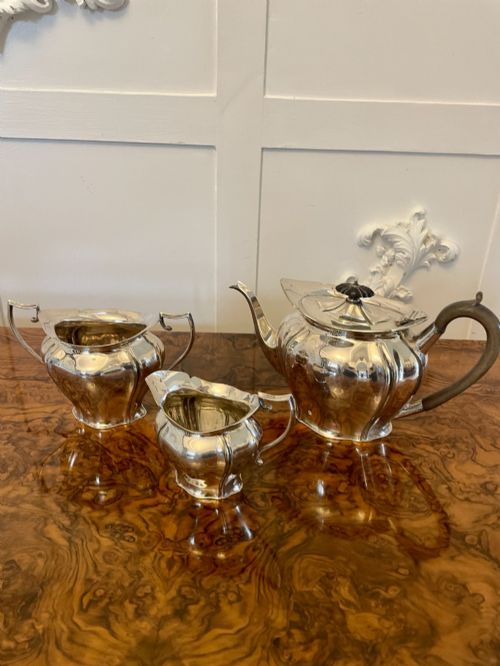
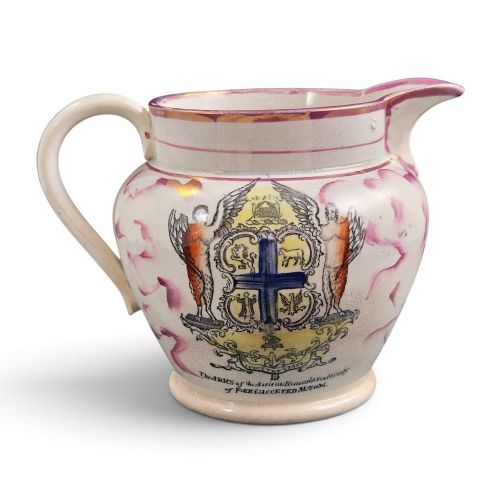
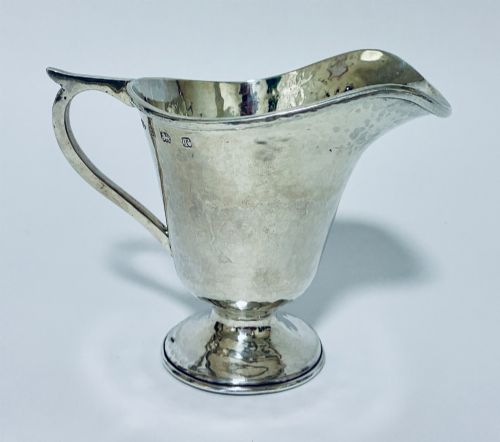
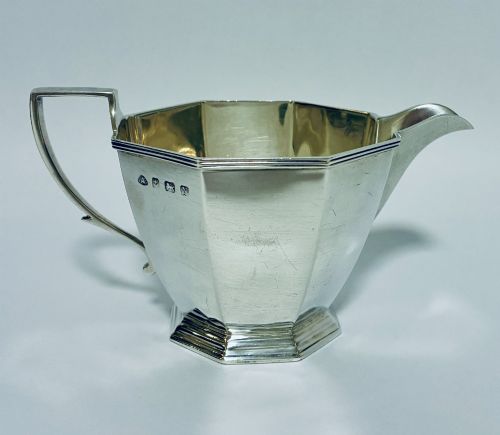
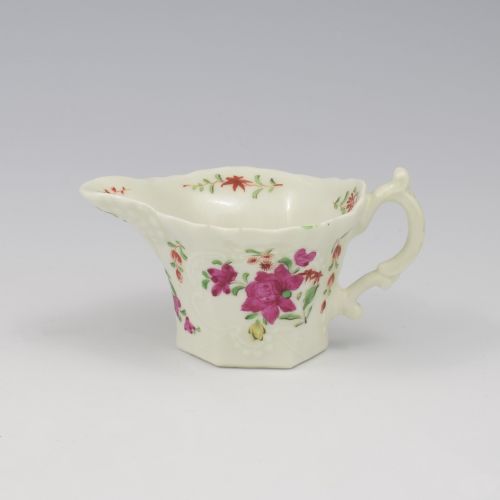
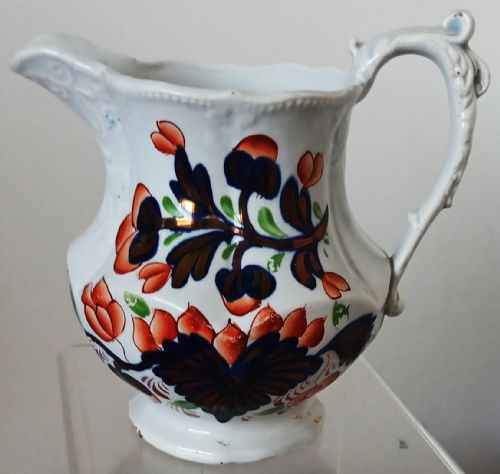
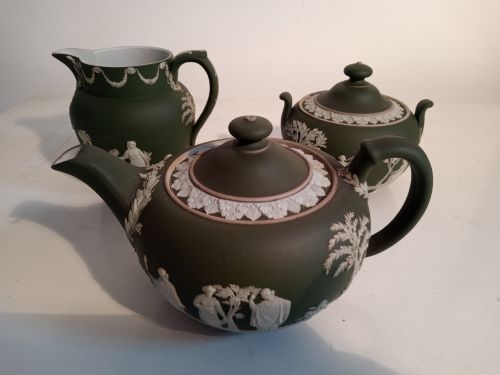
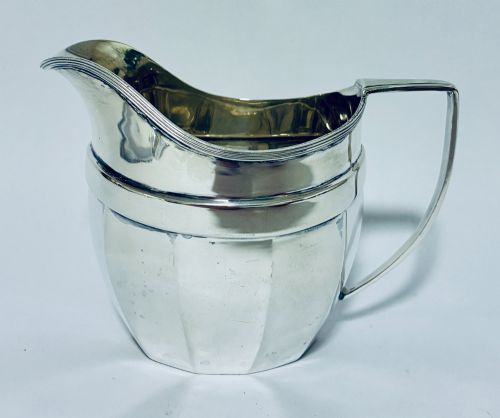
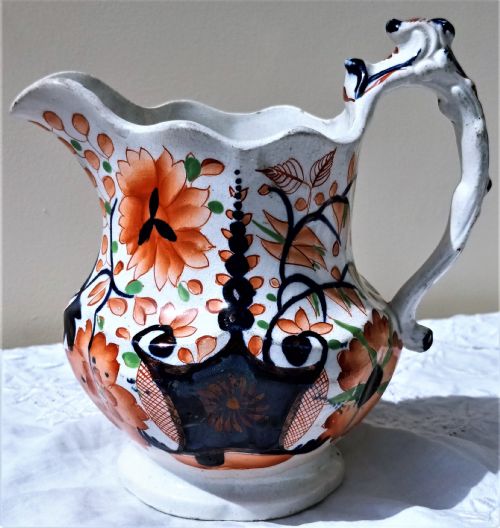
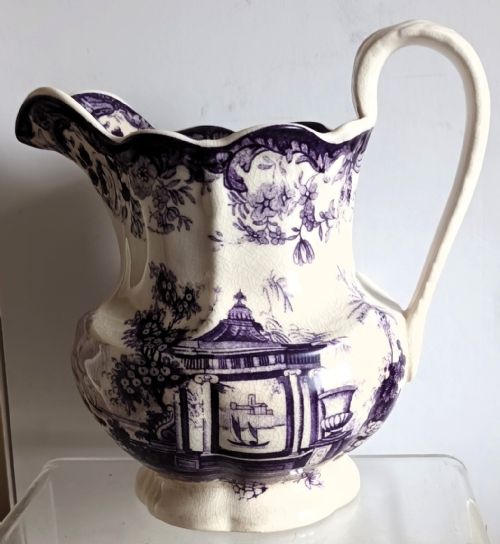
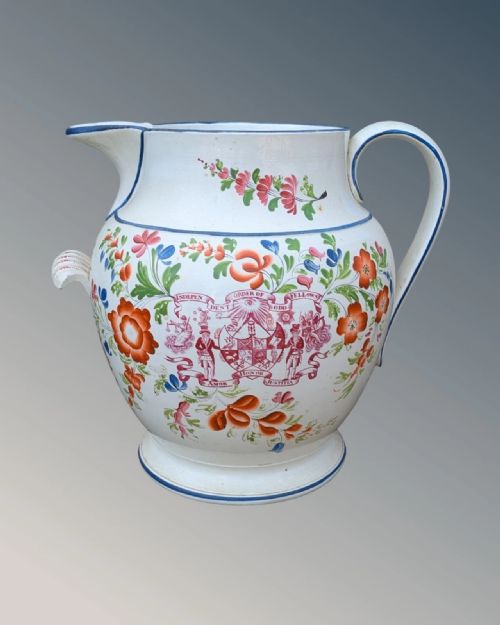
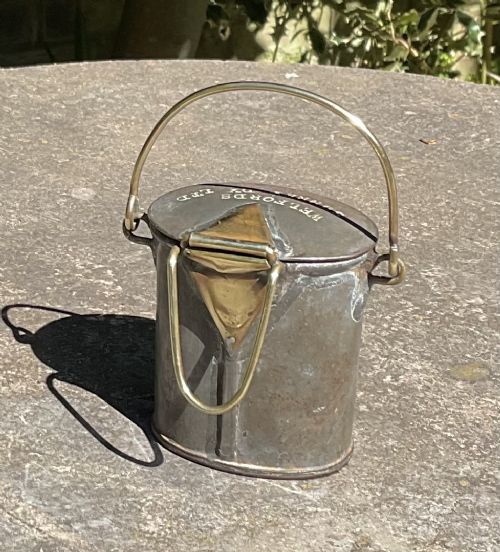
A vintage cream jug serves as a small vessel designed for pouring milk or cream during tea and coffee service. The examples found here span various periods from the eighteenth century through to the mid-twentieth century, encompassing both ceramic and metal formations.
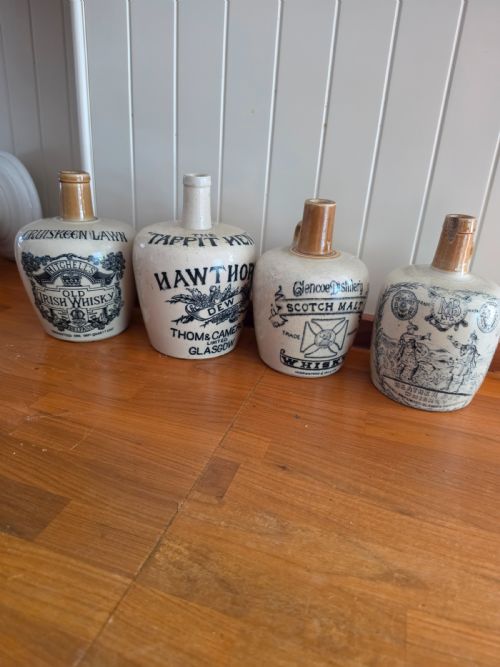
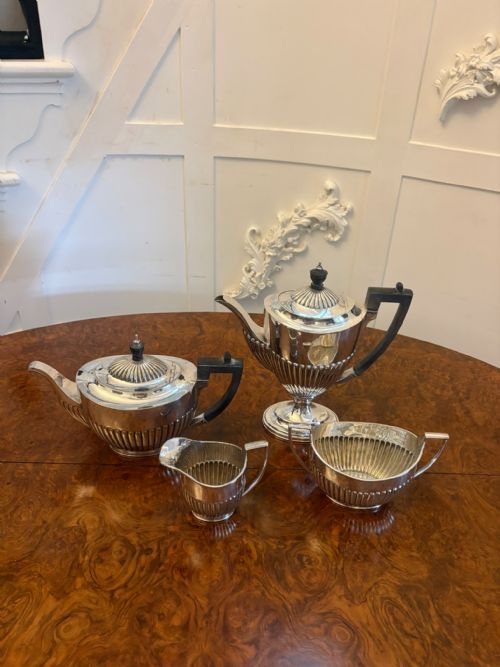
Buyers will encounter earthenware, porcelain, stoneware, and silver pieces representing styles such as Georgian, Victorian, Edwardian, and Art Deco. Many appear alongside broader tea and coffee sets, while others stand alone as individual milk jugs or creamers.
Origins range across English potteries, European factories, and silversmith workshops, demonstrating the varied domestic uses these vessels fulfilled over generations. The selection highlights forms from simple transfer-printed pottery to fully hallmarked sterling silver.
How they were made
Pottery examples rely on earthenware, stoneware, or porcelain bodies shaped by hand or mould, then finished with glazes, handpainted details, or transfer printing. Silversmiths construct metal pieces using sterling silver or silver plate, often shaping sheet metal through hammering and soldering.
Decoration techniques vary from relief moulding and polychrome painting to intricate silver engraving and hallmarks. The combination of durable ceramic bodies or polished metal surfaces defines the structural integrity of these utility vessels.
Listings feature earthenware, porcelain, stoneware, sterling silver, and silver plate across periods from the eighteenth century to the mid-twentieth century.
What varies in quality
The standard of a piece rests on the crispness of its moulded or chased details and the fidelity of its handpainted or transfer-printed decoration. Finer ceramics display smooth glazing and well-balanced proportions, while superior metal items show precise silversmithing and clear maker marks.
Historical significance and the reputation of the pottery or silversmith also elevate certain pieces above standard domestic wares. The preservation of original surface finishes and patterns directly influences the overall character of each vessel.
George Unite·Robert Pringle And Sons·Walker And Hall·Mappin And Webb·Armada Pewter
The Vintage Cream Jug Glossary
- Creamware
- A fine earthenware developed in the eighteenth century, characterised by its pale yellow or cream-coloured lead glaze. Leeds Pottery produced notable examples of this refined ceramic material.
- Transfer printing
- A decoration method where an engraved metal plate transfers a design onto paper, which is then applied to the pottery surface before glazing. This technique allowed for intricate patterns in colours like magenta and purple.
- Sterling silver
- An alloy consisting of silver and other metals, typically copper, meeting a specific purity standard used for tableware. Hallmarks stamped into the metal indicate the maker, town, and year of assay.
- Stoneware
- A dense, hard pottery fired at high temperatures until vitrified, making it impermeable to liquids. Salt-glazed and cream-sprigged variations appear frequently among utility jugs and flasks.
- Porcelain
- A translucent ceramic material fired at high heat, prized for its delicate appearance and smooth body. Manufacturers like Dr Wall Worcester and Meissen utilised this body for fine painted tableware.
Vintage Cream Jug: Frequently Asked Questions
How do I clean a vintage cream jug safely?
Wash ceramic or silver pieces gently by hand using warm water and a mild detergent. Avoid abrasive sponges or harsh chemicals that can damage delicate glazes or remove antique silver plating.
Dry thoroughly with a soft cloth to prevent water spots on metal or moisture damage to older ceramic bodies. Store them safely away from direct sunlight and extreme temperature fluctuations.
Were these jugs used exclusively for cream?
While primarily designed for serving milk or cream alongside tea and coffee, many similar vessels functioned as small pitchers for water or sauce boats. Domestic utility often overlapped depending on the size and shape of the individual piece.
Some specialised forms, such as character jugs or decorative ewers, served decorative or commemorative purposes rather than everyday table use.
How can I tell a silver jug from silver plate?
Sterling silver items typically bear official hallmarks including a standard mark, an assay office symbol, and a date letter. These stamps confirm the metal purity and provide clues to the manufacturing date.
Silver-plated items display different marks indicating base metals like pewter or Britannia metal covered in a thin layer of silver. Over time, heavy use may reveal the base metal underneath plated surfaces.
How do I identify the period of a pottery jug?
Examine the base for maker marks, impressed stamps, or pattern names that correspond to known pottery operating dates. Stylistic cues such as transfer printing styles and glaze types also help narrow down the era of manufacture.
Reference materials detailing factory marks and historical ceramic patterns provide reliable confirmation of whether a piece dates to the Georgian, Victorian, or Edwardian era.