

Vintage Cranberry Glass
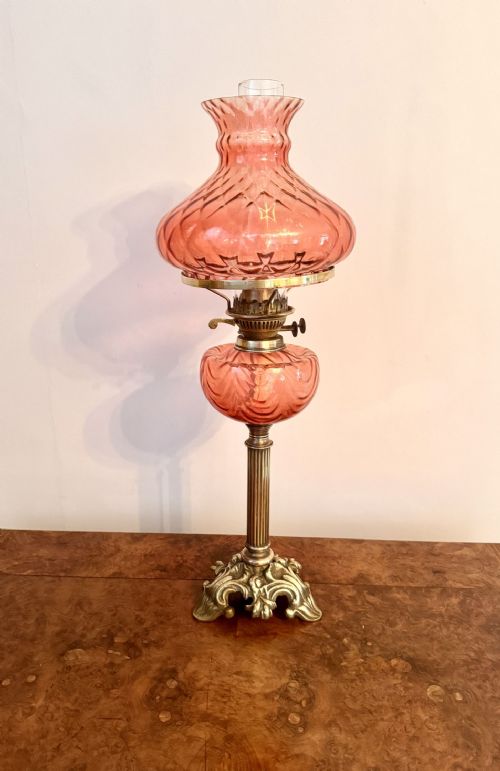
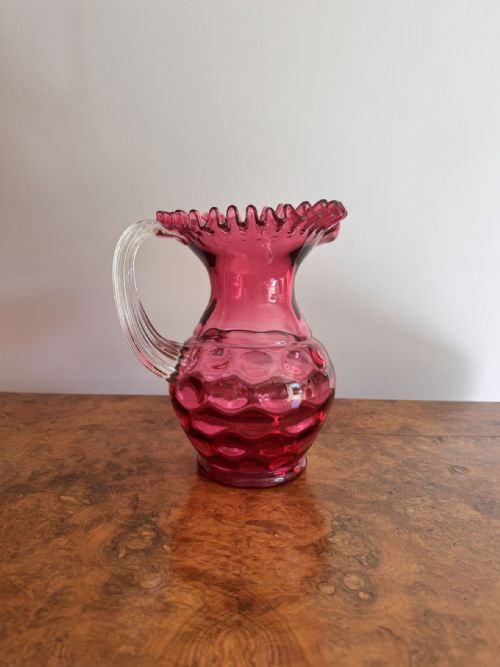
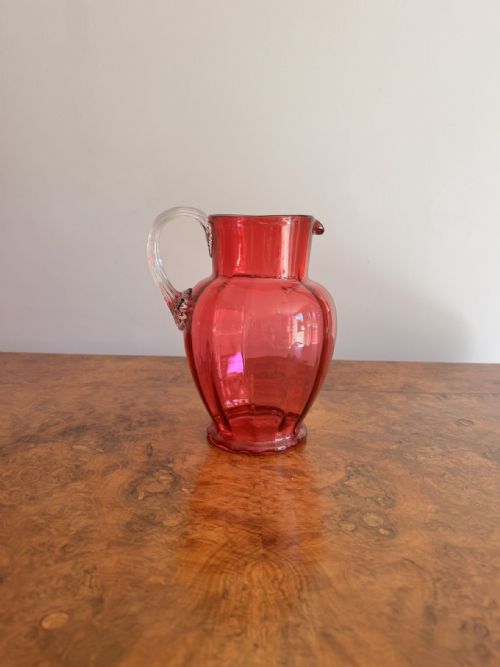
Vintage cranberry glass brings a rich, distinct crimson tone to the table through Victorian jugs, oil lamps and decanters.
Vintage Cranberry Glass
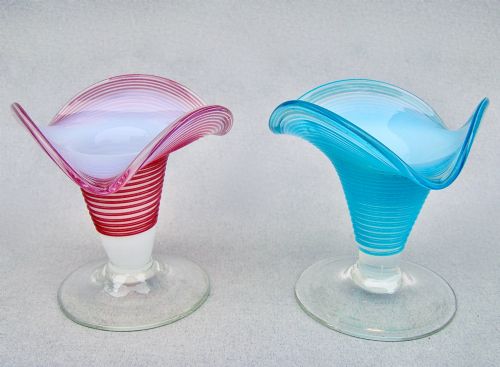
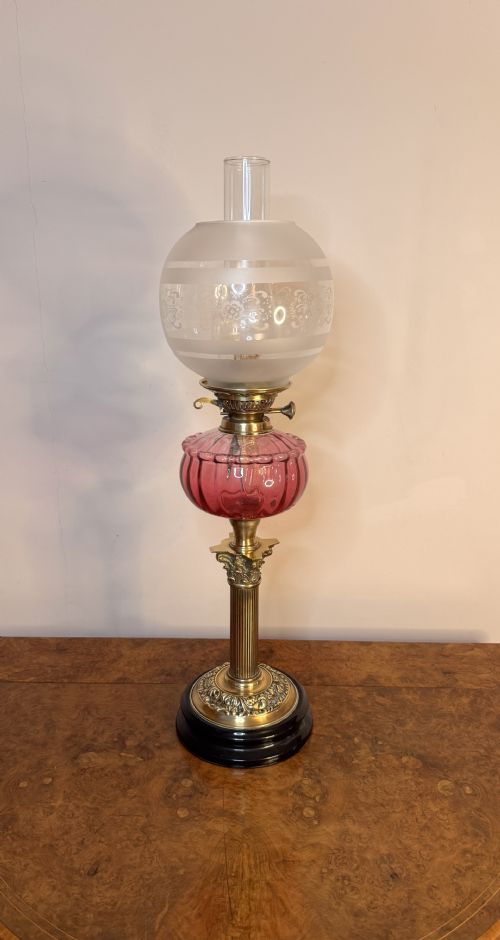
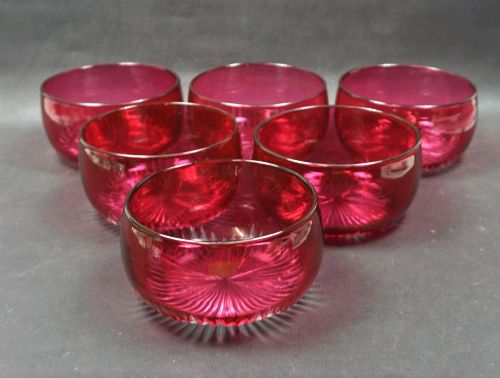
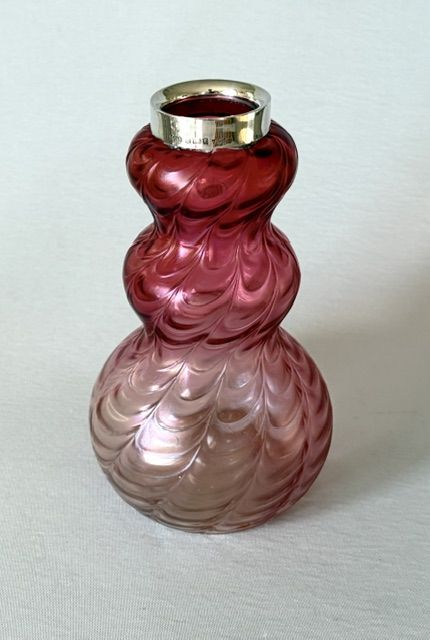
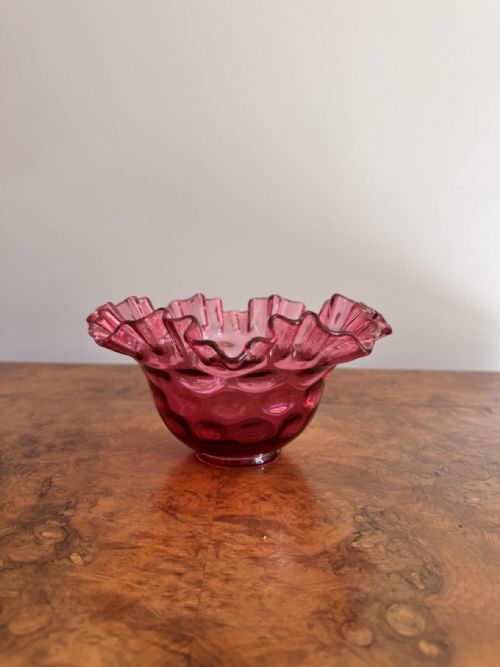
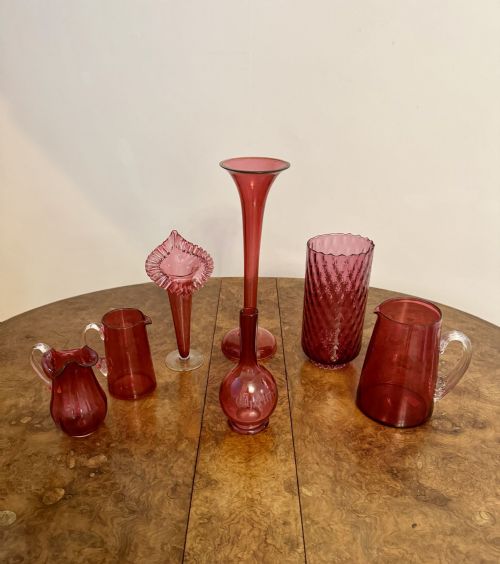
Vintage cranberry glass covers a striking range of domestic objects, from oil lamps and decanters to wine glasses and scent bottles. When you search for vintage cranberry glass, you meet pieces originating across the Victorian, Edwardian, and Art Deco periods. Tableware and lighting dominate, alongside decorative items such as biscuit barrels and trinket boxes.
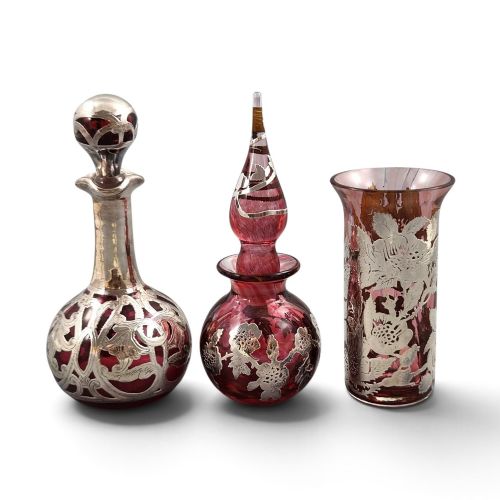
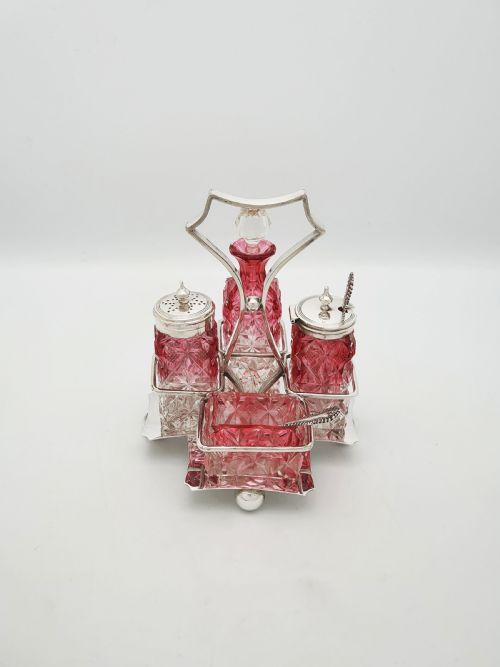
The material appears in various forms, including pressed and hand-blown stemware, overlay glass, and flashed cut glass. Many items combine the rich red glass with brass, silver plate, or enamel mounts. The aesthetic shifts from the ornate floral painting of the nineteenth century to the cleaner lines of early twentieth-century production.
How they were made
Makers achieved the distinct red hue by adding gold chloride to the molten glass batch, creating shades from a delicate pink to deep ruby. Craftsmen then shaped the vessels through hand-blowing or pressing into moulds, occasionally applying clear glass overlays for subsequent cutting.
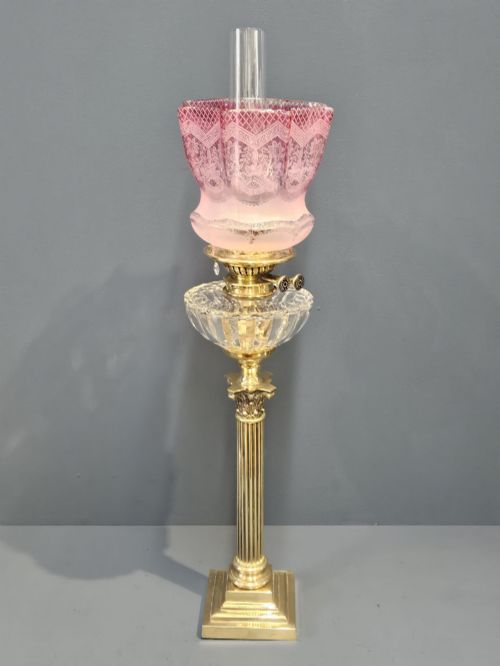
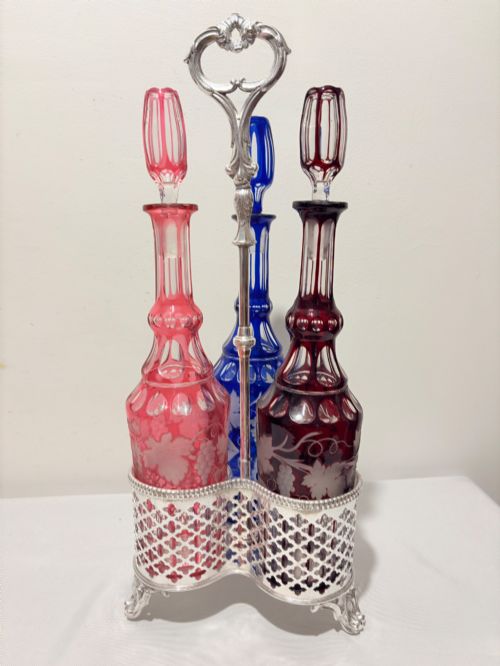
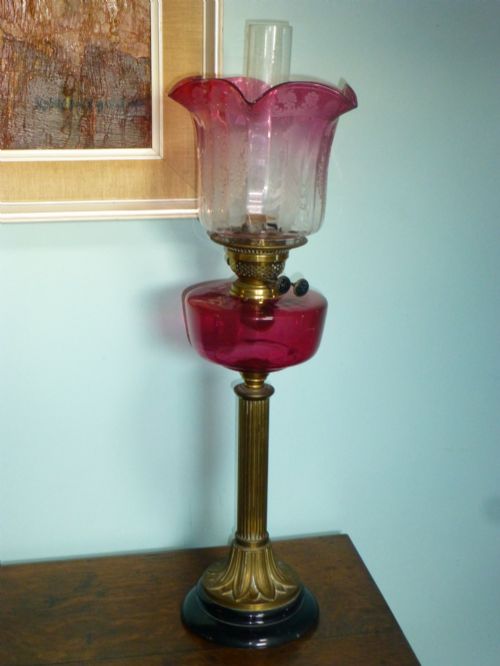
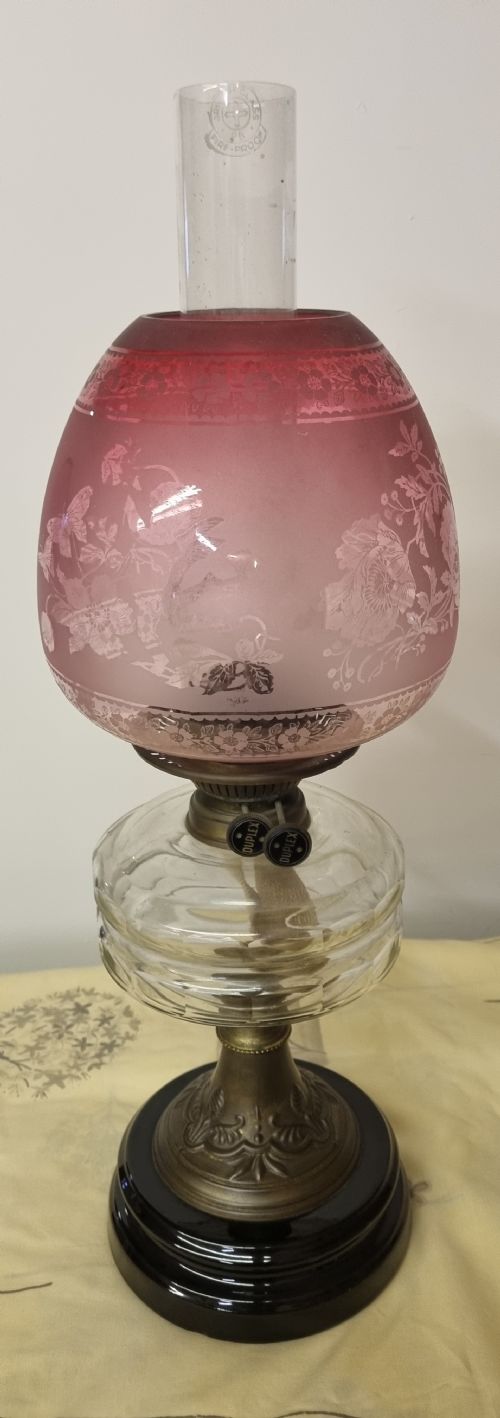
Metalwork played a structural role, particularly in lighting and tableware, where brass columns, silver-plated stands, and pierced silver lids housed the glass fonts and bowls. Artisans further decorated surfaces with hand-painted enamel details, etched motifs, and gilding.
Vintage Cranberry Glass Retail Price Guide 2026
Typical asking prices for vintage cranberry glass among the pieces listed under this phrase on Sellingantiques today, from the lower quarter to the upper quarter. They describe what is for sale here now, not the wider market.
Some rolling pins were filled with salt or tea by sailors and given as tokens of affection.
What varies in quality
Depth of colour and consistency of the red tone separate standard examples from finer pieces, alongside the weight and clarity of the glass itself. Hand-cut facets and intricate wheel-engraving demand greater technical skill than plain blown forms.
The integration of secondary materials defines the upper tier, where heavy brass castings, solid silver mounts, or hand-painted enamel decoration complement the glass rather than merely supporting it.
Whitefriars·Gorham·Harold Bushell and Co·Thomas Webb and Sons
The Vintage Cranberry Glass Glossary
- Cranberry glass
- A transparent glass coloured by the addition of gold, ranging in tint from pale pink to deep red. It gained popularity during the Victorian era for tableware and decorative items.
- Ruby glass
- A deep red glass often associated with Bohemian production and heavy gilding. It differs slightly in chemical composition from traditional cranberry glass.
- Overlay glass
- A technique involving layers of different coloured glasses fused together, where the outer layer is partially cut away to reveal the contrasting colour underneath. This method creates striking depth in decanters and vases.
- Flashed glass
- A vessel formed from a base of clear or pale glass coated with a thin layer of coloured glass before being cut or etched. It provides the appearance of solid colour with lighter cuts.
- Duplex burner
- A double-wick mechanism found on oil lamps designed to produce a brighter flame. It frequently pairs with large cranberry glass shades and fonts.
Vintage Cranberry Glass: Frequently Asked Questions
What is cranberry glass?
Cranberry glass is a distinctive red glass coloured using gold chloride during the manufacturing process. It became a staple of Victorian and Edwardian dining tables and decorative schemes.
Artisans shaped the material into everything from delicate wine glasses and jugs to large oil lamp shades and decanters.
How do I date cranberry glass?
Dating relies on the object form, manufacturing technique, and any accompanying metal mounts. Victorian pieces often feature hand-painted details or heavier brass and silver-plated stands.
Later Edwardian and Art Deco items tend towards cleaner lines, while specific maker marks on silver mounts provide precise production years.
Were these oil lamps used daily?
Oil lamps served as primary domestic lighting sources in the nineteenth and early twentieth centuries before widespread electrification. The combination of brass columns and coloured glass fonts provided both utility and drawing room display.
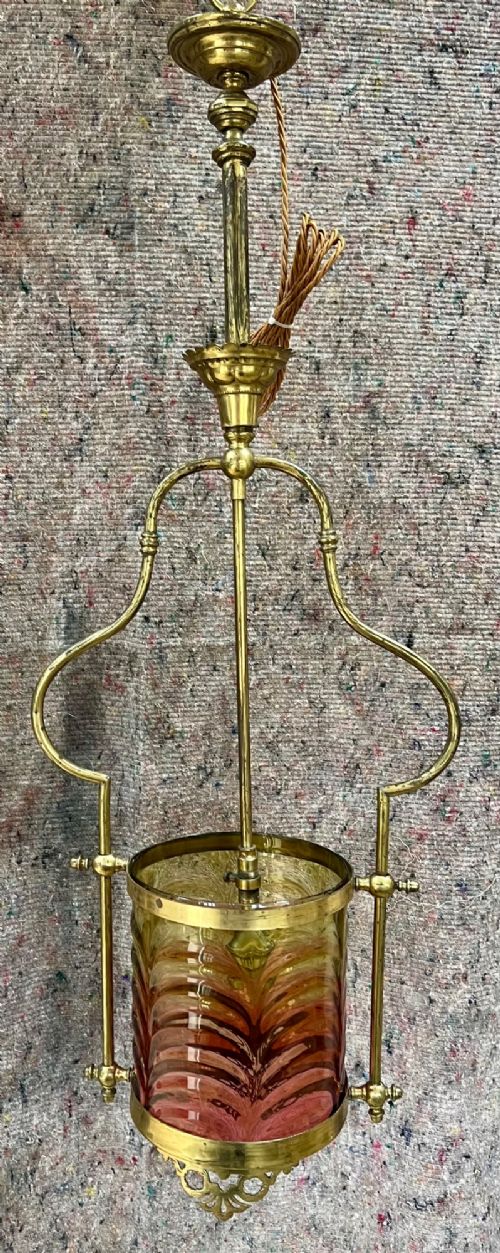
Today, they survive as decorative table lamps or hanging light fixtures.
How should I clean cranberry glass?
Maintenance requires gentle washing in warm, soapy water using a soft cloth to protect the surface and any applied enamel. Avoid abrasive scourers that can scratch the glass or damage gilding.
Silver-plated or brass mounts need separate, appropriate metal cleaners applied carefully away from the glass.