
Vintage Craft Storage Cabinet
A vintage craft storage cabinet brings practical utility and sturdy timber construction into a room, serving as a hardworking piece for keeping belongings orderly.
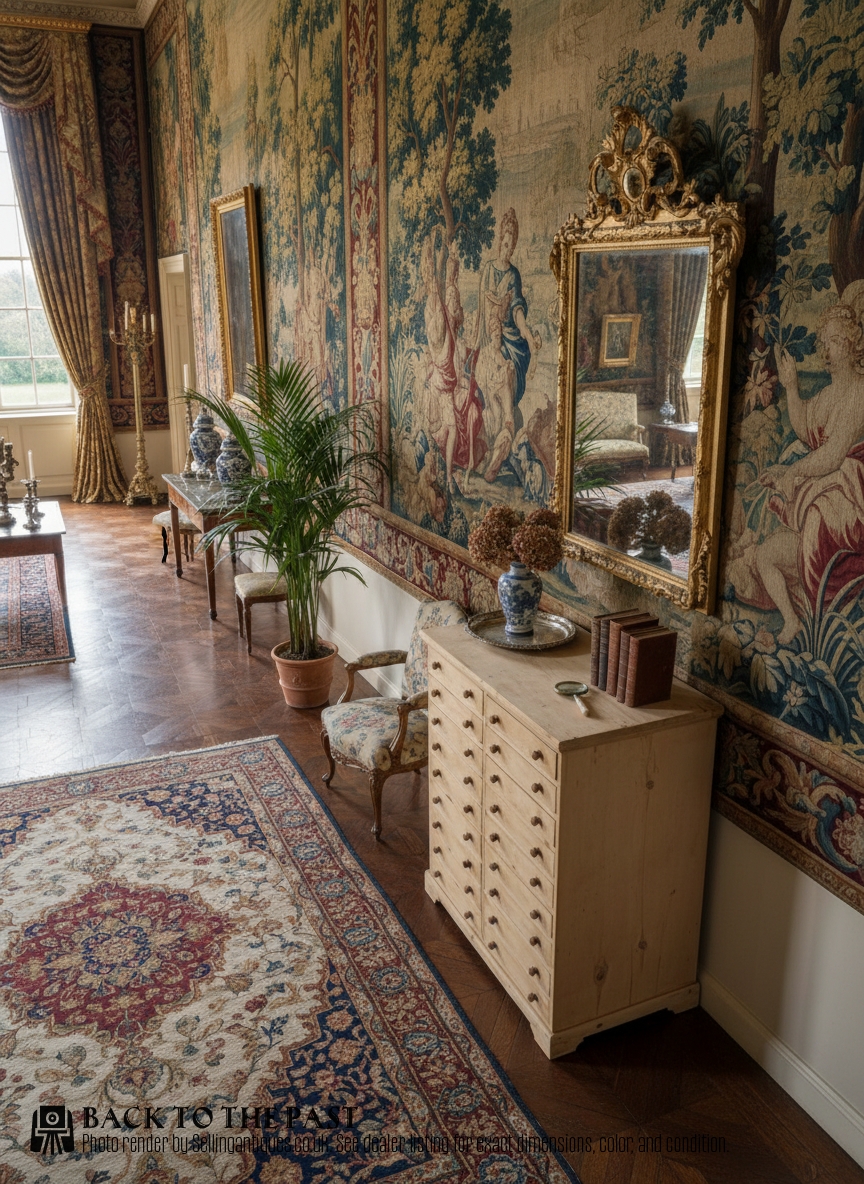
Vintage Craft Storage Cabinet
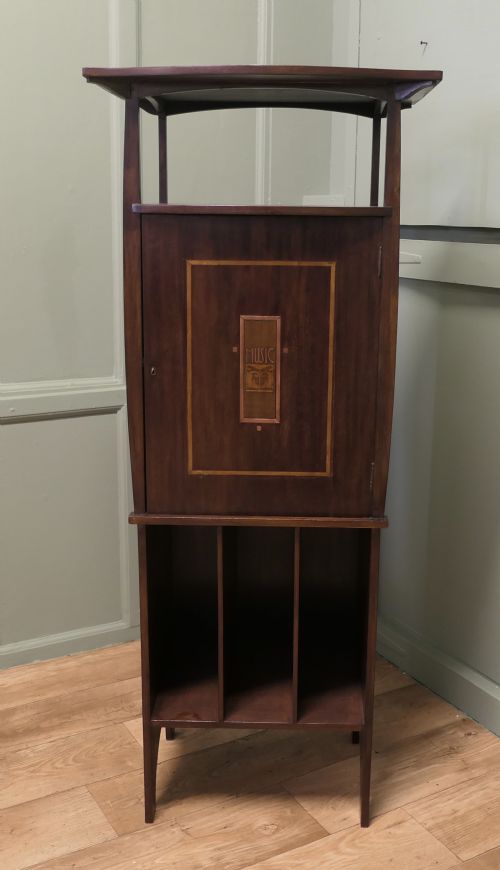
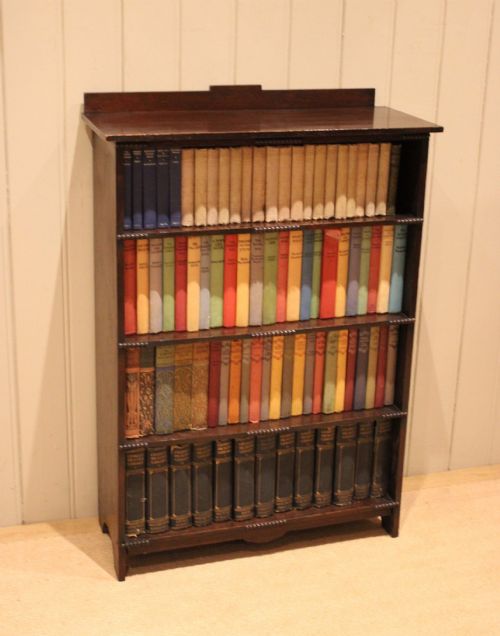
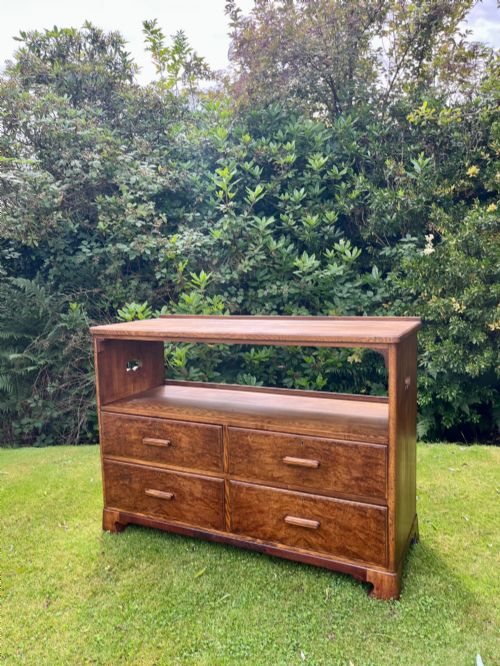
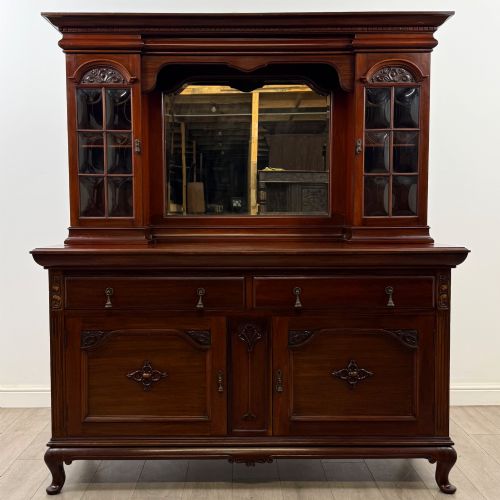
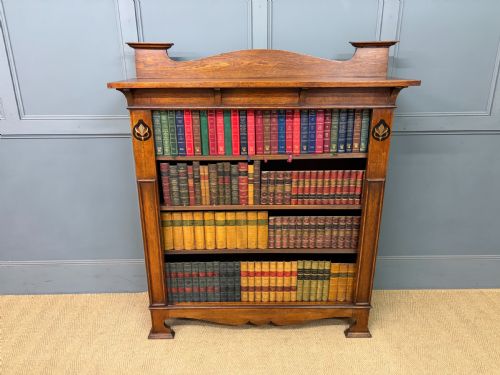
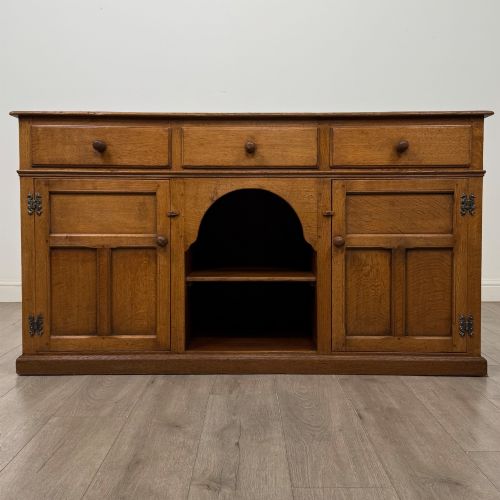
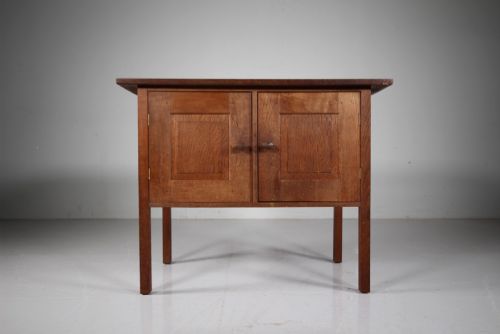
When you search for a vintage craft storage cabinet, you encounter various cupboards, dressers, music cabinets, and bookcases that serve the same organisational purpose. These pieces originate from the Victorian and Edwardian eras up through the 1930s, reflecting a period when utility furniture was built to last.
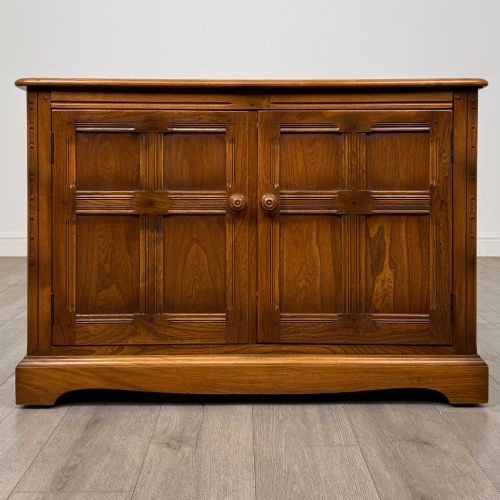
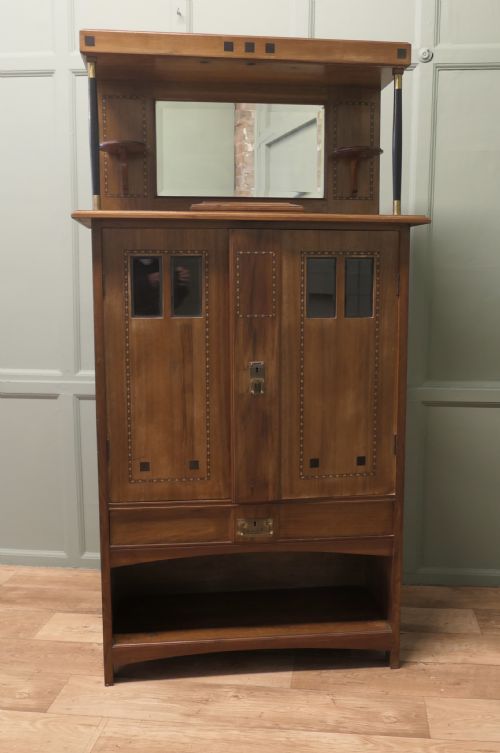
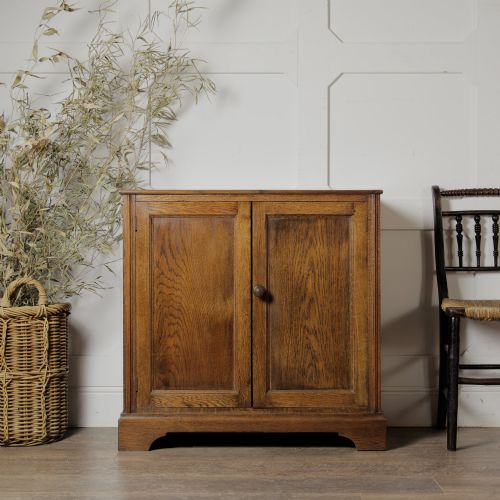
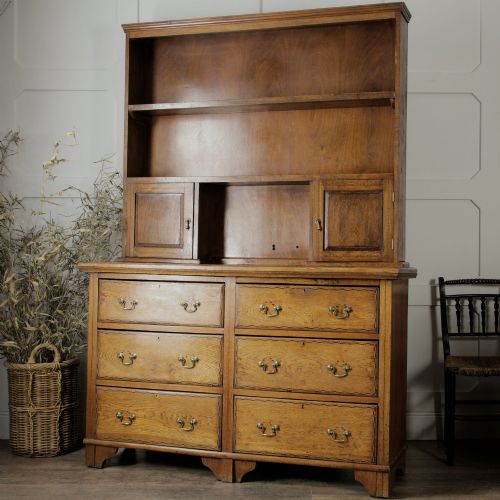
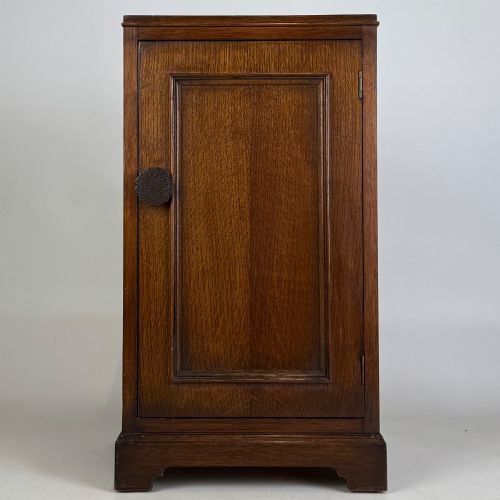
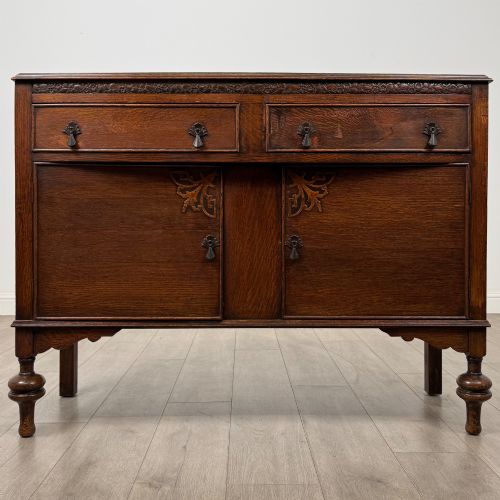
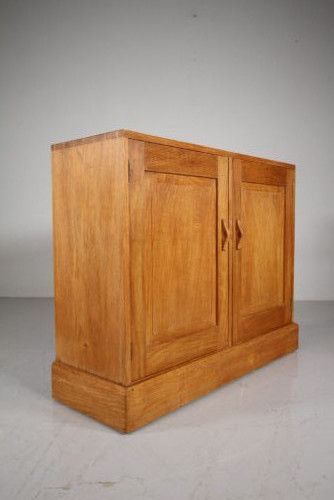
The version you are most likely to meet on this page is constructed from solid oak in styles spanning Arts and Crafts, Edwardian, and early twentieth-century utilitarian designs. They take the form of low cupboards, sideboards, and shelved cabinets equipped to house supplies or household objects.
How they were made
Makers utilised solid timbers such as oak, walnut, mahogany, and pine, often finished with wax to protect the natural grain. Structural integrity depended on traditional joinery techniques suited to heavy daily use.
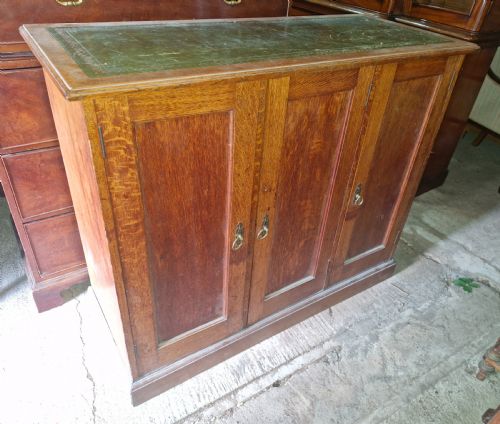
Hardware details typically include brass or iron fixtures, whilst specific items incorporate glass panels or decorative tile tops. Construction methods focused on durability, resulting in sturdy frames designed to hold heavy loads.
Listings span from the 1880s through the 1930s, showcasing oak, walnut, mahogany, and pine across various cupboard and bookcase formats.
What varies in quality
The standard of timber selection and cabinetmaking creates a clear division across the range. Superior examples feature carefully matched grain patterns, solid backboards, and thoughtful proportions that elevate utilitarian furniture into considered design.
Attribution to known workshops or specific schools of design introduces further distinction among otherwise functional cupboards. Simple utility pieces rely on straightforward construction, whereas items carrying maker stamps display refined carving and specialised hardware.
GM Elwood for JS Henry·Whytock and Reid·Peter Waals·Heals
The Vintage Craft Storage Cabinet Glossary
- Arts and Crafts
- A design movement valuing handcraftsmanship and simple forms over mass production. Pieces from this tradition often display exposed joinery and honest materials.
- Cotswold School
- A regional offshoot of the Arts and Crafts movement centred on solid timber construction. Furniture from this group emphasises plain surfaces and traditional woodworking methods.
- Secessionist
- A stylistic approach associated with early twentieth-century design reform. It prioritises clean lines and geometric decoration over ornate Victorian revivalism.
- Haberdashery cabinet
- A form originally designed for retail display featuring multiple shallow drawers or glass compartments. These units suit the sorting and storage of smaller items.
Vintage Craft Storage Cabinet: Frequently Asked Questions
What periods do these cabinets represent?
The pieces span from the late nineteenth century through the Edwardian period and into the 1930s. This timeframe covers Victorian production, the Arts and Crafts movement, and early twentieth-century utility design.
Craftsmen during these decades worked predominantly in solid hardwoods, creating storage furniture intended for long-term domestic use.
Which woods are most common?
Oak appears most frequently across the selection, ranging from dark finishes to golden and limed variations. Walnut, mahogany, pine, and teak also feature in specific pieces.
These natural timbers were selected for their strength and ability to withstand heavy daily use in workshops and kitchens.
How do I identify an Arts and Crafts piece?
Arts and Crafts items usually feature plain wooden surfaces, visible construction details, and minimal ornamentation. Makers focused on the natural grain of the timber rather than applied veneers.
Handles and hinges are often made from hammered brass or iron, complementing the sturdy proportions of the cabinet.
Are these cabinets suitable for modern storage?
These cabinets provide practical compartments, shelves, and drawers suited to organising modern craft supplies or household items. Their solid construction handles regular opening and closing.
Placing them in a workspace or living area adds functional surface space alongside enclosed storage for smaller items.