
Vintage Country Dining Table
A vintage country dining table brings practical utility and honest character to a room, formed from timber designed to endure decades of daily gatherings.
Vintage Country Dining Table
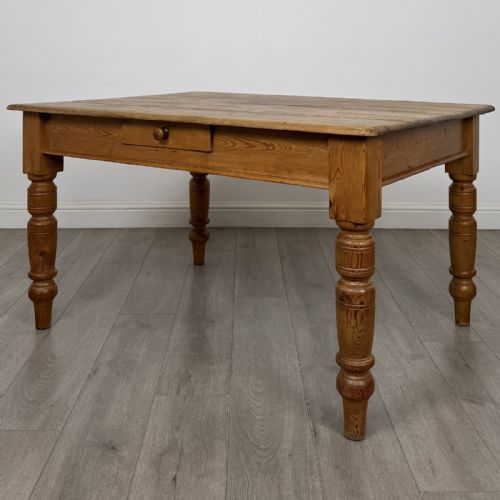
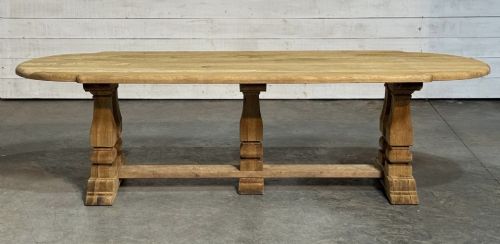
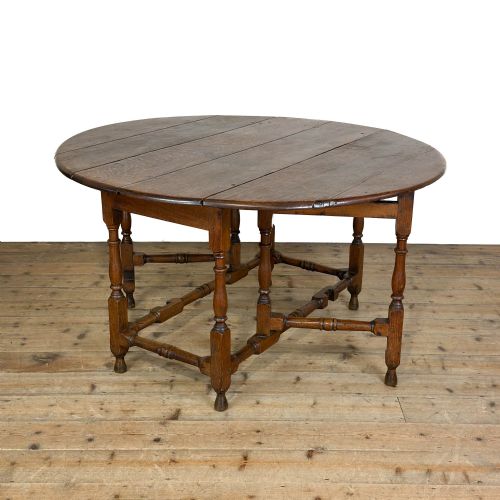
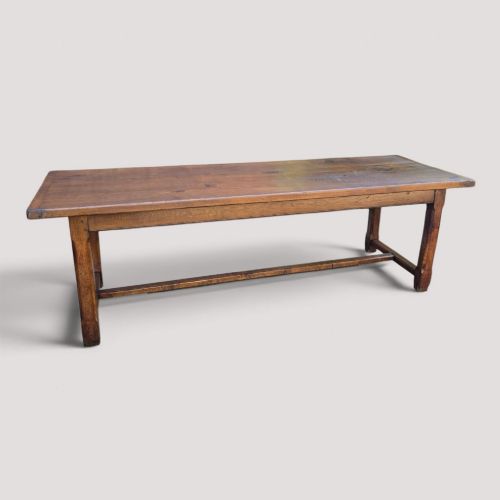
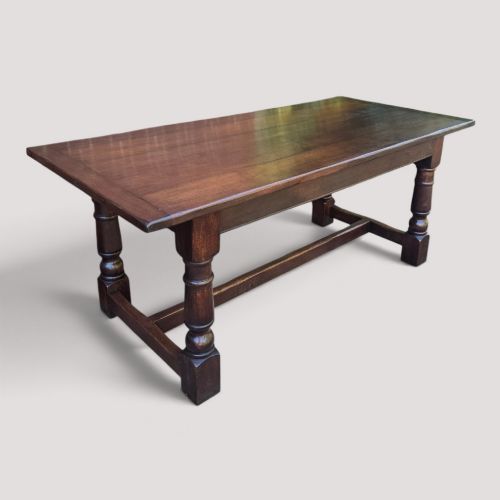
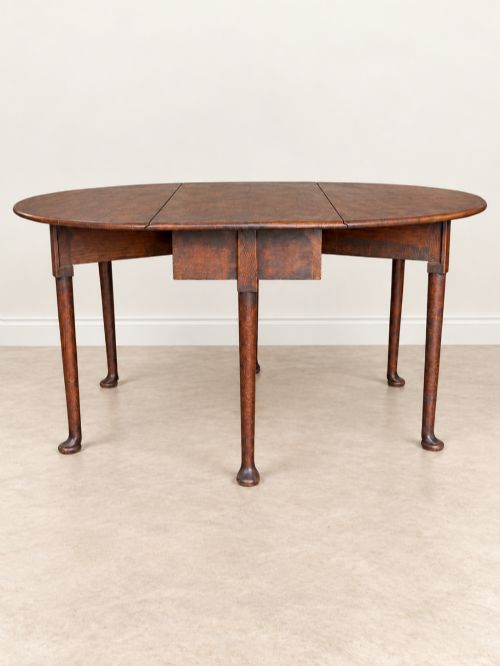
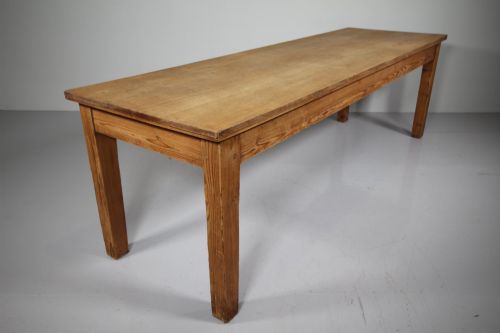
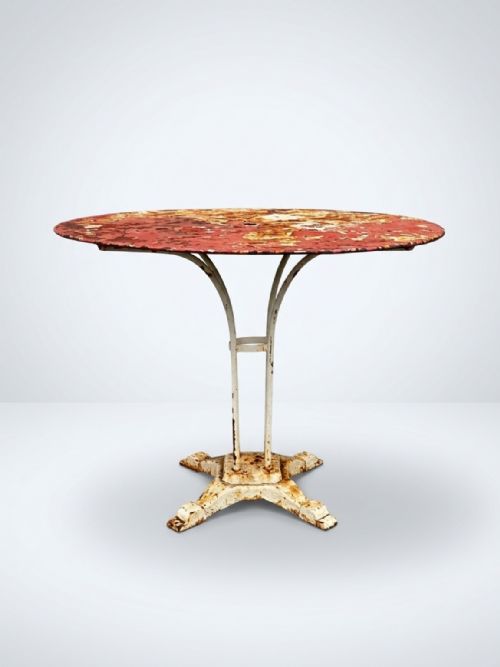
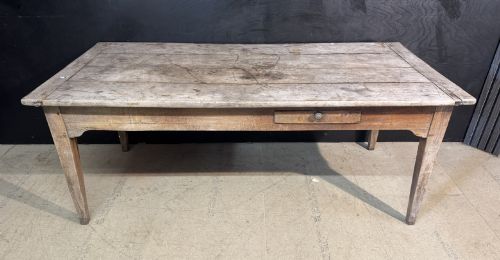
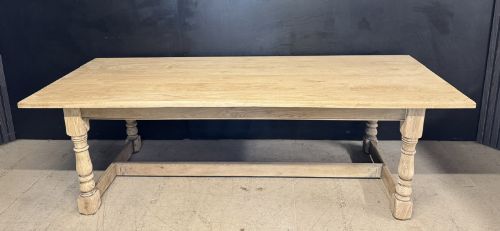
A vintage country dining table takes many forms across the 18th century, 19th century, and early decades of the 20th century. These pieces include substantial refectory boards, drop-leaf gateleg designs, and practical kitchen tables intended for everyday work.
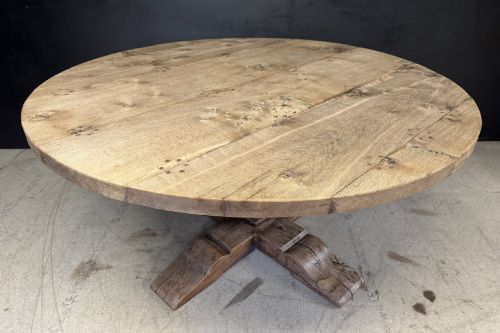
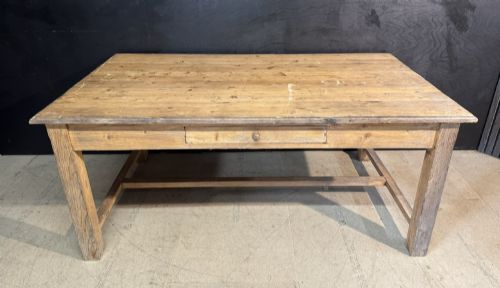
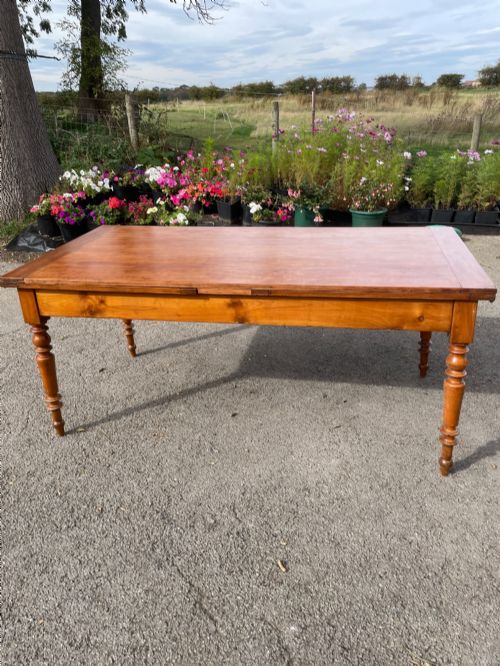
Oak and pine dominate the selections seen here, accompanied by fruitwood, elm, and beech. Makers shaped these timbers into sturdy dining surfaces bearing styles ranging from rustic farmhouse and French provincial to Jacobean revival.
Buyers searching this phrase encounter hardworking tables originating from English, French, and Welsh workshops. Simple trestle styles and extending refectory formats provide generous seating for modern dining spaces.

Materials and Construction
Makers constructed these tables using solid timber planks joined for strength, often utilising regional woods such as sturdy oak, resilient pine, and figured fruitwood or elm for top boards. Joinery relied on traditional methods like pegged tenons and dovetails to withstand heavy daily use.
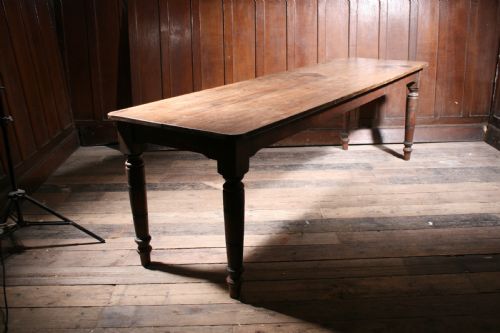
Undercarriages employ turned legs, tapered supports, or bobbin turnings, occasionally incorporating iron or brass structural elements. Surfaces frequently show the natural grain of the wood, shaped by hand planes and finished with minimal intervention.
A selection of silver-plated pheasant models and dinner gongs occasionally keeps company with the tables.
Quality and Proportion
The distinction between standard utility pieces and finer examples lies in the selection of timber and the integrity of the original construction. Superior tables display well-matched boards, balanced proportions, and robust underframes that remain stable over centuries of use.
Detailing on legs and aprons separates simple workshop output from sophisticated provincial furniture. Tables retaining their original surface patination and uncompromised structural joins represent the upper tier of the range.
The Vintage Country Dining Table Glossary
- Refectory table
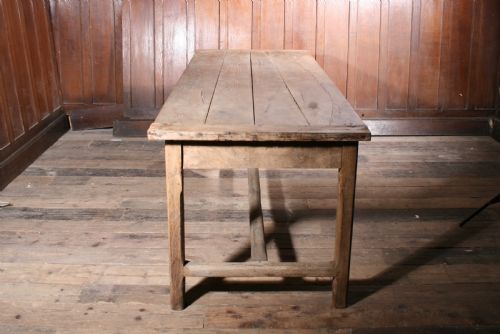
- A long, narrow dining table traditionally used in communal dining halls and adapted for domestic kitchens. These pieces often feature stretcher bases connecting substantial legs.
- Gateleg table
- A drop-leaf table with hinged flaps supported by legs that swing outward like a gate. This construction allows the surface area to expand or contract depending on space.
- Farmhouse table
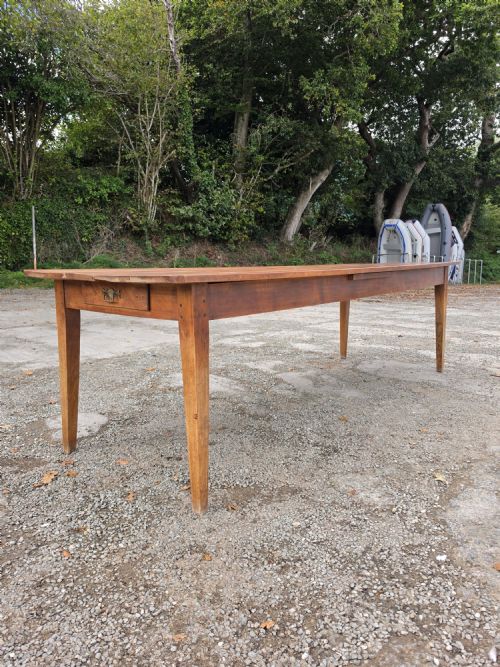
- A utilitarian wooden table built for kitchen preparation and family meals. They frequently include one or more drawers built into the apron for storage.
- Patina
- The surface sheen and colour acquired by wood through age, handling, and regular polishing. A rich patina indicates long-term use and care.
- Fruitwood
- Timber derived from fruit-bearing trees such as pear, apple, or cherry. Cabinetmakers valued these woods for their fine grain and warm tones.
Vintage Country Dining Table: Frequently Asked Questions
How do I choose the right size?
Measure your dining space carefully to allow sufficient clearance around the table for chairs and movement. Consider how many people you need to seat regularly when selecting length and width.
Refectory and extending formats offer flexibility for larger gatherings, while drop-leaf designs suit compact kitchens or rooms requiring adaptable layouts.
Are these tables suitable for daily use?
Solid wood construction makes these pieces exceptionally durable for everyday meals and kitchen tasks. Timber surfaces handle regular use well when treated with appropriate care and maintenance.
Use coasters and placemats to protect historic wood finishes from excessive moisture and heat during family dining.
How do I care for antique wood?
Clean wooden surfaces using a soft, damp cloth and dry them thoroughly to prevent moisture damage. Avoid placing tables near direct heat sources or strong sunlight to protect the timber.
Apply natural beeswax periodically to nourish the grain and maintain the protective finish on the wood.
How can I tell the period?
Examine the construction methods, tool marks, and fastener types visible beneath the table top and framing. Hand-sawn boards and pegged joinery generally point to earlier periods.
Styles such as Jacobean revival or Victorian pine provide stylistic clues regarding the era of manufacture and regional workshop traditions.