



Rustic Oak Harvest Table
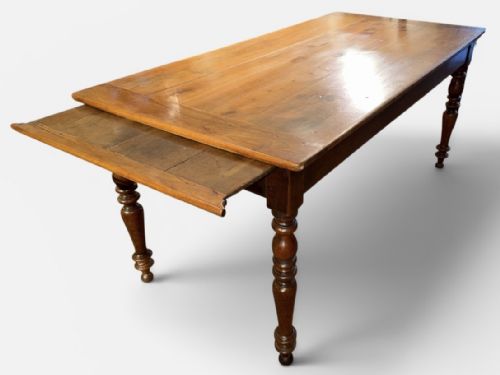
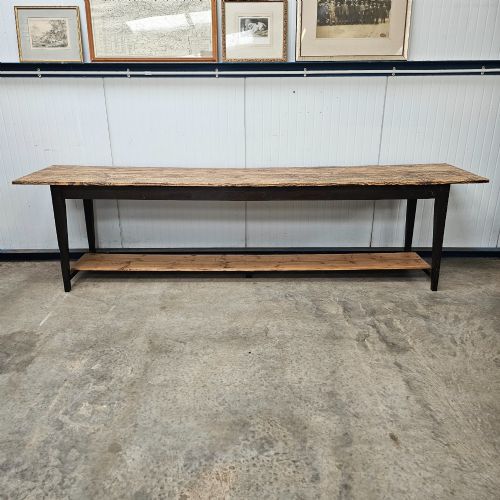
A rustic oak harvest table brings tangible warmth and utility to a dining space, offering generous proportions built for gathering.

Identifying a rustic oak harvest table
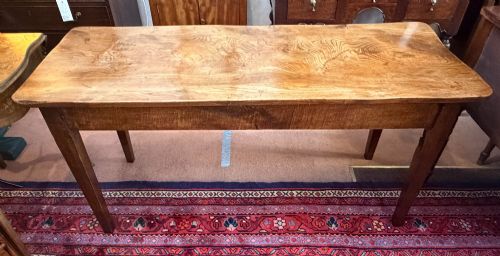
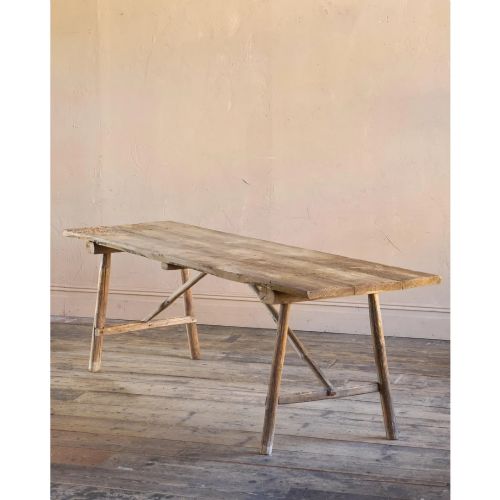
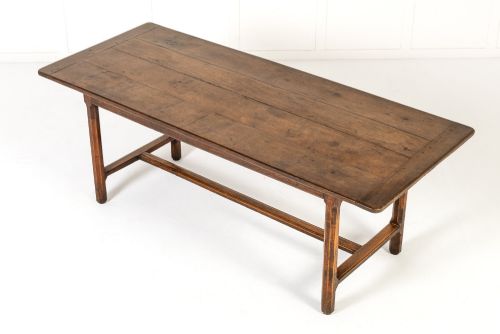
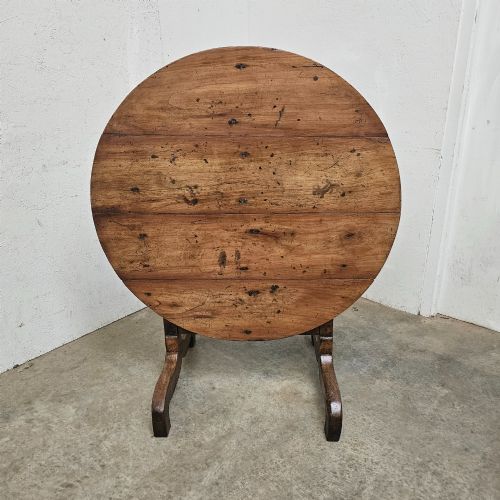
A rustic oak harvest table is a sturdy dining table built to accommodate large numbers of people for meals and daily work. The examples seen here span from the seventeenth century through to the early twentieth century, taking the form of farm tables, refectory tables, and kitchen dining tables.
Buyers will encounter various formats, including long French oak farm tables and substantial planked boards. These pieces draw on French country and rustic farmhouse traditions, prioritising length and robust construction over delicate ornamentation.
Materials and construction methods
These tables are constructed predominantly from solid oak, sometimes combined with fruitwood, pine, iron, and brass details. Carpenters relied on sturdy timber planks and sturdy framing to support daily use in kitchens and dining halls.
The historical pieces rely on traditional joinery techniques suited to heavy woods. Surfaces bear the natural grain of the timber, shaped by hand tools and decades of use.
Retail Price Guide 2026
Typical UK retail prices for rustic oak harvest table, calculated from the Sellingantiques database of over a million retail prices indexed since 2003. This retail price guide relies exclusively on Sellingantiques data; no external sources or auction records are used, so the figures do not describe the wider market.
Listings for this phrase include examples spanning from the seventeenth century through to the early twentieth century.
Distinguishing quality across examples
Quality in these tables rests on the integrity of the timber and the honesty of the construction. Superior examples feature dense, well-figured oak boards with stable framing that has endured centuries without losing its structural balance.
The character of the surface timber separates ordinary pieces from exceptional ones. Tables retaining genuine patina and original construction details command greater appreciation among collectors than heavily altered items.
The Rustic Oak Harvest Table Glossary
- Refectory table
- A long dining table historically used in monasteries and large houses for communal meals. They are characterised by their elongated proportions and sturdy underframes.
- Farmhouse table
- A practical, heavy-use dining table traditionally found in country kitchens. These pieces often feature simple lines and thick timber tops.
- Plank top
- A table surface constructed from distinct boards laid side by side. Older examples frequently utilise wide single-growth boards.
- Patina
- The surface sheen and softened texture developed through decades of handling, cleaning, and exposure to light. It is a key indicator of age and authenticity.
Frequently Asked Questions
How do I care for a rustic oak table?
Keep the timber clean using a slightly damp cloth and avoid placing the table near direct heat sources. Regular waxing helps nourish the grain and protects against everyday spills.
Allow the wood to breathe and settle naturally within your room environment. Embracing minor marks ensures the table continues to develop its natural history.
What is the difference between refectory and farm tables?
Refectory tables typically originate from more formal monastic or institutional settings, featuring structured stretcher bases. Farmhouse tables lean towards domestic kitchen origins with simpler, robust framing.
Both styles serve the same practical function of feeding large households. The distinction lies mostly in the stretcher arrangement and historical provenance.
How do I date an antique oak table?
Examine the construction marks, nail types, and the method used to join the top boards to the base. Hand-cut joinery and signs of historical wear point towards earlier centuries.
Compare the timber density and colour variation with documented pieces from periods such as the seventeenth or nineteenth century. Consultation with physical construction details offers the clearest timeline.