




Vintage Corridor Carpet Rug
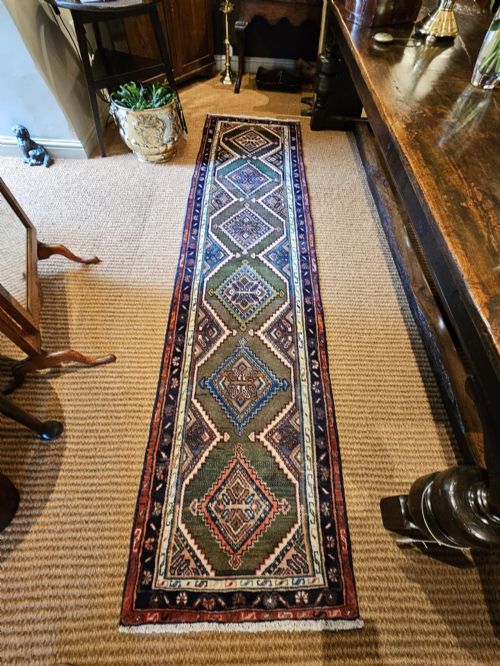
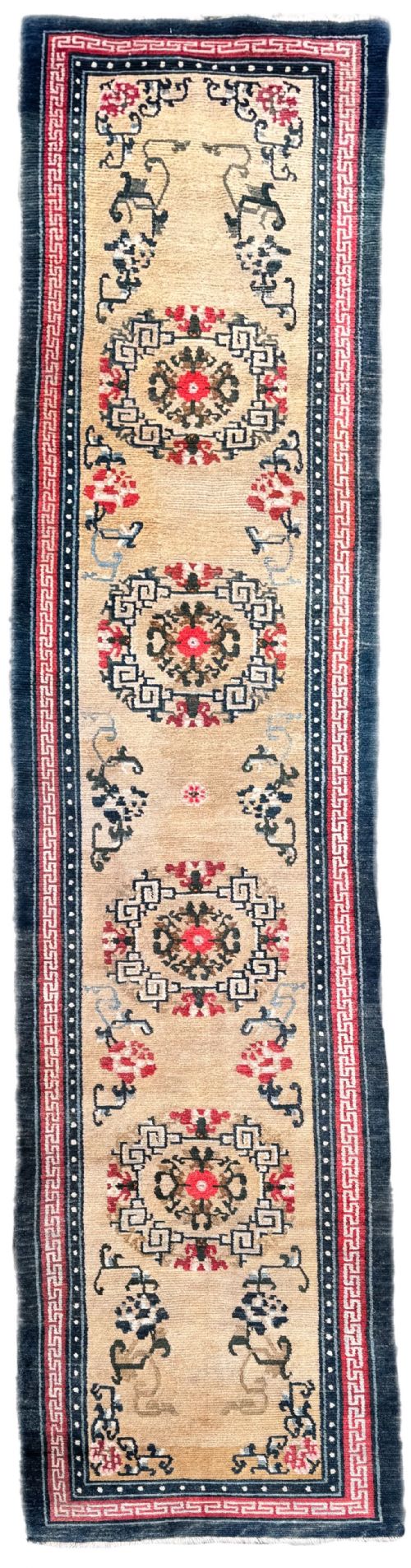
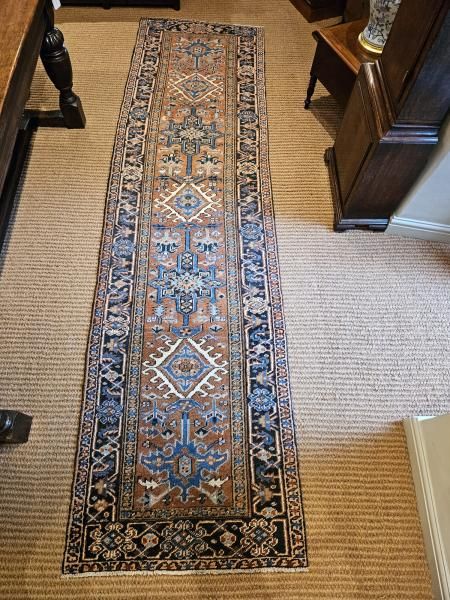
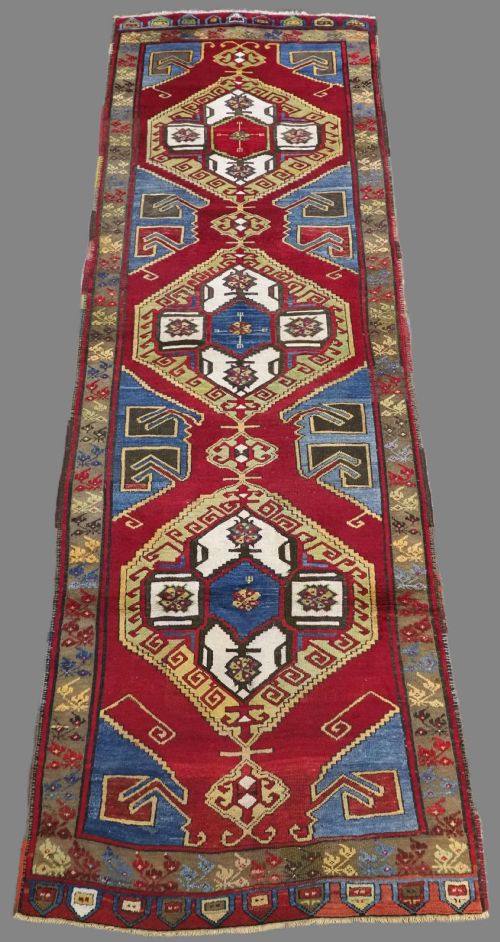
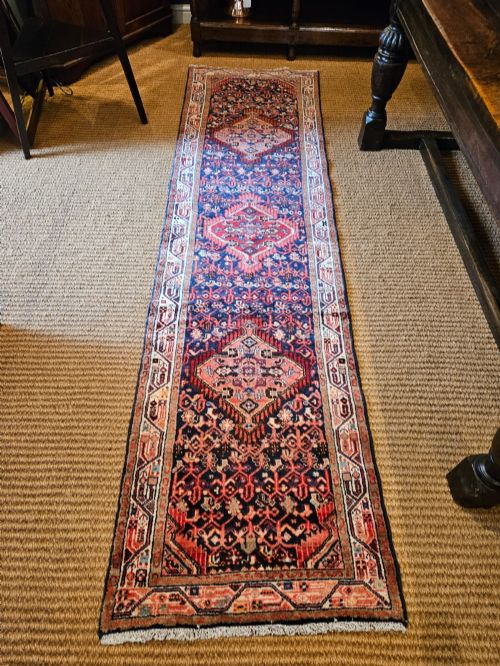
A vintage corridor carpet rug brings warmth and historic pattern to narrow spaces, spanning Persian, Caucasian, and Anatolian traditions.
Vintage Corridor Carpet Rug
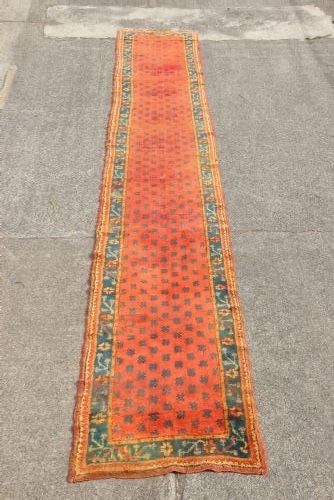
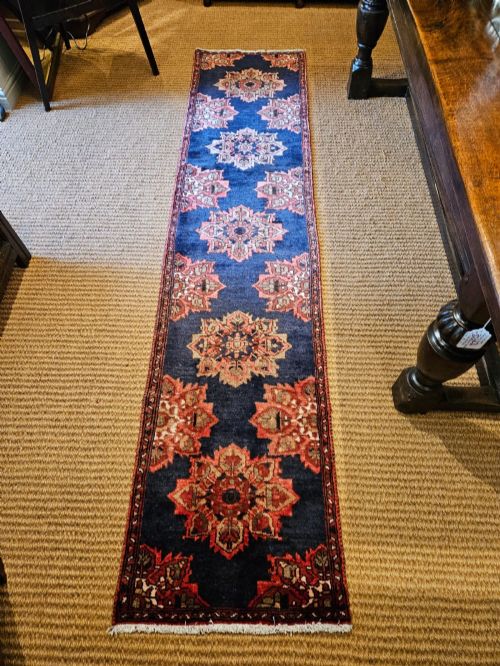
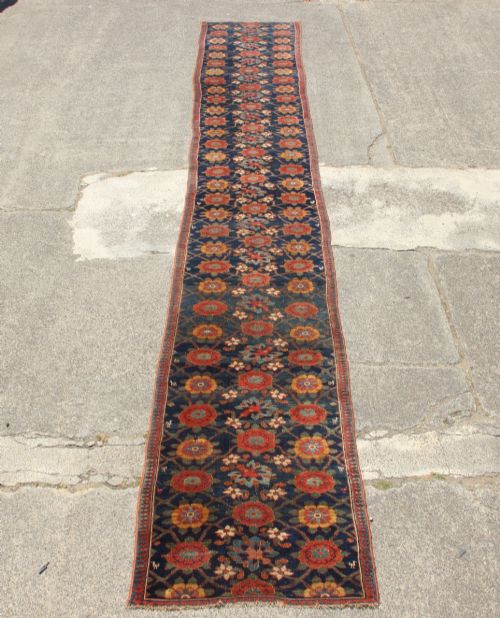
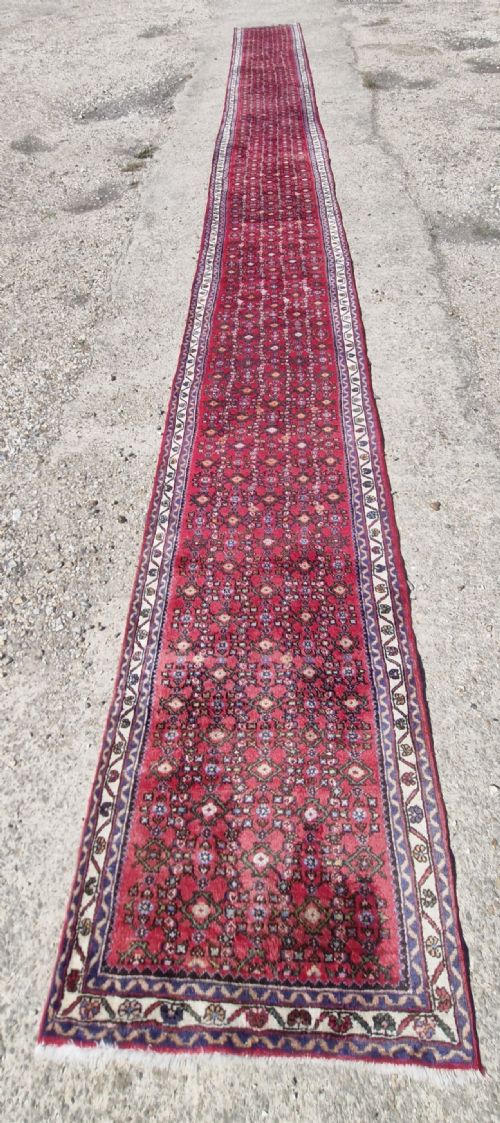
A vintage corridor carpet rug fulfills the need for narrow, elongated floor coverings suited to hallways, landings, and passages. These pieces appear in formats designed specifically for transit spaces, taking the form of runners and long rugs that stretch several metres.
The selections span production centres across the Near East and Central Asia, including Persian, Caucasian, Turkish, Kurdish, and Anatolian tribal workshops. Buyers encounter pieces originating from the nineteenth century through the early decades of the twentieth century, embodying established regional weaving customs.
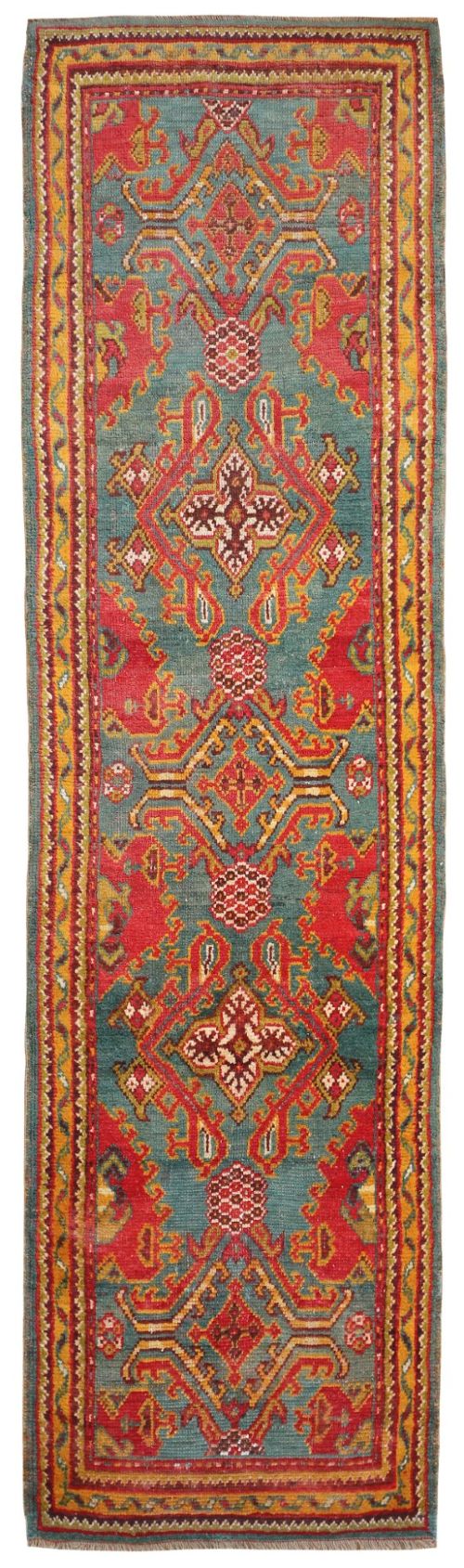
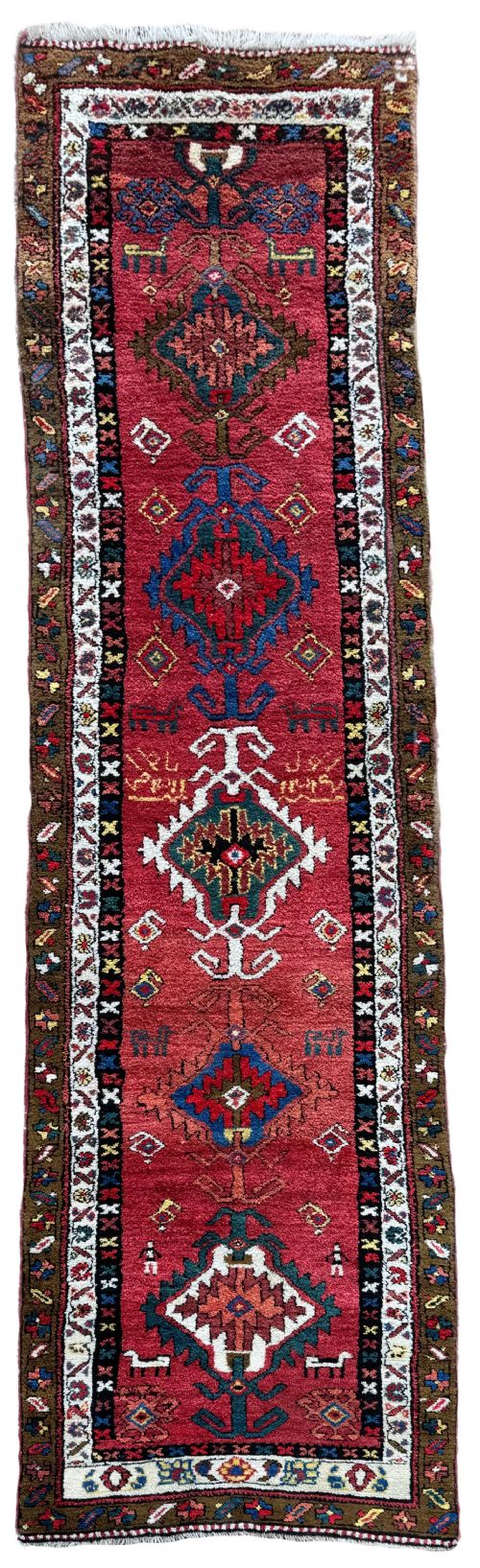
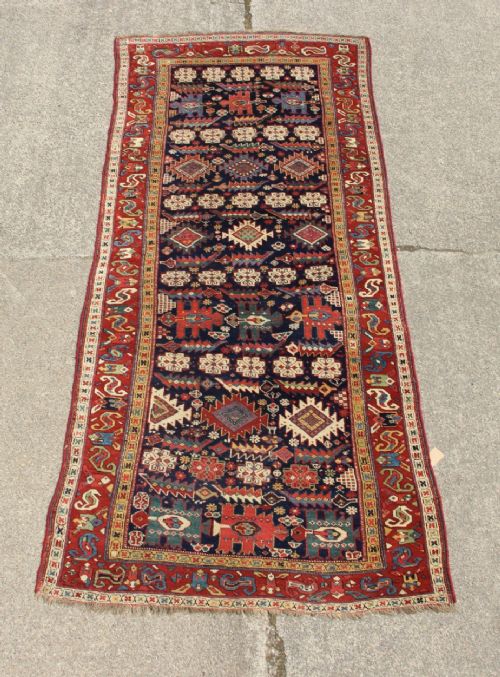
Makers shaped these textiles to withstand foot traffic in domestic settings, resulting in robust constructions that persist in modern homes. Common designations in this category include Heriz, Kurdish, Ushak, Kazak, and Hamadan runners, each displaying distinct geometric or floral repertoires.
Quality and Distinction
Quality rests upon the fineness of the knotting and the integrity of the foundation yarns, which dictate how straight the runner lies along its length. Pieces exhibiting precise geometric control and tight pile density demonstrate superior workshop execution.
The character of the wool and the depth of the dye palette separate standard examples from finer expressions. Uniformity in width and well-preserved original selvedges mark the distinction between ordinary utility runners and pieces of higher collectible standing.
Listings feature pieces spanning from the mid-nineteenth century through the 1960s, constructed predominantly from wool and cotton.
The Vintage Corridor Carpet Rug Glossary
- Runner
- A long, narrow carpet designed for hallways and corridors. This format accommodates restricted floor spaces while displaying continuous border and field patterns.
- Kelleh
- A large, elongated rug format intermediate in proportion between a standard carpet and a runner. These pieces traditionally occupied specific positions in Persian domestic architecture.
- Warp
- The vertical foundation threads stretched tightly on the loom before knotting begins. The pile is tied around these structural elements.
- Weft
- The horizontal threads passed across the warps after each row of knots is completed. This action secures the structure of the carpet.
- Selvedge
- The finished edge of a carpet formed by wrapping the outermost warps. Intact selvedges protect the textile from fraying along its length.
Vintage Corridor Carpet Rug: Frequently Asked Questions
Where should I place a corridor rug?
These pieces suit long hallways, narrow passages, and stair landings where floor protection and visual warmth are required.
Their elongated proportions bridge open rooms and define transit areas within a residence.
How do I measure for a hallway runner?
Measure the clear length of the corridor while leaving an even border of exposed flooring on all sides. Account for door clearance to ensure the pile thickness does not impede movement.
Allow sufficient space at thresholds so doors swing freely over the textile.
What materials make up these rugs?
The primary materials are wool and cotton, with many examples utilising hand-spun wool for the pile. Foundations typically consist of durable wool or cotton threads.
Natural fibres provide the resilience necessary for heavy foot traffic in domestic corridors.
How do I distinguish regional styles?
Caucasian pieces tend to display sharp geometric polygons and primary palettes, whereas Persian Heriz runners feature bold medallions and structured corner pieces. Kurdish and Anatolian examples often incorporate tribal motifs and varied field arrangements.
Examining the border configurations and structural rigidity aids in identifying the origin.