

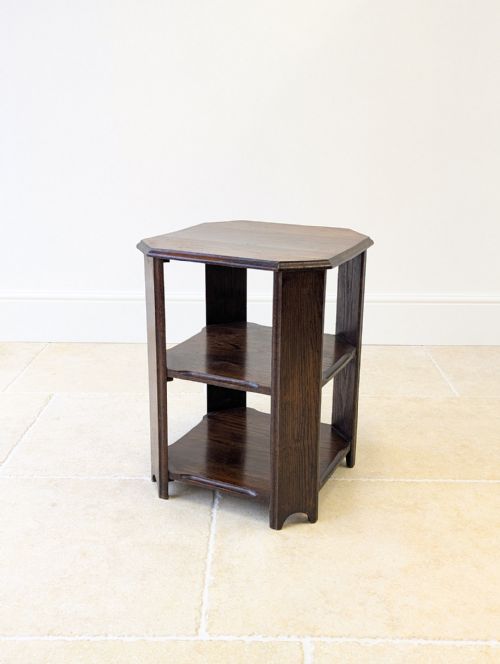
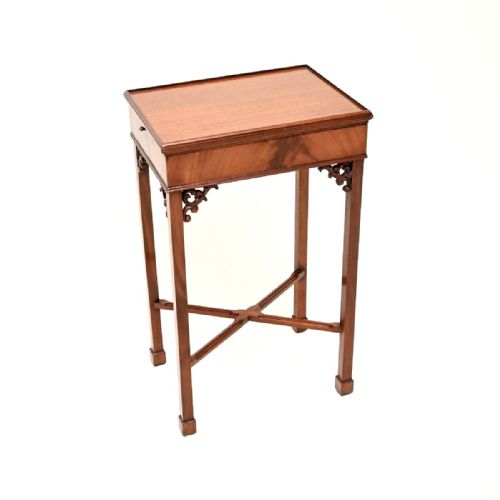
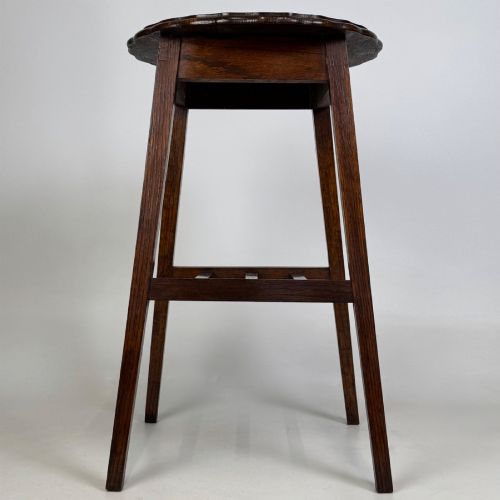
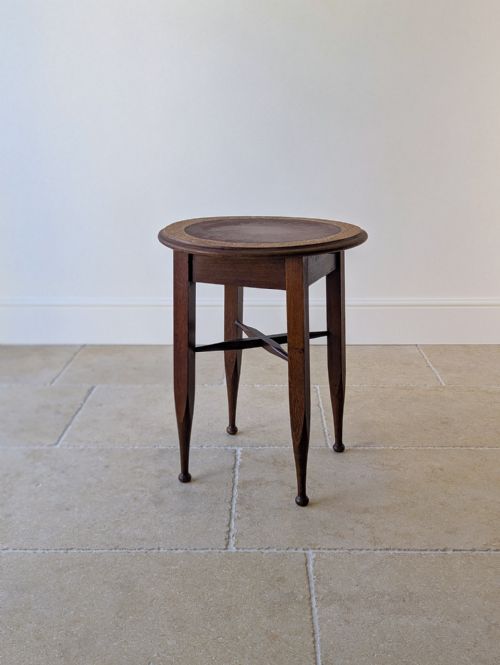
Vintage Corner Side Table
A vintage corner side table solves awkward spatial dilemmas by fitting snugly into rooms where standard rectangular furniture cannot go.
Vintage Corner Side Table
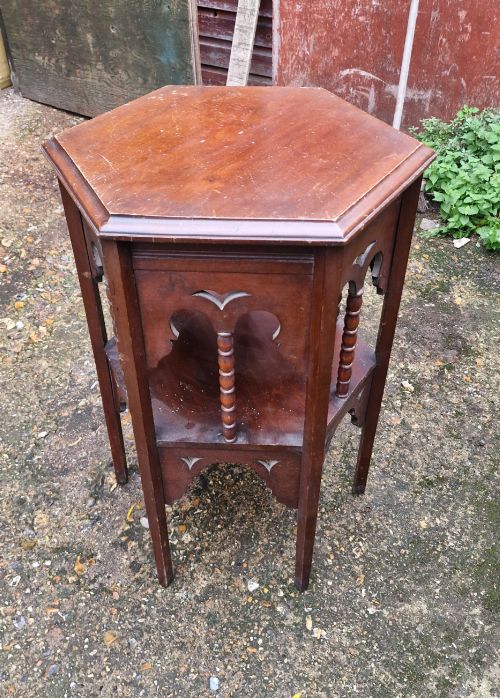
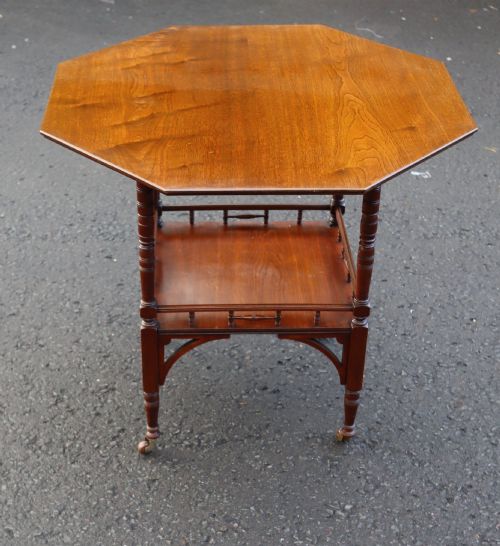
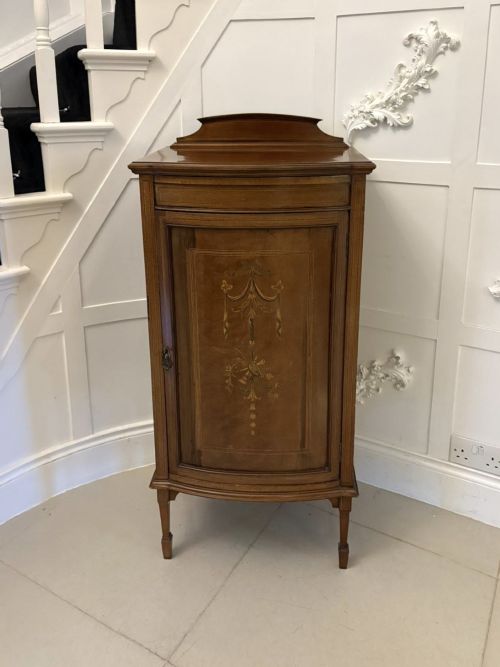
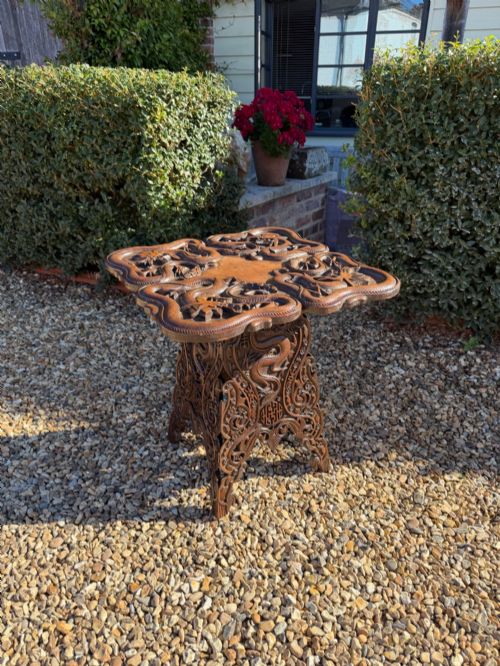
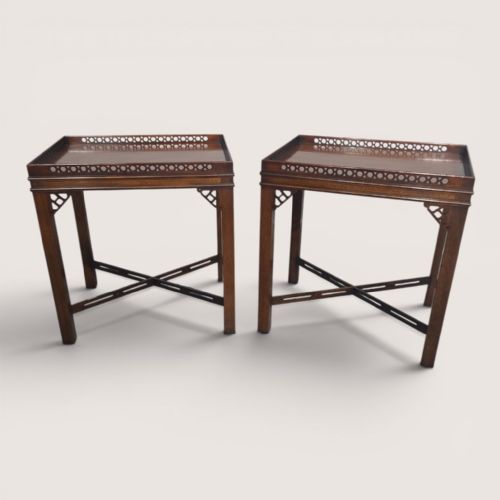
A vintage corner side table is designed specifically to utilise dead angles in domestic spaces, functioning as a practical surface for lamps, books, or decorative objects. When you search for this phrase, you encounter pieces that range from compact triangular designs to tiered stands and occasional tables.
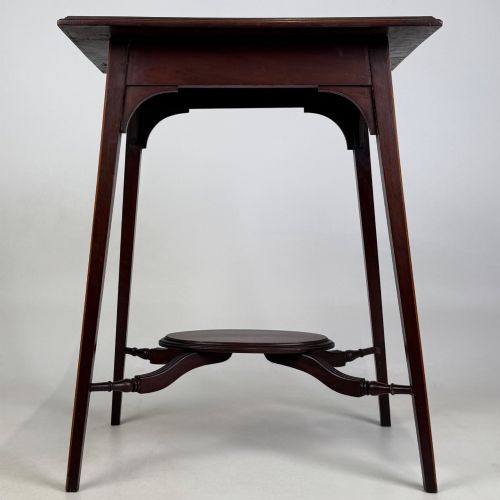
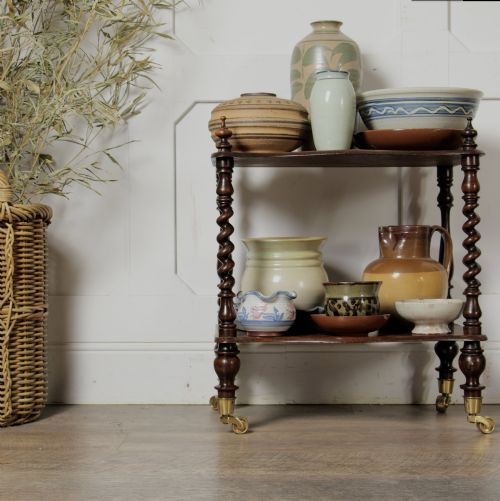
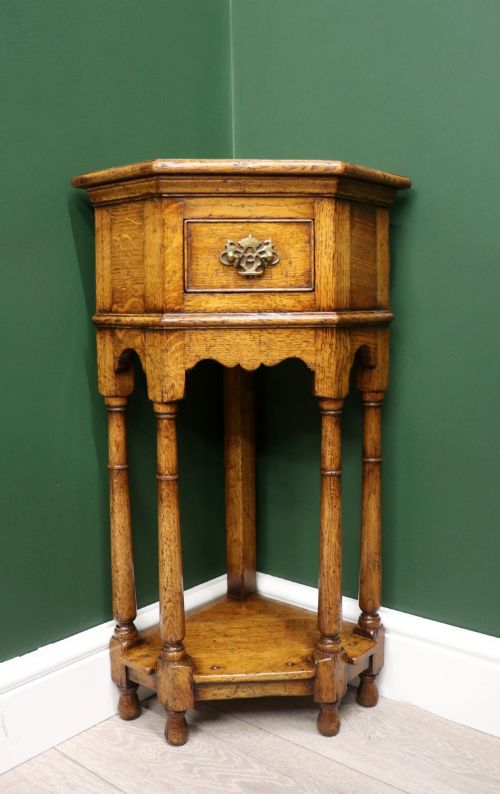
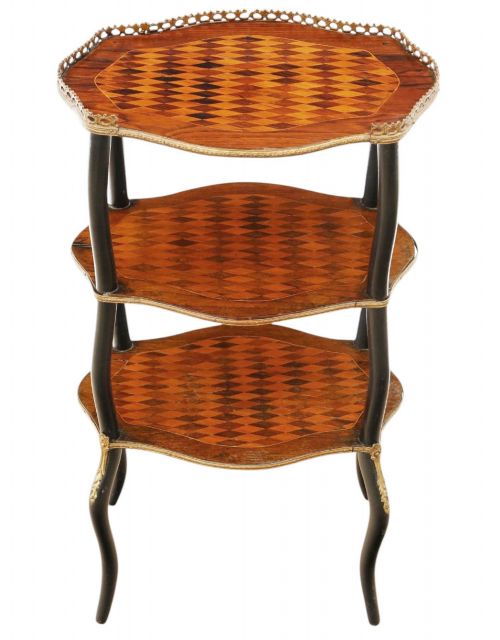
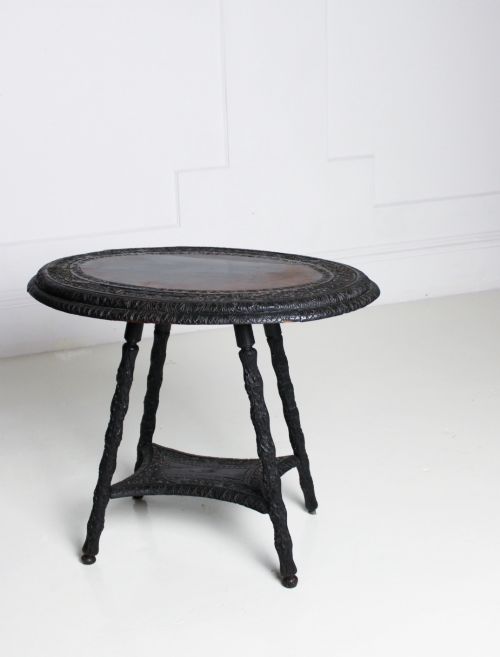
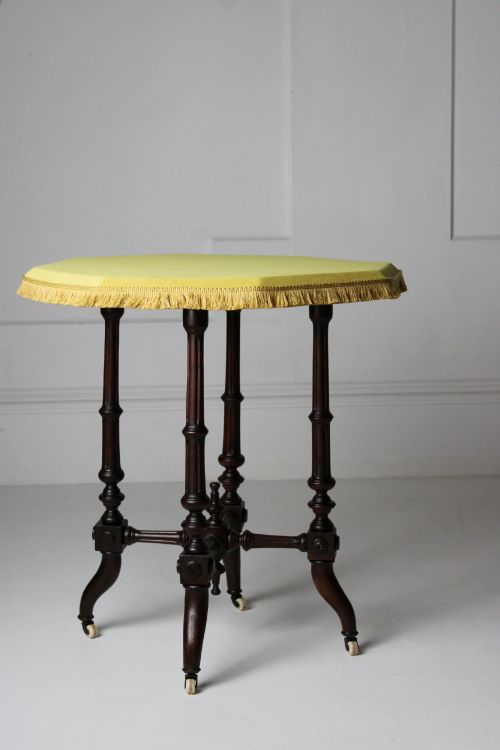
The selections span multiple eras, most frequently appearing from the Edwardian period, the Victorian era, and the early twentieth century. Common forms include tiered étagères, occasional tables, and adapted washstands or lamp tables built to inhabit room corners effectively.
Materials vary widely across these pieces, incorporating traditional hardwoods alongside brass, marble, and bone inlay. Stylistic influences draw heavily on Georgian, Sheraton Revival, Arts and Crafts, and Art Deco traditions.
Materials and Construction Techniques
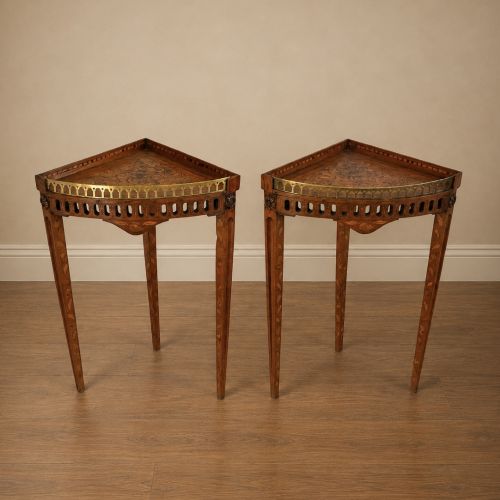
Cabinetmakers utilised sturdy timbers such as mahogany, oak, walnut, and satinwood, often selecting dense hardwoods to ensure stability in freestanding corner units. Decorative treatments frequently involved marquetry, parquetry, and boxwood inlay to enhance table tops and friezes.
Metal components appear frequently in the form of brass galleries, engraved copper trays, and occasional bone inlays, contrasting with the warm tones of ebonised wood or beech. Construction methods range from traditional joinery to turned barley twist supports and tiered shelving assemblies.
Vintage Corner Side Table Retail Price Guide 2026
Typical asking prices for vintage corner side table among the pieces listed under this phrase on Sellingantiques today, from the lower quarter to the upper quarter. They describe what is for sale here now, not the wider market.
Materials span mahogany, oak, walnut, satinwood, and ebonised wood, alongside brass and marble.
Assessing Craftsmanship and Distinction
Quality in these pieces rests upon the precision of the joinery and the subtlety of decorative embellishments like marquetry or parquetry. Tables featuring crisp inlay work, well-chosen timber grains, and integrated fixtures such as brass galleries indicate higher workshop standards.
Proportion and structural integrity also separate standard utility items from finer examples, particularly in how triangular or canted tops meet supporting legs. Pieces that balance decorative ambition with durable construction represent the upper tier of the selection.
The Vintage Corner Side Table Glossary
- Marquetry
- Decorative veneer work forming pictorial or geometric patterns on a wooden surface. Craftsmen cut contrasting woods and exotic materials to create intricate designs across tabletops.
- Parquetry
- Geometric mosaic woodwork used for repeating patterns on floors and table surfaces. It creates a durable, decorative top using small blocks of timber.
- Étagère
- A piece of furniture consisting of open shelves for displaying small objects or ornaments. These tiered stands maximise vertical display space in room corners.
- Barley Twist
- A turning technique resembling a twisted rope, popular in seventeenth-century furniture and revived during the Victorian and Edwardian eras. It adds tactile depth to table legs and plant stands.
Vintage Corner Side Table: Frequently Asked Questions
Where should I place a corner table?
These tables fit naturally into empty room angles, awkward hallways, or unused junctions between seating areas. They provide a resting spot for lamps and drinks without obstructing floor space.
Because of their distinct triangular or canted footprints, they anchor visually empty corners and balance room layouts that feel unbalanced by standard square furniture.
How do I identify Edwardian examples?
Edwardian tables often feature lighter timbers such as satinwood, walnut, and mahogany, frequently complemented by subtle inlay work. The overall aesthetic leans towards refined domestic utility rather than heavy Victorian ornamentation.
Look for slender tapered legs, crossbanding, and two-tier configurations which became popular during the early twentieth century.
Are these tables sturdy enough for lamps?
Most pieces are built from solid hardwoods like oak, mahogany, or beech, making them structurally sound for holding table lamps or decorative objects. Their three- or four-point bases provide adequate weight distribution.
Heavier items like marble-topped stands or multi-tiered étagères offer extra stability due to their substantial construction materials.
What is the difference between an occasional table and a lamp table?
An occasional table is a versatile, movable piece designed for light, flexible use around a room whenever needed. A lamp table serves a more specific function, typically sized and proportioned specifically to hold a lighting fixture beside a chair or sofa.
In corner formats, both types share similar space-saving geometries while catering to different domestic tasks.