


Aesthetic Movement Accent Table
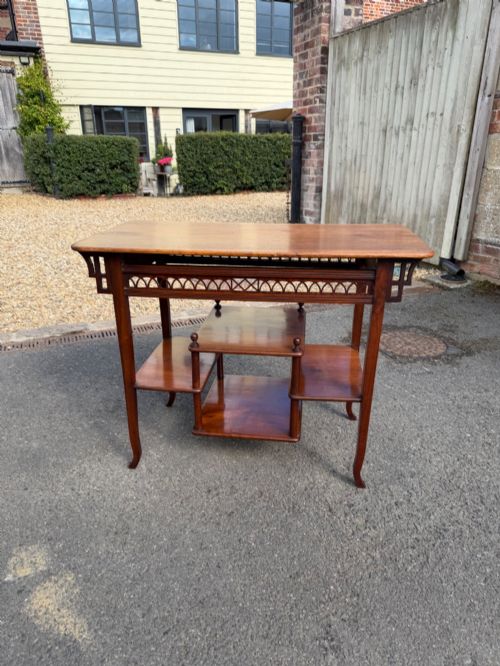
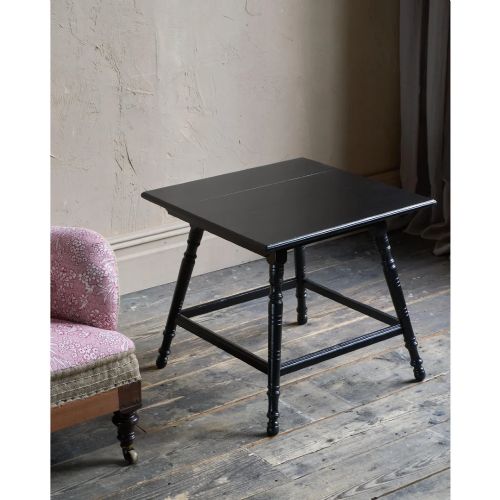
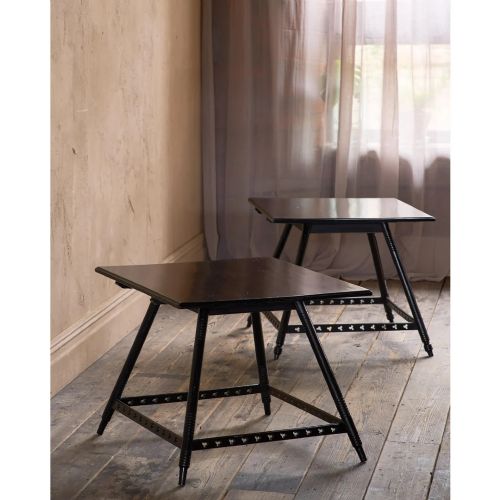
These aesthetic movement accent table designs combine late nineteenth century forms with Japanese and Moorish influences, offering compact surfaces suited to period interiors.
Aesthetic Movement Accent Table
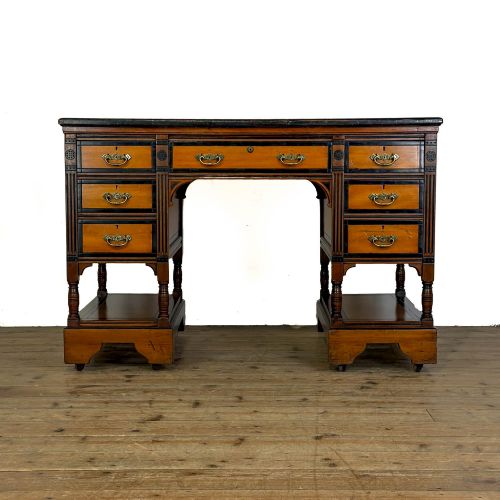
When searching for an aesthetic movement accent table, you encounter occasional, side, and gypsy tables dating primarily from the late nineteenth century. These pieces reflect the Victorian shift towards lighter, art-focused furniture that broke away from heavy historical revivals.
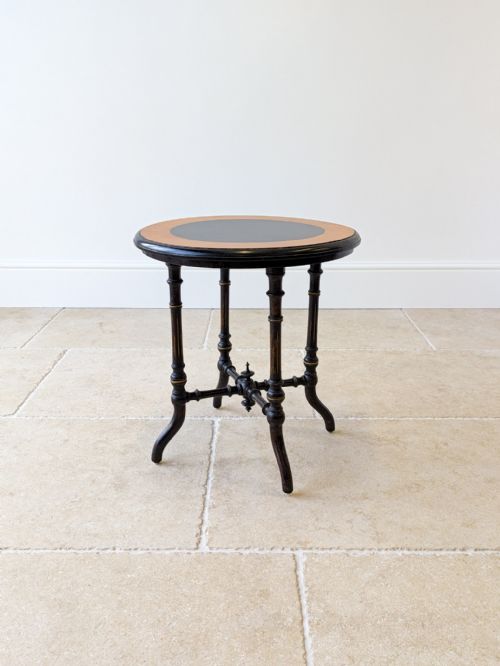
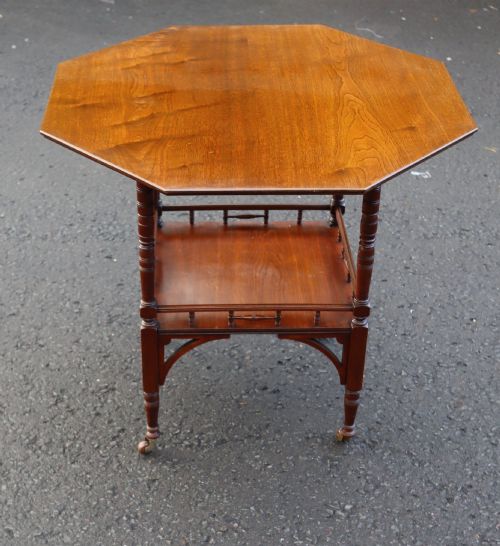
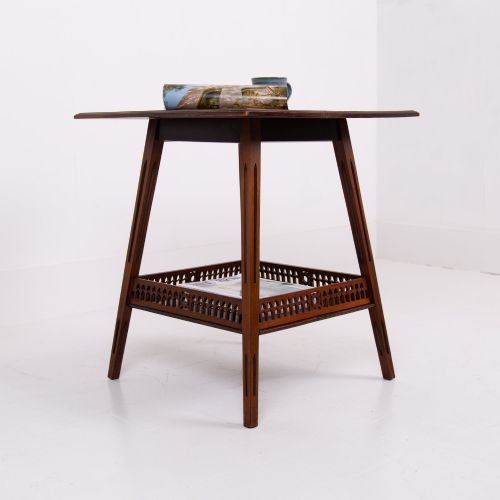
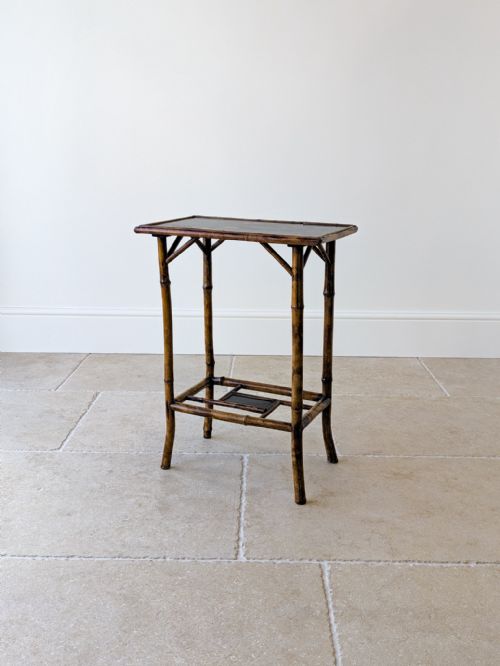
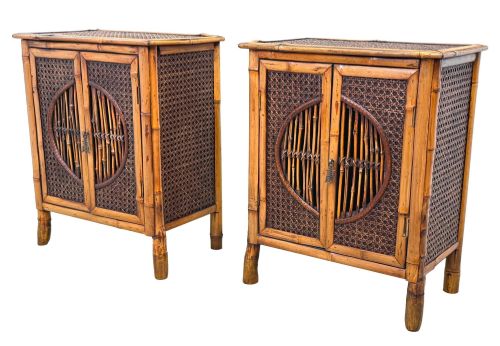
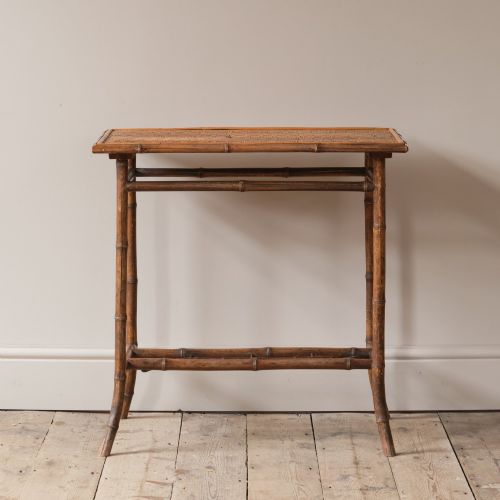
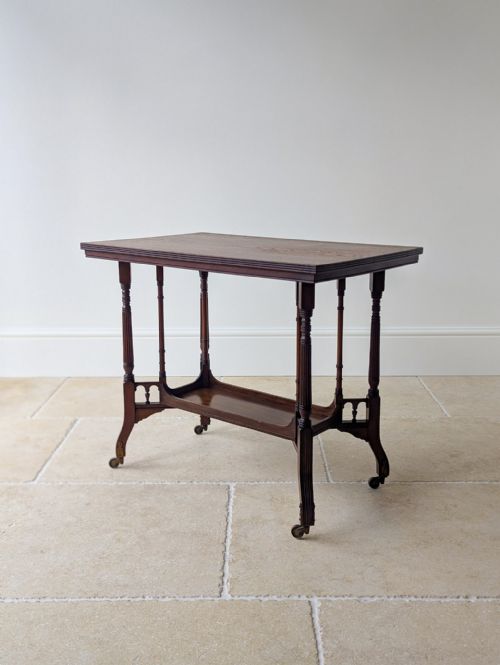
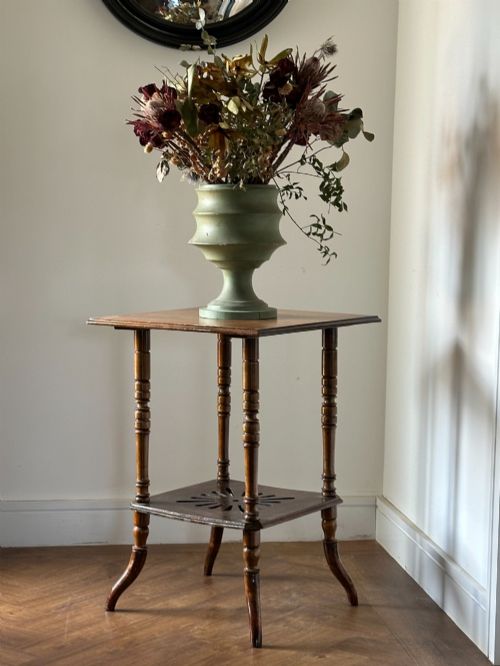
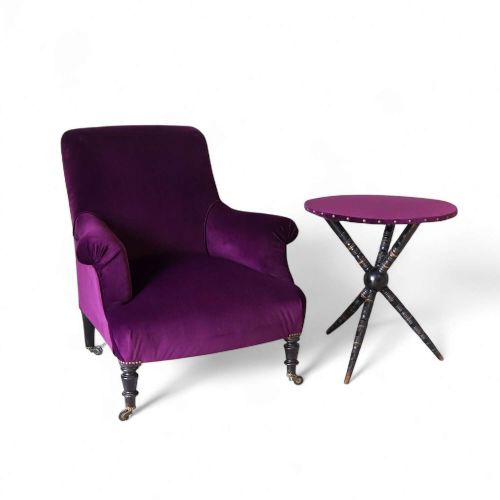
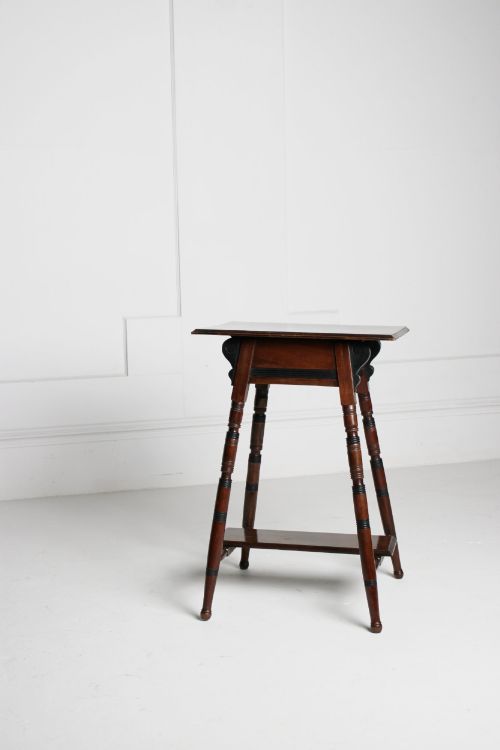
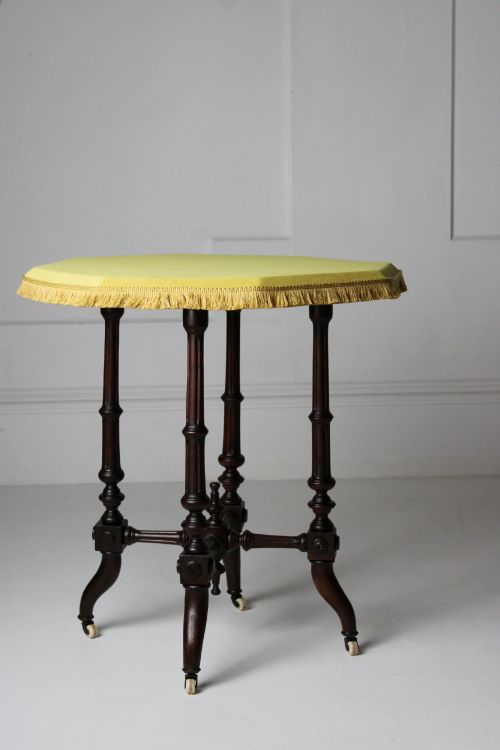
The versions you meet most frequently on this page include ebonised wood structures, bamboo frames, and mahogany or walnut tops. Many examples incorporate two tiers, octagonal shapes, or tripod bases designed to fit easily into smaller residential spaces.
Materials and construction methods
Cabinetmakers utilised ebonised timber to mimic the dark, polished finish of Japanese lacquer, frequently pairing the wood with parcel gilt highlights or delicate marquetry inlay. Bamboo also served as a primary structural material, often combined with woven reed, hessian, or decoupage panels.
Mahogany, walnut, and rosewood appeared in finer occasional and side tables, sometimes crossbanded or inlaid with exotic woods like coromandel and kingwood. Joinery ranged from simple turned supports to intricate pagoda structures and folding tripod mechanisms.
Aesthetic Movement Accent Table Retail Price Guide 2026
Typical asking prices for aesthetic movement accent table among the pieces listed under this phrase on Sellingantiques today, from the lower quarter to the upper quarter. They describe what is for sale here now, not the wider market.
Some nineteenth-century makers experimented with decoupage on bamboo, proving that Victorian domestic DIY had a surprisingly eclectic wild side.
Distinguishing grades of craftsmanship
The division between standard commercial production and exhibition quality work rests on the precision of the timber selection and the complexity of the inlay. Pieces featuring fiddleback mahogany tops, dense coromandel banding, or meticulous marquetry sit at the higher end of the scale.
Structural stability in slender bamboo or ebonised frames depends entirely on the tightness of the joints and the preservation of the original surface finish. Retaining the original ebonisation, gilding, or decorative decoupage without excessive restoration preserves the historical integrity of the piece.
Gregory & Co·Hindley and Sons·Liberty & Co·Collinson & Lock·Jenks & Woods
The Aesthetic Movement Accent Table Glossary
- Ebonised
- Wood treated with a dark stain or chemical process to imitate ebony. This finish became a hallmark of late nineteenth century avant-garde design.
- Gypsy table
- A lightweight occasional table typically featuring a circular wooden top supported by three folding wooden legs. These pieces gained popularity during the Victorian era for domestic tea service.
- Marquetry
- Decorative patterns created by fitting thin pieces of wood veneer onto a structural surface. Cabinetmakers utilised contrasting timbers to render botanical or geometric motifs.
- Anglo-Japanese
- A design style blending British furniture forms with decorative elements derived from Japanese art. E.W Godwin popularised this aesthetic through his minimalist ebonised frameworks.
- Sutherland table
- A narrow drop-leaf table supported by swinging gate legs. When folded, the leaves hang almost vertically to minimise floor space.
Aesthetic Movement Accent Table: Frequently Asked Questions
What is an aesthetic movement accent table?
An aesthetic movement accent table is a small nineteenth-century furnishing designed for decorative display or light domestic use. These pieces draw heavily on Japanese and Moorish motifs, prioritising visual harmony over heavy historical revival styles.
They appear in forms such as octagonal occasional tables, circular gypsy tables, and two-tier side stands. The focus remains on slender proportions and artistic surface treatments rather than heavy storage capacity.
How were these tables used originally?
Victorian households utilised these compact surfaces to hold reading lamps, decorative ceramics, and tea sets in reception rooms. Their lightweight construction allowed occupants to move them easily around a parlour as seating arrangements changed.
Lower tiers provided extra space for books or magazines, while folding tripod designs could be stored away when not in active use.
How do I identify the period?
Dating relies on examining the timber preparation, turning style, and overall structural vocabulary. Pieces originating from the late nineteenth century frequently display ebonised finishes, bamboo framing, or characteristic Anglo-Japanese joinery.
Later Edwardian and early twentieth-century examples often emulate these Victorian forms but tend to utilise different secondary woods or heavier overall proportions.
How do I care for ebonised wood?
Preserving ebonised surfaces requires avoiding direct sunlight and excessive moisture, which can fade or lift the dark finish. Dusting with a soft, dry cloth is sufficient for routine maintenance.
Avoid modern chemical polishes that can degrade the original nineteenth-century surface sheen. Maintaining stable indoor humidity prevents the underlying timber from shrinking and splitting the joints.