

Vintage Copper Wash Copper
Vintage copper wash copper pieces are heavy utilitarian vessels of utility and hearth, bringing substantial metal presence to modern interiors.
Vintage Copper Wash Copper
When buyers search for vintage copper wash copper, they encounter heavy industrial and domestic vessels that once served for laundering, boiling, and cheese making. These objects span the nineteenth century, including specific periods from eighteen hundred through nineteen hundred and twenty.
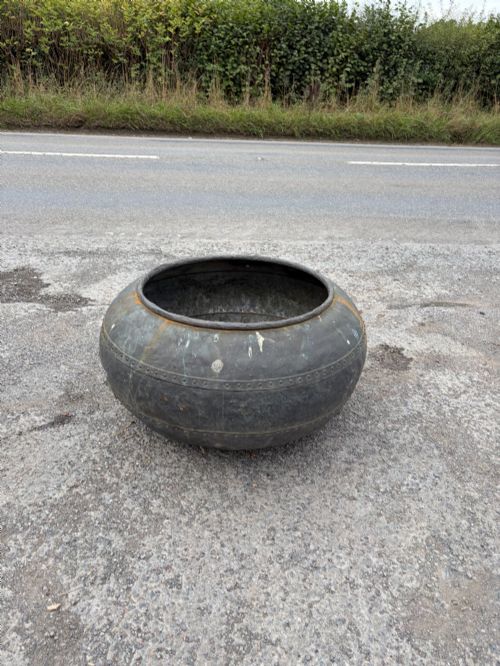
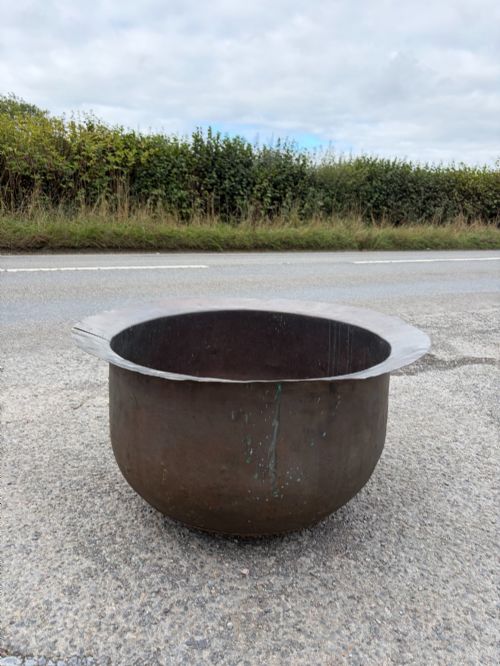
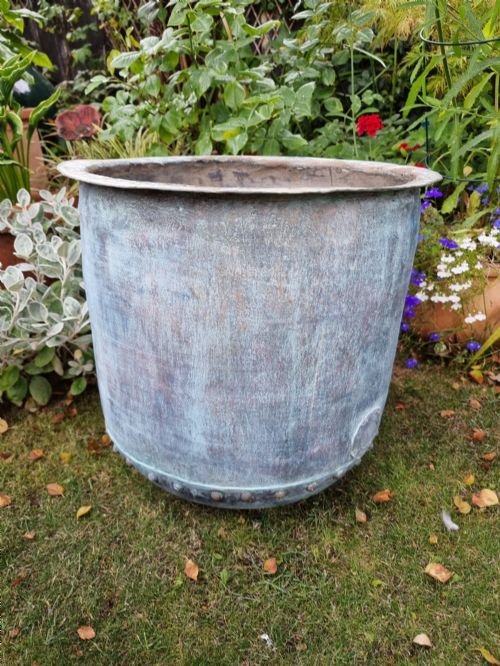
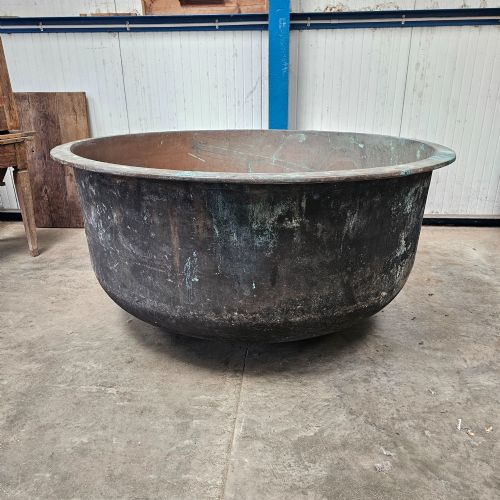
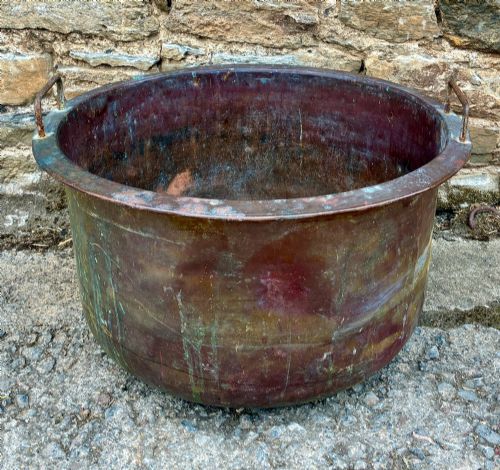
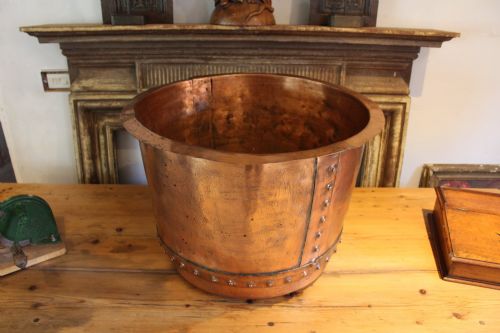
The versions most commonly met on this page include large pots, boilers, cauldrons, and wash tubs. Many function today as log bins, garden planters, or decorative display pieces within rustic farmhouse and country interiors.
Origins stretch across English workshops and French country regions, often carrying marks of heavy utilitarian service. Buyers select these items for their generous scale and robust proportions.
How they were made
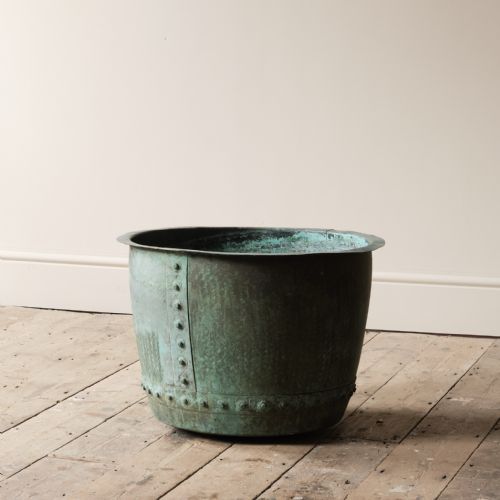
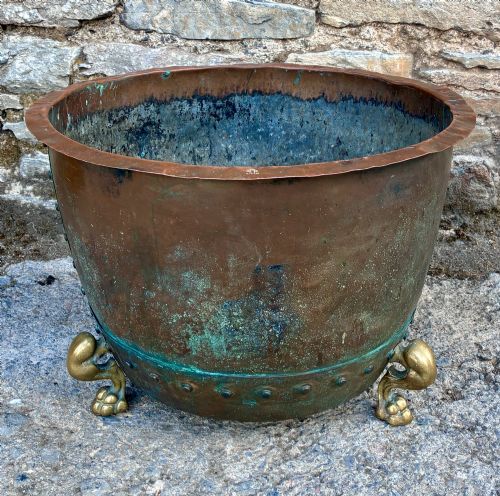
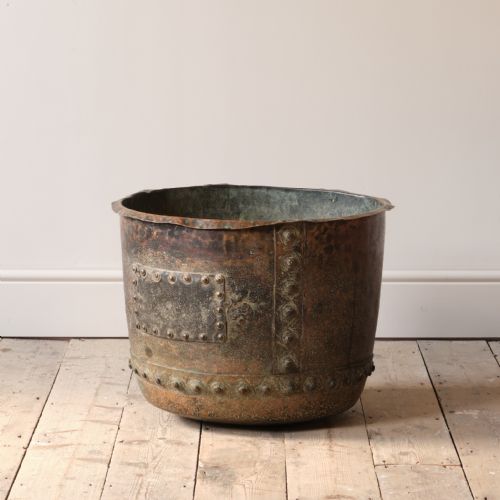
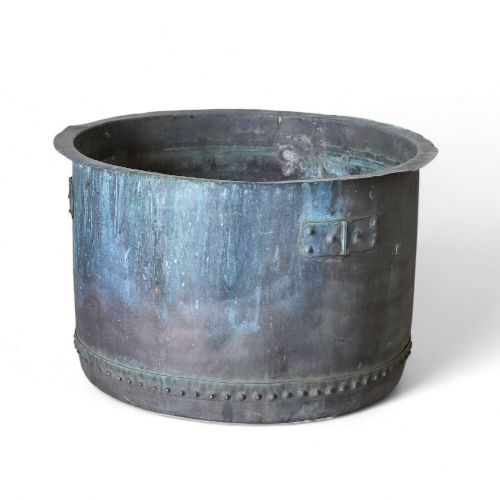
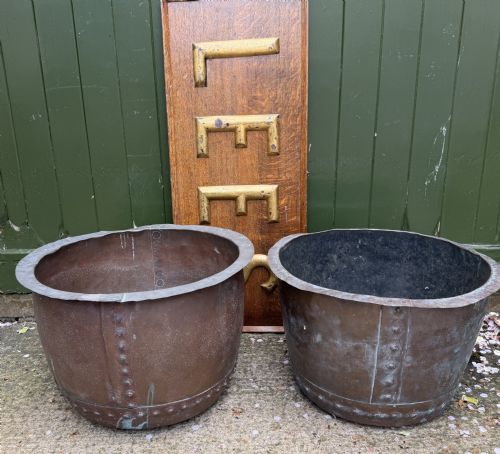
Construction relies heavily on sheet metal joined with hand-formed rivets, creating robust seams capable of holding massive volumes of liquid or fuel. Artisans shaped thick metal sheets over forms, adding structural strength through folded rims and reinforced edges.
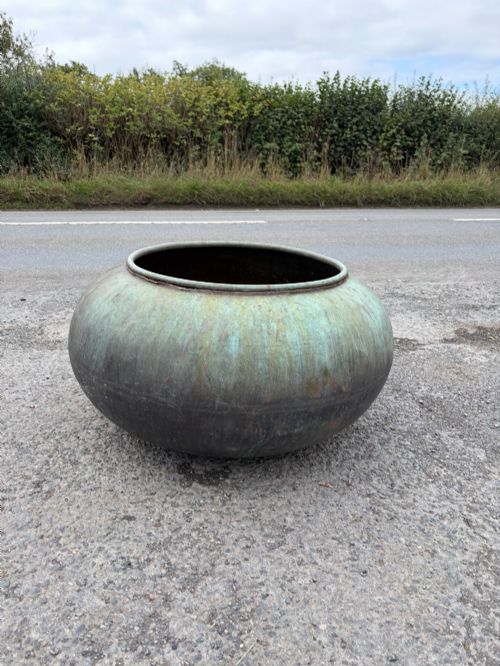
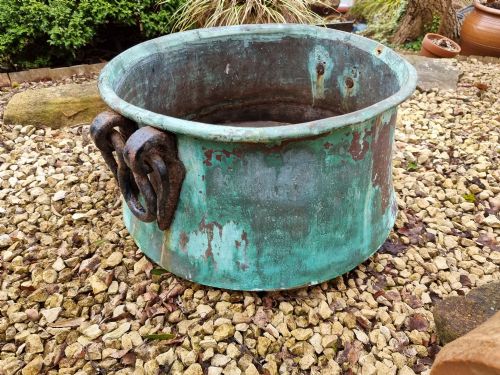
Wrought iron handles and swing bales provide the necessary lifting gear for heavy loads, secured firmly to the main body with iron rivets. Surface finishes develop naturally over decades of exposure, ranging from bright polished metal to rich patinas and verdigris.
Makers utilised heavy gauge materials designed for durability in domestic washhouses and large kitchens. Steel and brass components occasionally appear alongside the dominant copper body to reinforce stress points.
Listings feature items spanning the nineteenth century, including nineteenth century country, Victorian utilitarian, and Georgian periods.
What varies in quality
Quality rests in the thickness of the original metal plate and the integrity of the hand-riveted seams. Vessels retaining their original wrought iron handles and authentic surface patinas command greater interest among collectors.
Proportion and scale distinguish standard utility vessels from exceptional display pieces, such as huge cheese vats or extra-large cauldrons. The presence of natural verdigris and weathered surfaces adds distinct character to surviving examples.
The Vintage Copper Wash Copper Glossary
- Patina
- The surface sheen and colour acquired by metal through age, handling, and environmental exposure. This natural layer accumulates over decades and indicates genuine age.
- Verdigris
- The green crust or patina formed on copper and brass surfaces through atmospheric oxidation. It provides a visual indicator of weathering and historical use.
- Riveted
- Joined together using metal pins hammered flat to secure overlapping sheets. This technique predates modern welding and ensures durable structural bonds.
- Cauldron
- A large metal pot with a swing handle, traditionally used over open fires for boiling liquids. These deep vessels often feature heavy iron attachments.
- Boiler
- A large container designed for heating water during laundry or brewing tasks. They frequently display substantial capacity and sturdy bottom construction.
Vintage Copper Wash Copper: Frequently Asked Questions
How were these copper vessels used originally?
These large vessels served demanding domestic and agricultural tasks such as laundering clothes, boiling water, and cheese production. Households relied on their capacity to handle heat and heavy loads over open fires or dedicated ranges.
Over time, many of these utilitarian containers transitioned from working farmhouses and washhouses into decorative architectural elements. Today they find new purpose holding logs by the hearth or acting as generous planters in gardens.
Can these copper pots be used outdoors?
Many of these heavy vessels suit outdoor placement, particularly as garden planters and display pots. Their robust metal construction withstands the elements while developing further weathering over time.
Placing them outside allows the metal to react naturally with moisture, enhancing the surface patina and verdigris. Drainage may need to be considered depending on the specific vessel type.
How do I date a nineteenth century copper piece?
Dating relies on observing construction methods, handle attachments, and material thickness. Hand-riveted seams and wrought iron swing handles typically point to nineteenth century or earlier manufacturing traditions.
Comparing the style of rims, rivet shapes, and overall proportions against documented periods helps narrow down the era of production. Maker marks remain uncommon on everyday utilitarian items from these centuries.
What is the best way to clean antique copper?
Most collectors prefer to preserve the aged surface patina and verdigris rather than polish the metal to a bright shine. Gentle dusting and occasional washing with mild soap remove surface dirt without disturbing the historical finish.
Harsh chemical cleaners strip away the natural character accumulated over generations of use. Maintaining the unpolished surface preserves both the visual appeal and the historical integrity of the piece.