

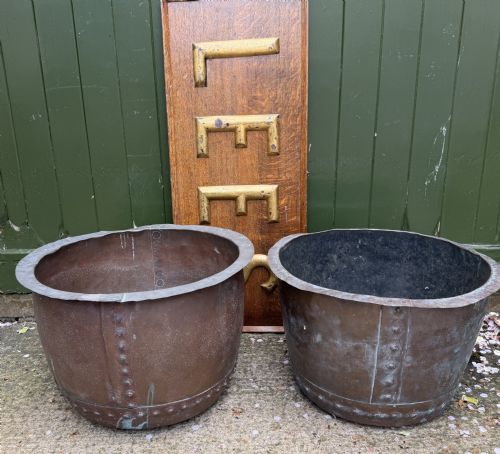


Victorian Copper Wash Basin
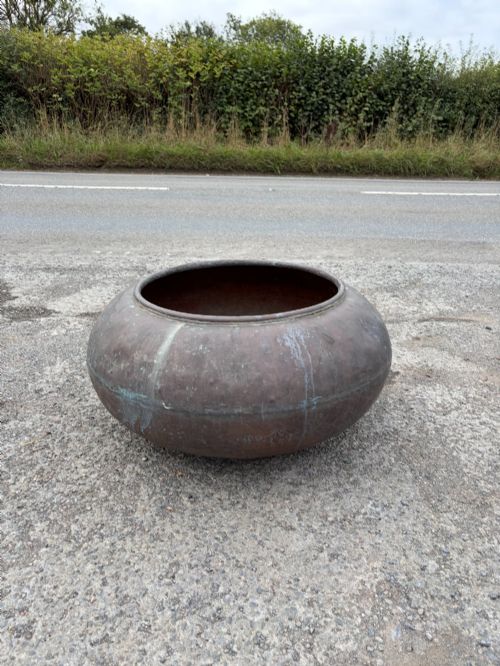
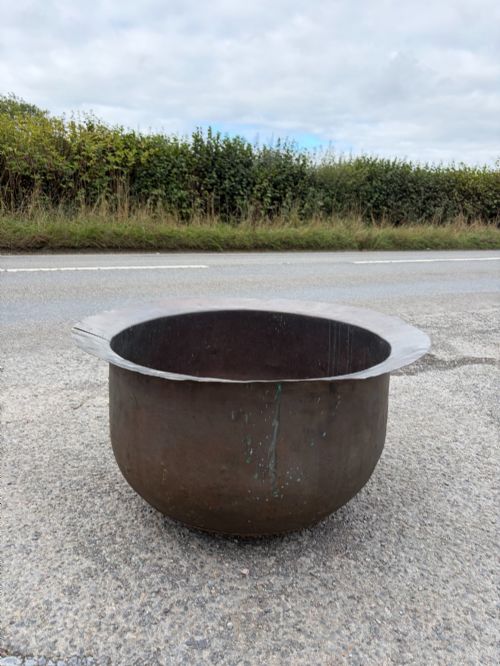
These robust victorian copper wash basin pieces and related vessels bring genuine nineteenth-century utility and warmth into modern spaces.
Victorian Copper Wash Basin
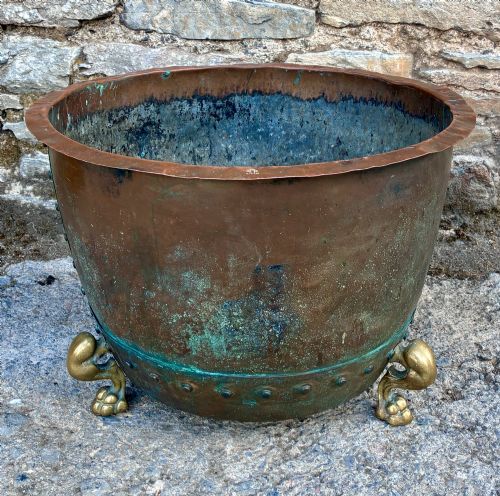
When you search for a victorian copper wash basin, you encounter a range of nineteenth-century metalwork and pottery designed for heavy domestic labour. The metal vessels span large copper pots, cooking pans, boilers, grain measures, cream setting pans, and log bins that double as garden planters. Alongside these metal forms appear Victorian Gaudy Welsh pottery basins in patterns such as Celyn.
Most examples originate from the Victorian period, specifically bearing dates around eighteen-fifty and eighteen-ninety. They cross over into rustic farmhouse, industrial country, and traditional country styles, reflecting their origins in nineteenth-century kitchens, laundries, and dairies.
How they were made
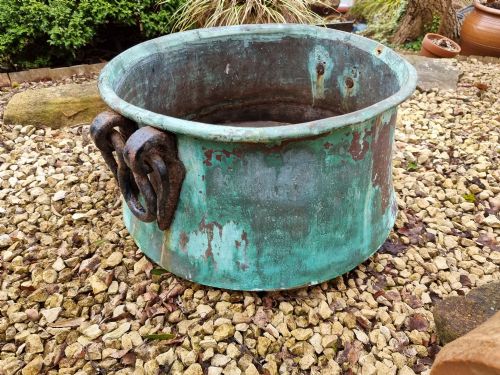
Ceramic pieces utilise earthenware bodies finished with glaze and enamel, seen in the Gaudy Welsh pottery basins. Metal surfaces frequently display natural verdigris finishes, weathered patinas, and heavy construction marks from nineteenth-century workshops.
Listings feature nineteenth-century copper, iron, brass, and earthenware, spanning styles from rustic farmhouse to Victorian industrial.
What varies in quality
Quality in these pieces rests upon the integrity of the metalwork, the weight of the copper, and the survival of the original surface. Heavy gauge copper vessels that retain their structural form and bear honest signs of period use stand apart from thinner, compromised items.
The character of the surface finish dictates visual appeal, where a stable verdigris and a deep, weathered patina elevate a piece. In the ceramic examples, the crispness of the glaze and the preservation of the pattern define the better specimens.
The Victorian Copper Wash Basin Glossary
- Verdigris
- A green patina formed naturally on copper through atmospheric exposure. This oxidation layer indicates age and adds distinctive colour to nineteenth-century metalwork.
- Patina
- The surface sheen and colour developed through years of handling, use, and cleaning. A good patina shows authentic historical wear.
- Grain measure
- A cylindrical metal vessel historically used for bulk measuring of dry agricultural produce. These heavy copper containers now serve decorative domestic functions.
- Gaudy Welsh
- A type of nineteenth-century Staffordshire pottery featuring brightly coloured underglaze hand-painting with prominent copper lustre highlights.
- Cream setting pan
- A wide, shallow ceramic or metal vessel used in dairies to allow cream to rise to the top of milk before skimming.
Victorian Copper Wash Basin: Frequently Asked Questions
How were these copper vessels originally used?
Nineteenth-century copper vessels served demanding utilitarian roles in large kitchens, laundries, and dairies. They handled heavy tasks such as boiling laundry, heating water, cooking large quantities of food, and setting cream.
Over time, heavy grain measures and pots were also adapted for agricultural storage and processing before finding new life in domestic interiors.
Can I use a vintage copper pot for cooking?
Most nineteenth-century copper pots and basins were designed for heavy domestic labour and commercial dairy use rather than modern culinary standards. Many lack contemporary food-safe linings and are best suited for decorative display.
If you plan to use them with food or plants, inspect the interior surfaces carefully to understand their current material composition and condition.
How do I clean weathered copper?
Weathered copper typically benefits from gentle cleaning that preserves the stable verdigris and historical patina rather than aggressive polishing. Removing dust and light dirt with a soft cloth maintains the character earned over the nineteenth century.
Avoid harsh chemical agents or abrasive pads that strip away the surface history and alter the natural tone of the metal.
How do I style a log bin or planter?
Large nineteenth-century copper pots, log bins, and steel planters work well as standalone focal points in hearth spaces or gardens. Their industrial and rustic country aesthetics complement both traditional and modern rooms.
Fill them with dry logs, large house plants, or garden foliage to bridge their original utility with contemporary interior decoration.