
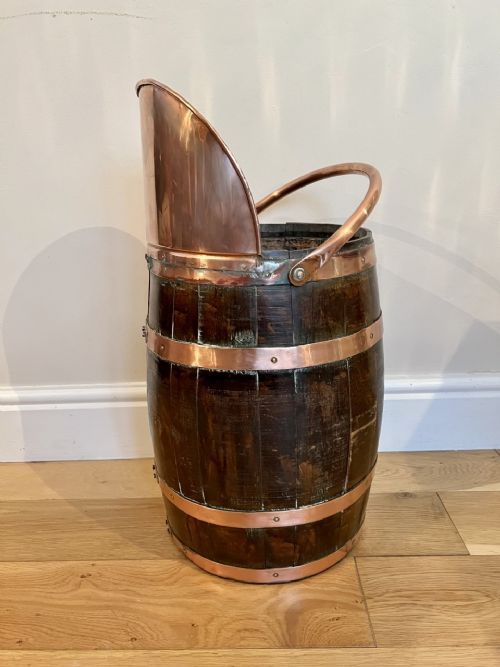


Vintage Copper Scuttle
A vintage copper scuttle brings warmth and utility to a hearth, offering a practical vessel shaped by nineteenth-century metalwork.
Vintage Copper Scuttle
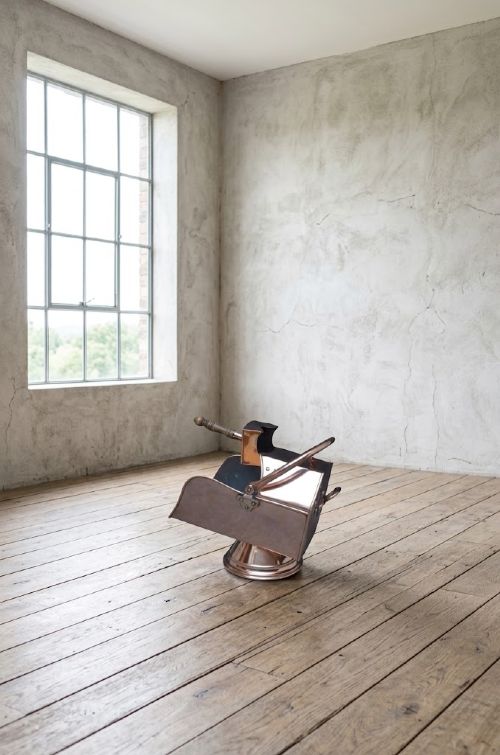
A vintage copper scuttle encompasses fireside accessories designed for holding coal, logs, or peat beside the fireplace. The selections on this page centre upon nineteenth-century Victorian pieces, alongside George III examples and Edwardian designs.
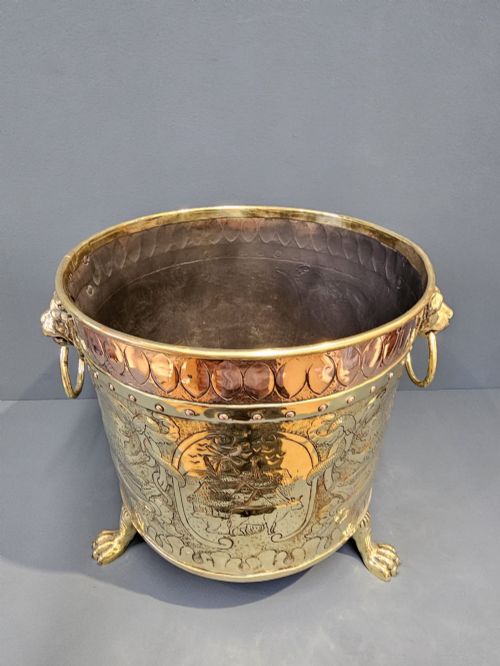
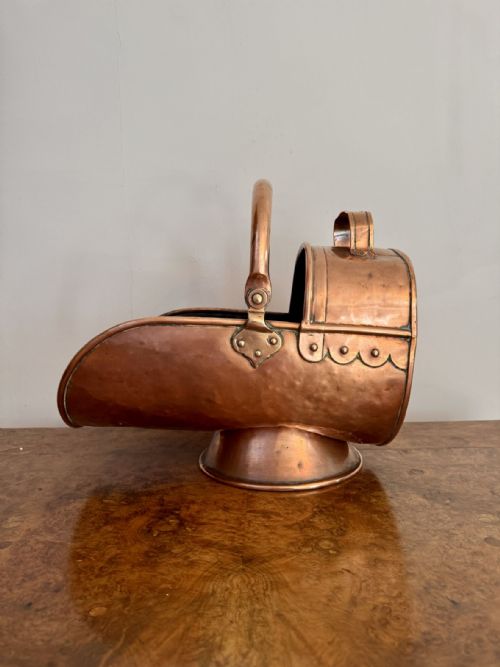
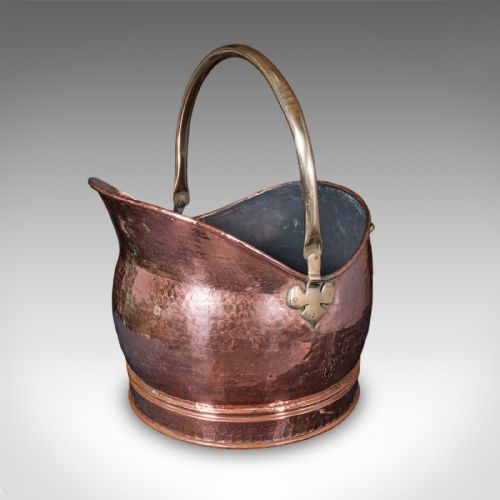
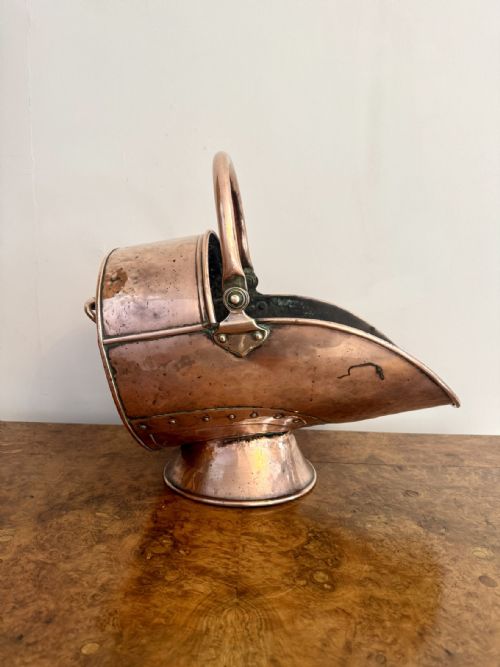
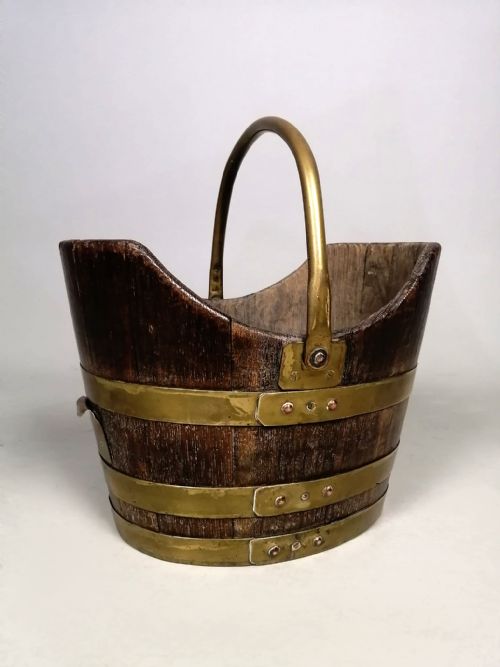
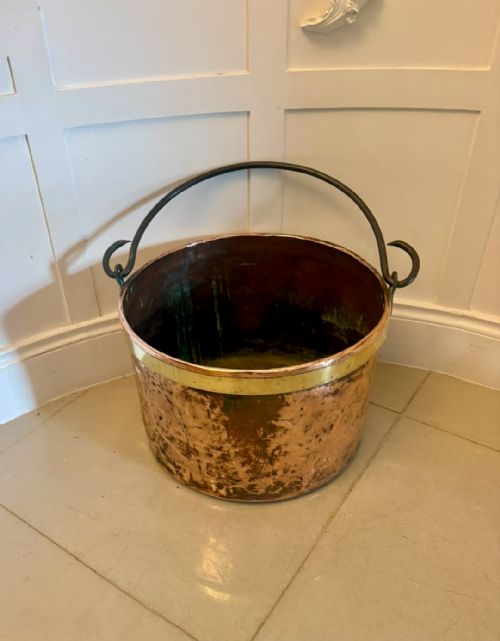
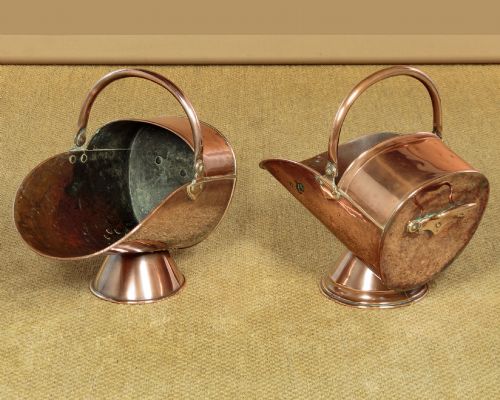
Buyers commonly encounter helmet-shaped scuttles and open buckets outfitted with brass handles. Many of these vessels double as planters and jardinieres within domestic interiors.
Materials and construction
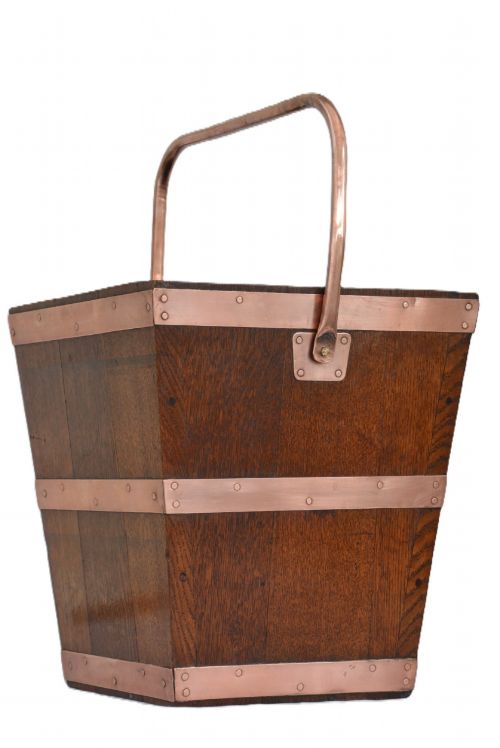
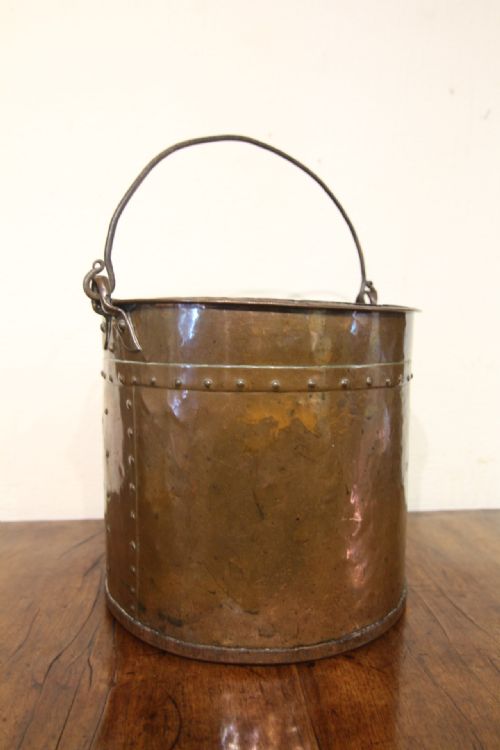
Metalworkers formed these vessels primarily from sheet copper, often reinforcing the bodies with brass bands and riveting the seams for durability. Wrought iron and wood occasionally appear in handles, frames, and oak-staved bucket bodies.
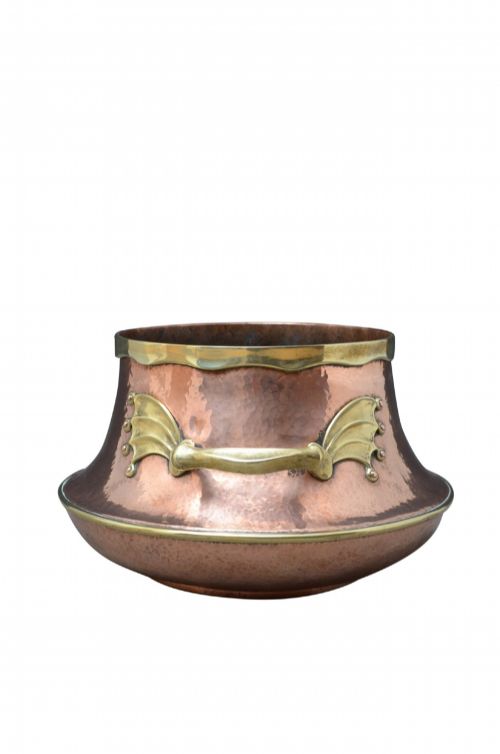
Surface finish ranges from hand-hammered textures to smooth polished sheets, occasionally complemented by embossed brass ornamentation or iron mountings.
Vintage Copper Scuttle Retail Price Guide 2026
Typical asking prices for vintage copper scuttle among the pieces listed under this phrase on Sellingantiques today, from the lower quarter to the upper quarter. They describe what is for sale here now, not the wider market.
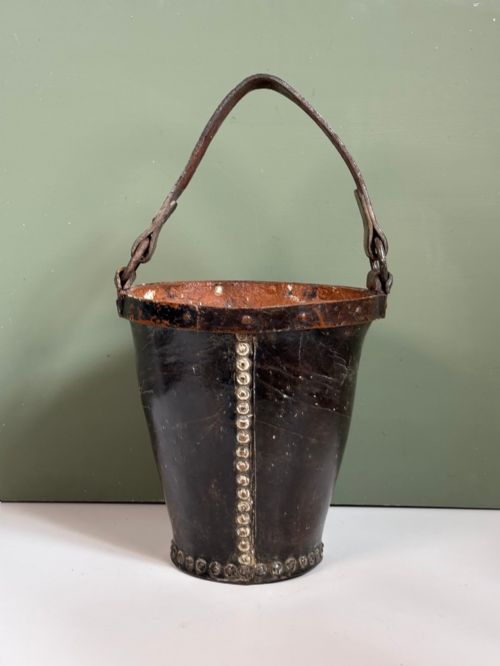
Materials documented across the items include copper, brass, wrought iron, oak, and boiled leather.
Judging quality
Substantial weight in the copper and rigidity in the riveted joints indicate superior construction. Thicker metal resists denting from daily use near the fire.
The crispness of hand-hammering and the integration of brass mounts differentiate standard utility items from more decorative fireside pieces.
The Vintage Copper Scuttle Glossary
- Coal helmet
- A traditional fireside scuttle shaped with a flared lip resembling a classical helmet, designed for pouring fuel cleanly.
- Jardiniere
- An ornamental pot or vessel, often utilised for holding plants, which shares forms with many antique copper buckets.
- Riveted
- Joined with metal pins that hold overlapping copper sheets securely together along the vertical seams.
- Arts and Crafts
- A design movement favouring honest construction and hand-worked materials over mass-produced ornamentation.
Vintage Copper Scuttle: Frequently Asked Questions
What were vintage copper scuttles used for?
These vessels served to transport and store coal or logs beside the domestic fireplace.
Today they function equally well as fireside fuel containers or as large planters for indoor house plants.
How do I date a copper scuttle?
Dating relies upon identifying construction methods, such as hand-riveted seams versus machine joints, alongside stylistic markers from periods like Victorian or George III.
Materials such as oak staves or wrought iron handles also provide clues regarding the manufacturing era.
Can I polish my copper bucket?
Polishing depends entirely on personal preference regarding the metal surface.
Some collectors prefer a bright reflective shine, while others favour an aged dark patina developed over decades.
Where were these pieces made?
The pieces originate primarily from British workshops dating from the eighteenth to the early twentieth century.
Local metalworkers produced them using traditional hand-raising and riveting techniques.