
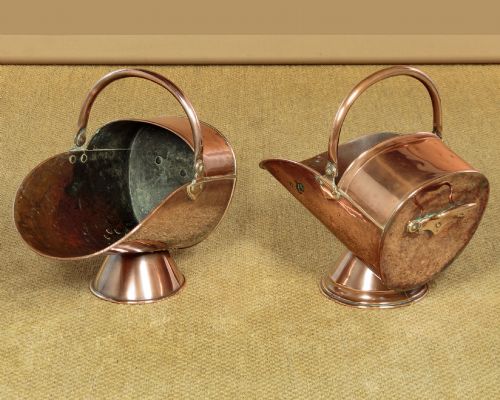


Vintage Copper Coal Bin
A vintage copper coal bin brings warmth and texture to a hearth, holding fuel while grounding a room with metal and history.
Vintage Copper Coal Bin
A vintage copper coal bin serves practical fireside duty, though many now hold logs, kindling or large plants. When you search for this phrase, you find heavy utilitarian vessels built to handle fuel in nineteenth and early twentieth century homes.
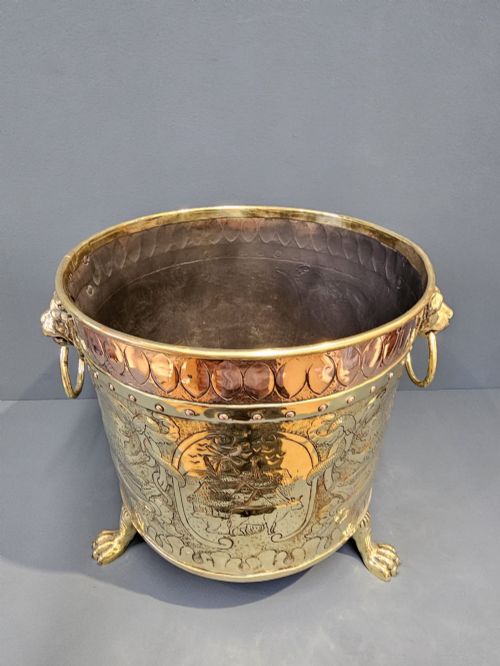
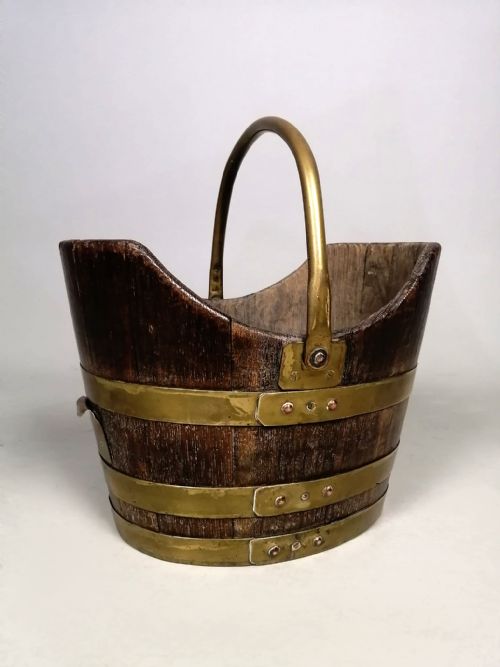
Materials extend beyond pure metal, incorporating brass handles, wrought iron frames, and wooden bodies panelled in sheet copper. Scottish and English pieces appear frequently, showing regional variations in form and decorative mounting.
Construction and Materials
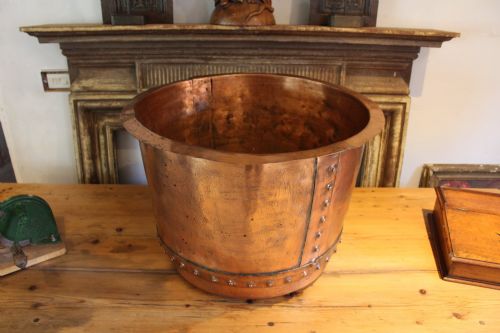
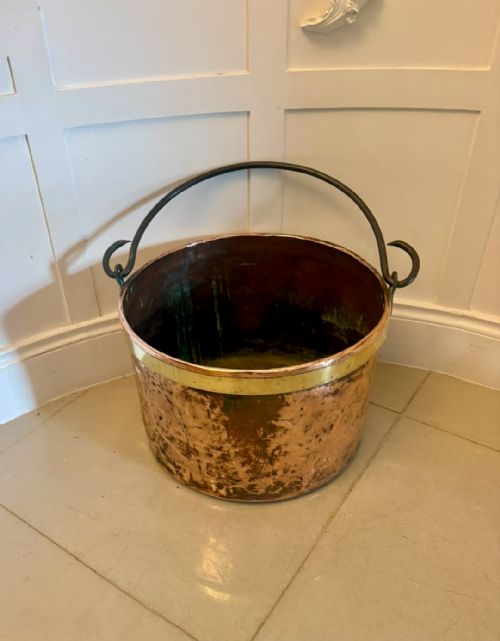
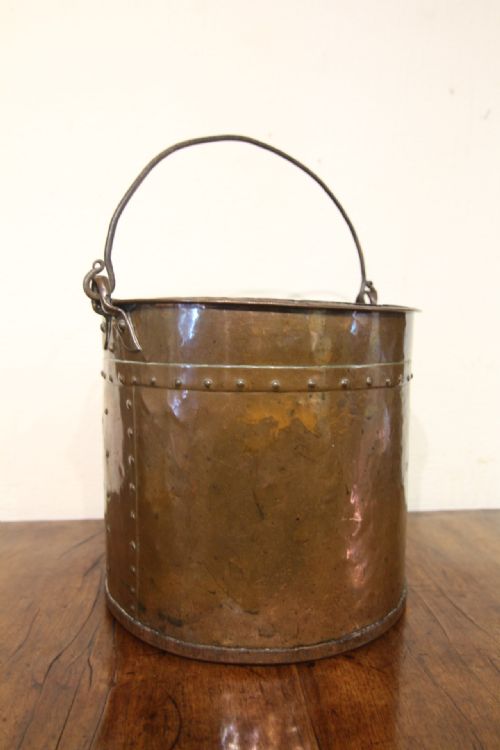
Sheet copper forms the primary body, shaped by hand or hammered into curves over wooden or metal blocks. Rivets secure the overlapping seams, while wrought iron and brass provide sturdy drop handles, rims, and supportive frames.
Decorative work on these pieces relies on traditional metalworking techniques rather than cast ornamentation. Embossing, hand-beating, and applied brass bands give texture to the metal surfaces, reflecting the styles of the Victorian Aesthetic Movement and the Arts and Crafts period.
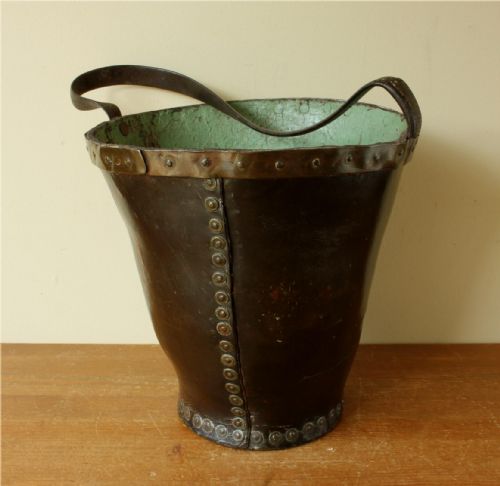
Materials documented in current pieces include copper, brass, wrought iron, oak, leather, and tin.
Judging Quality and Execution
The gauge of the metal and the integrity of the joints dictate the calibre of a vessel. Heavier sheet copper resists denting and holds its shape under the weight of logs, whereas thin metal flexes and shows stress near the handles.
Hand-finished details distinguish standard utilitarian buckets from finer decorative examples. Crisp hammering marks, tight riveting, and well-cast brass feet or mounts indicate skilled workshop production from the nineteenth or early twentieth century.
The Vintage Copper Coal Bin Glossary
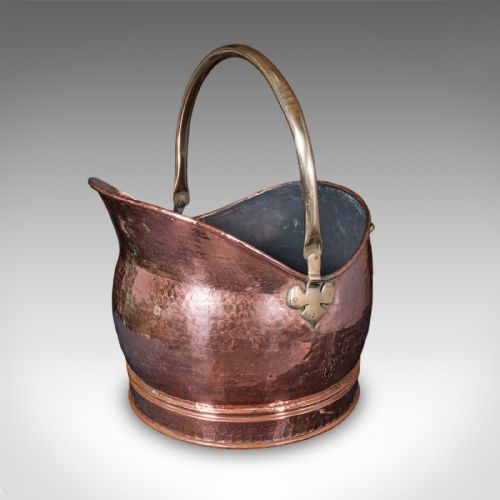
- Helmet Scuttle
- A coal container featuring a high, pointed back and a sloping front lip designed for pouring fuel cleanly. The shape resembles a traditional headpiece.
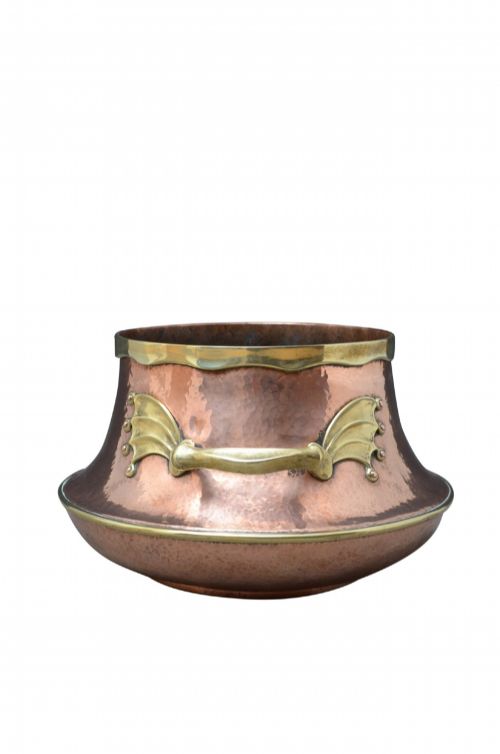
- Dinanderie
- A term for various objects made of hammered or engraved brass, copper, or bronze. It appears on decorative cauldrons and vessels from the early twentieth century.
- Coal Hod
- A deep bucket or box used to carry and store coal near the fireplace. They often include a swing handle and a smaller shovel for stoking.
- Ferrat
- A historic term occasionally applied to metal vessels and buckets. It denotes sturdy containers intended for heavy domestic or industrial transport.
Vintage Copper Coal Bin: Frequently Asked Questions
How do I clean a copper coal bin?
Wash the surface gently with warm soapy water and a soft cloth to remove dust and soot. Avoid harsh abrasive cleaners that strip the aged patina from the metal.
Dry the vessel thoroughly after washing to prevent water spotting. Many collectors prefer to leave the natural oxidation untouched rather than polishing the copper to a bright shine.
Can I use these bins for logs?
Most of these metal and wood vessels suit storing logs and kindling beside a hearth. Their original purpose involved holding coal, which is considerably heavier than dry firewood.
Check the interior for any remaining coal dust or dampness before loading wood. Line the base with a protective mat if the bottom shows wear or thin spots.
How do I date an antique coal bin?
Examine the construction methods, such as the style of the rivets and the composition of the handles. Machine-rolled sheet metal and certain brass alloy stamps point toward later Victorian or Edwardian production.
Hand-beaten surfaces, wrought iron mountings, and Georgian or early nineteenth-century design cues indicate earlier periods. Documentation or maker marks, when present, help narrow down the decade.
Are brass and copper used together?
Makers frequently combined copper bodies with cast or sheet brass trim to create visual contrast. Handles, rims, paw feet, and decorative bands often utilise brass for its brighter golden tone.
This mixed-metal approach appears across Victorian, Arts and Crafts, and Art Nouveau pieces. The combination adds structural strength while accentuating the warmth of the copper panels.