




Vintage Conservatory Furniture
These vintage conservatory furniture pieces bring enduring character to garden rooms and orangery spaces through time-honoured materials and classic regional designs.
Vintage Conservatory Furniture
Vintage conservatory furniture encompasses seating, tables, and display units designed for light-filled rooms, garden spaces, and orangeries. The selection leans heavily towards pieces originating from the nineteenth century up through the nineteen-forties.
Armchairs, garden benches, and side tables dominate the offerings, often appearing alongside specialist items like bakers racks and console tables. Buyers frequently encounter seating suites and loungers intended for relaxed indoor and outdoor living.
The aesthetic bridges domestic comfort and garden utility, drawing on Victorian, French Country, Arts and Crafts, and Art Deco traditions. Pieces reflect the functional needs of period sunrooms through adaptable forms and durable construction.
How vintage conservatory furniture was made
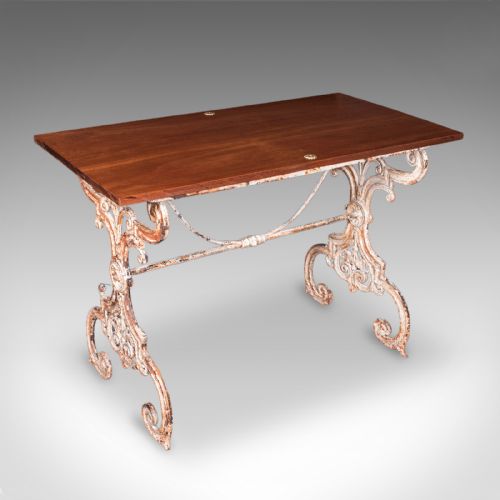
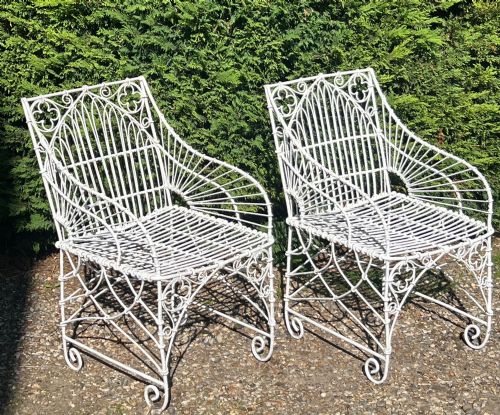
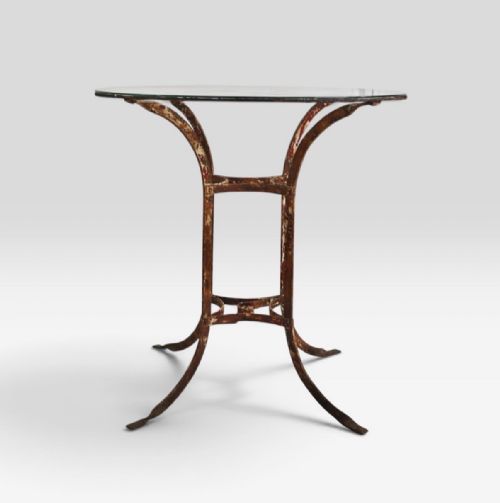
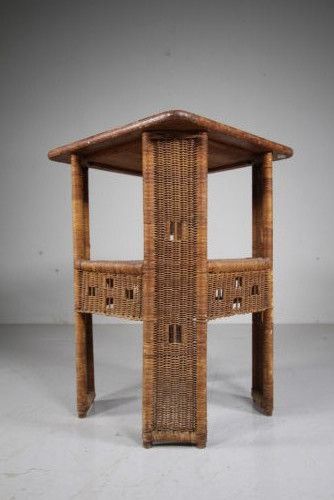
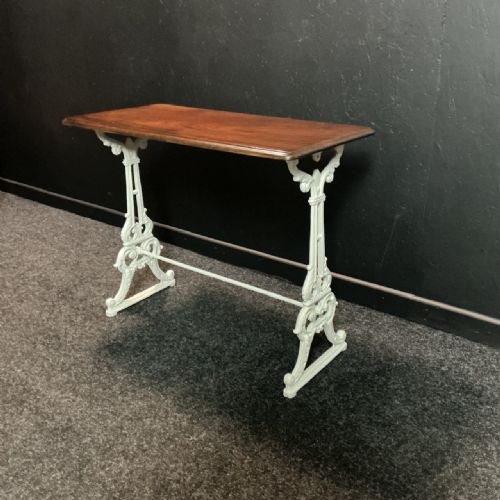
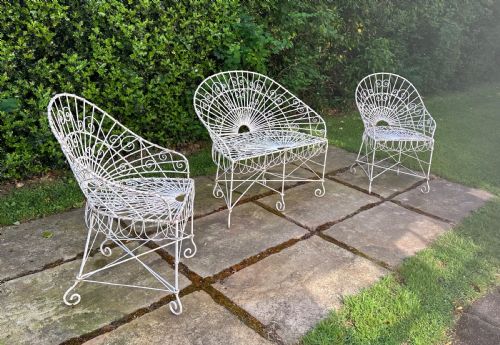
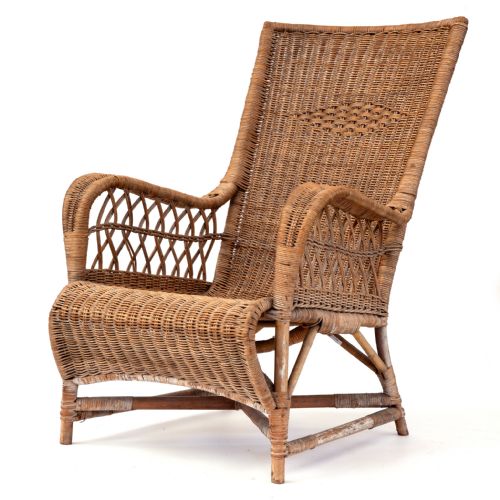
Construction relies on natural plant fibres and sturdy metals, with cane, rattan, and wicker woven over structural frames. Makers also utilised oak, wrought iron, and cast iron to ensure stability in humid or sun-drenched environments.
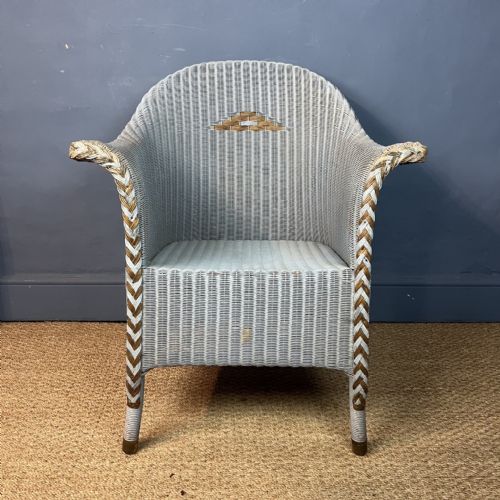
Techniques range from steam-bent wood and traditional basketry weaving to metal casting and strap work assembly. Manufacturers such as Dryad of Leicester and Lloyd Loom introduced innovative woven fibre methods that defined twentieth-century production.
Vintage Conservatory Furniture Retail Price Guide 2026
Typical asking prices for vintage conservatory furniture among the pieces listed under this phrase on Sellingantiques today, from the lower quarter to the upper quarter. They describe what is for sale here now, not the wider market.
Listings feature items spanning the Victorian era through the nineteen-forties, utilising oak, wrought iron, rattan, and glass.
What varies in quality
Quality depends upon the integrity of the primary material, whether it is tightly woven wicker, uncompromised cane, or heavy cast iron. Finer examples maintain structural balance and retain original surface treatments without extensive modern interventions.
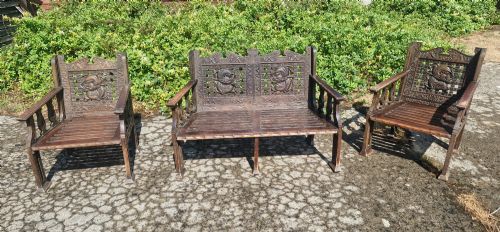
Distinction lies in the refinement of decorative details, such as estate-made wrought ironwork or carved Burmese woodwork, which elevate utilitarian forms into notable examples of period craftsmanship.
Dryad of Leicester·Lloyd Loom
The Vintage Conservatory Furniture Glossary
- Lloyd Loom
- A patented material made from twisted paper woven onto a wire core, invented by Marshall Burns Lloyd in nineteen-seventeen. This technique produced durable, snag-free furniture suitable for conservatories.
- Dryad of Leicester
- A prominent English maker known for high-quality wicker and cane furniture active during the early twentieth century. Their pieces are marked by superior ergonomics and refined weaving.
- Bakers rack
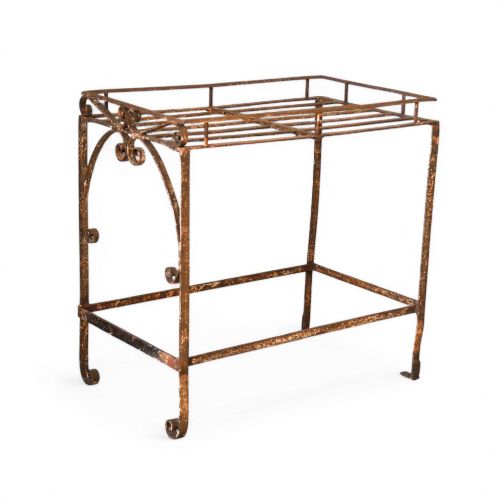
- A tall open shelving unit originally used in French boulangeries for cooling bread, later repurposed for plant display in conservatories. Iron and steel variants are common.
- Orangery bench
- A heavy wooden seat designed to withstand the sheltered microclimate of a period orangery or large conservatory. Oak and pine were frequent choices for these substantial forms.
- Strap work
- Metalwork decoration formed from flat strips of iron riveted or welded together into geometric patterns. It provides both structural support and decorative visual interest on garden tables.
Vintage Conservatory Furniture: Frequently Asked Questions
Can I use vintage conservatory pieces outdoors?
Many iron and wooden pieces originated as garden furniture and handle outdoor settings well if protected from harsh weather.
Wicker, cane, and rattan items require sheltered placement in conservatories or covered porches to prevent moisture damage.
How do I clean vintage wicker furniture?
Dust natural fibres gently using a soft brush or vacuum attachment to remove debris from tight weaves.
Avoid soaking cane or wicker in water, wiping them instead with a barely damp cloth and drying thoroughly.
What is the difference between an orangery and a conservatory?
Orangeries traditionally feature more solid masonry walls paired with large windows and glazed roof lanterns to house citrus trees.
Conservatories typically incorporate extensive glass walls and lightweight frames designed primarily for relaxed seating.