


Vintage Cobalt Urn
A vintage cobalt urn brings rich blue ceramic colour and classical form to a room, drawing the eye instantly.
Vintage Cobalt Urn
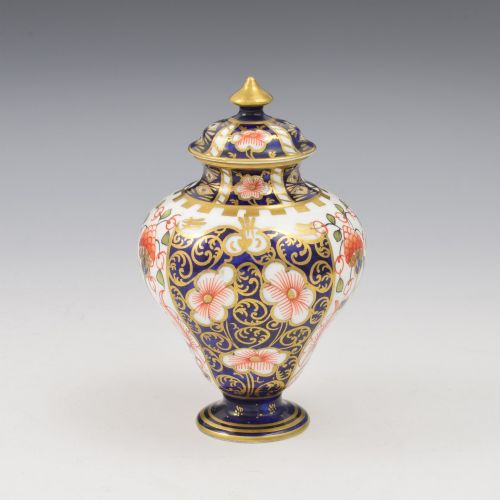
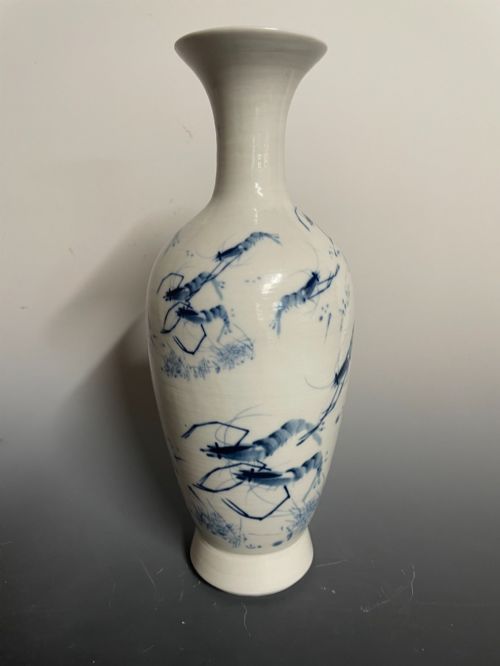
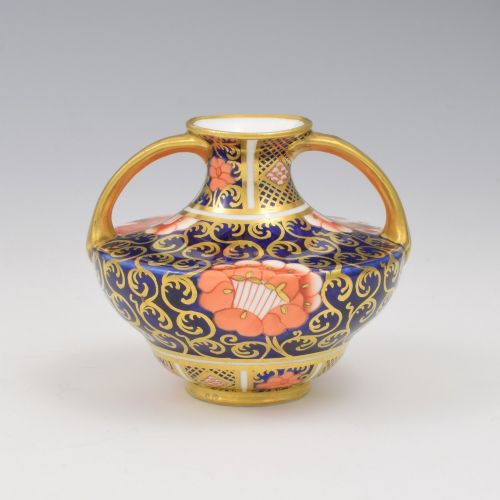
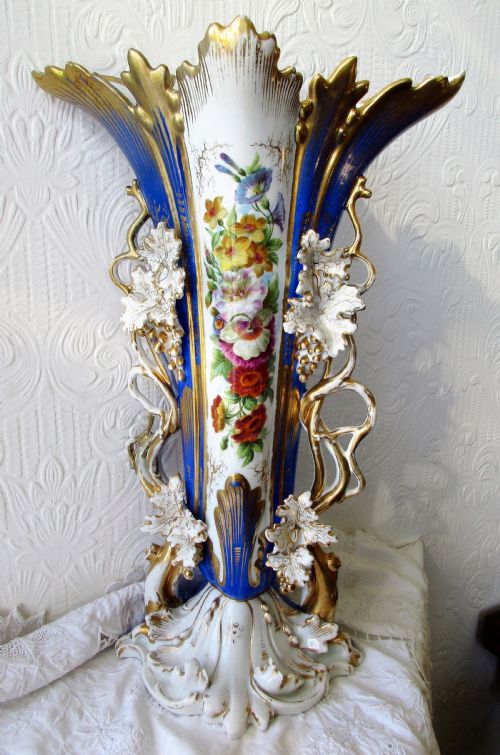
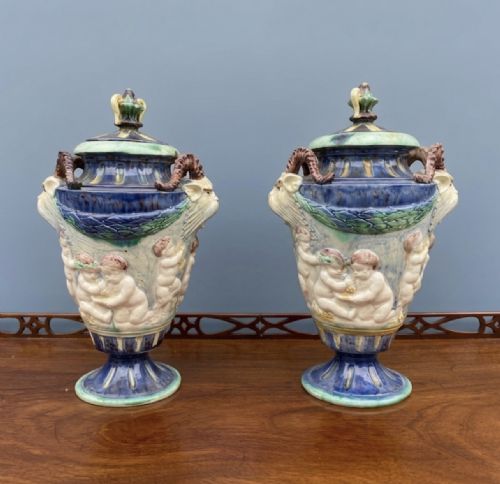
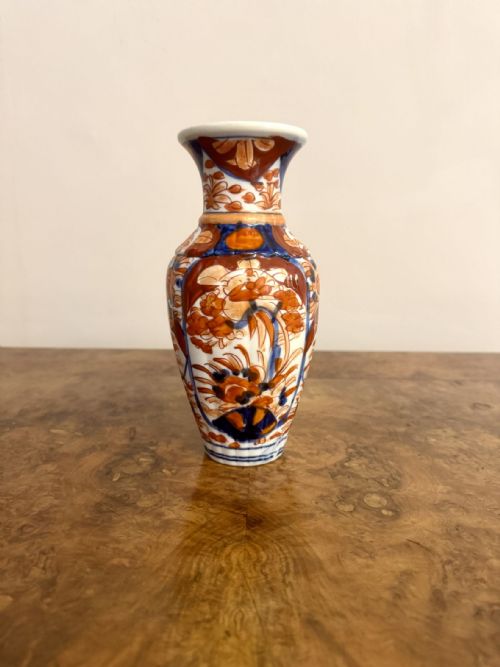
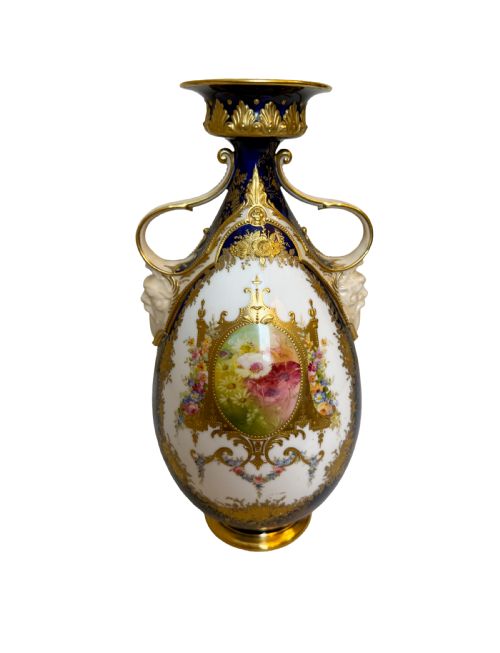
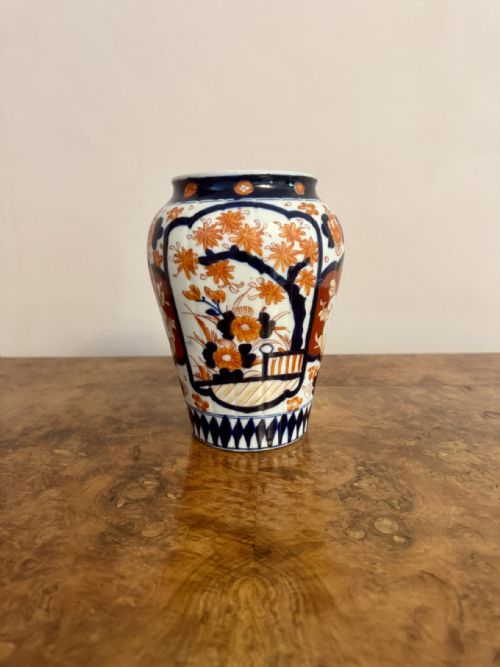
When you search for a vintage cobalt urn, you encounter vessels produced across the nineteenth and twentieth centuries in various global traditions. The selection spans distinct styles including Japanese Imari, Art Nouveau, and Victorian designs, rendered in ceramic, porcelain, earthenware, and stoneware.
Vessels on this page take the form of decorative urns, covered ginger jars, garnitures, and twin-handled vases. Many examples date from the Victorian and Edwardian eras, alongside pieces from the Art Deco and Art Nouveau periods.
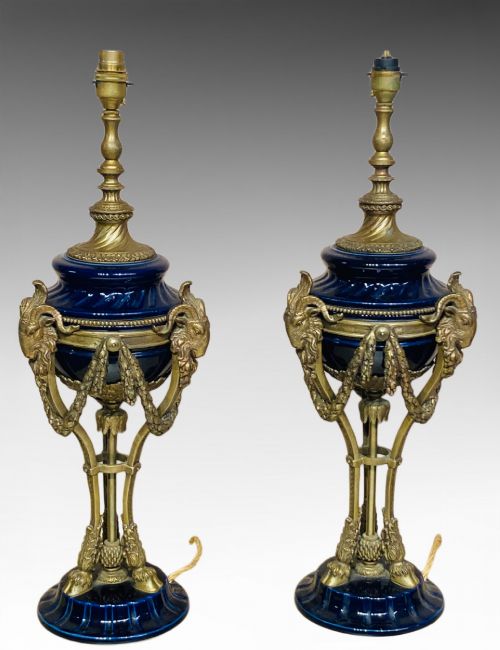
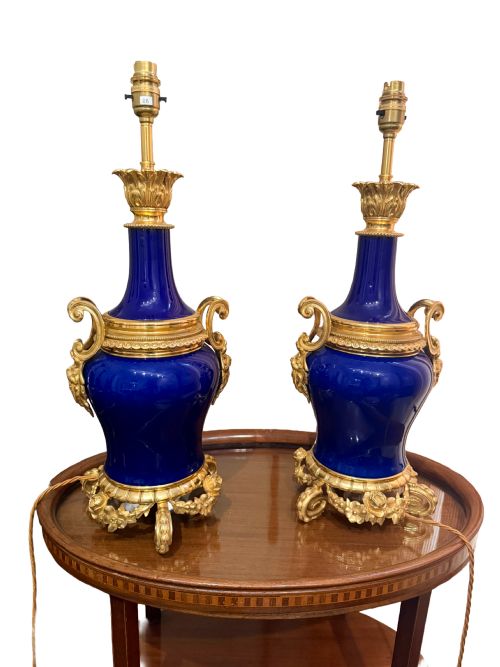
Origins stretch from English potteries and continental European workshops to Japanese kilns and Chinese production centres. Buyers frequently find paired table lamps and small cabinet vases alongside larger display pieces.
How they were made
Potters shaped these vessels from clay bodies including porcelain, stoneware, terracotta, and earthenware, often applying a deep cobalt blue glaze before firing. Artisans frequently enriched the surfaces with hand-painted details, gilding, and gold leaf.
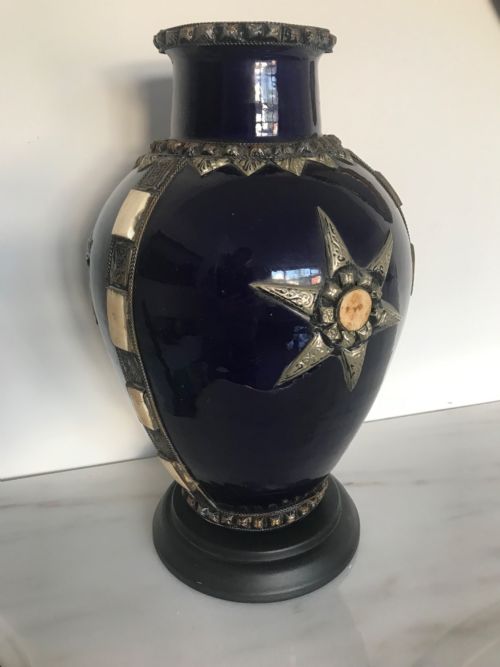
Mounts and decorative elements incorporate cast brass, ormolu, pewter overlay, and silver cabochons to frame the ceramic bodies. Cut glass techniques also appear, shaping heavy crystal to reveal contrasting clear layers beneath the blue surface.
At least one nineteenth-century Moroccan terracotta vase arrives ready for diplomacy with its own silver cabochons.
What varies in quality
Quality rests upon the precision of the hand-painted decoration and the depth of the cobalt glaze. Superior examples display crisp brushwork, well-defined gilding, and harmonious integration with metal mounts such as ormolu.
The refinement of the ceramic body and the complexity of the form distinguish standard production from exceptional studio and factory output. Original matched pairs and complete garnitures carry greater distinction than isolated single vessels.
Royal Crown Derby·Royal Doulton·Carlton Ware·Kinkozan·Ernst Wahliss·Samson of Paris·Meissen·Moorcroft·Pilkingtons Royal Lancastrian
The Vintage Cobalt Urn Glossary
- Garniture
- A set of matched vases or urns designed to be displayed together on a mantelpiece or sideboard. These sets typically comprise three or more graduated pieces.
- Ormolu
- Gilt bronze mounts applied to the base, rim, or handles of ceramic vessels. This French technique adds decorative weight and structural framing to the piece.
- Imari
- A traditional Japanese decorative style featuring dense patterns in cobalt blue, iron red, and gold. Export wares from the Meiji period heavily influenced European ceramic design.
- Cabochon
- A polished gemstone or metal setting with a smooth, rounded top rather than facets. These elements appear on mounts attached to the exterior of ceramic vessels.
- Jardiniere
- A large decorative pot or urn designed to hold a live plant. These items often feature heavy glazes suited to holding moisture.
Vintage Cobalt Urn: Frequently Asked Questions
How were cobalt urns originally used in homes?
These vessels served primarily as decorative garnitures on mantelpieces, sideboards, and console tables. Larger examples stood on pedestals or tables to anchor interior room schemes.
Covered pieces like ginger jars and urns with lids held dried potpourri or simply stood alone as decorative art objects. Paired vases often balanced symmetrical arrangements in formal nineteenth-century drawing rooms.
Can I use these vintage urns for fresh flowers?
Most antique ceramic and porcelain urns function best as decorative display objects rather than water-holding vessels. Historic glazes and inner construction may not suit regular exposure to moisture and fresh stems.
If you wish to display botanicals, insert a small glass or plastic vessel inside the neck to protect the historic ceramic body from water damage.
How do I identify the period of a cobalt urn?
Dating relies on combining the ceramic body type, the painting style, and any factory marks stamped or painted on the base. Stylistic markers such as Art Nouveau floral motifs or Art Deco geometric lines provide clear chronological bounds.
Examining the wear on the base and the consistency of the glaze helps distinguish nineteenth-century production from later twentieth-century studio work.