

Vintage Coat Tree Stand
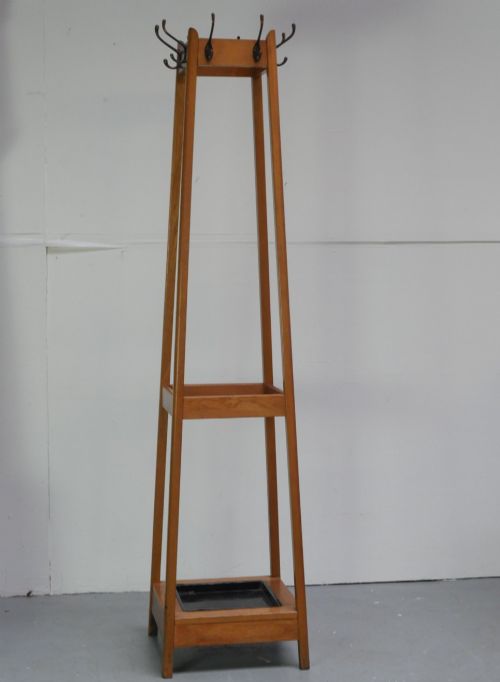
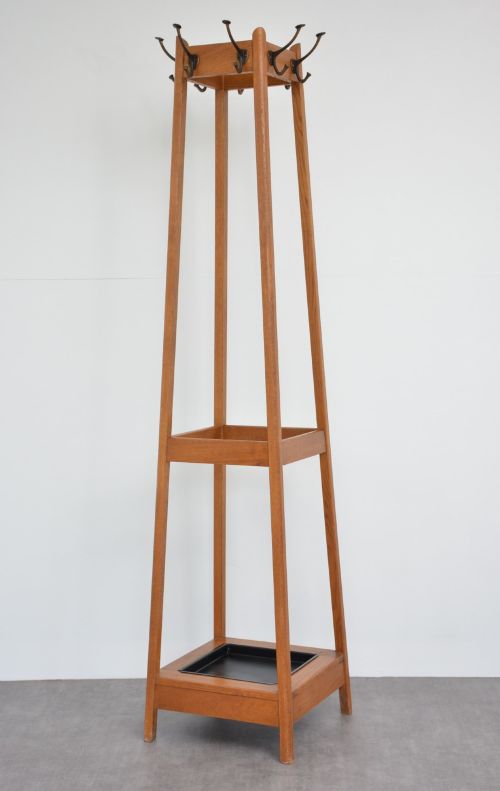
A vintage coat tree stand provides an upright station for hats, coats and umbrellas, bringing practical organisation to hallways from the Victorian period through the early twentieth century.
Vintage Coat Tree Stand
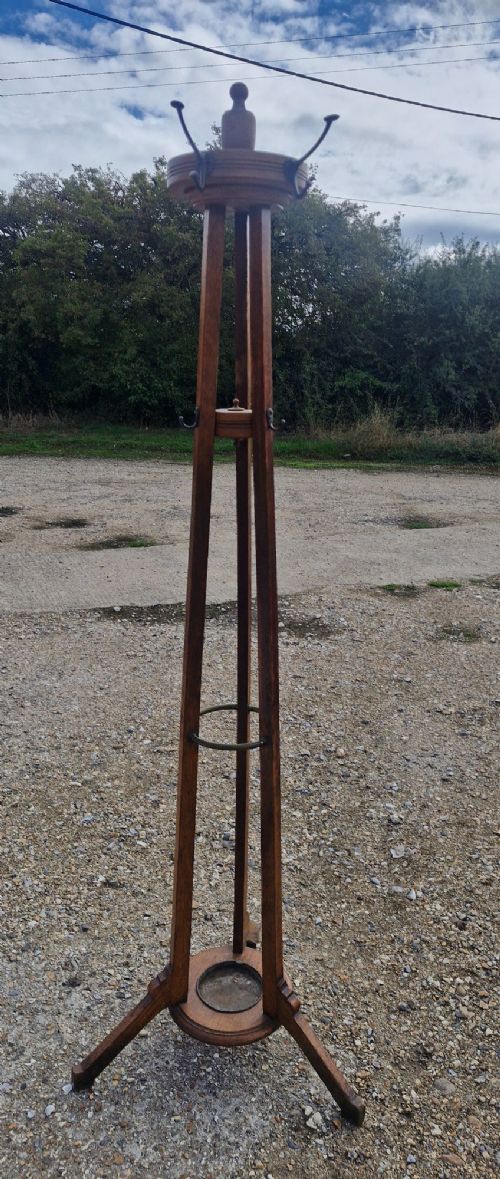
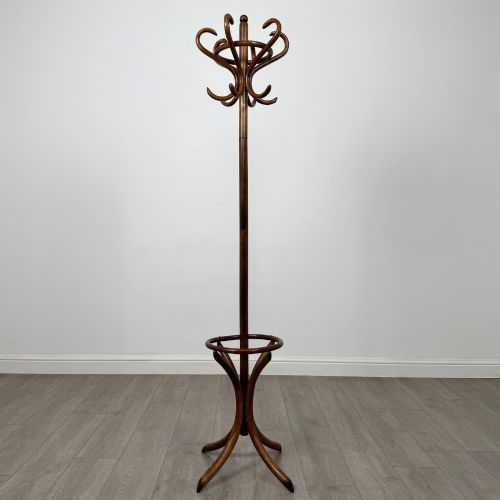
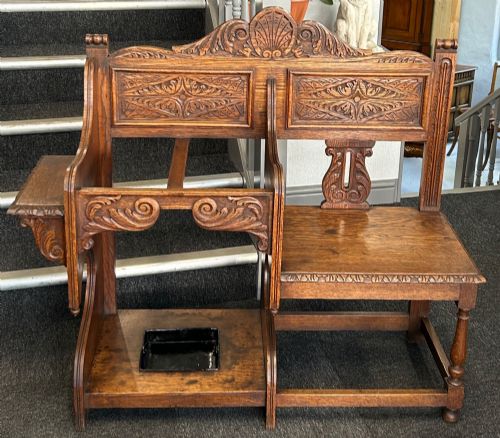
When you search for a vintage coat tree stand, you are looking at upright hallway furniture designed to hold garments and accessories. The versions met most often on this page span the late nineteenth century into the 1930s, encompassing substantial timber hall seats and light bentwood designs.
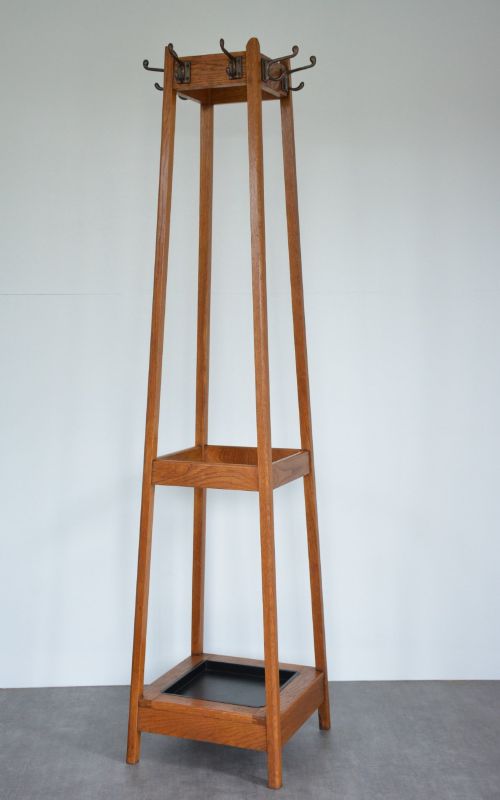
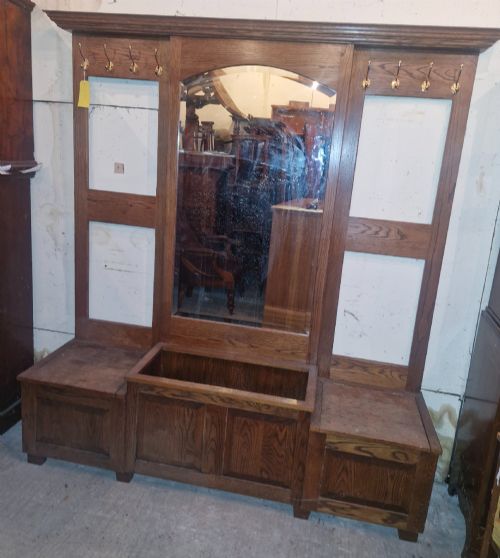
The selection ranges from Victorian and Edwardian oak pieces featuring integrated umbrella holders and drip trays to Arts and Crafts designs and streamlined bentwood constructions. Makers utilised various materials such as beech, cast iron, and brass alongside solid and carved oak.
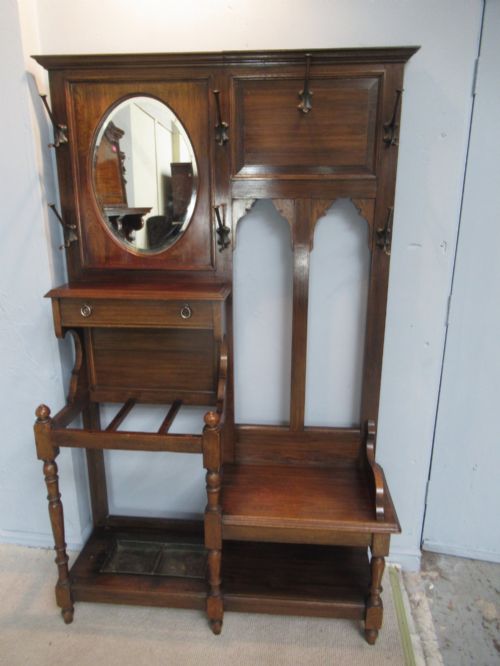
Objects appear under several historic descriptions including hall stands, coat and hat stands, and hall trees. Pieces often combine functional hooks with mirrors, small seats, and compartments for walking sticks.
Materials and construction
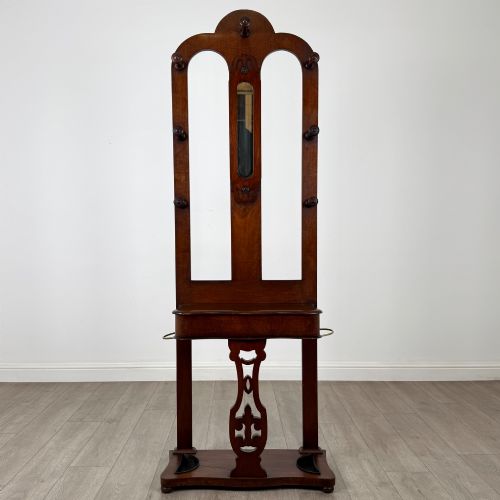
Cabinet makers utilised solid oak, walnut, and mahogany for architectural hall stands, often incorporating carved details, mirrors, and brass or iron hooks. Timber frames frequently integrate metal drip trays and zinc liners to catch water from umbrellas and walking sticks.
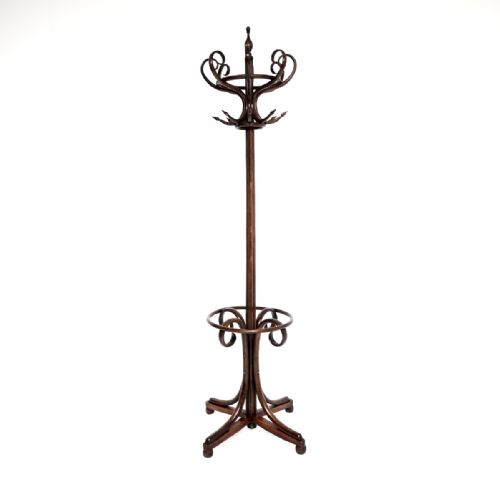
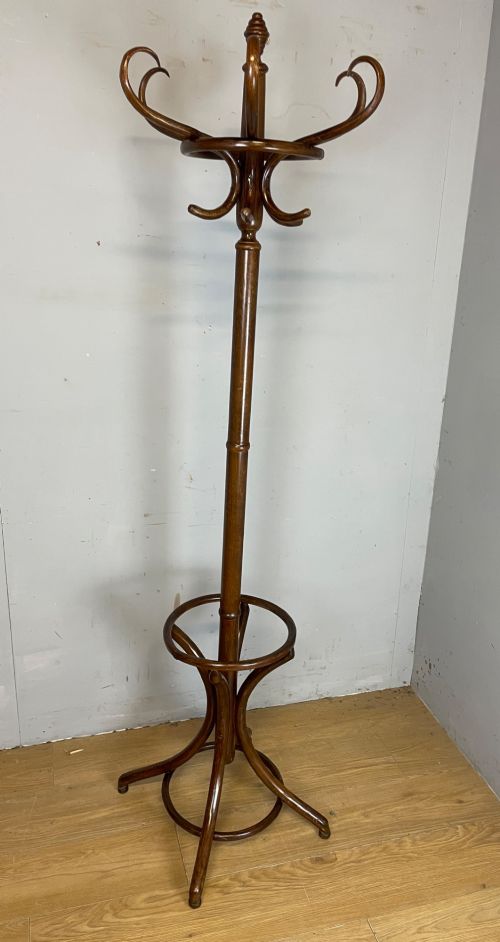
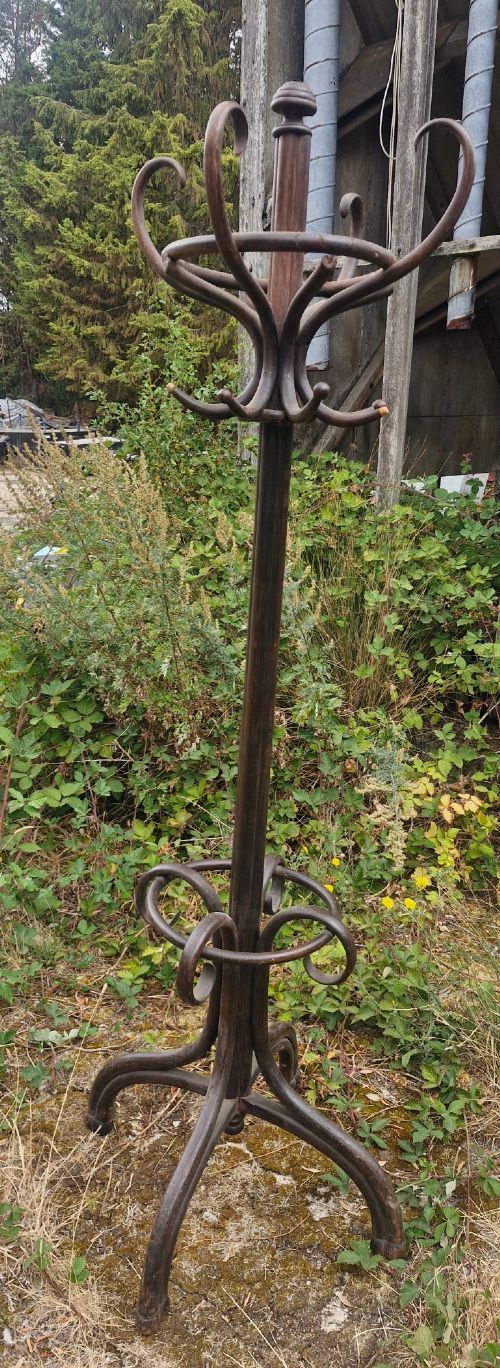
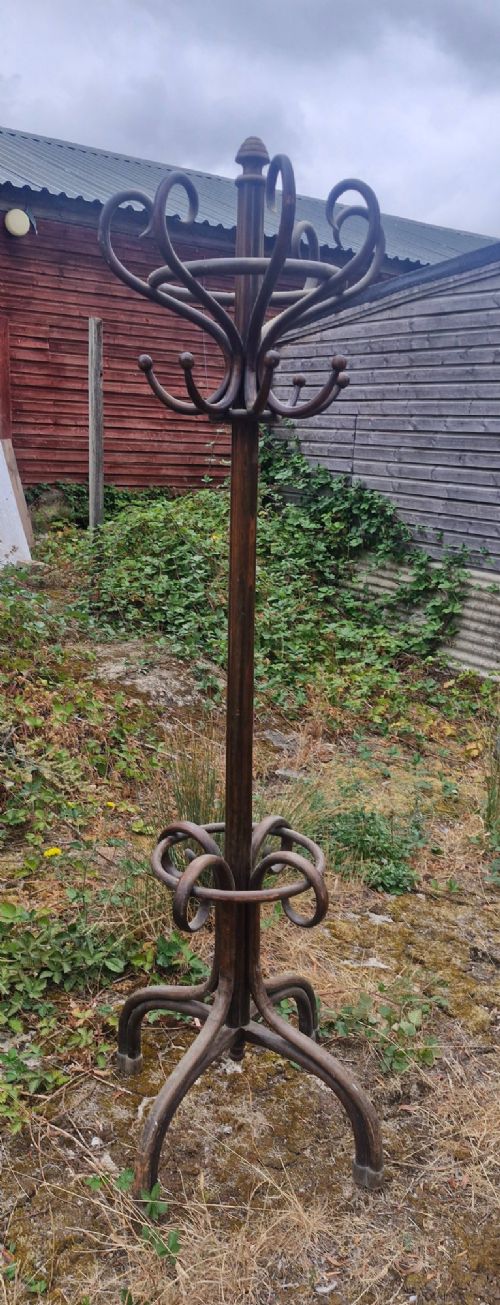
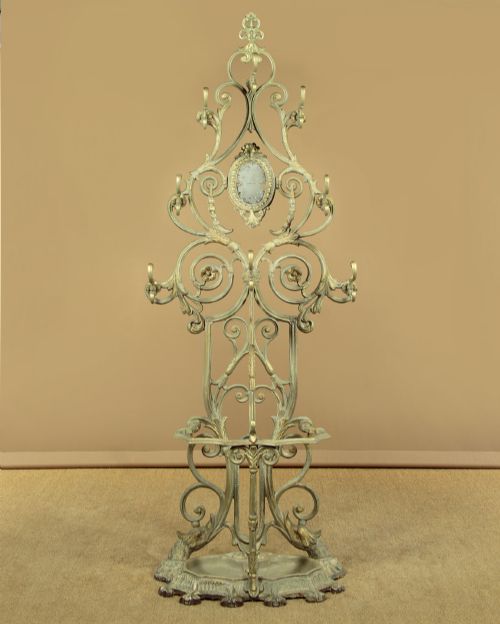
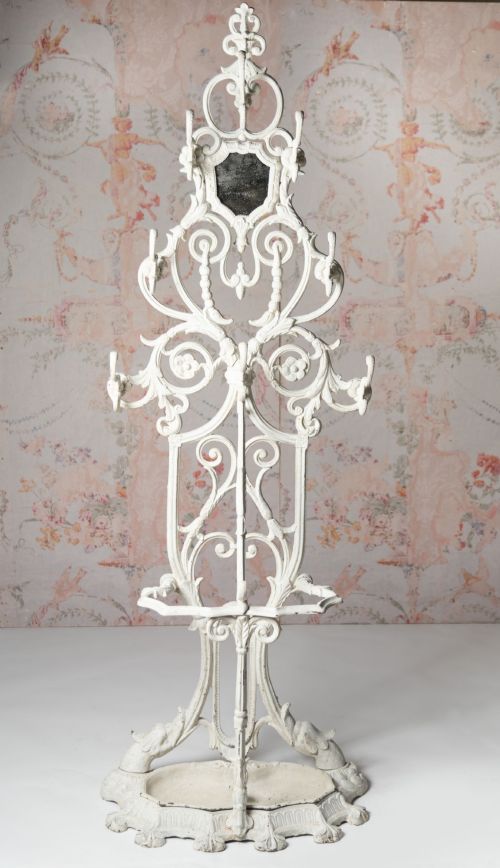
Bentwood examples rely on steam-bent beech or beechwood heated to bend into curved profiles, creating lightweight yet robust umbrella and coat stands associated with Thonet style production. Cast iron versions employ structural casting techniques, sometimes moulded into decorative forms like faux bamboo or openwork scroll patterns.
Some tall stands feature rotating revolving heads so visitors can spin the entire wardrobe collection like a carousel.
Evaluating standard and design
The distinction between standard examples and exceptional pieces lies in the integration of materials and the complexity of the woodwork. Superior items exhibit crisp carving, such as intricate Green Man motifs or aesthetic movement details, alongside robust structural engineering that supports heavy garments without leaning.
Hardware selection marks another clear division, where original brass hooks, matching drip trays, and secure mirror plates elevate a piece. Bentwood variations demonstrate quality through the smoothness of the steam-curved joints and the retention of maker markings or stamps.
Thonet·J. Parker of Woodstock·Coalbrookdale·Astrola·Jas. Shoolbred
The Vintage Coat Tree Stand Glossary
- Bentwood
- Furniture formed by steaming timber until pliable and bending it into curved structural shapes. This technique defines lightweight hat and coat stands produced across the late nineteenth and early twentieth centuries.
- Hall Stand
- An upright piece of hallway furniture combining coat hooks, hat pegs, and often an umbrella holder with a drip tray. Many Victorian and Edwardian versions also incorporate a central mirror and a bench seat.
- Drip Tray
- A shallow metal basin placed at the base of a coat and umbrella stand to catch moisture from wet items. These trays are frequently removable for emptying and cleaning.
- Demi Lune
- A half-moon or semicircular shape utilised in the footprint of specific hall stands. This profile allows the furniture to sit flush against a hallway wall while occupying minimal floor space.
- Aesthetic Movement
- A late nineteenth-century design style emphasising visual beauty over narrative subject matter. Pieces from this period often display simplified forms and bamboo or Japanned detailing.
Vintage Coat Tree Stand: Frequently Asked Questions
How do I date a coat stand?
Dating relies on observing construction methods, materials, and stylistic cues recorded in the piece. Victorian and Edwardian examples often feature heavy oak with elaborate carving, while bentwood items point toward early twentieth-century production.
Hardware elements such as cast iron hooks and brass drip trays also provide chronological markers. Comparing these details against known period styles helps establish an accurate timeframe.
Where should I place a hall stand?
These pieces function best in entrance halls and boot rooms where visitors arrive and discard outerwear. Their vertical orientation ensures they occupy minimal floor space while accommodating numerous garments and accessories.
Positioning them away from direct heat sources protects the timber and glued joints from drying out. Ensuring adequate clearance around umbrella trays maintains daily usability.
How do I care for bentwood furniture?
Maintenance involves dusting with a dry cloth and applying occasional beeswax to nourish the bent beech surface. Avoiding excessive moisture prevents the steam-bent joints from loosening over time.
Checking that mounting brackets and floor bases remain secure ensures the structure stays stable under heavy loads. Gentle cleaning preserves the original polished finish.
What is the difference between a hall tree and a hall stand?
A hall tree typically describes an upright post structure with radiating arms for hats and coats, originating as a freestanding column. A hall stand is a broader cabinet-style piece that often includes a mirror, panelled back, and bench seating.
Both terms appear across historical listings to describe furniture fulfilling the same entranceway purpose. The choice depends on whether floor space suits a slender column or a substantial cabinet.