



Vintage Coal Store Box
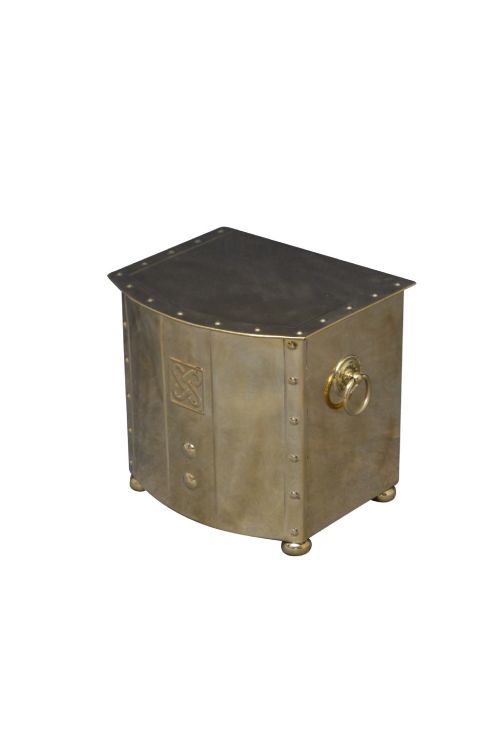
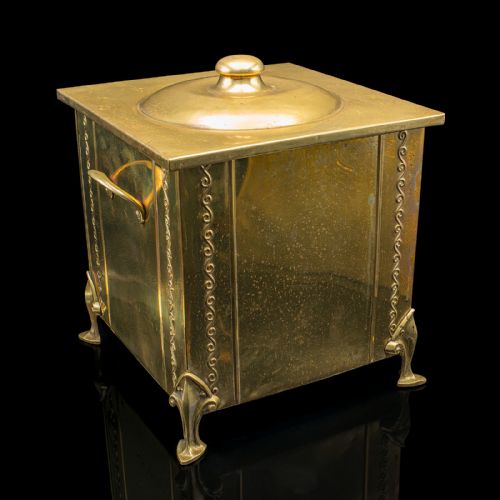
A vintage coal store box brings hearthside utility into focus, combining solid timber and polished metal to keep fuel neat.
Vintage Coal Store Box
A vintage coal store box serves the fireside by holding coal, logs, and fuel close to the grate. These pieces take the form of scuttles, purdoniums, bins, and boxes designed for domestic hearths.
The pieces on this page span the Victorian and Edwardian periods through to the 1930s, alongside nineteenth-century examples. Common formats include lidded cabinets, bucket stores, and simple wooden crates used for storage.
Woods such as mahogany, oak, and pine appear alongside brass, copper, and iron. Stylistic touches range from Arts and Crafts to Art Nouveau and rustic country designs.
How they were made
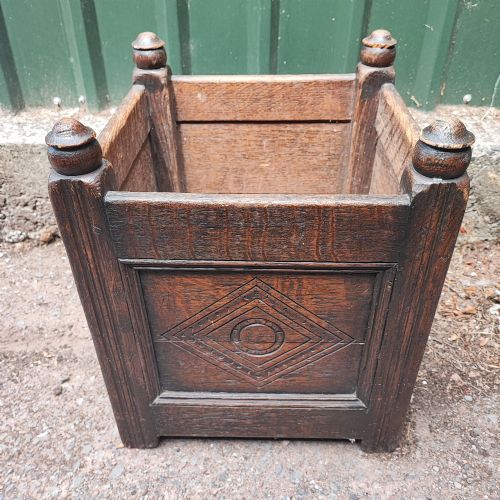
Cabinetmakers utilised dense timbers like mahogany and oak, often incorporating carved details, inlaid woodwork, and sturdy panel construction. These wooden bodies provided the main structural shell for domestic fuel storage.
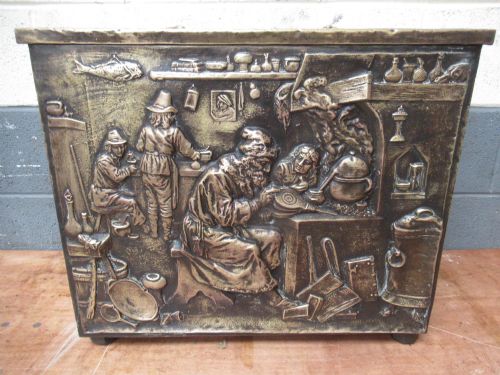
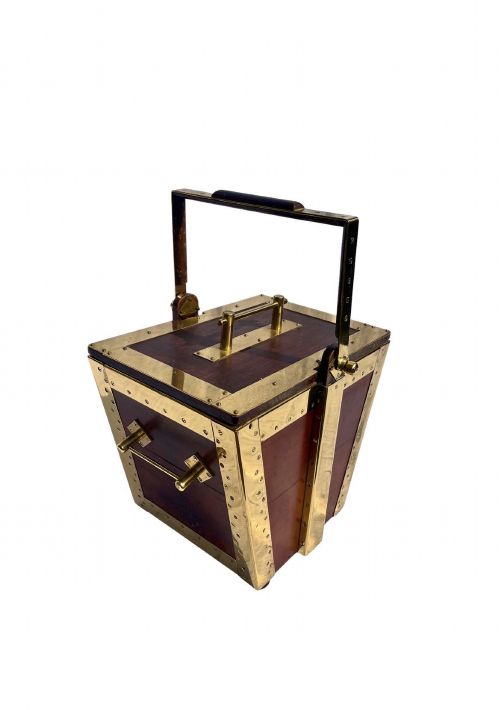
Metal components were fashioned from brass, copper, and iron, utilised for carrying handles, corner mounts, and decorative scuttle fronts. Copper plating and hammered textures frequently appeared on Arts and Crafts examples.
Many a Victorian coal box secretly harboured a galvanized tin liner just so the coal dust stayed far away from the polished mahogany.
What varies in quality
The grade of materials sets the baseline, distinguishing solid mahogany and heavy oak carcases from simpler pine or metal bins. Superior examples display careful joinery, such as dovetailed corners and fitted interior liners.
Decorative ambition separates standard utility items from finer pieces. Elaborate brass mountings, intricate wood carving, and inlaid veneers indicate a higher tier of fireside furniture.
The Vintage Coal Store Box Glossary
- Purdonium
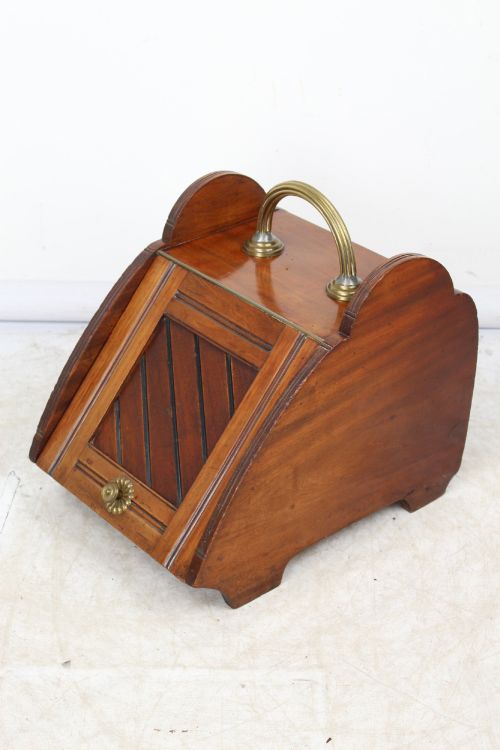
- A specialised coal cabinet featuring a sloping drop-front door designed for easy shovelling. This form became popular in late Victorian and Edwardian homes.
- Scuttle
- A metal or wooden bucket fitted with a swinging handle and often a lip for pouring fuel. These items sat beside the hearth for daily coal retrieval.
- Log bin
- A deep container built to hold firewood rather than smaller coal pieces. These items frequently use robust iron, copper, or heavy oak construction.
- Inlay
- A decorative technique where contrasting strips of wood are set into the surface of the main timber. Edwardian cabinetmakers utilised this method on polished mahogany boxes.
- Arts and Crafts
- A design movement favouring honest construction, hand-worked metals, and visible craftsmanship. Pieces from this style often feature hammered copper and iron fittings.
Vintage Coal Store Box: Frequently Asked Questions
How do I clean a brass coal box?
Dust the surface regularly with a soft cloth to remove soot and hearth ash. Avoid harsh chemical cleaners that strip the natural aged patina from the metal.
Polish the brass sparingly if a brighter finish is desired, taking care not to stain adjacent wooden panels during the process.
Can I use these for logs today?
Most of these containers suit modern firewood storage beside a working fireplace or wood-burning stove. Check the internal dimensions to ensure standard logs fit comfortably inside.
Line older wooden boxes with a protective barrier if storing damp wood to prevent moisture damage to the internal timber.
What is a purdonium?
A purdonium is a dedicated coal cabinet with a hinged or sloping front door that opens to reveal a metal liner. This form kept coal contained while hiding the fuel store inside a tidy wooden housing.
Victorian and Edwardian households relied on these cabinets to keep sitting rooms clean from coal dust.
How do I tell Victorian from Edwardian boxes?
Victorian examples tend to feature heavier carved mahogany or oak bodies with robust brass mountings and dark finishes. The Arts and Crafts influence also appears frequently in late nineteenth-century copper work.
Edwardian pieces often display lighter inlaid mahogany veneers and refined cabinet proportions intended for more delicate drawing-room interiors.