



Brass Mahogany Purdonium
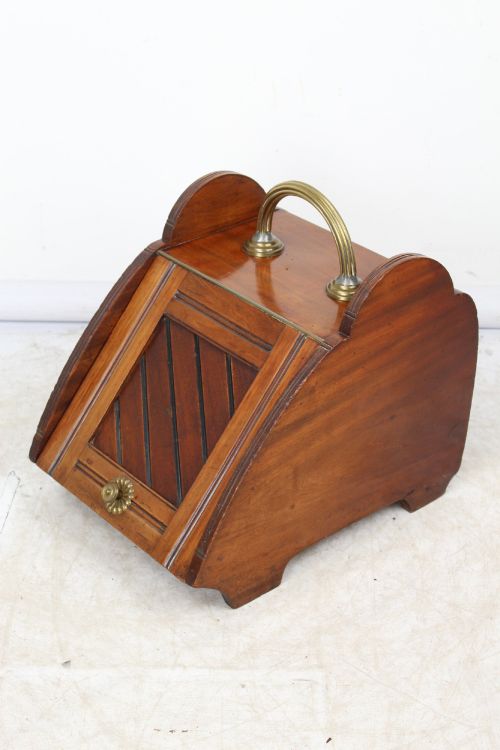
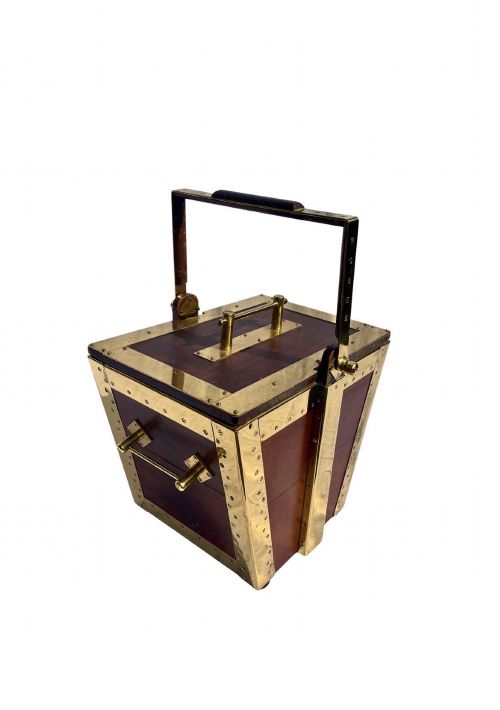
These brass mahogany purdonium coal boxes are substantial fireside cabinets designed to hold coal tidily while adding warmth and utility to a room.
Brass Mahogany Purdonium
A brass mahogany purdonium is a dedicated fireside coal box designed to contain solid fuel close to the hearth. When you search for this phrase, you find practical yet decorative cabinets and scuttles that date from the Victorian and Edwardian eras. The majority of pieces on this page are constructed from mahogany, frequently enhanced with brass handles, hinges, or decorative mounts.
These items range from simple nineteenth-century boxes to elaborate cabinets featuring inlaid boxwood, marquetry, and ormolu mounts. Many examples survive with their original metal liners and matching coal shovels, which makes them particularly sought after by collectors. The forms vary from slanted scuttles to upright cabinets designed to sit neatly beside the fireplace.
Materials and construction
Makers utilised solid mahogany and mahogany veneers over secondary timbers to build these sturdy fireside containers. The external wooden surfaces were often polished to a deep lustre, while intricate boxwood inlay and marquetry added ornamental detail to Edwardian and late Victorian variants.
Cast and polished brass hardware forms an essential component of these pieces, appearing as drop handles, decorative strapwork, and protective mounts. Internal functionality relies upon galvanised or metallic removable liners designed to catch coal dust and facilitate clean refilling.
Brass Mahogany Purdonium Retail Price Guide 2026
Typical asking prices for brass mahogany purdonium among the pieces listed under this phrase on Sellingantiques today, from the lower quarter to the upper quarter. They describe what is for sale here now, not the wider market.
Listings span the Victorian and Edwardian periods, showcasing mahogany, oak, and walnut veneer alongside brass and boxwood inlay.
Judging quality and craftsmanship
Quality in a brass mahogany purdonium is largely determined by the crispness of the cabinetwork and the weight of the metal mounts. Finer examples display precise boxwood inlay, well-fitted drop handles, and heavy brass hinges that withstand regular domestic use.
The Brass Mahogany Purdonium Glossary
- Purdonium
- A covered container or cabinet specifically designed for storing domestic coal near a fireplace. This term gained popularity during the Victorian period for refined fireside boxes.
- Boxwood inlay
- A decorative technique where thin strips of pale boxwood are set into the darker mahogany surface to create contrasting geometric or floral patterns.
- Ormolu
- Gilded bronze or brass mounts applied to furniture and decorative items for ornamental effect, frequently seen on finer nineteenth-century examples.
- Marquetry
- The art of applying pieces of veneer to a structure to form decorative patterns, visible on several Edwardian coal boxes.
- Liner
- The removable metal bucket or tray housed inside the wooden cabinet to contain coal and prevent debris from soiling the timber.
Brass Mahogany Purdonium: Frequently Asked Questions
What is a purdonium?
A purdonium is a Victorian or Edwardian household cabinet built to hold coal by the fireplace. It combines practical metal storage with polished wooden cabinetry.
These pieces keep domestic hearths tidy by concealing fuel inside a decorative box that matches other period furnishings.
How do I date a coal box?
Dating relies on materials, hardware styles, and decorative techniques like boxwood inlay or ormolu mounts. Victorian examples tend to feature heavier brass work, while Edwardian pieces often display lighter inlaid marquetry.
Examining the internal construction and type of wood veneer helps distinguish between mid-nineteenth-century items and later 1900s productions.
Are original liners important?
Original metal liners matter because they were custom-fitted to the interior and are frequently lost over time. Finding a piece with its correct liner preserves its full functional integrity.
Many surviving pieces also retain matching small shovels that slide into dedicated compartments within the cabinet.
Where should I place a purdonium?
These cabinets suit traditional fireplace settings where they serve as functional fuel storage or decorative side cabinets. Their flat tops also allow them to hold small lamps or ornaments.
Even in homes without active fires, collectors use them to store magazines, kindling, or general fireside accessories.