



Fireside Mahogany Storage Box
These fireside mahogany storage box examples combine practical fuel storage with refined cabinetwork, offering a handsome addition to any hearth.
Fireside Mahogany Storage Box
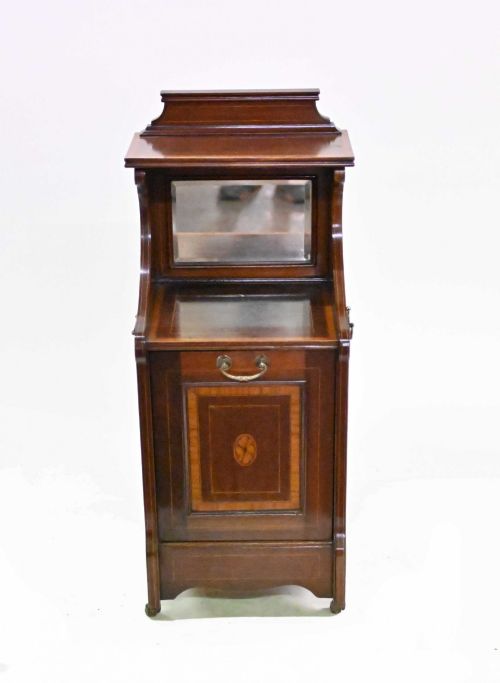
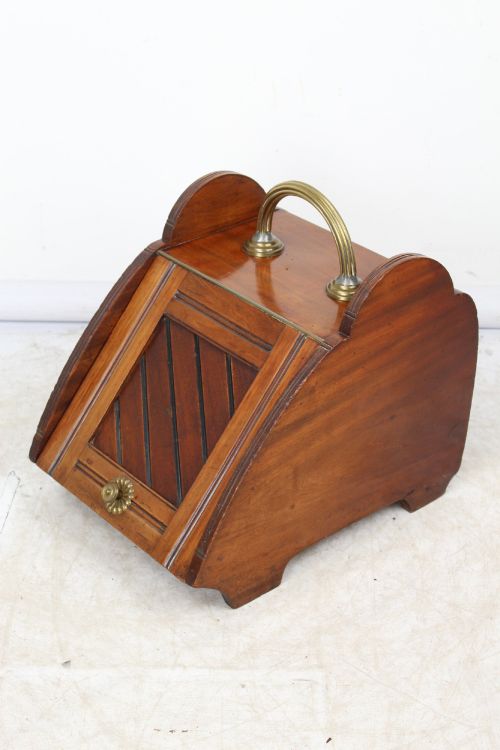
A fireside mahogany storage box serves to hold fuel neatly beside the fireplace while maintaining a polished appearance in the room. The selection spans distinct eras including Georgian, Victorian, and Edwardian periods, reflecting changing domestic fashions.
Makers drew on various stylistic influences, incorporating Rococo Revival and Louis XV Revival details into the cabinetry. Buyers are most likely to encounter Victorian and Edwardian iterations featuring traditional hinged lids and drop fronts.
Materials and construction
Makers utilised solid mahogany and walnut veneer over sturdy wooden carcases to build these receptacles. Decorative elements often relied on contrasting boxwood inlay and marquetry to enhance the timber grain.
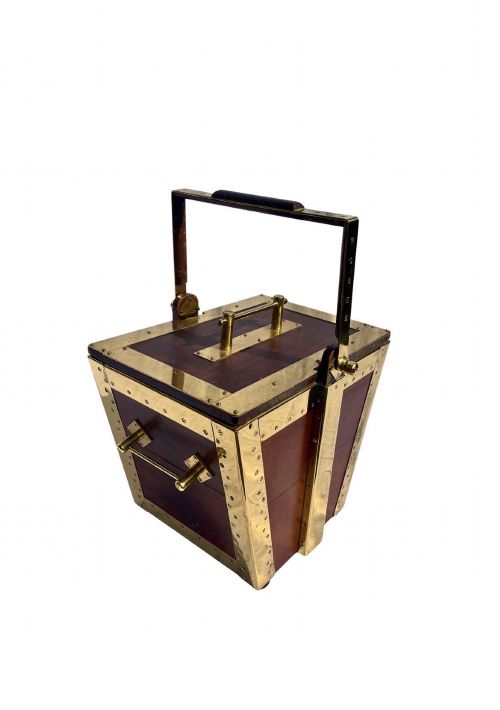
Metal fittings played a crucial role in both function and decoration, with brass handles, iron components, and ormolu mounts securely fixed to the wood. Original metal liners and matching shovels frequently accompanied the boxes to handle coal and ash safely.
Fireside Mahogany Storage Box Retail Price Guide 2026
Typical asking prices for fireside mahogany storage box among the pieces listed under this phrase on Sellingantiques today, from the lower quarter to the upper quarter. They describe what is for sale here now, not the wider market.
A coal scuttle is perhaps the only piece of furniture expected to look immaculate while holding lumps of dirty fuel.
Assessing quality and craftsmanship
Quality rests in the crispness of the boxwood inlay and the precision of the marquetry work set into the mahogany. Pieces boasting finely chased ormolu mounts and robust brass hardware demonstrate superior workshop standards.
The integrity of the internal construction, including the presence of original metal liners and the smooth operation of drop fronts or hinged lids, distinguishes standard utility pieces from finer cabinet examples.
The Fireside Mahogany Storage Box Glossary
- Purdonium
- A specialised cabinet designed to store coal near the fireplace, typically featuring a sloping front or drop-down door. This term frequently appears alongside coal box and scuttle in Victorian and Edwardian listings.
- Cellarette
- A lockable container originally built to hold bottles of wine in the dining room or by the hearth. These sturdy wooden boxes occasionally double as general fireside storage.
- Ormolu
- Gilded bronze ornamentation applied to furniture for decorative effect. It adds a bright metallic contrast against dark mahogany surfaces.
- Marquetry
- Decorative veneer work arranged in intricate patterns using various woods. Craftsmen applied this technique to the exterior panels of coal boxes and cabinets.
- Boxwood inlay
- Narrow strips of pale wood embedded flush into the darker mahogany background to create geometric or floral borders.
Fireside Mahogany Storage Box: Frequently Asked Questions
What is a fireside coal purdonium?
A purdonium is a dedicated wooden cabinet created to hold coal beside the fireplace in a tidy manner. It typically includes an interior metal liner to contain dust and debris.
These pieces were developed in the nineteenth century to replace open coal buckets. They kept fuel close at hand while concealing it behind panelled doors.
How do I care for mahogany fireside boxes?
Keep the wood nourished with appropriate wax polishes and avoid placing the box directly against excessive heat sources. Gentle cleaning protects the polished surface and any delicate inlay work.
Metal components such as brass handles and ormolu mounts benefit from occasional dusting with a soft cloth. Ensure the interior metal liner is emptied and cleaned regularly to prevent moisture buildup.
How do I date a wooden coal box?
Dating relies on observing the prevailing style, construction methods, and secondary woods used within the piece. Georgian examples tend to show heavier proportions and simpler lines, whereas Edwardian versions often incorporate lighter inlaid details.
Hardware styles also provide clues, as machine-made screws and specific latch designs point towards the later nineteenth and early twentieth centuries. Comparing the piece to documented examples from the Victorian or Edwardian eras helps narrow down the decade.
Were these boxes only used for coal?
While primarily designed for solid fuel, many of these versatile wooden boxes served multiple purposes around the home. Cellarettes and blanket boxes were adapted for general fireside storage.
Owners often used them to keep kindling, hearth accessories, or textiles nearby. Their decorative exteriors ensured they blended seamlessly with other parlour furniture.