


Vintage Clock Weights
Vintage clock weights drive the movement in tall case and wall timepieces, offering collectors both functional brass cylinders and cast iron masses.
Vintage Clock Weights
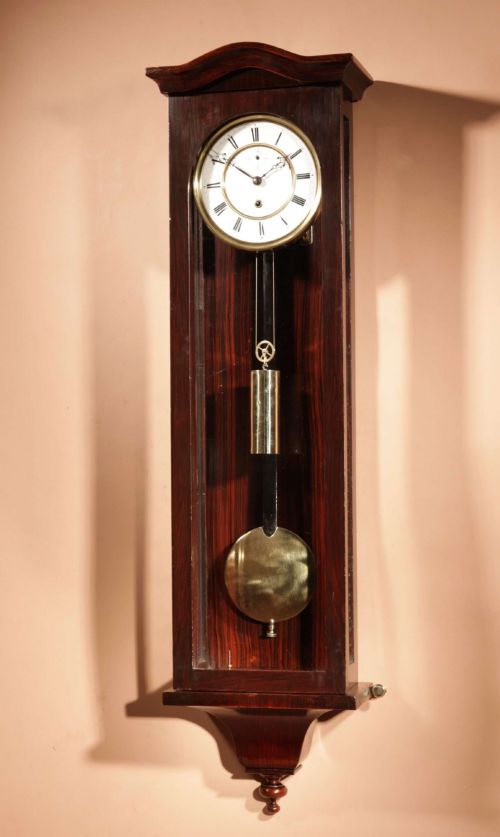
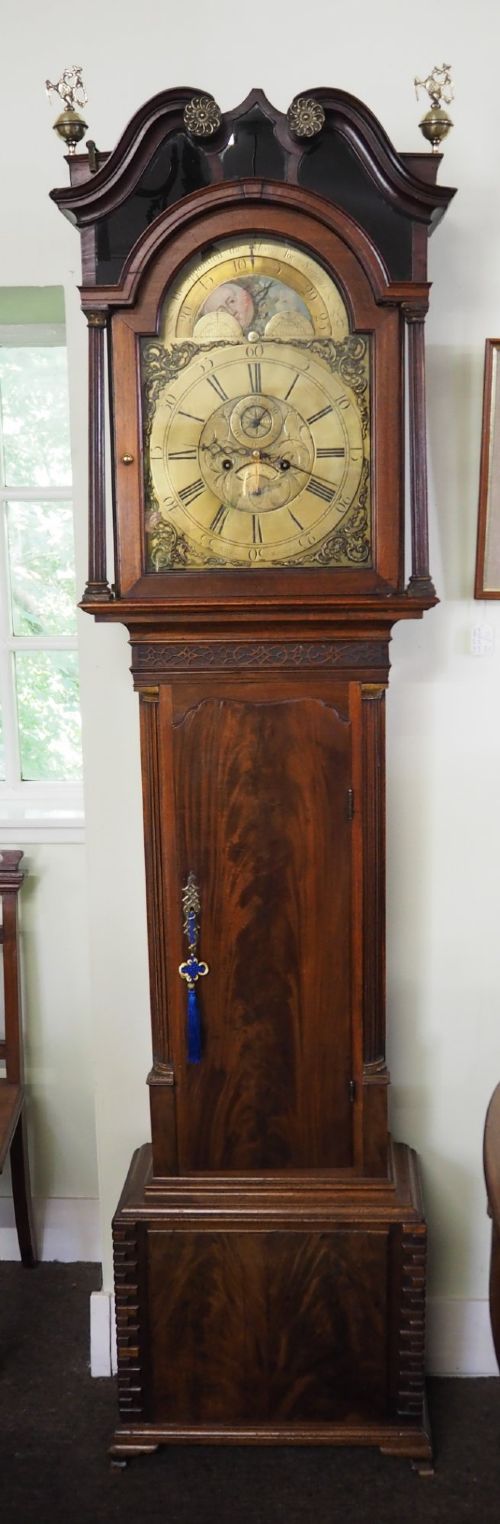
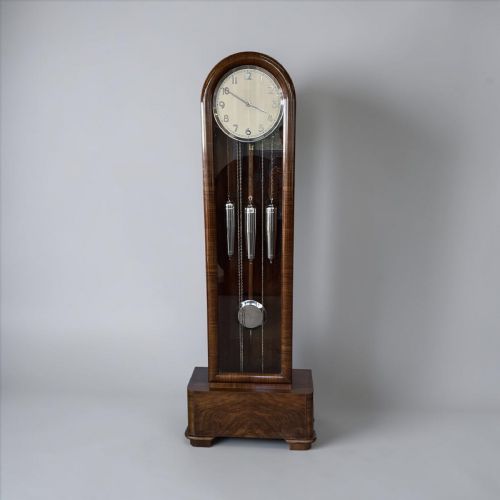
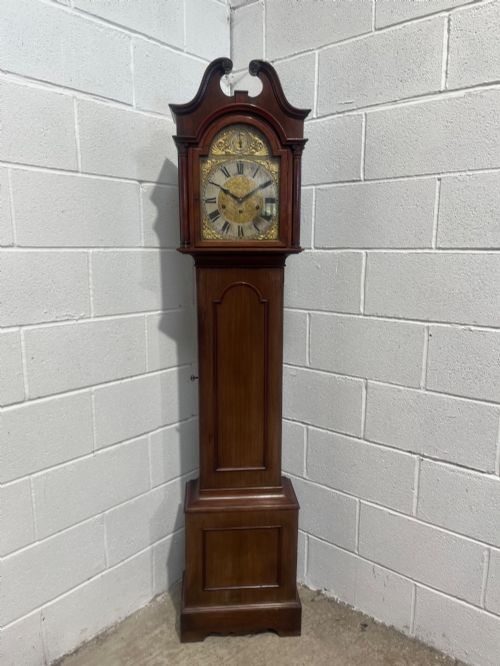
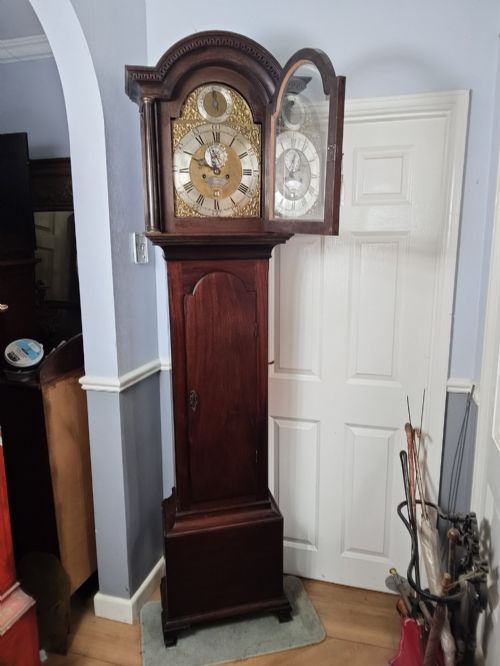
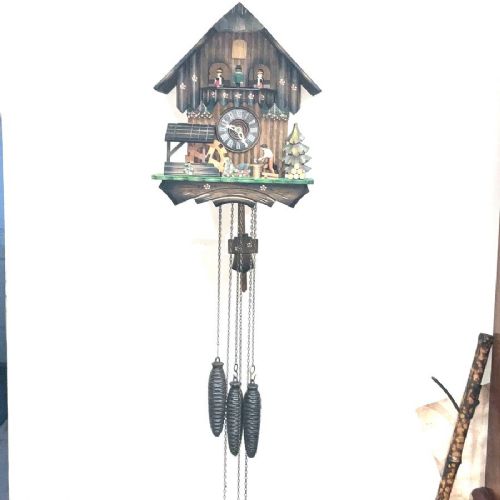
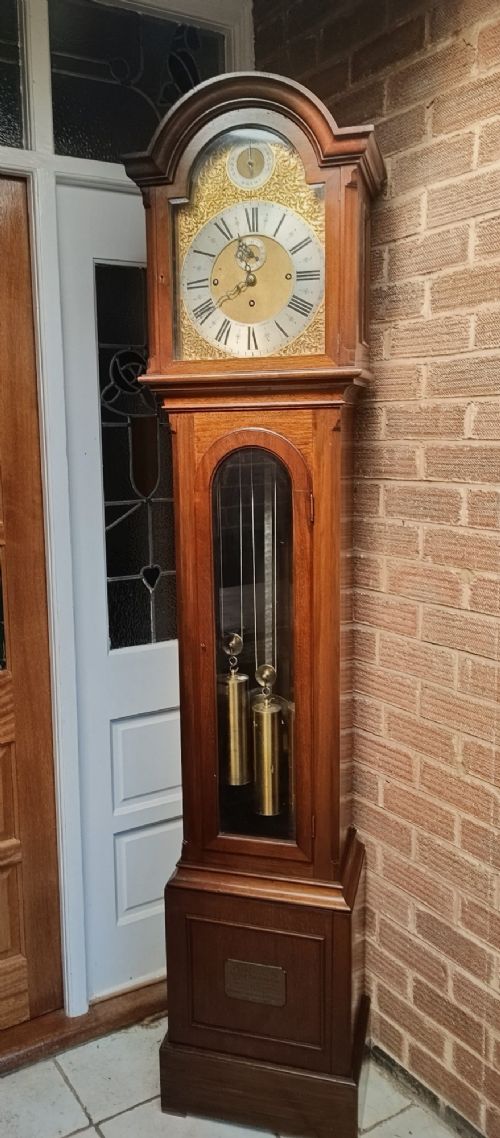
Vintage clock weights provide the descending force needed to power pendulum-driven timepieces like longcase and wall clocks. When exploring vintage clock weights, buyers generally encounter brass cased cylinders alongside heavier cast metal masses used in tall case clocks.
The selections span periods from the eighteenth century through the Edwardian era and the art deco decades of nineteen thirty. These items appear alongside complete movements, grandfathers, and wall regulators.
Most examples emerge from longcase or wall clock assemblies, reflecting the domestic timekeeping traditions of Georgian, Victorian, and Edwardian households.
How they were made
Makers shaped these heavy drives primarily from cast iron or filled brass cases, employing foundry and casting techniques suitable for creating dense, uniform masses. Metalworkers polished the brass casings for display or left iron unadorned for concealment inside wooden clock trunks.
Construction involved sealing lead or iron shot within brass shells for finer domestic pieces, while utility weights relied on solid cast iron blocks. Suspension loops or cast-in eyes secured the cords or chains that connected the mass to the movement.
Some nineteenth-century clockmakers secreted lead shot inside hollow brass shells using nothing more than a soldered plug and sheer optimism.
What varies in quality
Quality rests upon the integrity of the metal casing and the precision of the casting. Heavy brass shells soldered neatly around internal filling represent a higher standard of manufacture than rough cast iron.
Proportion and matching sets dictate desirability, as paired cylinders with original suspension loops hold greater appeal for collectors restoring period movements. The thickness of the brass and the crispness of any maker markings distinguish standard utility hardware from finer workshop output.
Gillett and Johnston·Lee of Great Marlow·John Spershott·William Barrow·Lister and Sons
The Vintage Clock Weights Glossary
- Longcase clock
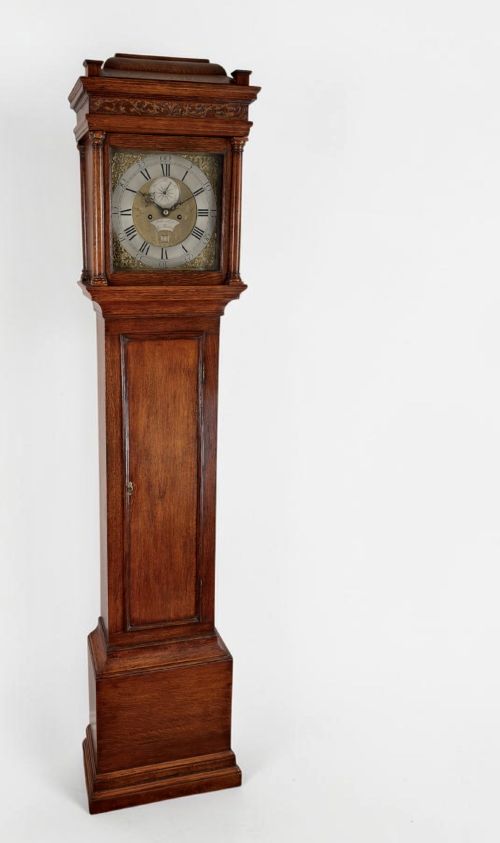
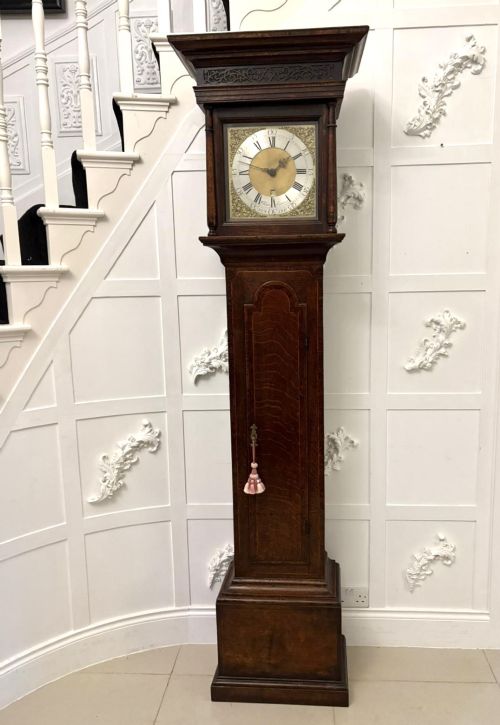
- A tall pendulum clock enclosed in a wooden case, often known as a grandfather clock. These housing structures contain the falling weights that drive the timekeeping and striking trains.
- Regulator
- A precision pendulum clock designed for high accuracy. Such timepieces frequently utilise heavy weights suspended by fine cords or wires to maintain a constant driving force.
- Grandmother clock
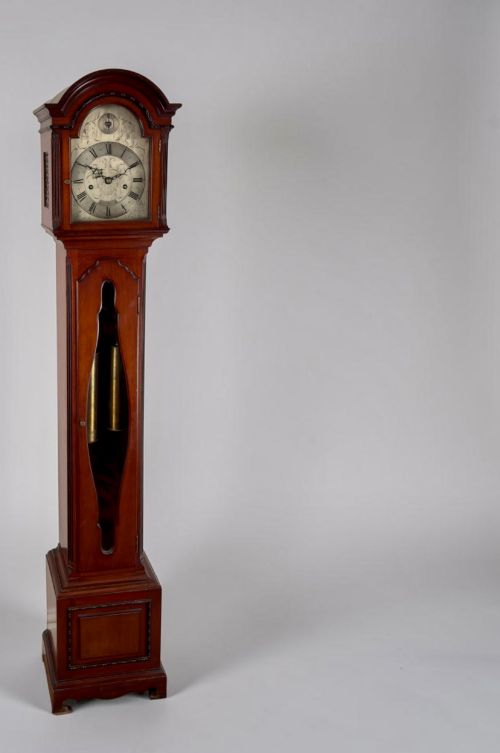
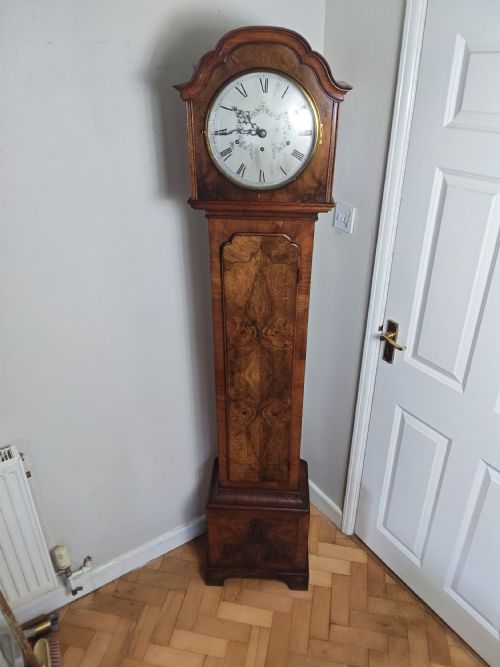
- A smaller version of the longcase clock popular in the early twentieth century. They utilise compact weights scaled down to fit narrower wooden trunks.
- Wall clock
- A timepiece designed to hang directly on a vertical surface rather than stand upon the floor. Many styles rely on exposed hanging weights and chains for operation.
- Verge escapement
- An early type of clock escapement mechanism that controls the release of the wheel train. It works in conjunction with the driving force supplied by suspended weights.
Vintage Clock Weights: Frequently Asked Questions
How do clock weights work?
Suspended weights supply gravitational force to power the gear train of a mechanical clock as they slowly descend. Gravity pulls the heavy mass downward, turning the drum and driving the escapement.
As the weight reaches the bottom of the case, the clock requires winding to draw the cord back up. This simple mechanical energy transfer sustained timekeeping before the widespread adoption of spring-driven movements.
What metals are used?
Makers constructed these driving masses from brass, cast iron, and sometimes lead fillings encased in metal shells. Brass was typically selected for visible weights in clocks with glass inspection doors.
Cast iron served as a heavier, more utilitarian option for weights concealed entirely within wooden trunks. The choice of material often depended on the space constraints and overall scale of the movement.
How do I match weights?
Matching requires measuring the exact mass, length, and diameter needed to drive the specific movement without stalling or overwinding the gear train. Clocks require precise resistance to keep correct time.
Original replacements should mirror the material and weight distribution of the missing units. Consult movement specifications or existing documentation when pairing orphaned cylinders with a clock.
Are brass weights filled?
Many decorative cylinders consist of a thin brass sheet formed around a dense core of lead shot, sand, or iron plugs. This hollow-shell construction provided the necessary mass while conserving expensive metal.
Solid cast brass examples also exist, particularly in older or high-grade workshop productions. The interior stuffing ensures the cylinder reaches the exact heft required by the pendulum.