
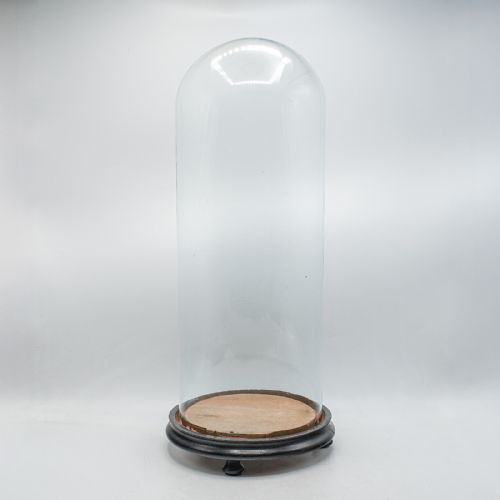


Vintage Cloche Display Case
A vintage cloche display case protects delicate specimens and ornaments under clear glass, bringing period character and preservation to any room.
Vintage Cloche Display Case
A vintage cloche display case encompasses glass domes, taxidermy showcases, and collector's cases designed to protect and exhibit objects. These pieces originate primarily from the Victorian and Edwardian eras, spanning years such as eighteen eighty, eighteen ninety, and nineteen hundred.
Beyond taxidermy, the selection includes clock cases and ornament showcases utilised for preserving fragile decorative objects. Each variant reflects the domestic display habits of late nineteenth and early twentieth-century interiors.
Materials and Construction
Makers formed the transparent covers using blown glass, creating substantial curved domes that required considerable skill to shape evenly. These glass covers rest upon timber bases made from oak, pine, and ebonised wood.
Interiors frequently incorporate fabric, felt, and moss to cushion and frame the specimens housed within. The combination of glass, wood, and organic lining materials ensured a stable environment for fragile displays.
Listings feature Victorian and Edwardian pieces, incorporating materials such as ebonised wood, oak, pine, fabric, felt, and moss.
Factors of Quality
Quality in a vintage cloche display case rests upon the clarity and weight of the glass dome itself. Earlier examples often display the subtle ripples and thickness characteristic of nineteenth-century glassmaking techniques.
The construction of the wooden base also distinguishes superior pieces, particularly where turned mouldings or ebonised finishes remain well-preserved. Original internal linings such as felt and moss add to the integrity of surviving specimens.
James Gardner
The Vintage Cloche Display Case Glossary
- Cloche
- A bell-shaped glass cover used to protect plants, food, or decorative objects. The term derives from the French word for bell.
- Taxidermy
- The art of preparing, stuffing, and mounting the skins of animals for display. Victorian examples often featured elaborate arrangements of birds and small creatures under glass.
- Ebonised
- Wood treated with a dark finish to imitate ebony. This technique was popular in Victorian furniture and display bases.
- Collector's Dome
- A specialised glass cover designed to showcase scientific specimens, clocks, or botanical collections. These enclosures protected delicate items from dust and handling.
Vintage Cloche Display Case: Frequently Asked Questions
What fits inside a cloche?
These glass covers accommodate a range of delicate items, from taxidermy specimens and botanical collections to still-life fruit arrangements and clocks.
Selecting objects proportionate to the height and diameter of the dome ensures proper placement on the wooden base.
How do I date a dome?
Dating relies on the materials of the base, the weight of the glass, and the style of the interior lining. Victorian and Edwardian pieces exhibit distinct manufacturing traits associated with those periods.
Examining the wood type and any accompanying labels provides further context for the production era.
Were these used for birds?
Taxidermy specimens, particularly birds and small animals, frequently filled Victorian and Edwardian display domes. These showcases protected fragile feathers and preserved natural specimens from dust.
London taxidermists mounted these specimens onto moss or fabric backgrounds before sealing them beneath the glass.
How should I clean the glass?
Cleaning requires removing the glass dome from its wooden base to prevent moisture from damaging the timber or internal lining. Gentle glass cleaner applied with a soft cloth removes dust safely.
Careful handling is essential due to the weight and fragile nature of vintage blown glass.