


Vintage Clear Glass Dish
A vintage clear glass dish offers bright sparkle and sturdy utility, spanning eras from Victorian cut crystal to Art Deco opalescence.
Vintage Clear Glass Dish
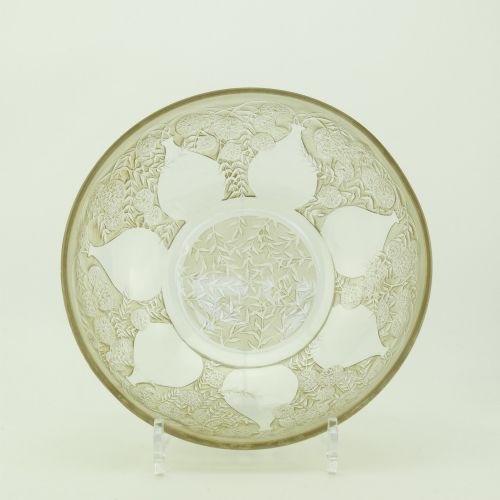
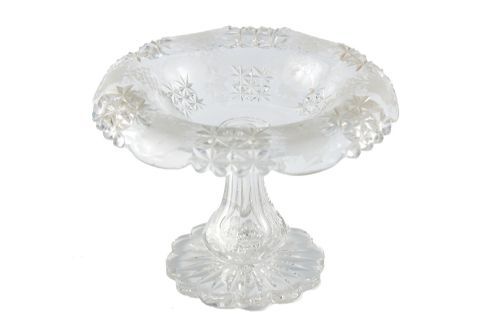
When you search for a vintage clear glass dish, you encounter a wide selection of functional and decorative vessels shaped by distinct historical periods. These pieces range from substantial Victorian fruit bowls and Edwardian trinket boxes to Art Deco plates and centrepieces designed for daily service or display.
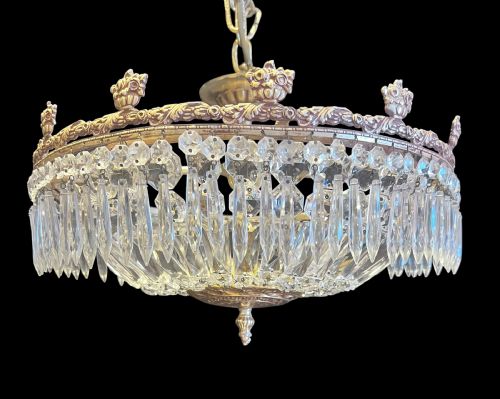
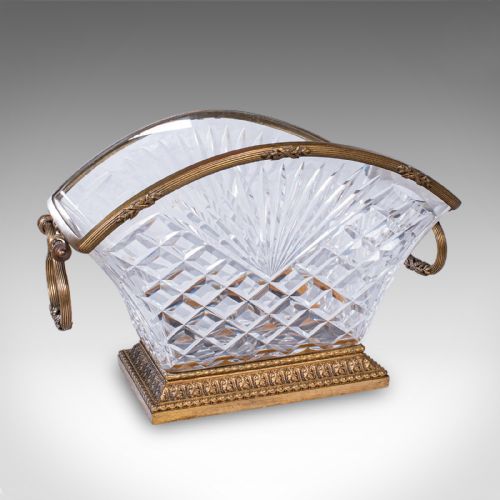
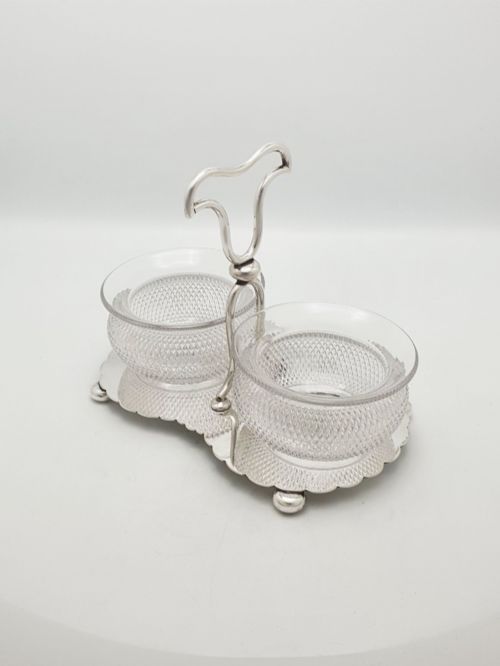
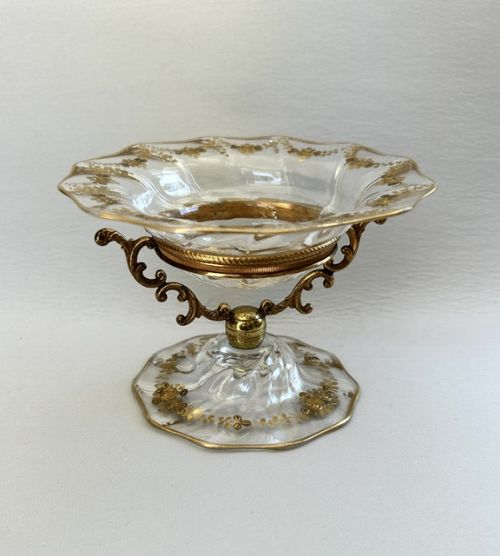
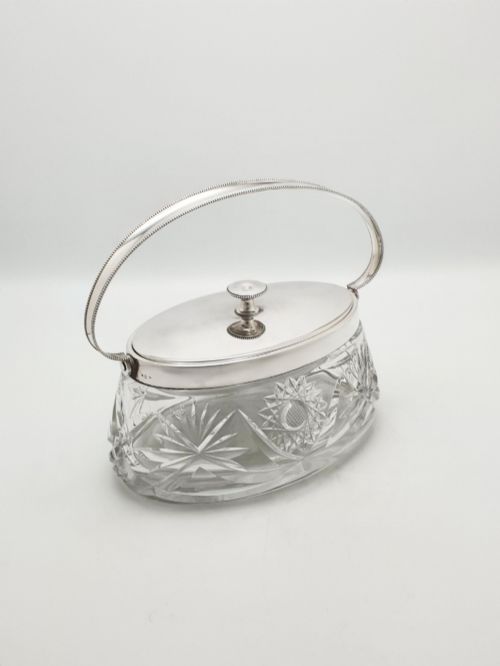
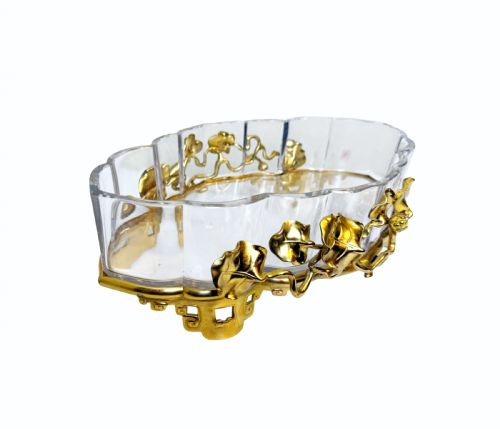
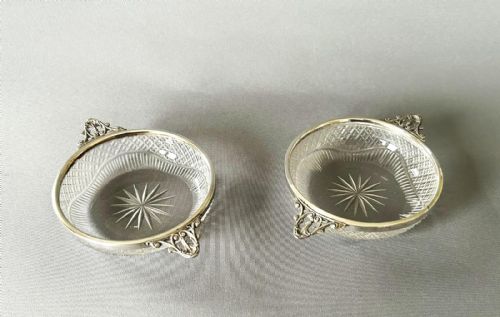
The objects take many forms on this page, including serving dishes, lidded butter dishes, tazzas, and ashtrays. Many incorporate mounts of silver plate, sterling silver, brass, or ormolu, blending transparent glass with metalwork from the nineteenth and twentieth centuries.
Originating from French, English, Belgian, and Bohemian makers, these items reflect diverse stylistic movements such as Art Nouveau, Empire, and Georgian design. Buyers find everything from simple pressed glass liners to heavily cut crystal centerpieces mounted on gilt bronze frames.
How They Were Made
The production of these items relies on skilled manipulation of glass materials, including lead crystal, opalescent glass, and plain clear glass. Artisans shaped the molten material through free-blowing or moulding, creating the structural bodies for bowls, plates, and lidded boxes.
Surface ornamentation involved deep cutting, engraving, and acid staining, alongside enamel decoration in gold or colours. Many pieces required secondary metalworking, uniting glass inserts with cast or pierced mounts in brass, silver plate, and sterling silver.
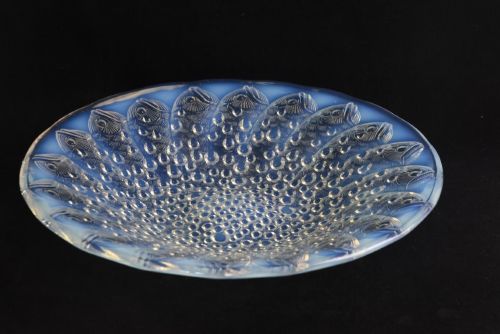
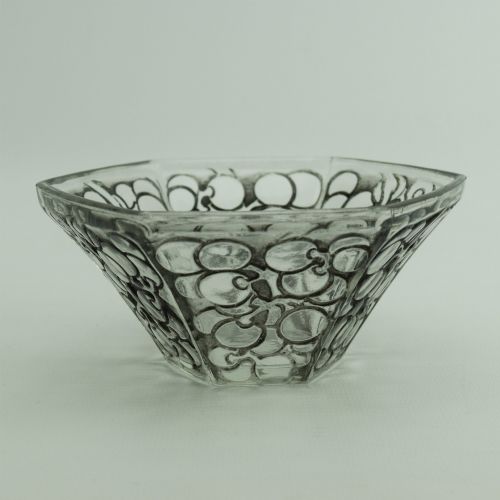
Dogs chase hounds across French glass plates while glass grapes and raisins ripen quietly in the bowls.
What Varies in Quality
The standard of execution in cutting and moulding determines the crispness of the facets and the weight of the material. Heavy lead crystal and precise wheel-cut patterns display superior light refraction compared to simpler pressed alternatives.
Integration between the glass body and any metal mounts, such as ormolu, silver plating, or gilt bronze frames, indicates the original maker's ambition. Fine enamelling, hand-staining, and signed artistic attribution elevate certain bowls and plates above standard utilitarian wares.
Rene Lalique·St Louis glassworks·Hoffman·Joseph Simon for Val St Lambert
The Vintage Clear Glass Dish Glossary
- Cut Glass
- Glass decorated by grinding facets or patterns into the surface using wheels. This technique produces sharp edges and brilliant light play across bowls and decanters.
- Plafonnier
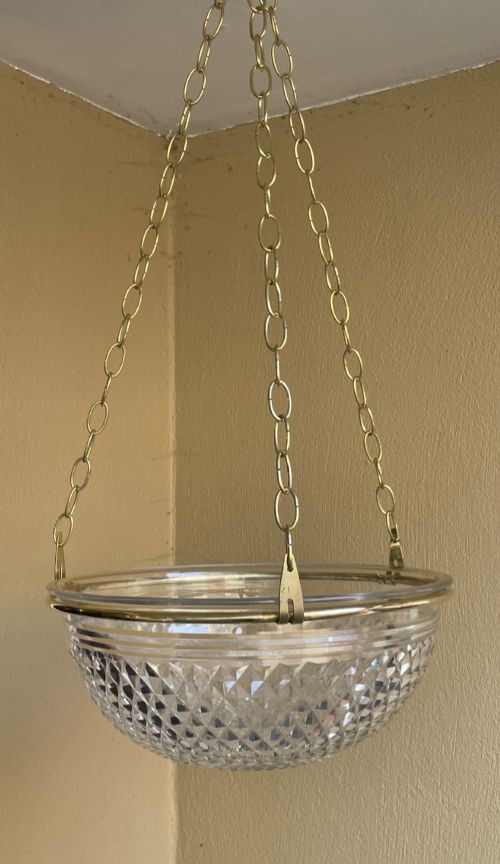
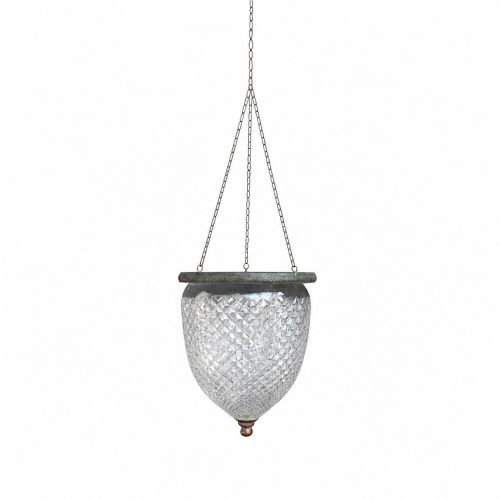
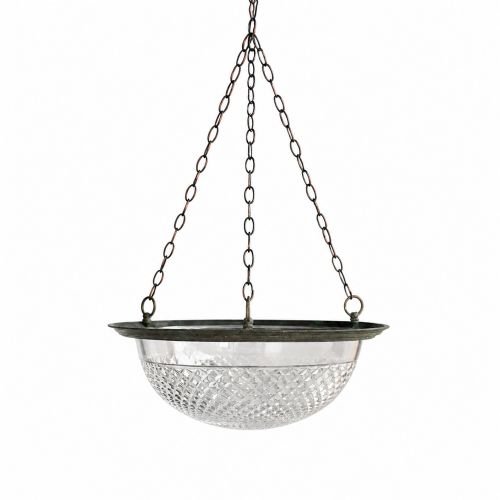
- A ceiling light fixture with a bowl-shaped glass shade mounted close to the ceiling. These frequently utilise cut glass or crystal held by brass frames.
- Ormolu
- Gilded bronze used for decorative mounts and stands on nineteenth-century tableware. It provides a rich golden contrast to clear or coloured glass vessels.
- Tazza
- An elevated shallow bowl or cup resting on a foot and stem. Makers often employed them for serving fruit or sweets on formal dining tables.
- Opalescent Glass
- Glass that diffuses light to display a milky, milky-blue, or pearlescent glow. Prominent designers utilised this quality to highlight moulded low-relief figures.
Vintage Clear Glass Dish: Frequently Asked Questions
How do I clean a vintage glass dish?
Wash the glass gently in warm soapy water using a soft cloth to avoid scratching the surface. Dry with a lint-free cloth to maintain the clarity of the material.
Keep pieces with metal mounts or silver plating away from soaking water to protect the joins and finishes. Polish any brass or silver separately with appropriate metal cleaner.
Can I use these dishes for food?
Most glass dishes function well for serving dry foods, fruits, or sweets. Items featuring metal rims or silver plate require careful handling around acidic foods.
Check for any cracks or chips along the rim before serving. Older pieces with delicate lead crystal or enamel work suit display or gentle use best.
How do I date a cut glass bowl?
Examine the weight, depth of the cutting, and any accompanying metal mounts to determine the likely period. Victorian and Edwardian pieces often feature heavy lead crystal with intricate hand-cut starburst patterns.
Look for maker signatures or stylistic clues such as Art Deco geometric forms or Art Nouveau organic motifs. Hallmarks on attached silver elements provide exact manufacturing years.
What is the difference between crystal and glass?
Crystal contains lead oxide, which adds weight, durability, and a high refractive index that creates rainbow prismatic effects. Standard clear glass is lighter and lacks this specific chemical composition.
Pieces described as lead crystal ring longer when tapped gently and feel noticeably heavier in the hand. Both materials appear across different historical periods.