
Vintage Claw Set Ring
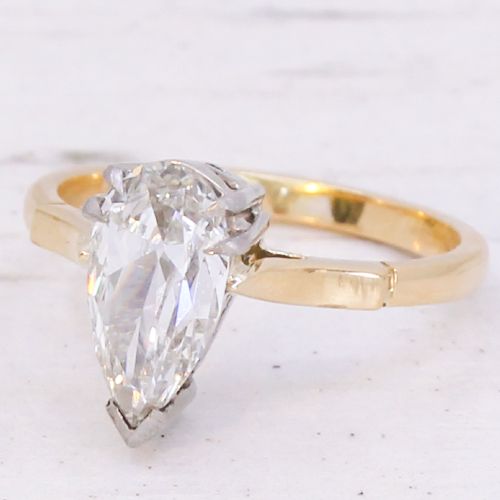
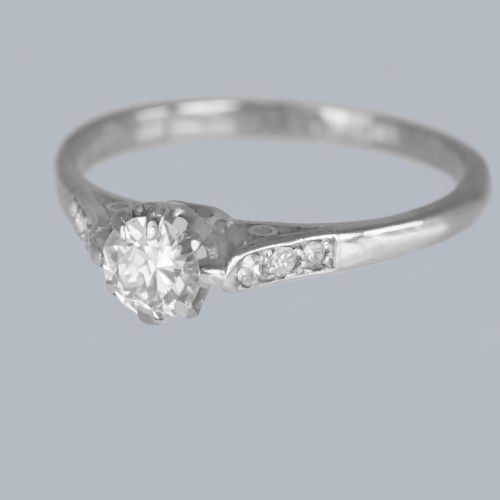
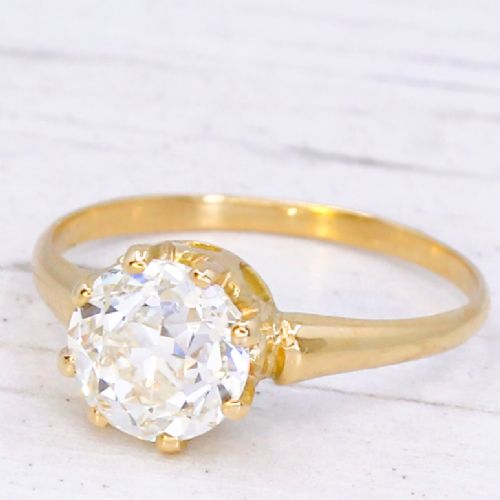
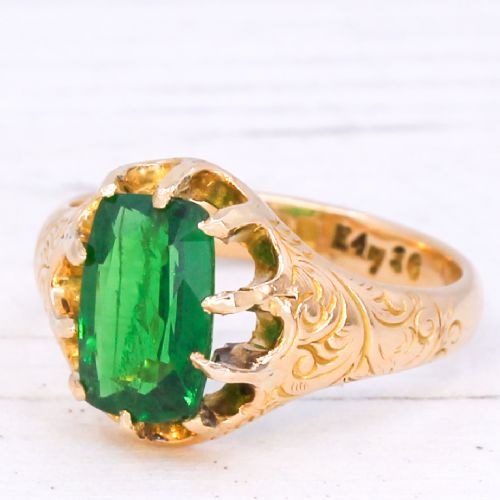
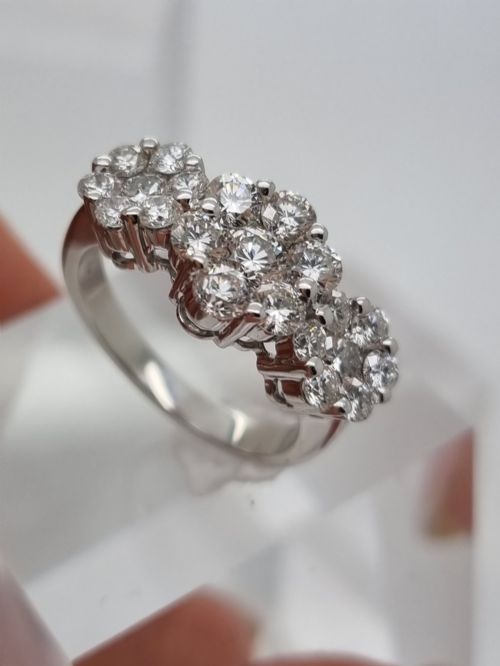
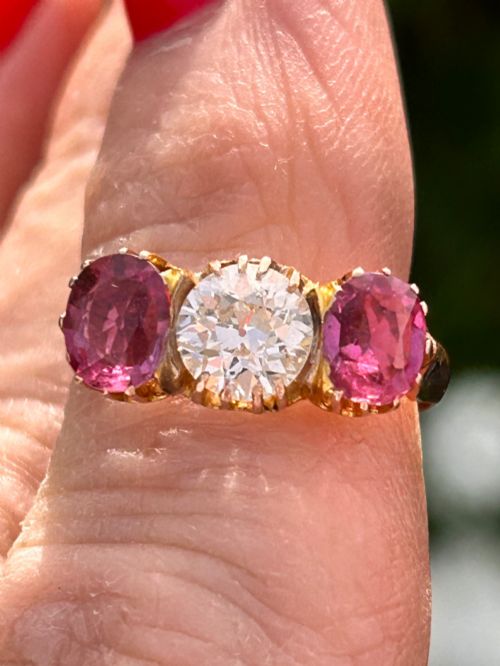
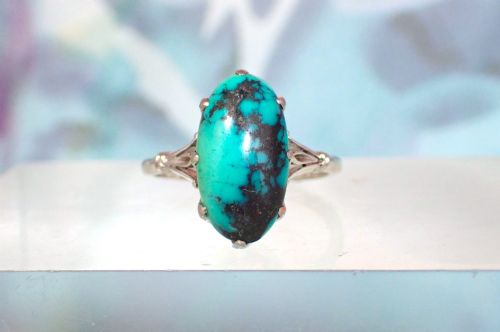
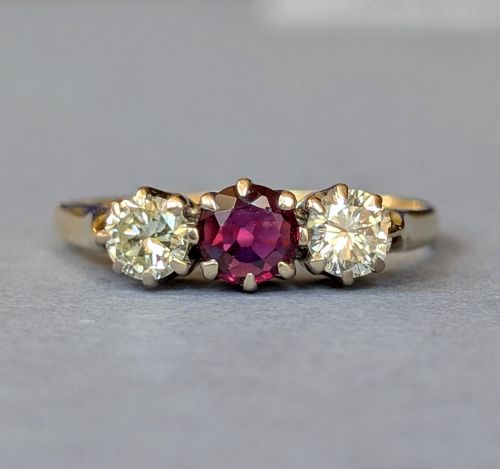
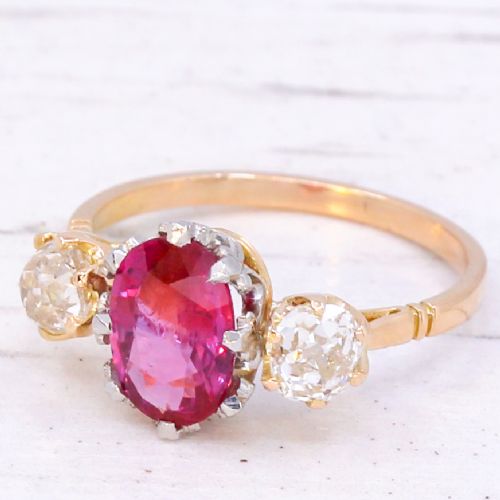
A vintage claw set ring secures precious stones with individual metal prongs to maximise light reflection, offering a traditional profile built for daily wear.
Vintage Claw Set Ring
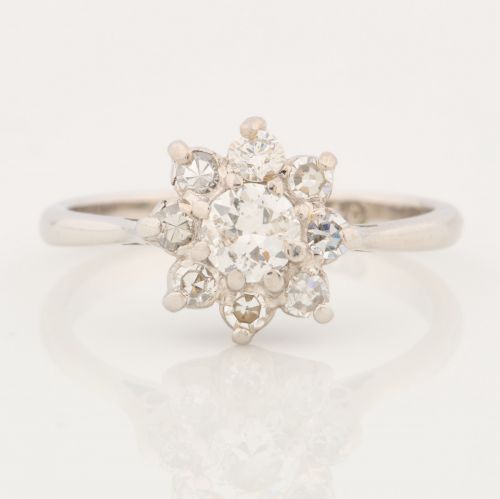
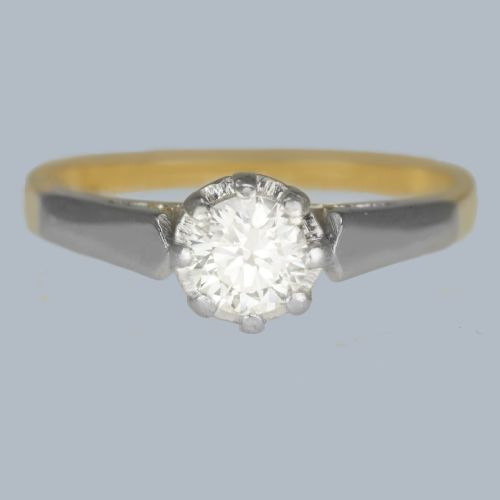
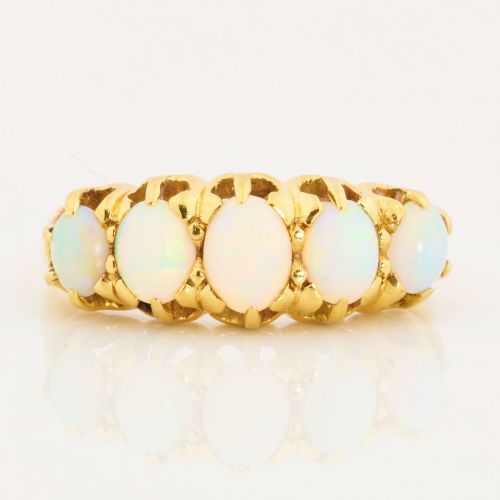
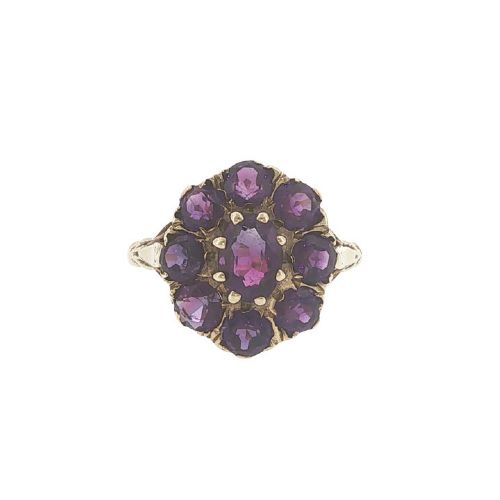
A vintage claw set ring encompasses a range of engagement and dress rings spanning the Victorian era through the mid-twentieth century. Buyers searching for a vintage claw set ring encounter solitaire stones, multi-stone clusters, and multi-stone band configurations from diverse decades.
Pieces originate from periods including the 1900s, 1910s, 1920s, 1930s, 1940s, 1950s, and 1960s, alongside nineteenth-century Victorian examples. These rings utilise traditional gemstone cuts like old European, old pear, transitional, and round brilliant facets.
Materials and construction
Goldsmiths constructed these rings using yellow gold, white gold, 18ct gold, 9ct gold, and durable platinum settings. Platinum gained favour during the Edwardian and Art Deco periods for its ability to support delicate, secure wire claws.
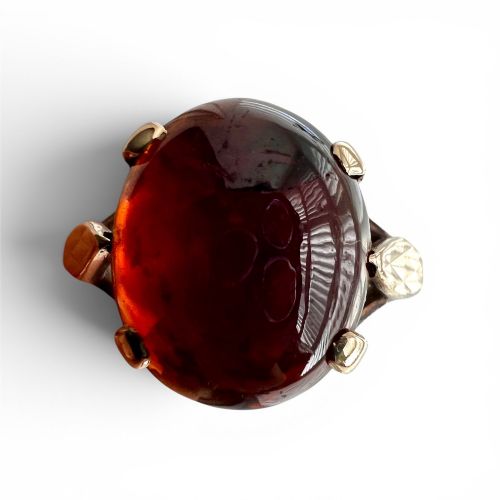
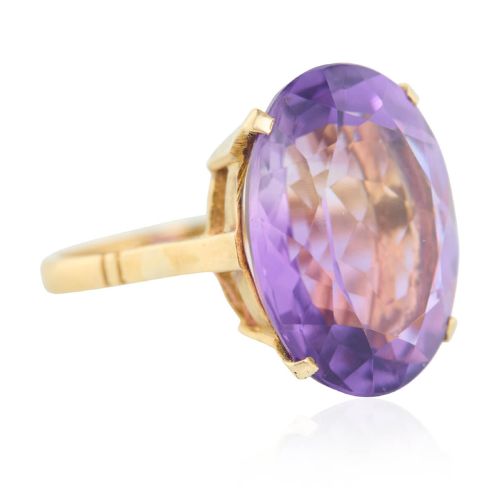
Makers set diamonds, rubies, sapphires, tsavorites, turquoises, opals, garnets, amethysts, alexandrites, and blue zircons directly into shaped metal prongs. These claws were hand-filed to hold old cut, pear cut, transitional cut, and cabochon gemstones firmly in place.
Vintage Claw Set Ring Retail Price Guide 2026
Typical asking prices for vintage claw set ring among the pieces listed under this phrase on Sellingantiques today, from the lower quarter to the upper quarter. They describe what is for sale here now, not the wider market.
Early twentieth-century goldsmiths occasionally hid tiny platinum millegrain beads beneath the claws to catch rogue glints of light.
Assessing craftsmanship
Quality rests upon the symmetry and proportion of the metal claws relative to the gemstone they secure. Heavier, substantial platinum or gold shanks indicate sturdier construction that withstands decades of regular use.
The choice and natural clarity of the central diamond, ruby, or sapphire dictate the overall caliber of the piece. Precision in hand-cut facets and balanced multi-stone arrangements distinguish finer examples from standard workshop output.
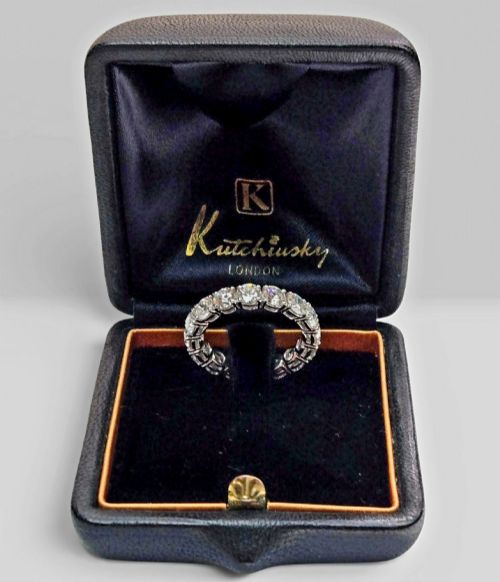
Kutchinsky
The Vintage Claw Set Ring Glossary
- Claw setting
- A mounting style utilising individual metal prongs to hold a gemstone, allowing maximum light to enter the pavilion. This method defines the primary architecture of these rings.
- Solitaire
- A ring featuring a single prominent gemstone as its central focus. This traditional form highlights the qualities of the main diamond or coloured stone.
- Trilogy
- A three-stone ring configuration representing the past, present, and future. These pieces typically balance a larger central gem with two slightly smaller matching side stones.
- Toi et Moi
- A French term meaning you and me, describing a two-stone ring featuring intertwined or adjacent gems. This romantic style often pairs a diamond with a coloured stone such as a sapphire or ruby.
- Old cut
- A traditional diamond facet arrangement characterised by a high crown, small table, and open culet. These vintage cuts produce a distinctive, softer scintillation under candlelight.
Vintage Claw Set Ring: Frequently Asked Questions
How do I clean a claw set ring safely?
Soak the ring in warm water mixed with mild washing-up liquid to loosen accumulated daily debris from beneath the stone. Use a very soft-bristled brush to gently clean around the metal prongs.
Avoid harsh chemical dips or ultrasonic cleaners if the ring contains softer organic or treated gemstones like opals or turquoise. Dry the piece thoroughly with a lint-free cloth before storing or wearing it again.
Are these rings suitable for everyday engagement wear?
Platinum and 18ct gold mountings provide the structural durability required for daily hand movement. Harder gemstones like diamonds, sapphires, and rubies endure constant friction well.
Softer stones such as opals or amethysts demand greater care and protection from hard impacts. Regular inspection of the metal claws ensures the stones remain firmly anchored over years of daily use.
How can I tell the period of my ring?
Examine the metal type, gemstone cut, and overall design characteristics against known historical periods. Edwardian and Art Deco pieces frequently utilise platinum and geometric motifs, while Victorian examples often feature rich yellow gold and closed-back settings.
Look inside the band for British hallmarks, maker's marks, or date letters that provide exact assay office records. Comparing the stone cutting style, such as old European versus modern brilliant facets, offers further chronological clues.
What is a transitional cut diamond?
A transitional cut diamond represents the evolutionary phase between old European cuts and modern brilliant cuts, spanning roughly the 1930s through the 1950s. These stones combine the smaller table and higher crown of vintage gems with increased facet symmetry.
This specific cutting style bridges the visual charm of antique stones with the brighter scintillation of contemporary diamond geometry. They appear frequently in mid-century and Art Deco survival pieces.