




9 Carat Gold Ring
A 9 carat gold ring brings together accessible durability and timeless design across decades of British craftsmanship.
9 Carat Gold Ring
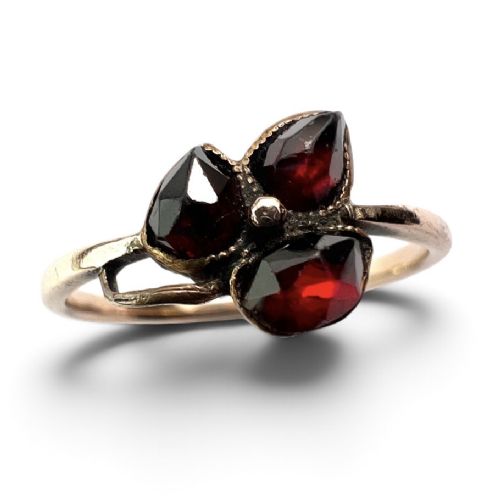
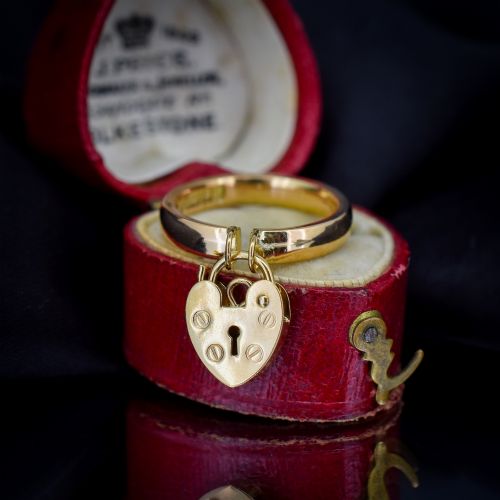
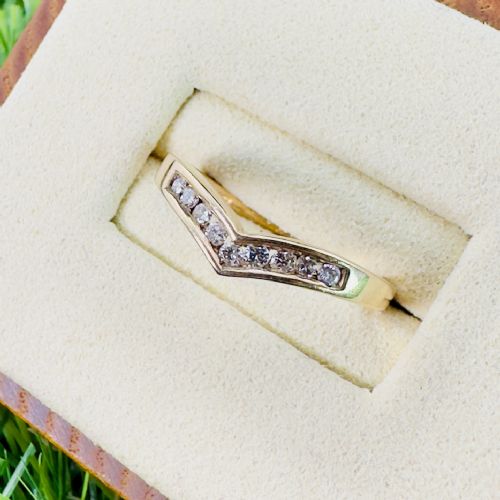
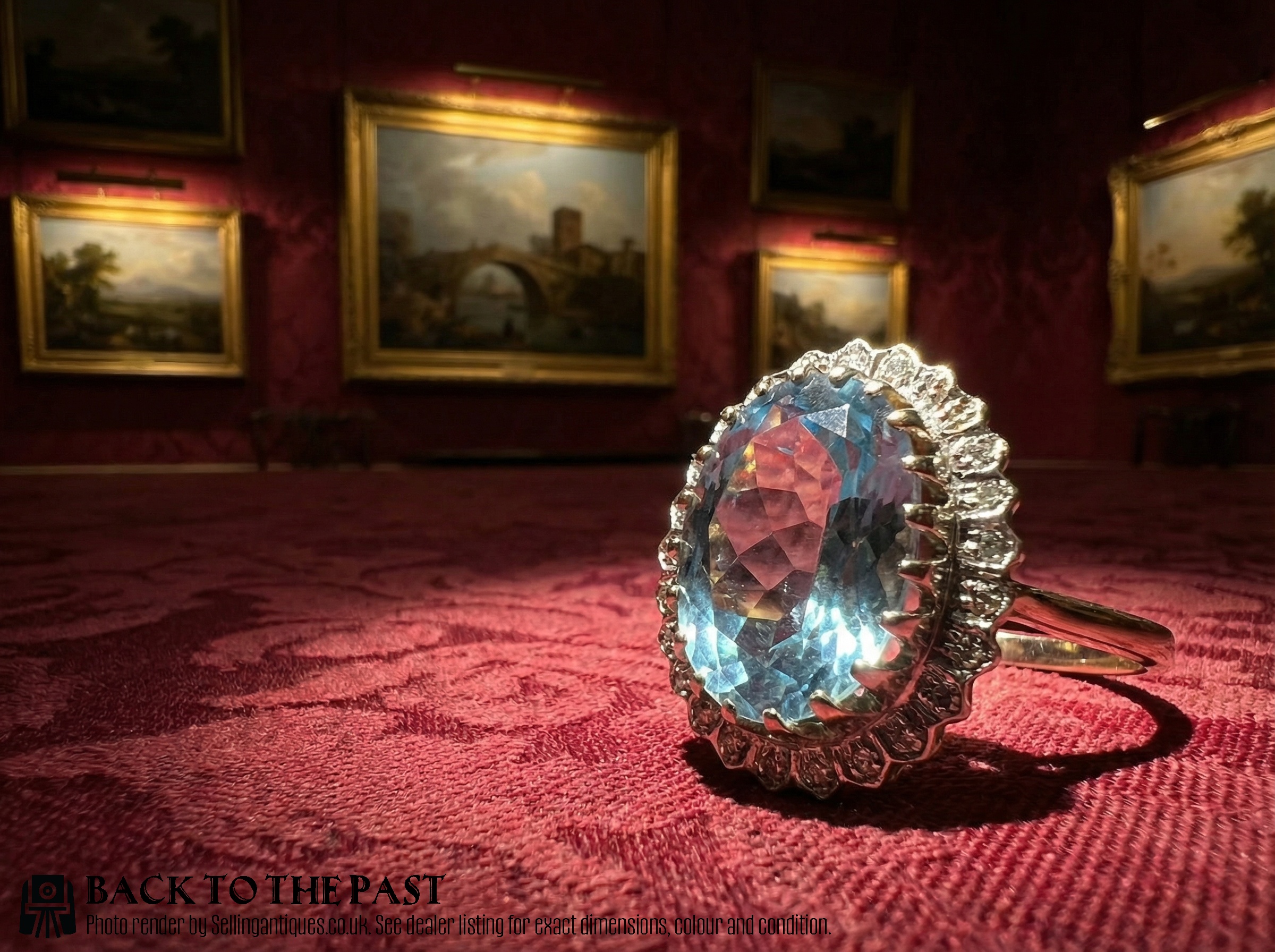
A 9 carat gold ring spans various historic periods, including Victorian, Edwardian, and Art Deco eras, alongside mid-century and vintage creations. These pieces range from simple patterned bands and heart padlock drop designs to elaborate garnet flower clusters and diamond solitaires.
Buyers encountering this selection will find a mixture of everyday bands, engagement rings, and cocktail rings. The materials paired with the gold frequently include diamonds, rubies, sapphires, and emeralds, reflecting the fashionable stones of their respective decades.
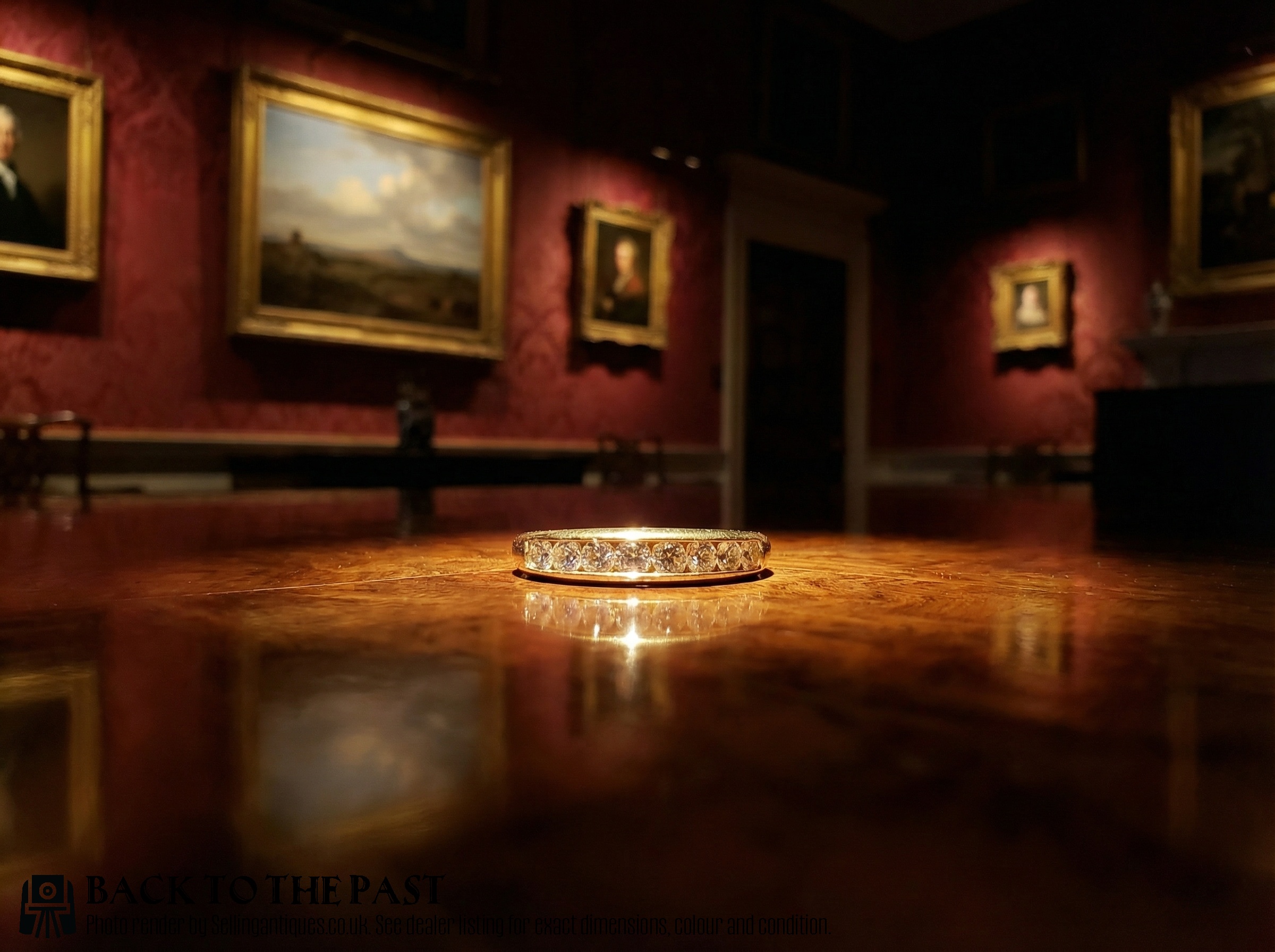
Materials and Technique
The construction of these rings relies on yellow gold, rose gold, or white gold combined with platinum settings for secure gemstone retention. Metals are shaped into solid bands or intricate cluster mounts designed to support various stone cuts.
Gemstones such as old cut diamonds, sapphires, and garnets are hand-set using traditional techniques like starburst gypsy settings, claw settings, and flush settings. Hallmarks stamped into the metal often indicate the assay office and year of manufacture.
9 Carat Gold Ring Retail Price Guide 2026
Typical asking prices for 9 carat gold ring among the pieces listed under this phrase on Sellingantiques today, from the lower quarter to the upper quarter. They describe what is for sale here now, not the wider market.
Listings feature 9 carat gold rings spanning from the Victorian period through to the 1960s, paired with diamonds, rubies, and sapphires.
Assessing Quality
Quality in these rings is determined by the precision of the stone cutting, the clarity and unheated nature of coloured gems, and the integrity of the original metalwork. Hand-finished details and crisp hallmarks elevate the character of a piece.
The retention of original gemstone proportions and minimal wear to the gold band distinguish finer examples from heavily polished or altered pieces. Balance between the stone weight and the surrounding metal mounting remains crucial to overall design harmony.
Kutchinsky
The 9 Carat Gold Ring Glossary
- Old Cut Diamond
- A diamond cut by hand during the eighteenth, nineteenth, or early twentieth century featuring a small table and high crown. These stones exhibit unique light reflection compared to modern brilliant cuts.
- Gypsy Ring
- A ring style where gemstones are flush-set directly into the thick, tapered metal band. This design became popular during the Victorian era for both men and women.
- Hallmark
- An official stamp applied by an assay office indicating the purity of the metal and the year of manufacture. British marks often include town marks and maker's initials.
- Cluster Ring
- A ring featuring a central gemstone surrounded by a border of smaller stones. This arrangement maximises visual impact and light play.
- Mizpah
- A sentimental piece exchanged between people connected by bonds of affection or separation. The term originates from the Hebrew word meaning a watchtower.
9 Carat Gold Ring: Frequently Asked Questions
How do I care for a vintage gold ring?
Clean the metal and stones gently with warm soapy water and a soft brush, avoiding harsh chemical dips that can damage softer gems. Regular checks by a jeweller help ensure the claws holding the diamonds or sapphires remain secure.
Store antique rings individually in soft pouches to prevent scratching between harder stones and softer gold alloys. Removing rings during manual work preserves the integrity of delicate engravings and prongs.
What periods do these rings come from?
The selection includes pieces spanning the Victorian and Edwardian periods, through the Art Deco era, up to mid-century vintage designs. Each period brings distinct aesthetic choices, from floral cluster motifs to geometric platinum settings.
Stylistic shifts reflect changing societal tastes and technical capabilities in jewellery manufacturing over the decades. Hallmarks and stone cuts help anchor each piece to its specific historical era.
How can I identify the age of a ring?
Examining the hallmarks stamped inside the band provides direct evidence of the assay office and year of creation. British pieces often feature date letters and standard marks that correspond to historical records.
Gemstone cuts and mounting styles also offer reliable visual clues regarding the decade of manufacture. Old cut diamonds and specific cluster configurations point towards Victorian or Edwardian origins.