

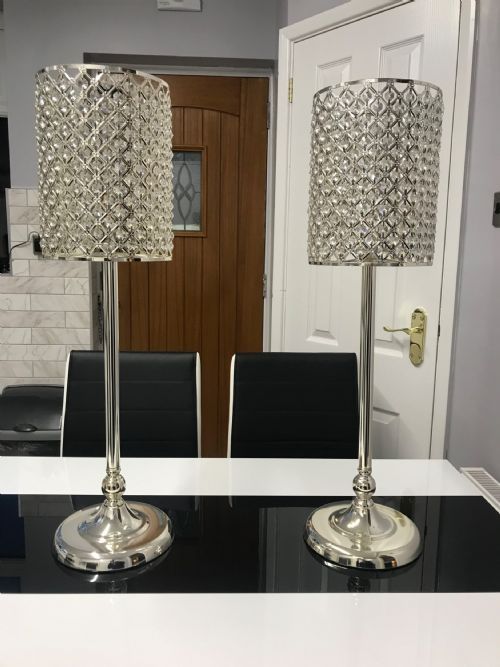
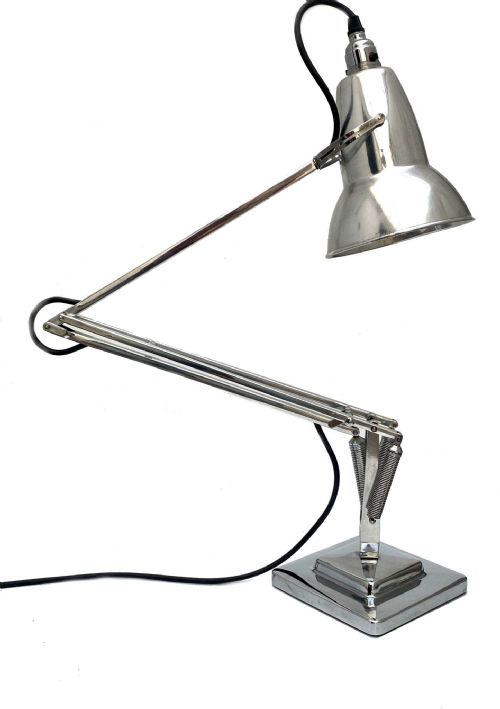
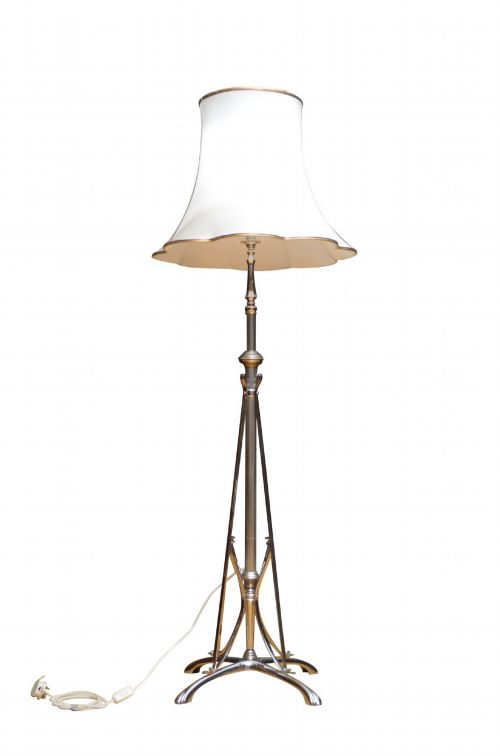


Vintage Chrome Light
These vintage chrome light selections offer functional illumination defined by industrial forms and polished metal surfaces.
Vintage Chrome Light
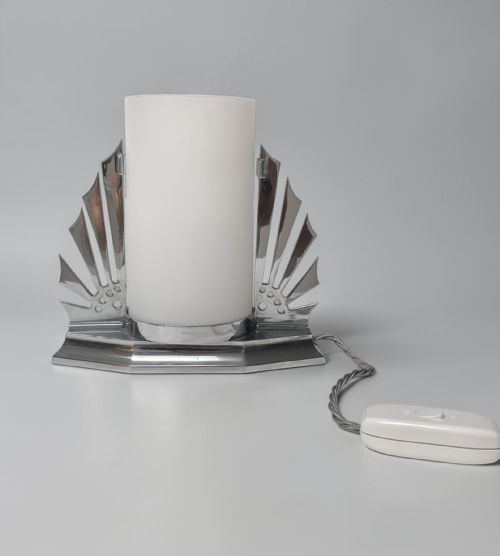
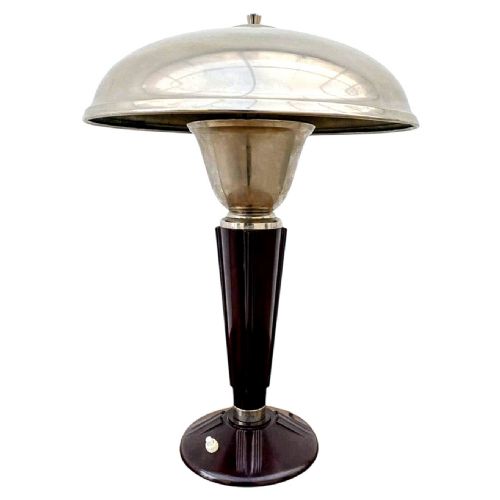
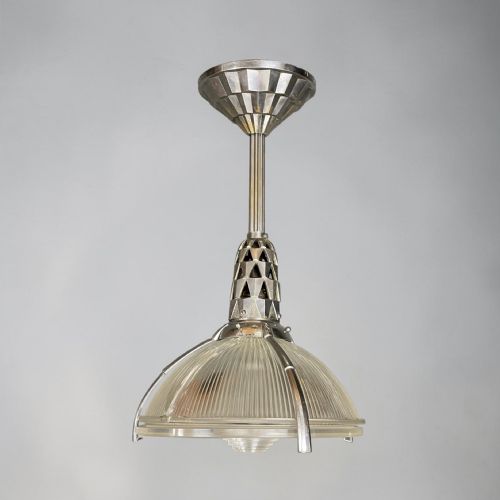
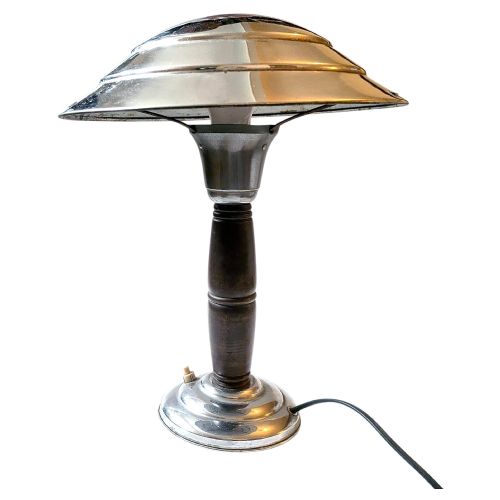
When you search for vintage chrome light, you encounter a selection spanning table lamps, desk lamps, wall lights, and pendant fixtures. These pieces originate predominantly from the 1920s, 1930s, and 1940s, embodying the distinct aesthetics of the Art Deco and Machine Age periods.
You are most likely to meet wall lights and desk lamps constructed with polished metal components. Many items incorporate glass elements such as frosted, pressed satin, or cut crystal, paired with the signature metal framework of the era.
Materials and construction methods
Makers utilised chrome plating over base metals, steel, and brass to achieve a durable, reflective finish. Metal components were often cast, pressed, or tubular, allowing for the sleek, geometric angles characteristic of the style.
Shades and diffusers combine the metal structure with moulded glass, opaline glass, or occasionally bakelite details. Wiring methods vary, with many examples having been rewired for contemporary use while retaining their original galleries and fittings.
Listings feature materials including chrome, frosted glass, bakelite, steel, brass, and nickel across multiple decades.
Assessing quality in period lighting
Quality rests in the weight of the metal and the precision of the articulation on adjustable desk and floor lamps. Heavier gauge chrome and solid brass or steel foundations indicate superior manufacture compared to lighter, pressed alternatives.
The integrity of the glass shades, whether pressed satin or cut crystal, distinguishes finer items. Original maker components, such as specialised galleries and switches, elevate an example above standard production pieces.
Eileen Grey·Herbert Terry·Pirouette
The Vintage Chrome Light Glossary
- Chrome
- Electroplated coating of chromium over metal. It provides a bright, corrosion-resistant surface that defines the aesthetic of interwar design.
- Bakelite
- Early synthetic thermosetting plastic. It appears frequently on switches, handles, and base details of lamps from the period.
- Torchiere
- Floor lamp designed to direct light upward toward the ceiling. These fixtures often feature large glass bowls or metal shades.
- Opaline glass
- Milky, translucent glass used to soften light output. It creates an even, diffused glow across pendant and wall installations.
- Gallery
- Metal rim or holder securing a glass shade to the light fitting. It anchors the shade while adding a decorative industrial detail.
Vintage Chrome Light: Frequently Asked Questions
How do I install vintage chrome lights safely?
Many period fixtures require professional rewiring to meet current electrical standards while preserving original metal components and lamp holders.
Ensure your electrician checks the internal wiring capacity and verifies that the mounting hardware supports the weight of the fixture.
What rooms suit vintage chrome wall lights?
Wall sconces and trumpet fixtures work effectively in hallways, bathrooms, or flanking mirrors where directional or ambient illumination is required.
Their metallic finish reflects surrounding interior tones, integrating easily into both modern and traditional schemes.
How do I distinguish 1930s lighting from later reproductions?
Examine the construction methods, screw types, and wiring channels for signs of period manufacture. Original pieces utilise heavier cast metals and period-specific fixings rather than modern lightweight alloys.
Patina on the chrome and the composition of any associated bakelite or glass elements further confirm the era.
Can I adjust articulated desk lamps safely?
Articulated desk and floor lamps rely on internal springs or tension arms designed for specific movement ranges. Handle these mechanisms gently to avoid stressing historical joints.
Regularly check the tension bolts without over-tightening them to maintain smooth adjustment.