




Vintage Chinoiserie Seating
Vintage chinoiserie seating brings hand-painted lacquer and bamboo into a room to create an instant focal point of decorative character.
Vintage Chinoiserie Seating
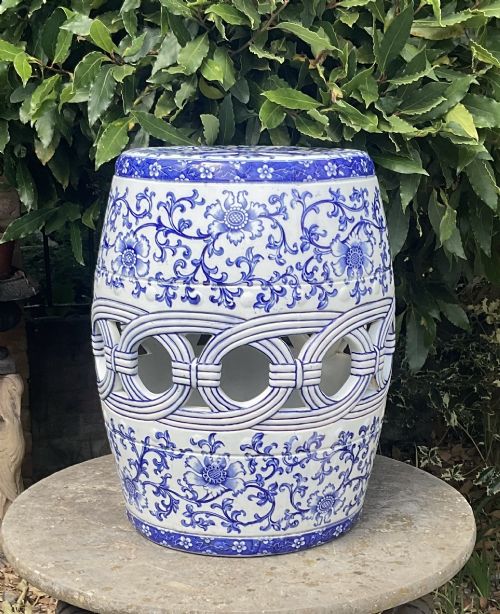
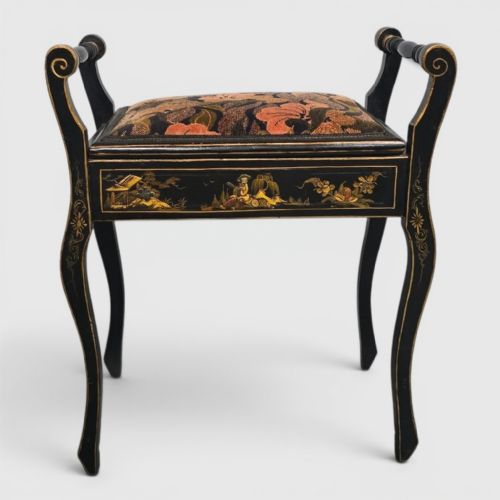
Vintage chinoiserie seating spans armchairs, side chairs, garden seats, piano stools, footstools, settees, dining chairs and hall chairs. These pieces draw on aesthetic traditions associated with Chinese export work, Regency design, Victorian craftsmanship, Edwardian taste and the Queen Anne revival.
The selection here encompasses items from the nineteenth century, including specific dates such as eighteen-eighty, through to the nineteen-twenties and nineteen-thirties. Buyers encounter black lacquered finishes, satinwood frames and painted bamboo constructions among the available forms.
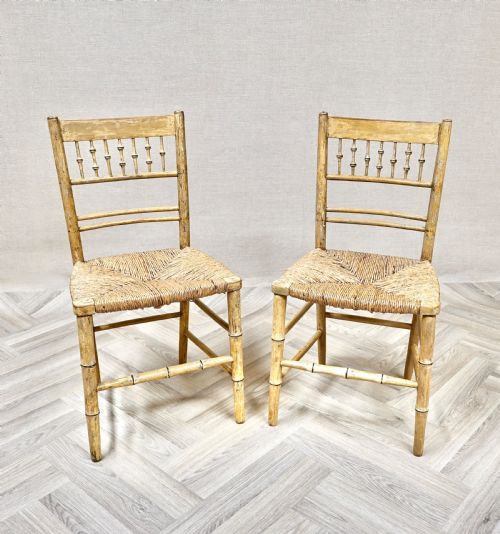
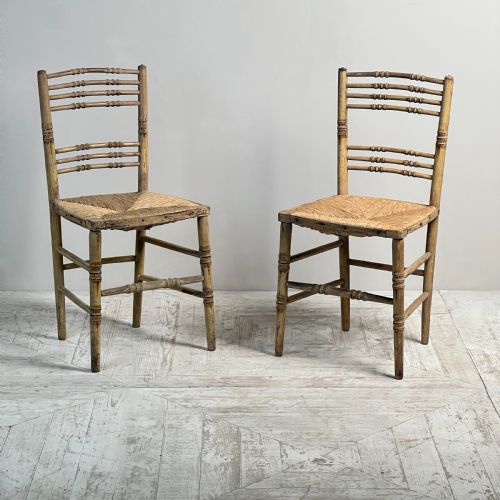
Armchairs and side chairs predominate, often featuring canework or rush seats alongside bergere upholstery. Garden seats and footstools offer alternative forms of seating within this decorative tradition.
Assessing quality
Quality rests upon the crispness of the painted decoration and the depth of the lacquer finish. Finer examples retain clear, hand-painted details on surfaces like satinwood and black lacquer.
The structural integrity of the frame and the tightness of canework or rush seating indicate higher grade execution. Items with carved wooden details or documented pottery manufacture, such as garden seats, demonstrate distinct tiers of craftsmanship.
Even a humble piano stool receives the full chinoiserie treatment, proving that Victorians wanted their sheet music consultation to look suitably exotic.
The Vintage Chinoiserie Seating Glossary
- Chinoiserie
- European artistic style reflecting Chinese motifs and decorative techniques. This style influences the painted scenes and lacquer work found on furniture frames.
- Japanning
- European imitation of Japanese and Chinese lacquer work. Artisans apply layers of varnish and heat cure the surface before adding decorative metallic designs.
- Bergere
- French upholstered armchair with enclosed wooden sides. The style frequently incorporates cane panels within the wooden frame.
- Faux bamboo
- Wood turned and carved to resemble natural bamboo stalks. Makers utilise this technique on nineteenth century chairs to capture an exotic aesthetic using domestic timber.
- Canework
- Woven rattan strips forming resilient seat or back panels. This technique lightens the visual weight of chairs while providing flexible support.
Vintage Chinoiserie Seating: Frequently Asked Questions
What is chinoiserie seating?
Chinoiserie seating consists of chairs, stools and settees decorated with European interpretations of Chinese art and motifs.
These pieces feature distinctive painted lacquer surfaces, bamboo or faux bamboo frames, and oriental decorative scenes.
How do I date these chairs?
Dating relies on stylistic markers associated with periods such as the Regency era, the nineteenth century, and the nineteen-thirties.
Materials like satinwood, black lacquer and bamboo help narrow the production era alongside specific construction methods.
Where should I place a garden seat?
Pottery garden seats function well indoors as decorative plant stands, side tables or occasional seats.
Their ceramic construction and nineteenth-century origins make them striking focal points in living spaces.
Are rush and cane seats fragile?
Rush and cane provide sturdy, flexible seating surfaces when maintained correctly in interior environments.
Original woven panels appear on nineteenth-century bamboo and faux bamboo chairs within this selection.