



Oriental Lacquer Accent Chair
An oriental lacquer accent chair brings striking decorative form and deep historical texture to a room, drawing the eye with rich surface finishes and traditional craftsmanship.
Oriental Lacquer Accent Chair
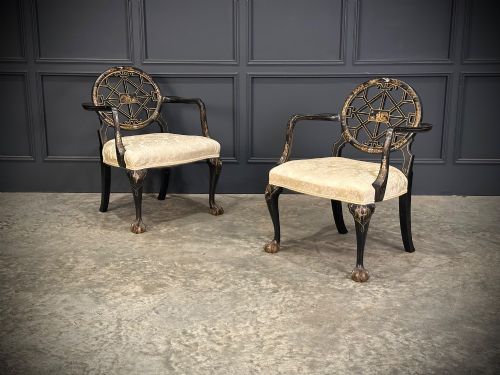
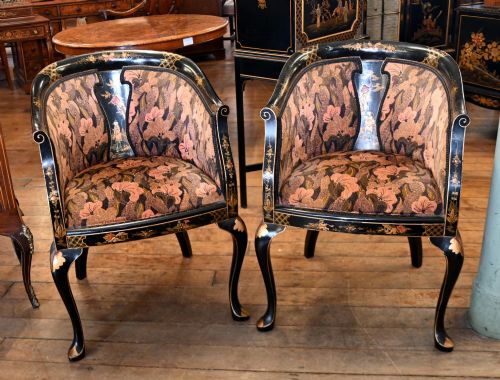
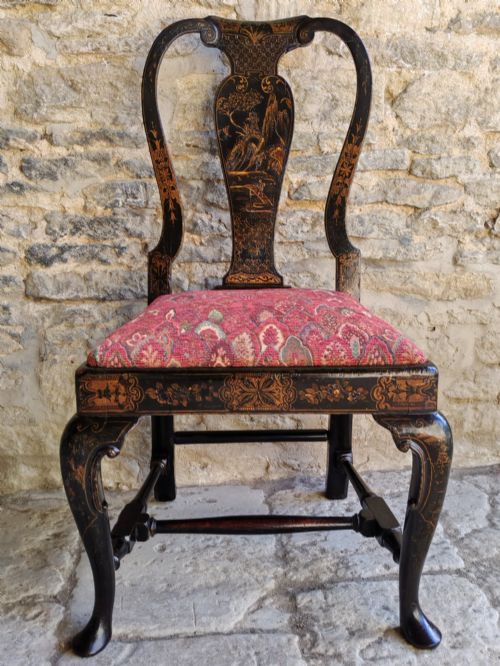
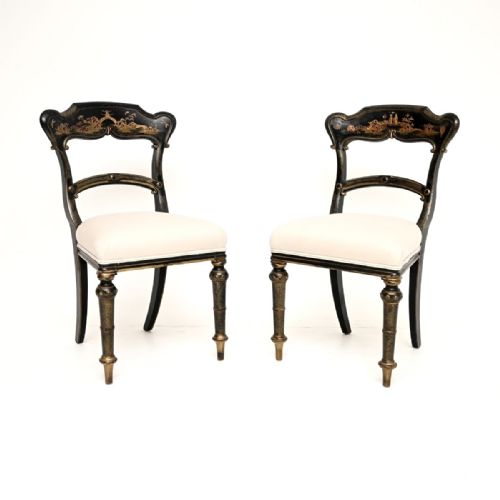
An oriental lacquer accent chair encompasses diverse seating forms shaped by centuries of stylistic exchange between Eastern workshops and European tastes. You encounter pieces ranging from early eighteenth century examples to Victorian interpretations and items from the nineteen-twenties.
Stylistic labels span Chinoiserie, Qing Dynasty, Queen Anne, Victorian Chinoiserie, and Indian Ethnic influences. These varied origins mean you might find a black lacquer pair from nineteen-twenty or a red lacquer elm chair from eighteen-seventy.
How they were made
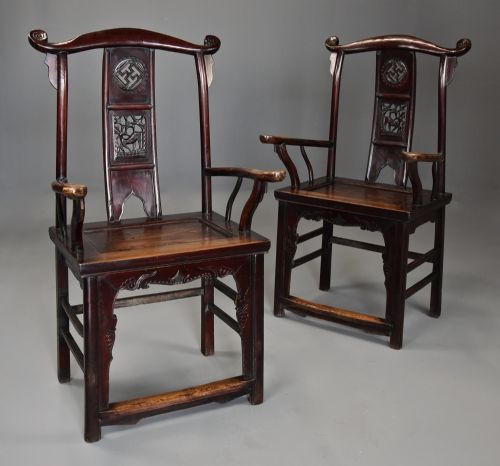
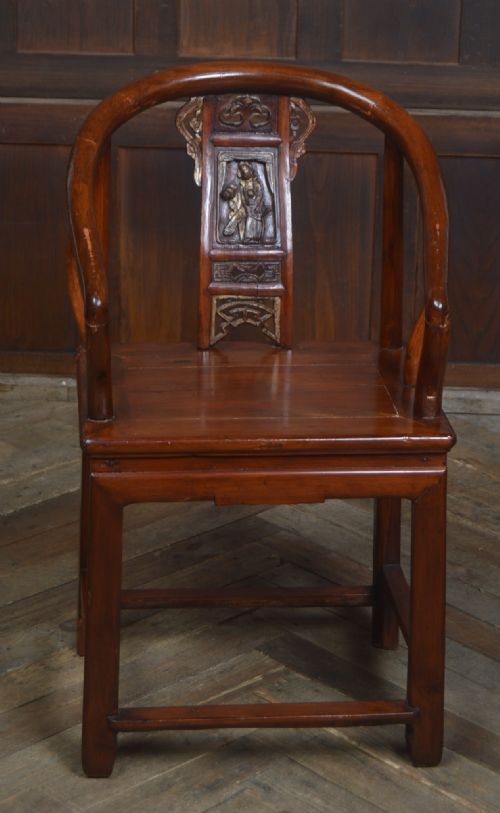
Carpenters constructed the structural frames of these pieces using sturdy timbers like Chinese elm, shaping components into traditional seating designs such as yokeback armchairs and elbow seats. Canework was frequently integrated into seats to provide flexible support alongside wooden platforms.
The defining visual characteristic involves the application of lacquer and japanned wood surfaces, often enriched with gold leaf and gilt detailing. Artisans built up these layered finishes over weeks, producing deep sheens that reflect light across black and red grounds.
Oriental Lacquer Accent Chair Retail Price Guide 2026
Typical asking prices for oriental lacquer accent chair among the pieces listed under this phrase on Sellingantiques today, from the lower quarter to the upper quarter. They describe what is for sale here now, not the wider market.
Concubine chairs invite quiet contemplation, reminding us that antique seating was often engineered for specific historical postures rather than slouching.
What varies in quality
The visual appeal of an oriental lacquer accent chair depends heavily on the depth and preservation of its original surface finish. Examples retaining intact red or black lacquer alongside crisp gold leaf detailing hold greater visual presence than pieces with extensive modern repainting.
Structural integrity also separates individual examples, particularly in how well timber frames and woven cane panels have survived across different periods. Pieces retaining an honest, undisturbed patina on woods like Chinese elm demonstrate superior historical continuity.
The Oriental Lacquer Accent Chair Glossary
- Chinoiserie
- European decorative style reflecting Chinese artistic influences, popular in furniture and lacquerwork from the seventeenth century onward. It often employs whimsical landscapes and figures rendered in gold upon dark grounds.
- Japanned wood
- European imitation of Asian lacquerwork, created by applying layers of varnish and resin followed by decorative painting and metallic powder. This technique allowed Western makers to replicate oriental finishes locally.
- Yokeback
- Traditional Chinese chair design featuring a distinctive top rail that curves outward like the yoke of an ox. This form provides ergonomic support for the user's upper back and shoulders.
- Cane
- Woven material made from the peeled bark of rattan palm, utilised for flexible and breathable chair seats and panels. It appears frequently on nineteenth-century seating forms.
- Patina
- Surface sheen and mellowing developed by wood, lacquer, and metal through age, handling, and light exposure. A good patina indicates genuine historical depth without artificial disturbance.
Oriental Lacquer Accent Chair: Frequently Asked Questions
Where should I place an oriental lacquer accent chair?
These seating pieces work effectively as focal points in hallways, studies, or living rooms where their dark grounds and metallic detailing can stand against neutral walls.
Because many examples function primarily as decorative accent seating, pairing them with simpler modern furnishings allows the traditional craftsmanship and surface finish to remain prominent.
How do I care for a lacquered wood surface?
Lacquered finishes require gentle maintenance using a soft, dry microfibre cloth to remove dust without abrasive cleaning products.
Keep these chairs away from direct sunlight and radiators to prevent the wood beneath from expanding and causing the historic lacquer layers to craze or flake.
What is the difference between Chinoiserie and Chinese antique chairs?
Chinoiserie describes European-made or European-inspired decorative pieces that interpret Asian motifs through a Western stylistic lens, such as eighteenth-century lacquer side chairs.
Genuine Chinese antiques, including elm yokeback armchairs and concubine chairs, originated within Eastern domestic traditions and reflect indigenous construction methods and aesthetic standards.
Are these chairs comfortable for daily sitting?
Many of these pieces, particularly hall chairs and formal side chairs, were designed for upright posture rather than relaxed lounging.
Armchairs featuring wider timber proportions and woven cane seats offer a more accommodating sit, though their historic frames should still be treated with care.