

Cane Accent Chair
A cane accent chair brings lightness and texture into a room, offering centuries of woven seating traditions from French bergères to English revival models.
Cane Accent Chair
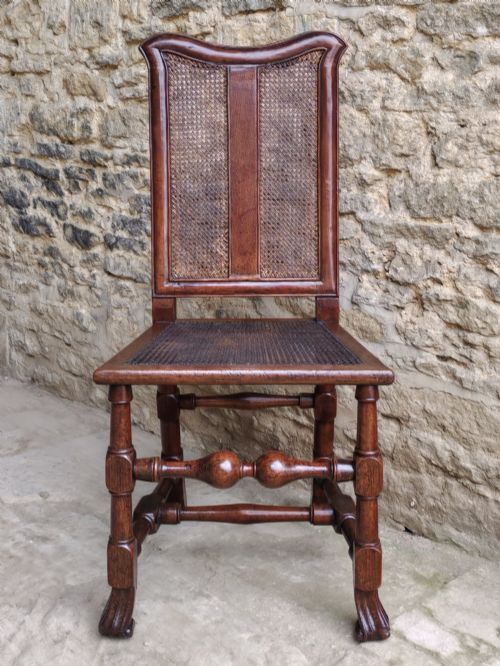
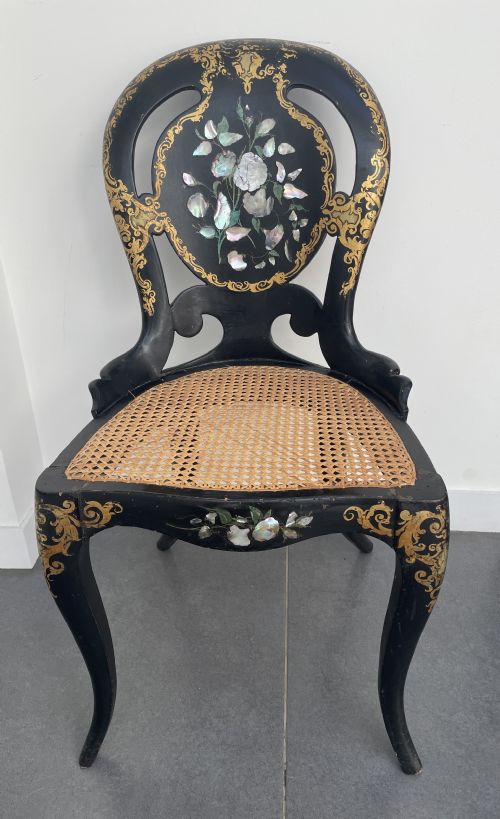
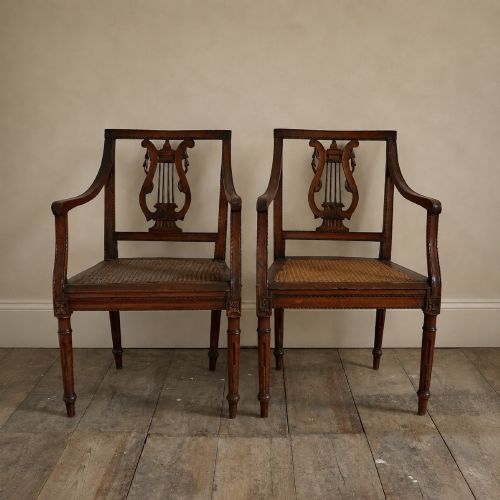
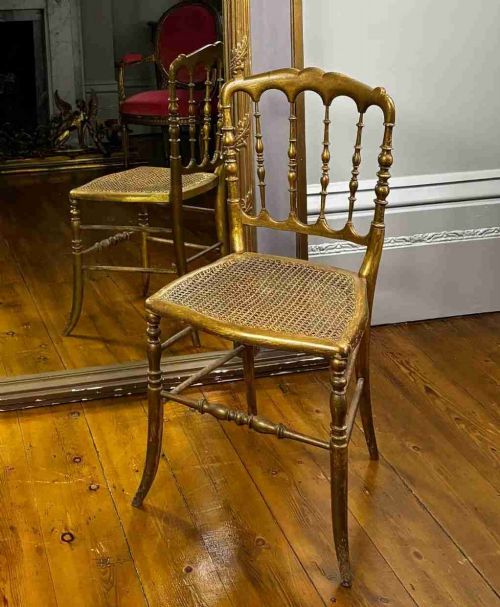
When buyers search for a cane accent chair, they encounter seating spanning from the 17th century through to the 1920s, drawing on diverse regional traditions.
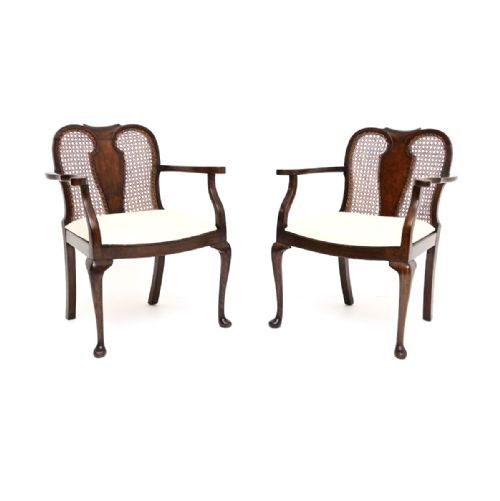
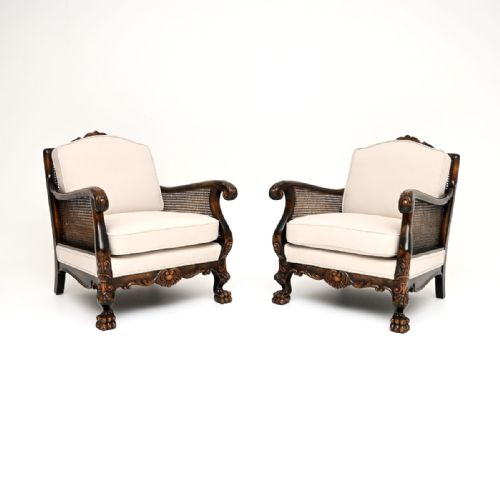
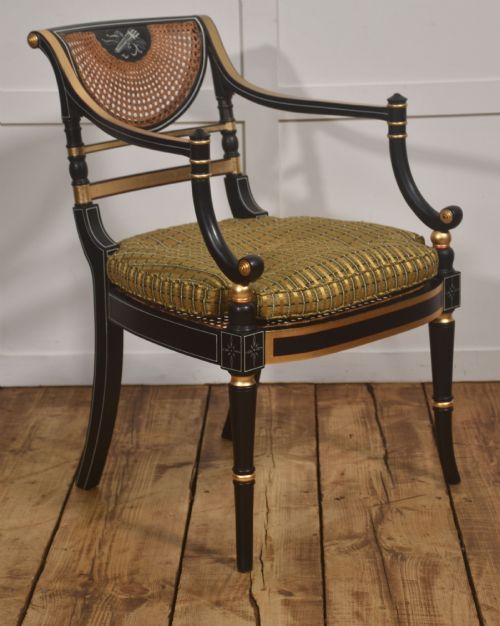
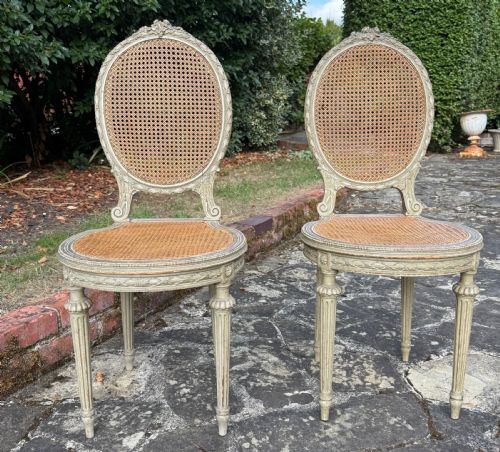
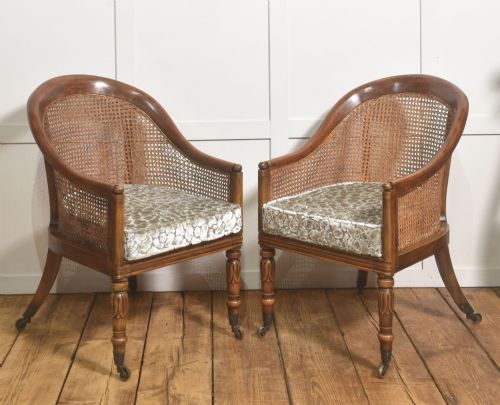
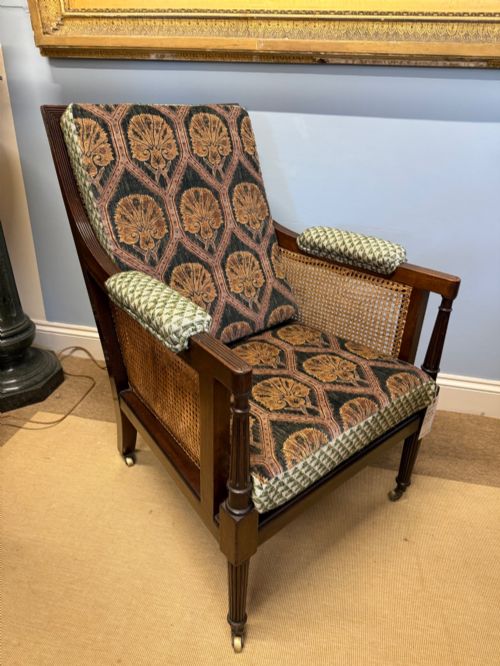
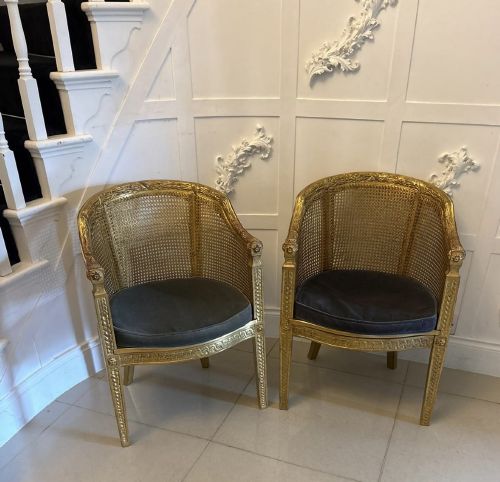
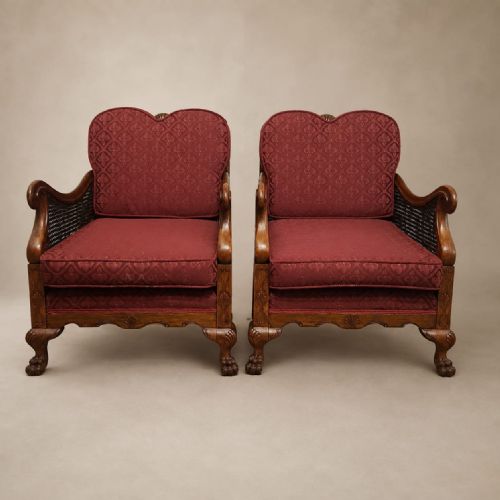
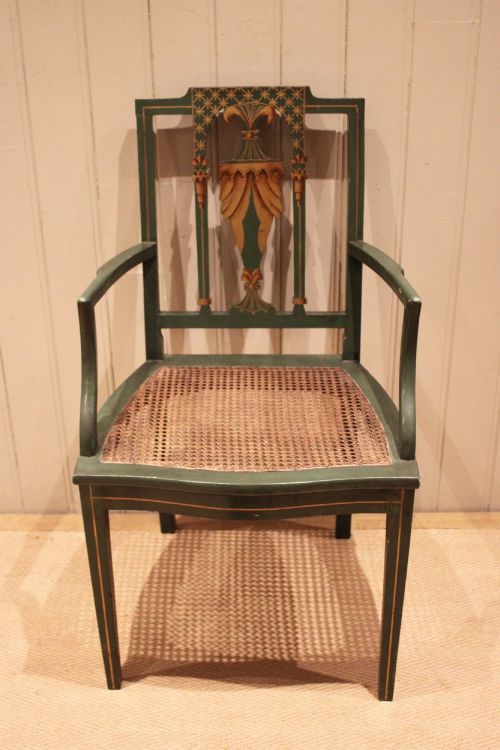
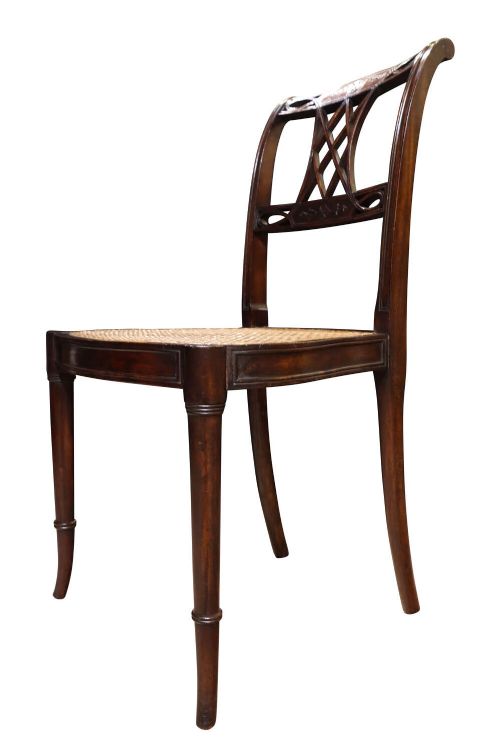
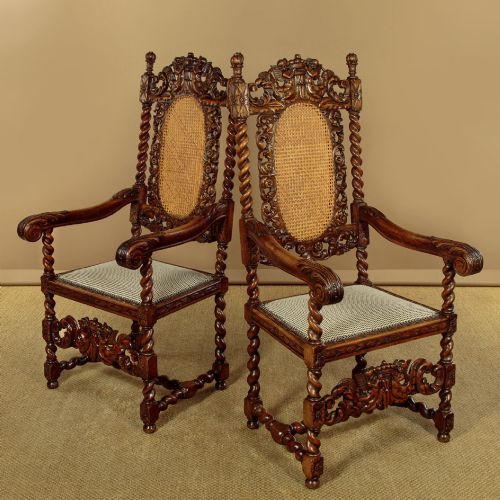
The pieces appearing on this page range from Regency mahogany designs and Edwardian bedroom chairs to French giltwood bergères and Anglo-Indian colonial armchairs.
Armchairs and side chairs with woven seats dominate the selection, frequently utilising traditional wood frames such as walnut, mahogany, and painted finishes.
Materials and construction
Makers constructed the primary frames of these seats using hardwoods like mahogany, walnut, and oak, alongside painted or giltwood surfaces.
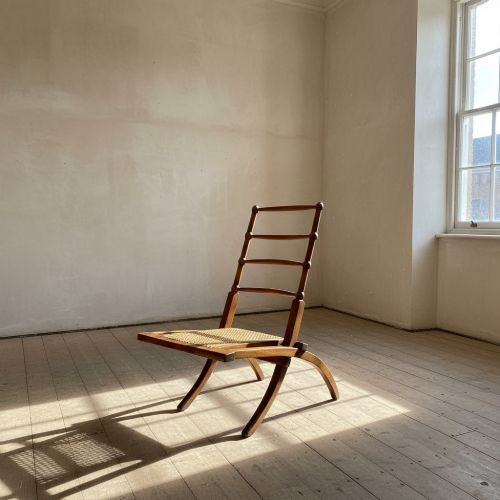
The defining characteristic is the woven seating, utilising cane, split cane, and rattan to create resilient, flexible surfaces that support the sitter without heavy upholstery.
Cane Accent Chair Retail Price Guide 2026
Typical asking prices for cane accent chair among the pieces listed under this phrase on Sellingantiques today, from the lower quarter to the upper quarter. They describe what is for sale here now, not the wider market.
Solid ebony low chairs travelled thousands of miles from the Coromandel Coast before finding their way into British drawing rooms.
Assessing quality
Quality rests upon the crispness of the frame carving and the tightness of the woven cane work, where regular patterns distinguish superior examples.
The integrity of the timber frame and the retention of original finish or period paint layers elevate the standing of any piece within this range.
Dryad of Leicester·Waring & Gillow·E.W Godwin
The Cane Accent Chair Glossary
- Bergere
- An enclosed upholstered armchair with wooden framing where the sides are frequently filled with cane work. This French form provides a deep, comfortable seat.
- Cane
- Strips of peeled rattan woven into geometric patterns to form seats and backrests. It offers a lightweight yet strong surface.
- Regency
- A British design period spanning the early 19th century characterised by classical revival motifs, sabre legs, and ebonised finishes. Pieces from this era often display clean architectural lines.
- Giltwood
- Timber coated with a thin layer of gold leaf or gesso. This decorative finish appears frequently on formal salon and drawing-room seating.
Cane Accent Chair: Frequently Asked Questions
How do I care for a cane seat?
Keep woven cane seats clean with a soft brush and maintain their moisture by occasionally wiping them with a damp cloth.
Avoid placing these chairs in direct sunlight or beside intense heat sources, which can cause the natural rattan fibres to dry out and snap.
Are these chairs comfortable for daily use?
Many bergères and armchairs are built with deep proportions designed for relaxed sitting, often enhanced with loose cushions.
Side chairs and hall chairs, by contrast, serve primarily as decorative accents or occasional seating rather than lounging chairs.
How do I date a cane chair?
Examine the wood species, joinery methods, and the style of the carving to align the piece with periods like William and Mary, Regency, or Edwardian.
The tightness and pattern of the cane weaving can also offer clues, as machine-woven mesh differs from hand-drilled historical work.
Where should I place a cane chair?
These pieces function well in bedrooms, hallways, or living rooms where their light woven texture contrasts against heavier upholstered furniture.
They add architectural interest without visually crowding smaller spaces.